Why Do Cats Hate Water? And the Cats That Don't
A behavior-first explanation of why many cats avoid getting wet, why some cats enjoy water, and how to make a necessary bath less stressful for both cat and owner.

This article contains affiliate links. Webvet may earn a commission when you buy through them, at no extra cost to you.
Many cats dislike being soaked because wet fur changes insulation and movement, water can feel cold or unpredictable, and forced immersion removes control. Why do cats hate water? There is no single universal reason. Preference varies with the individual cat, the setting, early experience, water depth and temperature, and whether the cat can choose to approach or leave.
 Sponsored
Want a vet's help with your cat's anxiety or behavior?
Talk to a licensed vet at Dutch over video, often the same day. They can recommend treatment and prescribe it when it's appropriate.
Use code Pets60
Plans start at $12/month · covers up to 5 pets
- Licensed vets in most states
- Rx for 150+ conditions
- 4.7 on Trustpilot
Why do many cats hate getting wet?
Water aversion is usually a mix of coat sensation, temperature, control and predictability, novelty, and learned experience. It is not proof that every cat fears all water. Voluntary investigation is different from forced bathing, and breed labels never replace the response of the cat in front of you.
A cat that bats at a dripping faucet may still panic when lowered into a tub. These situations feel different. One offers choice, shallow contact, and an easy retreat. The other can soak the coat, change footing, add noise and restraint, and prevent escape.
Why do house cats hate water, why are cats afraid of water, and why don't cats like water? The best-supported answer is multi-factor: coat sensation, temperature, loss of control, novelty, and learned experience can all matter. Cats do not dislike water for one universal reason, and desert ancestry is not a complete explanation. A particular cat may hate being soaked yet remain curious about drips or shallow water it can leave.
When a bath is genuinely needed, a cat-safe oatmeal shampoo is a gentler grooming option.
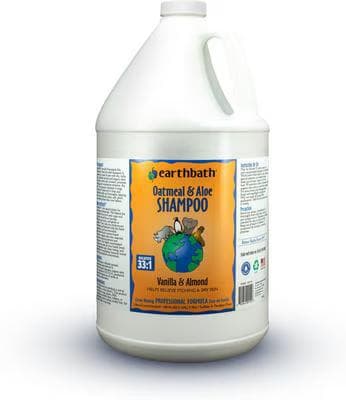
Webvet may earn a commission when you click through to Chewy, at no extra cost to you.
Do most cats actually hate water, or are they scared of a particular event? Many avoid being soaked, but the reaction is not all-or-nothing. A domestic cat may tolerate a damp paw and resist a full bath much more strongly. Another cat may dislike spray, cold, noise, or falling into water without avoiding every faucet, bowl, or wet surface.
Wet fur changes comfort and movement

When fur becomes saturated, it clumps and holds water close to the body. The extra weight and altered texture can change how freely a cat moves, while reduced coat insulation can make cooling more noticeable. Evaporation can cool the skin, particularly in a chilly room or for a small, thin, elderly, sick, or hairless cat.
Cats spend substantial time grooming and arranging the coat. Being soaked can interrupt that familiar sensory state and leave the cat occupied with licking and drying. This does not mean wet fur is automatically dangerous. It means the physical experience can be unpleasant enough for a cat to avoid it.
Control and predictability matter
The AAFP and ISFM feline environmental needs guidelines emphasize safety, predictability, familiarity, and behavioral control in a cat's environment.
Cats cope better when they can:
- Approach water on their own.
- Pause or retreat from contact.
- Keep stable footing and a clear exit.
Forced immersion conflicts with safety, predictability, familiarity, and behavioral control in a cat's environment. A cat may also be coping with slippery footing, noise, restraint, unfamiliar handling, and a blocked exit. Even when the coat sensation is manageable, losing the ability to pause or retreat can turn water contact into a frightening experience.
The cat-friendly veterinary interaction guidelines similarly favor preparation, minimal force, and responses to early fear, anxiety, and frustration signals. Although a home bath is not a veterinary exam, the handling principles are relevant: reduce surprise, avoid escalation, and use only the restraint needed for safety.
Novelty and experience shape the reaction
Learning history can push two physically similar cats toward different reactions. A cat with safe, gradual exposure may investigate water, while prior slipping, spraying, or forced restraint can shape avoidance. One event does not determine every future response, but owners can avoid adding frightening practice by slowing down, preserving an exit, and honoring early avoidance.
A microfiber pet towel and deodorizing grooming wipes can reduce how long a cat stays wet.
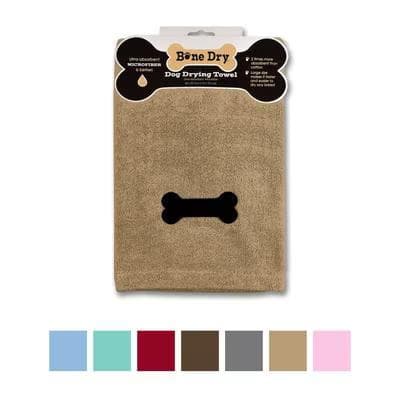
Webvet may earn a commission when you click through to Chewy, at no extra cost to you.
Kittens should not be forced into water to "get them used to it." Gentle exposure means allowing choice around a safe, low-intensity setup, pairing it with something positive, and stopping before fear escalates. If you want to train a cat to tolerate necessary water contact, use that gradual process rather than flooding a frightened kitten and making the association worse.
| Factor | What an owner may notice | Lower-pressure adjustment |
|---|---|---|
| Wet coat sensation | Shaking paws, crouching, urgent grooming | Limit the wet area and dry promptly |
| Cold or rapid temperature change | Shivering, tense posture, seeking warmth | Use lukewarm water and a warm, draft-free room |
| Loss of control | Scrambling, twisting, grabbing edges | Prepare first, use shallow water, and avoid unnecessary restraint |
| Noise and novelty | Startle at faucet, spray, drain, or echo | Fill water before bringing the cat in and keep the room quiet |
| Slippery footing | Splayed feet, claws extended, frantic escape | Add nonslip traction to the basin and floor |
| Prior negative experience | Hiding when supplies appear or escalating early | Use low-water alternatives or ask a professional for help |
| Individual preference | Curiosity, play, avoidance, or indifference | Follow the cat's behavior rather than a universal rule |
Learning to recognize early discomfort is easier with a full understanding of cat body language. Ears turned sideways, a tucked body, tail lashing, skin twitching, freezing, growling, or repeated escape attempts all matter.
SponsoredVet care that's always there
Unlimited video calls and messaging with licensed vets for less than a typical vet visit. One membership covers up to five pets.
Use code Pets60
Plans start at $12/month · covers up to 5 pets
- Licensed vets in most states
- Rx for 150+ conditions
- 4.7 on Trustpilot
Why do some cats like water?

Do cats like water? Some cats enjoy touching, watching, or playing with water in limited, voluntary contexts. Movement, reflected light, sound, scent, temperature, texture, and play history can make a faucet or shallow basin appealing. A cat may dip one paw or investigate shower water yet strongly resist immersion.
Why do some cats like water? Choice is often central: the cat can approach a stream, shallow bowl, or safe puddle and then step away. That distinction matters when learning how to bathe a cat that hates water. Voluntary interest is useful information, but it is never permission to force deeper contact, prolong a bath, or test whether the cat can swim.
Indoor environment also matters. A confident cat who encounters water during play may develop a different association from a cat who meets water only during restraint. Gradual positive exposure can widen tolerance, but the goal should be comfort and safe care, not creating a cat that performs a swimming trick.
Can you train a cat to like water?
Why do some cats like water and some do not? Individual history and control are more useful explanations than a universal rule. You can train a cat to tolerate necessary water contact through choice-based, gradual practice, but you cannot make a cat like water. A cat that is not afraid of water may still reject bathing, and the fact that cats can swim does not mean they enjoy immersion.
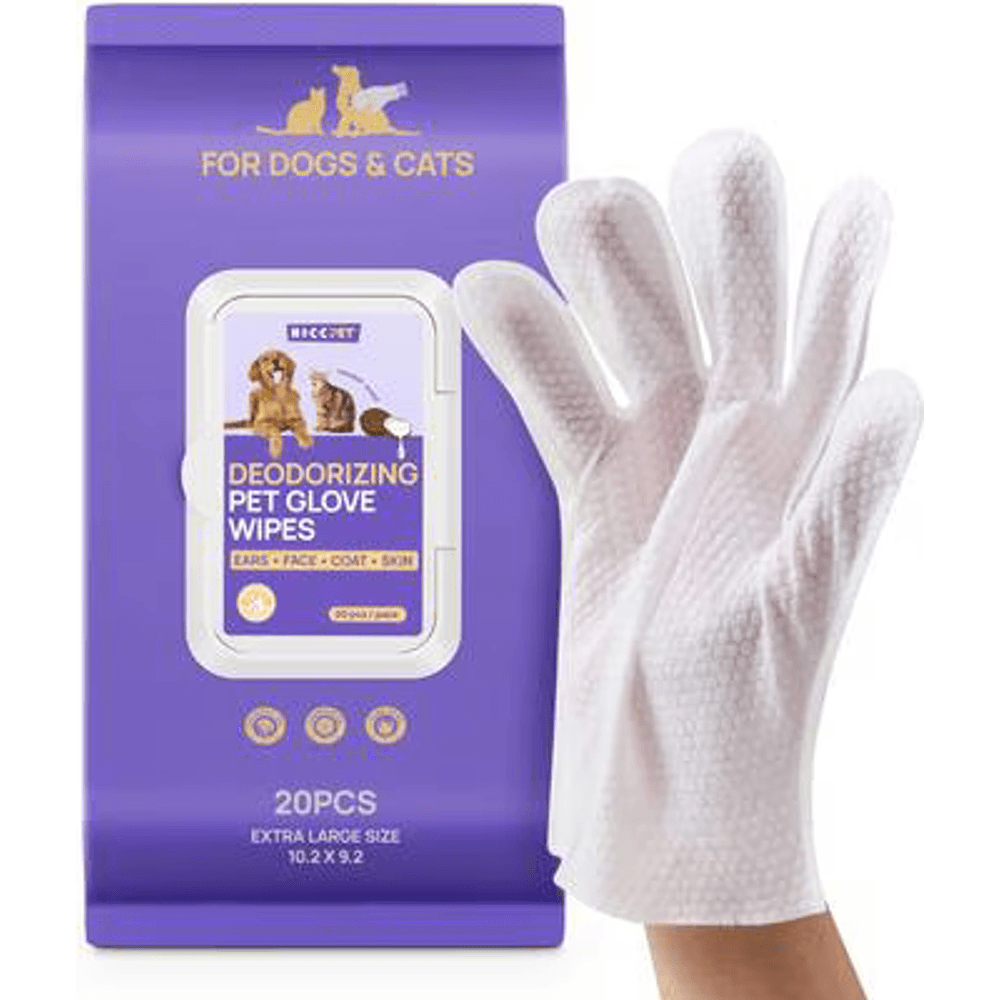
Wearable glove wipes that let you freshen and wipe down a dog's or cat's coat and skin without a full bath, while a fabric layer stays between your hand and the pet.
Webvet may earn a commission when you click through to Chewy, at no extra cost to you.
Can any cats like water? Yes, but asking what type of cat likes water or why most house cats do not like water still cannot predict one animal. A cat may enjoy shower water, a faucet, or a shallow basin without becoming a so-called water cat or liking a full bath. Build tolerance when care is necessary instead of trying to teach a cat to enjoy immersion.
Do some cat breeds like water?

The Turkish Van is often called a water-loving breed, and the Cat Fanciers Association Turkish Van profile discusses that reputation. Which cat breeds like water? Maine Coons, Bengals, Norwegian Forest Cats, Siberians, Savannahs, Abyssinians, Turkish Angoras, and some hairless cats appear in online lists, but a list cannot predict an individual.
These breed tendencies and anecdotes are not guarantees. A Turkish Van may avoid a wet paw, while a mixed-breed cat investigates the shower daily. Coat type, early experience, confidence, health, temperature, and the exact situation matter more than ancestry for one animal. Observe the cat's current behavior instead of forcing contact because of a breed label.
If a cat shakes its head and sounds like water may be trapped near the ear, treat that as a health observation rather than proof that the cat likes water. Do not pour liquid into the ear or probe it. Seek veterinary advice for:
- Persistent head shaking or scratching
- Odor, discharge, or pain around the ear
- Imbalance or other new neurologic signs
Ear disease and debris need an examination.
Hairless cats may require skin care that includes bathing, but need does not equal preference. Follow breed-specific and veterinary advice, keep the cat warm, and introduce handling carefully.
Webvet may earn a commission when you click through to Chewy, at no extra cost to you.
How to bathe a cat that hates water
Healthy cats often handle routine coat care themselves. VCA grooming guidance notes that bathing may be needed for specific coat problems, dirt, or contamination. The ASPCA pet care guide likewise says most cats rarely need full baths.
Ask first whether a bath is necessary. A veterinarian may recommend one for a contaminant, prescribed treatment, inability to groom, diarrhea on the coat, or a particular skin condition. Human shampoo, dog flea products, essential oils, and unapproved medicated products can be unsafe for cats.

How to bathe a cat that hates water is the same welfare question as how to bathe a cat that doesn't like water: prepare first, keep contact brief, and use the least water and restraint needed. Nonslip traction, shallow lukewarm water, cat-safe products, a dry towel, and a warm drying area should be ready before the cat enters. A cat may like shower water it can approach voluntarily yet hate a forced bath, so the claim that cats hate bathing in water is neither universally true nor a reason to test tolerance.
Prepare before bringing in the cat
- Close hazards but keep the handling plan simple and short.
- Put a nonslip mat or folded towel in the basin.
- Add only shallow lukewarm water before the cat enters so a loud faucet is not running nearby.
- Place a cat-safe shampoo, a cup or gentle rinse tool, and dry towels within reach.
- Brush out loose fur or mats first when it is safe to do so. Wet mats can tighten.
- Have a second calm adult help only if assistance reduces, rather than increases, restraint.
Keep water away from the eyes, nose, and ears. Wet only what must be cleaned. Low-stress handling means supporting the body securely without scruffing, pinning, or gripping tightly. Work efficiently and speak quietly.
When a full bath is not needed

The bathing plan includes a clear stop condition for escalating fear and low-water alternatives when a full bath is unnecessary. End the bath rather than add restraint if the cat begins frantic escape attempts, open-mouth breathing, sustained aggression, or unsafe handling. Brushing, a damp cloth, targeted spot cleaning, or veterinarian-approved grooming wipes may be better for a limited mess.
Stop the bath if you see:
- Frantic escape attempts.
- Open-mouth breathing.
- Sustained aggression or unsafe handling.
When a full bath is unnecessary, consider a low-water option:
- Brushing or a damp cloth.
- Targeted spot cleaning.
- Veterinarian-approved cat grooming wipes.
Never use a product merely because it is labeled natural, since cats lick the coat and ingredients safe for people or dogs may not be safe for feline skin or ingestion.
For contamination, painful mats, or unsafe handling, call a veterinarian or experienced cat groomer before improvising.
For a cat who cannot groom normally because of obesity, arthritis, dental pain, illness, or age, discuss the underlying problem with a veterinarian. Repeated greasy fur, dandruff, odor, mats, or fecal staining may be a health clue rather than a bathing problem.
How to dry a cat after a bath

Wrap the cat loosely in a dry towel and blot rather than rub hard. Move to a warm, quiet, draft-free room. Replace the towel if it becomes saturated. Avoid a noisy hair dryer unless a professional has taught you a safe method and the cat already tolerates it.
Watch for shivering, weakness, persistent open-mouth breathing, pale or blue gums, or unusual lethargy. These signs need prompt veterinary attention.
Is it bad for cats to get wet?
Ordinary wet fur is not automatically harmful to a healthy cat. The concerns are chilling, severe distress, inhaling water, skin irritation, unsafe products, and contaminants that must be removed correctly. A cat caught in light rain is different from a cat submerged, struggling, or coated in a chemical.
If a cat falls into a pool or tub, help the cat exit safely, dry and warm the cat, and watch breathing and behavior. Contact a veterinarian for coughing, labored breathing, weakness, collapse, or suspected aspiration.
What if your cat avoids the water bowl?
Bathing aversion and drinking preference are different topics, and fountain detail receives a short bridge to the live owner. A cat can dislike wet fur or forced restraint yet still prefer moving water at a sink or fountain. Drinking choices depend on access, bowl setup, freshness, temperature, health, and the individual cat, so they need separate guidance.
Common questions include:
- Do cats like cold water or room temperature water?
- Why do cats like sink water?
- Do cats like cold water or room temp?
- Why do cats hate water but drink water?
- Why do cats hate water if they drink it?
- Why do cats like to drink bath water?
Intake can change with:
- Bowl shape, placement, and cleanliness.
- Food type and health.
- Individual preference.
The fountain guide below explains that separate need.
WebVet's guide to cat water fountains and drinking preferences owns fountain selection, running-versus-still water, and hydration support. A sudden drop in drinking, increased thirst, dehydration signs, vomiting, or urinary change needs veterinary advice rather than a new bowl alone.
Other cat preferences are shaped by sensory biology too. See how cats perceive their surroundings and how catnip affects cats. For another myth that needs careful medical boundaries, WebVet explains why cats do not have Down syndrome as humans do.
Frequently Asked Questions
Is it bad for cats to get wet?
Is it bad for cats to get wet? Wet fur is not automatically harmful to a healthy cat, but owners should avoid chilling and distress, unsafe products, and prolonged soaking. Rinse harmful substances only with veterinary or poison-control guidance because the wrong cleaner can worsen exposure. Seek prompt care for coughing, breathing trouble, weakness, collapse, suspected aspiration, or a contaminant that may be toxic.
Many cats do not hate water as a substance. They avoid a particular combination of soaking, cold, noise, unstable footing, surprise, and restraint. Change that context, respect choice, and use a full bath only when the cat truly needs one.
Why do cats hate water but drink it?
Drinking and being soaked are different experiences. A cat can prefer fresh or moving water from a bowl, sink, or fountain while disliking wet fur, cold, slippery footing, noise, restraint, or loss of control during a bath. The reaction depends on choice, footing, temperature, and restraint rather than a universal hatred of water itself. Sudden changes in thirst or drinking still need veterinary attention.
Do Maine Coon cats like water?
Some Maine Coons show interest in faucets, bowls, or shallow water, but breed reputation does not predict one cat. Early experience, coat, temperature, health, confidence, and control all matter. A Maine Coon that plays with a dripping tap may still resist immersion because voluntary water play does not equal bath tolerance. Observe the individual and never force contact to test a breed stereotype.
Can you train a cat to tolerate water?
You can sometimes improve tolerance through gradual choice-based exposure, but you cannot force a cat to enjoy water. Start with low-intensity contact, stable footing, an easy exit, and a reward the cat values. Let the cat approach or retreat and stop before fear escalates. Do not immerse a kitten to make it get used to water because forced exposure can strengthen avoidance and make future grooming harder.
How do you bathe a cat that hates water?
First confirm that a full bath is necessary. Prepare shallow lukewarm water and nonslip footing, cat-safe shampoo, towels, and a warm drying area before bringing in the cat. Keep water away from the face and ears, use the least restraint needed, and work briefly. End the bath if fear or unsafe handling escalates. For a limited mess, brushing, a damp cloth, spot cleaning, or veterinarian-approved wipes may be safer.

Editor
The Webvet Editorial Team is the in-house group of pet-care editors and writers behind Webvet, operated by Smart Pet Collective. The team researches, writes, and maintains Webvet's pet health, behavior, and medication content. Every article follows a defined editorial process: research from reputable veterinary and scientific sources, careful drafting, mandatory review of medical content by a credentialed veterinarian, and dated publication. Health and medication articles are medically reviewed by a licensed veterinary professional before they go live and are kept current over time.


