White Dog Poop: Fresh Pale Stool or Weathered Waste?
White dog poop may be old weathered waste, fresh pale stool or a coating. Learn the differences, diet clues and when your veterinarian should assess it.

BVMS MRCVS
Medically reviewed by Dr. Pippa Elliott, BVMS MRCVS · Last reviewed

This article contains affiliate links. Webvet may earn a commission when you buy through them, at no extra cost to you.
White dog poop means different things depending on when you saw it. An old deposit that has dried and weathered outdoors is not the same observation as freshly passed pale gray or chalky stool. A white coating or separate white pieces may be something different again. Start with freshness and texture rather than assuming one cause fits all four.
Concerning poop colors include fresh unexplained pale stool, red blood and black tarry stool, especially with illness. Contact your veterinarian about repeated fresh pale stool, difficulty passing stool or an unexplained change. Seek prompt care if your dog is vomiting, painful, weak, refusing food, passing blood or unable to pass stool. Yellowing of the eyes or skin is another reason for prompt assessment. An old white deposit by itself cannot describe your dog's current digestive health.
 Sponsored
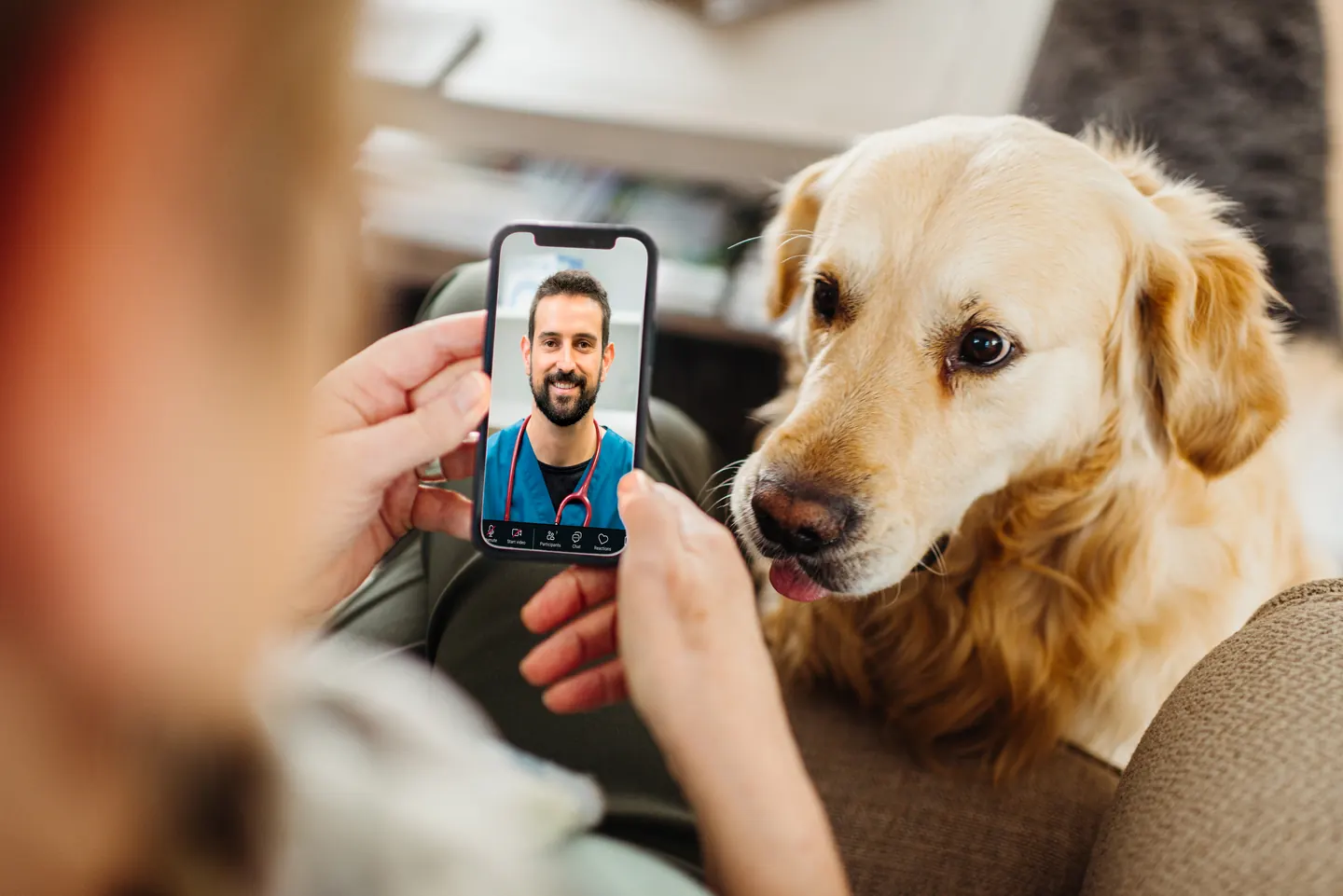
Want a vet's take on your dog's upset stomach?
Talk to a licensed vet at Dutch over video, often the same day. They can recommend treatment and prescribe it when it's appropriate.
Use code Pets30
Plans start at $11/month · covers up to 5 pets
- Licensed vets in most states
- Rx for 150+ conditions
- 4.7 on Trustpilot
Fresh white dog poop versus an old dried stool
Look at a bowel movement soon after it is passed if you are monitoring a change. Sun, drying and weathering can alter an outdoor deposit over time. A dry chalky stool found at the back of the yard may be days old or may not belong to the dog you are watching. Do not use it alone to diagnose the next meal or a current illness.
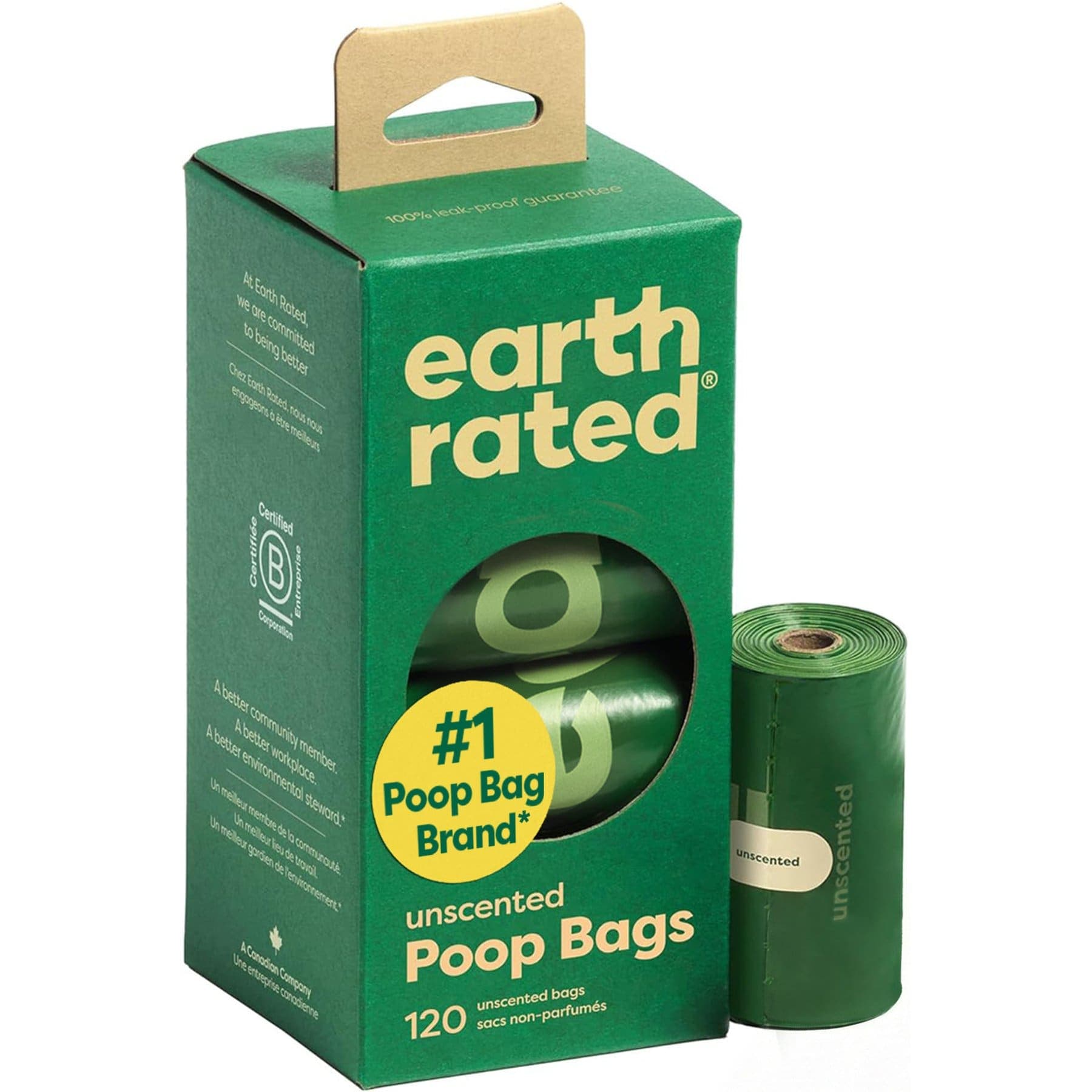
Unscented waste bags for prompt pickup while tracking stool changes. Ask the clinic about a separate container for diagnostic samples.
Webvet may earn a commission when you click through to Chewy, at no extra cost to you.
Waste bags make it easier to remove each fresh deposit after checking it. Regular pickup gives you a clearer record of what is new and prevents older waste from confusing the picture. If the veterinarian requests a sample, collect a fresh portion according to the clinic's instructions rather than bringing an old chalky deposit.
A collapsible travel bowl for access to plain water during necessary trips. Choose a size appropriate for your pet.
Webvet may earn a commission when you click through to Chewy, at no extra cost to you.

| What appears white | Useful distinction | What to do with the observation |
|---|---|---|
| Old dry stool outdoors | Weathered, hard or crumbly deposit | Check a newly passed stool and remove old waste |
| Fresh pale gray-beige stool | The stool itself is unusually pale | Record recurrence and contact the veterinarian |
| Chalky hard stool after bone-heavy feeding | Diet and difficulty passing it may be relevant | Discuss the diet and any straining promptly |
| Whitish jelly on brown stool | A coating may be mucus | Record mucus, frequency and other signs |
| Separate white pieces | Food fragments or parasite segments are possibilities | Photograph and ask about sampling; do not guess from color |
Why doesn’t dog poop turn white anymore?
Dog poo used to be noticed turning white outdoors, and it can still do so. People sometimes remember white dog waste being more common in the past. Differences in feeding, mineral content and how long deposits remain outdoors can contribute to that observation. It is not a reason to regard freshly passed white stool as automatically normal or to recreate an older style of feeding.
Bones, calcium and chalky stools
Fresh white, chalky dog poop can be associated with a diet containing substantial bone or excess mineral material. Tell the veterinarian exactly what is being fed, including raw bones, bone meal, calcium supplements and treats. “Raw food” alone is not enough detail to assess the mineral content or balance of a particular diet.
Keep plain water available in a clean bowl. A portable bowl can help maintain access on a necessary trip, but drinking water does not make bone-heavy feeding safe or resolve every cause of constipation. A dog that is straining repeatedly, vomiting or painful needs veterinary advice rather than more water and a wait for the next stool.
Do not add bones to make loose stool firmer or increase calcium to chase a particular appearance. Nutritional balance matters beyond what the stool looks like. If your dog eats a complete diet, discuss any supplement with the veterinarian before adding it. Homemade and raw diets should be evaluated for the whole nutritional plan, not adjusted by stool color alone.
Chalky stool with straining
A dog struggling to pass a chalky stool may need assessment for constipation or another problem. Do not administer an enema, laxative or oil without advice. Some products intended for people are inappropriate for pets, and an obstruction needs a different response from a minor dietary issue. Describe whether any stool is actually being passed.
 Sponsored
Vet care that's always there
Unlimited video calls and messaging with licensed vets for less than a typical vet visit. One membership covers up to five pets.
Use code Pets30
Plans start at $11/month · covers up to 5 pets
- Licensed vets in most states
- Rx for 150+ conditions
- 4.7 on Trustpilot
Pale gray stool, mucus and white pieces
Bile contributes to normal stool coloration. Repeated unusually pale or clay-colored fresh stool can be a reason to investigate digestion and bile-related problems, among other possibilities. Color alone cannot identify liver disease, a gallbladder problem or another diagnosis. Report the appearance alongside appetite, weight, vomiting and any yellowing of the eyes or skin.
A long-handled waste scoop is useful for clearing old deposits from a yard or dog run. Removing them helps separate weathered outdoor waste from newly passed pale stool. Use the tool for cleanup, not to crush or inspect old material as a diagnostic test, and keep it separate from household food equipment.
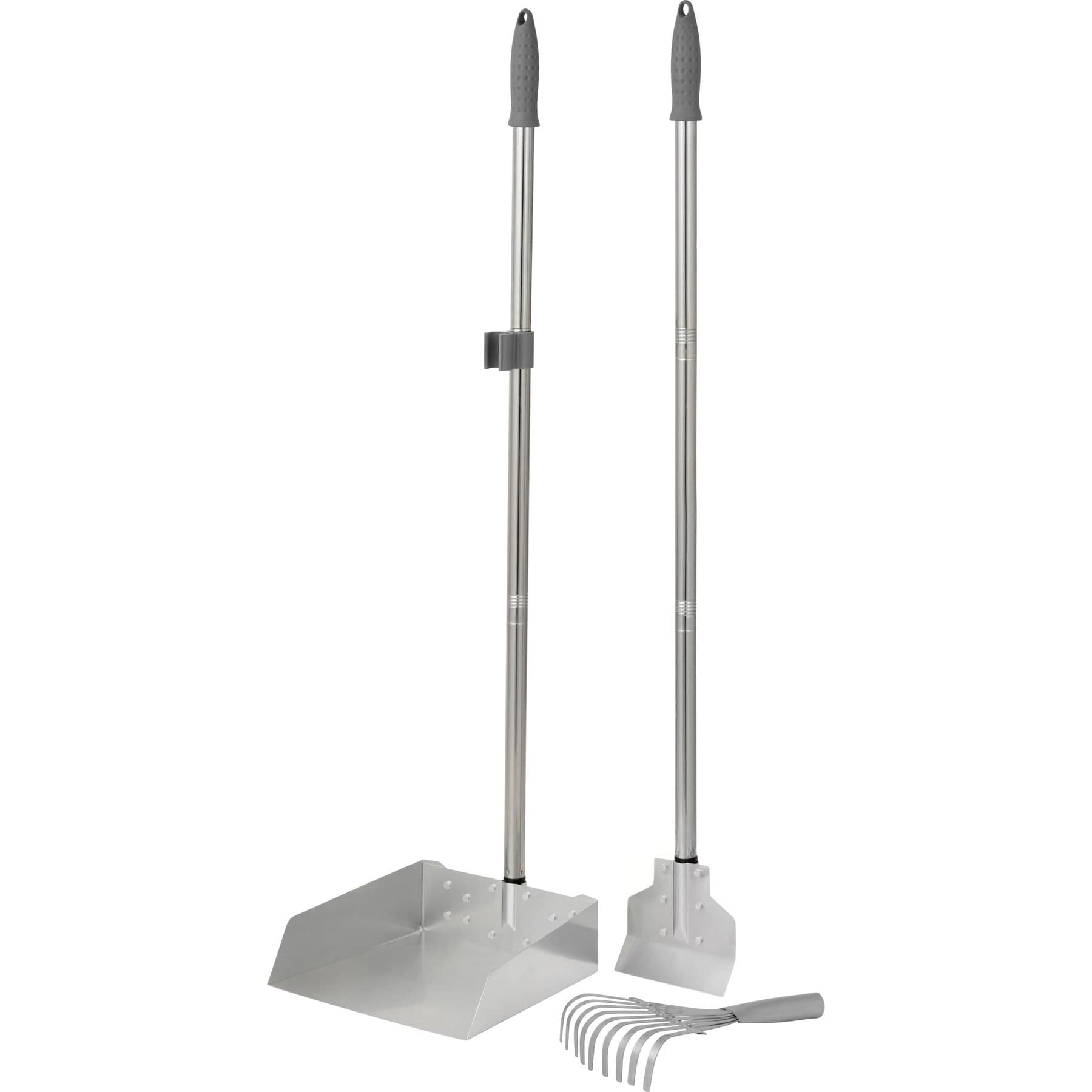
A rake, spade and dustpan set for removing old yard waste, making newly passed stool easier to identify.
Webvet may earn a commission when you click through to Chewy, at no extra cost to you.

A dog pooping white mucus may have a coating around otherwise brown stool. Whitish mucus looks more like a coating or jelly than an evenly pale stool. It can accompany bowel irritation and may occur with straining or frequent small stools. The guide to mucus in dog poop covers that pattern. Record whether the underlying stool is brown and whether the coating recurs. Frequent small stools with mucus and urgency can fit the large-bowel pattern discussed in colitis in dogs; that is a different observation from an entire freshly passed stool being pale.
White pieces and parasite segments
If the coating is yellow rather than white, the yellow dog poop guide explains how to describe yellow mucus and mixed stool colors without using a photograph to diagnose the cause.
Small rice-like pieces can be consistent with tapeworm segments, but white pieces are not all worms. Food material and debris can look similar. Photograph what you see and ask the clinic how to submit a sample. Do not choose a dewormer solely from a picture, because products differ in the parasites they treat and the broader prevention plan may matter.
Does white stool mean kidney failure or pancreatitis?
Neither condition has a diagnostic stool color. Kidney disease cannot be confirmed or excluded by checking poop. Pancreatitis may cause vomiting, poor appetite and abdominal pain; stool appearance is only one part of the history. White or pale stool does not specifically diagnose kidney failure or pancreatitis. Likewise, parvovirus does not have one definitive stool color. If a puppy or an unwell dog has vomiting, diarrhea or lethargy, seek advice based on those signs. See parvo symptoms in dogs for that separate illness rather than treating white stool as a test for it.
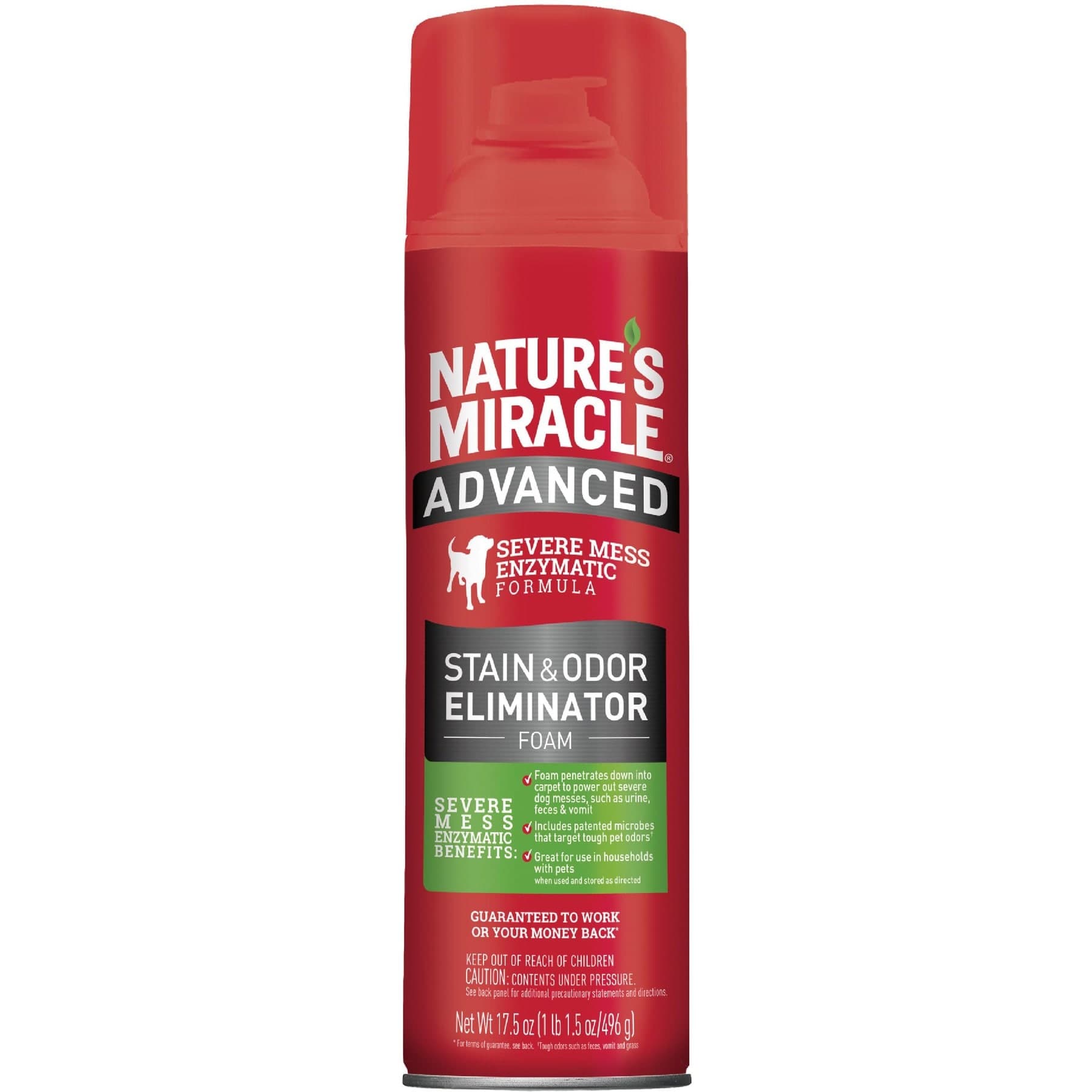
An enzymatic dog-accident cleaner for compatible surfaces. Follow the label; odor removal is not parasite disinfection.
Webvet may earn a commission when you click through to Chewy, at no extra cost to you.
Veterinary contact and stool records
Details to record for the stool assessment
For veterinary contact, keep stool records with the following details. Before the appointment, report whether you watched the stool being passed and whether the entire fresh stool was pale. Include consistency, straining, frequency and recent diet or supplement changes. Mention vomiting, appetite, energy, weight changes and any known access to bones or foreign material. A fresh-stool photograph in daylight can make the description clearer.
- Fresh stool: the time passed, color, consistency, amount, mucus or blood, and how often your pet tries to pass stool.
- Other signs: appetite, vomiting, energy and weight changes, including any difficulty keeping water down.
- Recent changes: meals, treats, supplements, medicines, possible exposures and relevant previous illness or test results.
For an indoor accident, remove the waste and use an enzymatic pet cleaner on compatible surfaces according to its label. Keep pets away while cleaning. Do not use cleaner on a sample or assume that eliminating a stain resolves the medical question. Sample collection and household cleanup should remain separate tasks.
Ask how much stool the veterinarian wants and how to store it. A clean container, collection time and minimal contamination are more useful than a large amount of old waste. The clinic may recommend fecal testing or other investigation depending on the pattern and examination.
Describe consistency as well as color
The broader dog diarrhea guide helps place consistency and frequency in context. For a fresh pale or chalky stool, however, preserve the specific details about diet, age of the deposit and difficulty passing it. Those distinctions keep the consultation focused on what actually changed.
Record the fresh stool, recent meals and medicines, and any change in appetite, vomiting or energy. Follow the veterinary plan rather than choosing a remedy by color.
Safer feeding and regular waste removal
Follow a balanced feeding plan and avoid adjusting minerals or adding supplements on the basis of stool color. If a diet change is recommended, ask how to make it and how to monitor the response. Do not keep cycling among foods and remedies without a record of what was changed when.
Remove waste regularly and check freshly passed stool when monitoring a concern. That simple habit makes a fresh-versus-weathered comparison much more reliable. Keep other pets away from waste and wash your hands after handling cleanup tools, bags or sample containers.

Contact the veterinarian again if pale stool repeats, straining continues or your dog develops other illness. There is no universal time after which a white stool should return to brown. The useful outcome is an explanation for the change and comfortable, normal bowel movements, not a temporary color shift after another unplanned remedy.
Sources
Sources: VCA: tapeworm infection in dogs and VCA: diarrhea in dogs.
Frequently asked questions
Should I be concerned if my dog's poop is white?
It depends on whether the stool is fresh or old. A dried white deposit found outdoors may be days old and tells you little about your dog now. Freshly passed pale or chalky stool that repeats, comes with straining, vomiting, pain, weakness or poor appetite is worth a call to your veterinarian, and yellowing of the eyes or skin calls for prompt assessment.
What does white chalky dog poop mean?
Fresh chalky or pale stool can be linked to a diet with a lot of bone or other mineral material, so tell your veterinarian exactly what your dog eats, including raw bones, bone meal, calcium supplements and treats. If your dog strains to pass a hard stool, ask for advice before giving any enema, laxative or oil, because an obstruction needs a different response.
What color dog poop is concerning?
Fresh pale or clay-colored stool that keeps happening, red blood and black tarry stool are the colors to take seriously, particularly when your dog seems unwell. Bile helps give stool its color, but color alone cannot name a cause such as liver disease. No single stool color diagnoses kidney failure, pancreatitis or parvovirus, so report the other signs your dog shows.
Veterinarian · BVMS MRCVS
Dr. Pippa Elliott, BVMS, MRCVS, is a veterinarian with nearly 30 years of experience in companion animal practice. Dr. Elliott earned her Bachelor of Veterinary Medicine and Surgery from the University of Glasgow. She was also designated a Member of the Royal College of Veterinary Surgeons. Married with 2 grown-up kids, Dr. Elliott has a naughty Puggle named Poggle, 3 cats and a bearded dragon.


