Yellow Dog Poop: Causes and When to Call Your Vet
Yellow dog poop can reflect diet or digestive illness. Compare fresh stool, mucus and diarrhea, and learn what to record and when to call your vet.

BVMS MRCVS
Medically reviewed by Dr. Pippa Elliott, BVMS MRCVS · Last reviewed

This article contains affiliate links. Webvet may earn a commission when you buy through them, at no extra cost to you.
Yellow dog poop can follow a food change or faster movement through the intestine, but it can also occur with digestive illness. Color alone cannot identify an infection, pancreatitis or liver disease. The more useful picture includes whether the stool is formed or watery, how often it happens, and whether your dog is eating, drinking and behaving normally.
Contact your veterinarian promptly if yellow stool is accompanied by repeated vomiting, marked lethargy, abdominal pain, blood, poor appetite or signs of dehydration. Puppies, frail dogs and dogs with existing illness need earlier advice. Even in an otherwise comfortable adult dog, repeated or persistent yellow stool deserves a call rather than repeated diet experiments.
 Sponsored
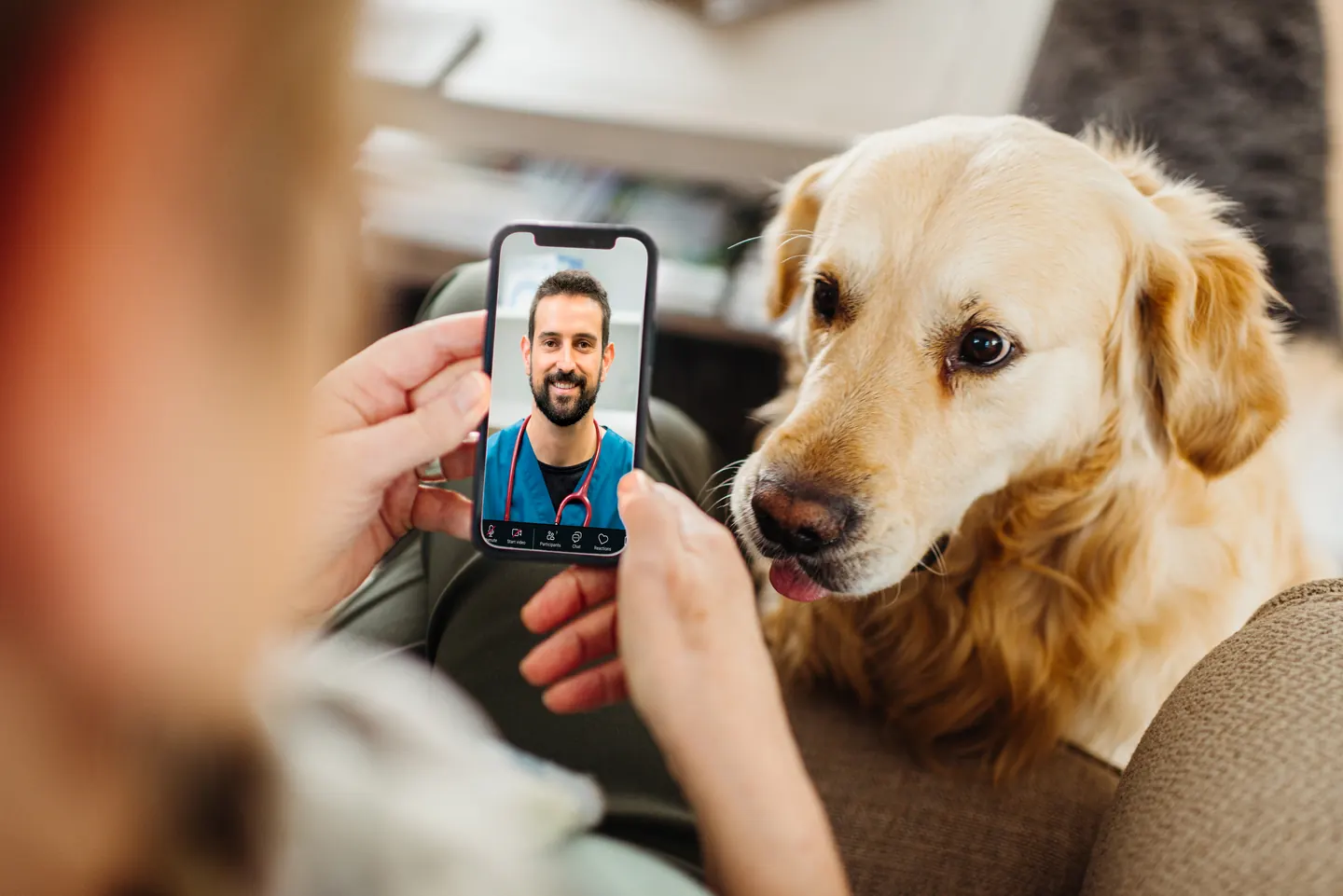
Want a vet's take on your dog's upset stomach?
Talk to a licensed vet at Dutch over video, often the same day. They can recommend treatment and prescribe it when it's appropriate.
Use code Pets30
Plans start at $11/month · covers up to 5 pets
- Licensed vets in most states
- Rx for 150+ conditions
- 4.7 on Trustpilot
What yellow dog poop can mean
First, look at a freshly passed stool in ordinary daylight. A mustard-yellow stool, a brown stool with yellow mucus and a very pale gray stool are different observations. Outdoor aging, grass underneath and phone processing can change how a photo looks. Note the actual appearance before cleanup rather than choosing a diagnosis from the nearest online color sample.
If your veterinarian recommends digestive support for a mild, assessed problem, a dog-appropriate probiotic may be part of the plan. Products differ in their organisms and formulation. A probiotic is not a treatment for every cause of yellow stool and should not delay evaluation of a sick dog. Ask whether the selected product fits your dog's condition and current diet.
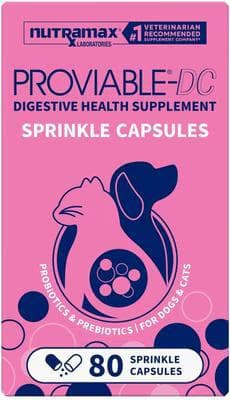
A dog-appropriate probiotic option to discuss with your veterinarian for an assessed digestive problem. Not a universal treatment for abnormal stool.
Webvet may earn a commission when you click through to Chewy, at no extra cost to you.

| Fresh-stool observation | Helpful accompanying detail | What color alone cannot establish |
|---|---|---|
| Formed but yellowish stool | Recent food, treat or supplement changes | That a serious cause is excluded |
| Soft mustard-yellow stool | Frequency, urgency and how long it has continued | A specific infection or pancreatic diagnosis |
| Brown stool with yellowish jelly | Mucus, straining and small frequent stools | Which cause is irritating the bowel |
| Pale gray or clay-colored stool | Whether the entire fresh stool is pale repeatedly | The location or cause of a bile-related problem |
| Yellow stool with illness | Vomiting, appetite, energy and abdominal discomfort | That home feeding changes are enough |
There is no universal “unhealthiest poop color” that replaces assessment. Black tarry stool and substantial fresh blood are particularly concerning, but a dog with ordinary-looking brown diarrhea can also be seriously ill. Use color as one piece of information alongside the dog's condition and the persistence of the change.
Yellow poop in a dog acting normal can sometimes follow a dietary change. That is a clue to report, not proof of a harmless cause. Continue observing appetite, energy, drinking and subsequent stools while following your veterinarian's advice. A change from formed to watery stool or the appearance of vomiting should change the plan.

Unscented waste bags for prompt pickup while tracking stool changes. Ask the clinic about a separate container for diagnostic samples.
Webvet may earn a commission when you click through to Chewy, at no extra cost to you.
Our broader guide to dog diarrhea and its causes explains consistency and other stool patterns. This article focuses on yellow stool rather than treating every digestive sign as the same problem or offering another general color chart.
Diet changes, bile and faster transit
Bile pigments contribute to the changing color of intestinal contents during digestion. When contents move more quickly through the gut, there may be less time for the usual changes that produce brown stool. This is one reason yellowish stool can occur with diarrhea. It does not tell you why the intestine is moving differently.
Food ingredients and coloring can also influence appearance. A new kibble, rich table scraps, chews, supplements or an abrupt change in meals may be relevant. Record everything eaten, not just the main food brand. A treat introduced during training can be easy to overlook when trying to identify what changed.
Keep unscented waste bags available so each fresh deposit can be checked and removed promptly. Regular pickup helps you distinguish today's stool from an old deposit and reduces contact with waste. If the clinic requests a sample, ask for its preferred container and collection instructions rather than assuming a used pickup bag is suitable for the test.
The meal and medicine timeline
A meal and medication timeline is more informative than repeatedly changing food in response to each bowel movement. Write down when the new item started, when the stool changed and whether any other signs appeared. If several changes occurred together, tell the veterinarian rather than attributing the color to whichever ingredient seems most suspicious.
Chicken and rice may produce a paler-looking stool in some dogs, and a diet change itself can alter bowel movements. That does not make yellow diarrhea after a bland meal automatically safe. Homemade chicken and rice is also not nutritionally complete for ongoing feeding. Ask about the purpose and duration of any temporary diet and the plan for returning to a balanced food.
Yellow stool after antibiotics or another medicine should be reported with the drug name and timing. Some treatments can affect digestion, while the illness being treated can also explain the change. Do not stop, restart or adjust a prescription without guidance. Contact the clinic if the new stool pattern is accompanied by vomiting, poor appetite or other illness.
Stress as one part of the history
Stress can affect bowel habits, but there is no distinctive stress-stool color that proves the diagnosis. Travel, boarding or a change in routine may be relevant history. Persistent yellow diarrhea still needs consideration of dietary, infectious and other causes rather than being dismissed because a stressful event happened recently.
 Sponsored
Vet care that's always there
Unlimited video calls and messaging with licensed vets for less than a typical vet visit. One membership covers up to five pets.
Use code Pets30
Plans start at $11/month · covers up to 5 pets
- Licensed vets in most states
- Rx for 150+ conditions
- 4.7 on Trustpilot
Yellow mucus, diarrhea and other clues
Mucus may appear as a shiny or jelly-like coating on a stool rather than coloring the entire stool. It can look clear, white or yellowish depending on what it is mixed with. Frequent small stools and straining are useful accompanying observations. The guide to mucus in dog poop covers that pattern more fully.
Yellow watery diarrhea involves fluid loss as well as a color change. Record how often your dog needs to go and whether the amount is increasing. Repeated vomiting, inability to keep water down or reduced energy makes prompt care more important. Do not wait for a certain shade of yellow or a fixed number of episodes before seeking advice for a visibly unwell dog.
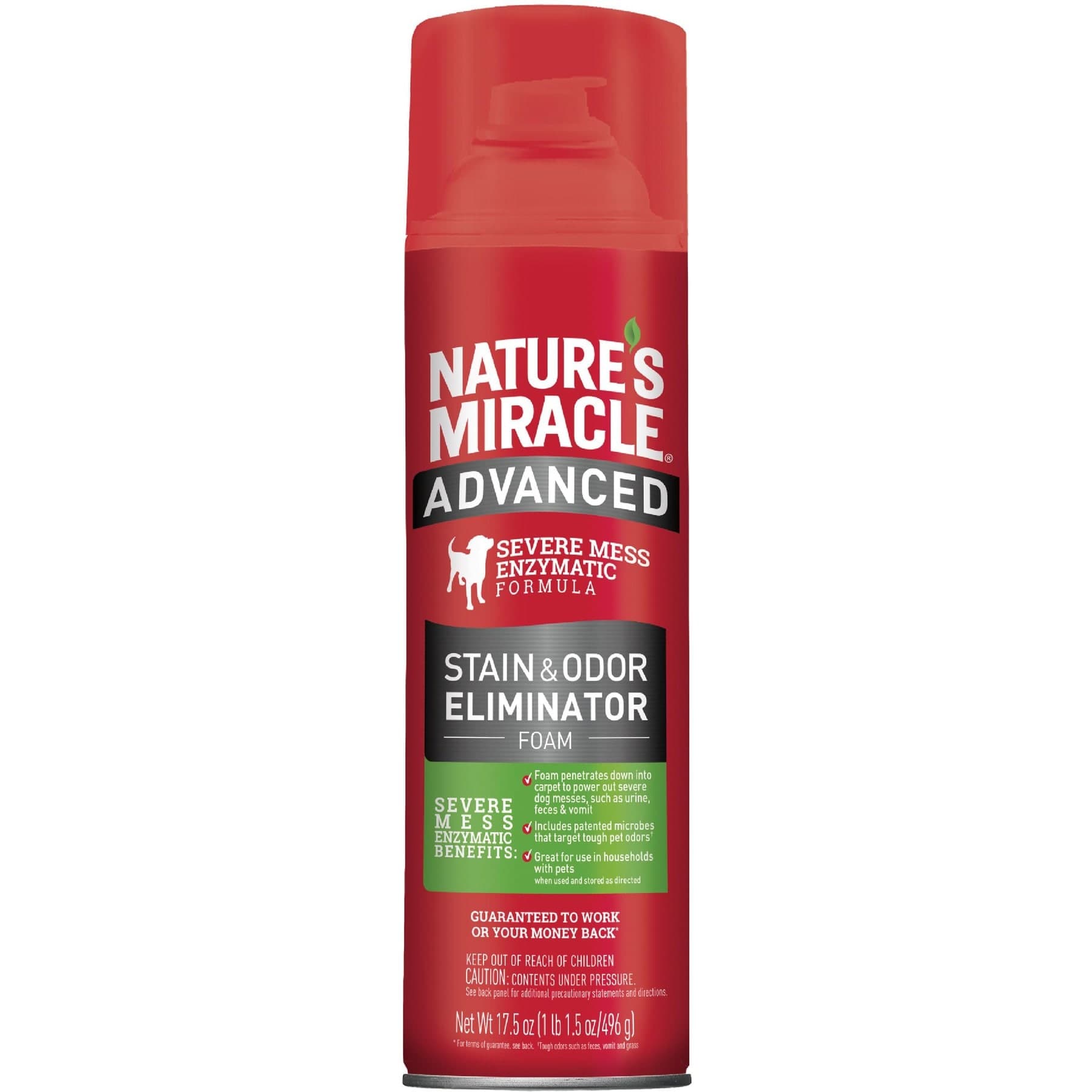
An enzymatic dog-accident cleaner for compatible surfaces. Follow the label; odor removal is not parasite disinfection.
Webvet may earn a commission when you click through to Chewy, at no extra cost to you.

Parasites and infections can cause digestive signs, but yellow stool does not identify a particular organism. A fresh fecal sample and appropriate testing may be needed. A dog can have an infectious problem without matching a stool photograph exactly, and a yellow stool may have a noninfectious explanation. Do not select a dewormer or antibiotic solely from its appearance.
Cleanup and signs beyond stool color
For indoor accidents, use a cleaner intended for the surface involved. An enzymatic pet cleaner can help with waste-related stains and odor after solid material is removed. Follow its instructions and keep your dog away during use. Odor removal is not the same as disinfection against a specific parasite or pathogen; ask the clinic if a diagnosed infection requires additional measures.
Pancreatitis cannot be diagnosed from yellow poop. Dogs with pancreatitis may have signs such as vomiting, poor appetite and abdominal pain, and the clinical picture and tests guide diagnosis. Some digestive disorders can also cause unusually bulky or greasy stools. Describe those features, weight changes and appetite rather than reporting only the color.
Yellow stool does not automatically mean liver failure. Repeated pale or clay-colored stool, yellowing of the eyes or skin, appetite changes and other illness need veterinary assessment, but the cause requires more than visual inspection. Do not use a “liver detox” supplement or a color chart to decide which organ is involved.
Mixed colors need the same full history
The same caution applies when stool seems yellow and orange, yellow and green or mixed with brown. These descriptions may help document a change, but the boundaries between shades are subjective. Consistency, frequency, blood, mucus and the dog's condition are often more useful for deciding how quickly to act.
What to record and take to the vet
Details to record for the stool assessment
Before taking your dog to the vet, record your dog's age, relevant health problems and the time the change began. Explain whether the stool is formed, soft or watery and whether it is entirely yellow or coated in mucus. Mention vomiting, appetite, drinking, activity and any possible access to garbage, unfamiliar food or harmful substances.
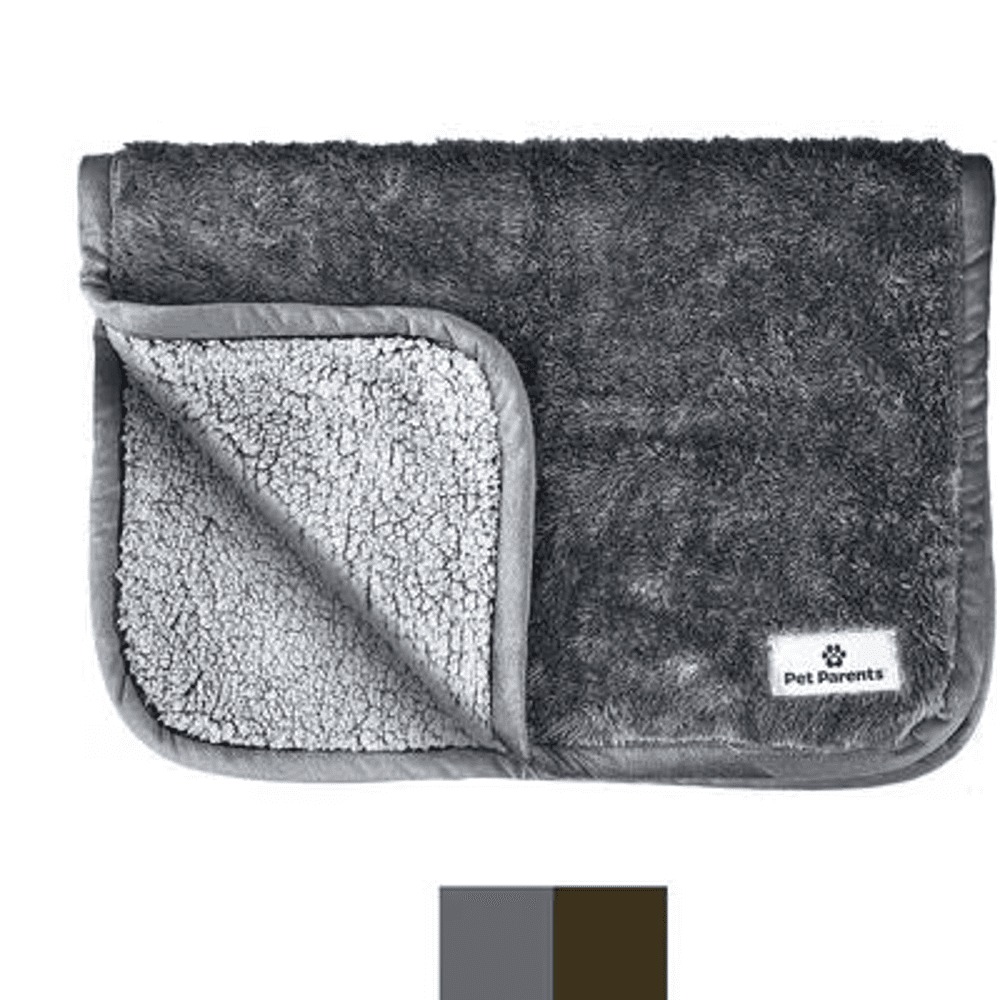
A washable waterproof blanket for a suitable resting or transport surface. Choose the size that fits your setup.
Webvet may earn a commission when you click through to Chewy, at no extra cost to you.
- Fresh stool: the time passed, color, consistency, amount, mucus or blood, and how often your pet tries to pass stool.
- Other signs: appetite, vomiting, energy and weight changes, including any difficulty keeping water down.
- Recent changes: meals, treats, supplements, medicines, possible exposures and relevant previous illness or test results.
Keep a washable waterproof blanket or suitable liner available for the resting area or transport if accidents are likely. Choose a size and placement that do not create a slipping or chewing hazard. A liner makes cleanup easier while you arrange care; it does not prevent dehydration or treat the bowel problem.
Take a photograph before disposal if you can do so without delaying care. Use daylight, include enough surrounding area to show scale and avoid filters. Do not add water or chemicals to make the stool easier to photograph. A photo complements the history; the veterinarian may still need a fresh sample and an examination.
Samples, tests and monitoring time
Ask how much stool to collect and how to store it for the planned test. Use a clean container and avoid soil, old yard waste and cleaning products. Label the collection time and keep it separate from food. The clinic can tell you whether refrigeration is appropriate and how soon the sample should arrive.
Your veterinarian may recommend fecal testing, blood tests or imaging depending on the history and examination. Not every dog needs every test. A young dog with acute diarrhea after an exposure and an older dog with recurring pale stools and weight loss have different questions to answer. Ask what each recommended test is intended to clarify.
There is no fixed number of days after which yellow poop is “too long,” because other signs can make even the first episode urgent. A single change in a comfortable adult dog may be handled differently from repeated watery stool, but ongoing or recurring abnormalities deserve advice. Follow the monitoring interval your veterinarian gives, and call sooner if the dog's condition changes.
Bring the complete medication history
Bring a medication and supplement list, including products bought without a prescription. If you have already tried a diet, probiotic or other remedy, record when it started and whether the stool changed. This helps the clinic interpret the course rather than treating each new appearance as a separate episode.
Record the fresh stool, recent meals and medicines, and any change in appetite, vomiting or energy. Follow the veterinary plan rather than choosing a remedy by color.
Feeding and care after veterinary advice
Home care for yellow stool should follow the vet’s assessment of the cause, with the advised food, access to water and a record of stool changes. Treating yellow poop means addressing its cause. A temporary dietary problem, parasite infection and chronic intestinal disorder do not share one universal remedy. Follow the feeding plan selected for your dog and avoid introducing several new foods or supplements at once. Repeated changes can make both symptoms and interpretation more confusing.
Keep fresh water available unless your veterinarian gives a specific different instruction. A dog that repeatedly vomits water, becomes weak or seems unable to drink needs prompt help. Water access is useful, but it does not guarantee that fluid losses from diarrhea are being replaced adequately.

If a temporary bland diet is advised, clarify ingredients, portions and duration. Avoid rich additions, seasonings and fatty leftovers. Ask how to transition back to a complete balanced diet and what to do if your dog refuses the temporary food. Puppies and dogs with particular medical conditions may need a different plan from a healthy adult.
Probiotics, pumpkin and medicines
A probiotic may be considered as supportive care in selected cases. Use the exact product and directions recommended rather than assuming all human and pet probiotics are interchangeable. Do not add it as a substitute for testing or treatment when stool remains abnormal, and report worsening signs even if the product is labeled for digestive health.
Pumpkin is not a universal fix for yellow diarrhea. Fiber may be helpful for some bowel problems and inappropriate or insufficient for others. Adding it without understanding the cause may distract from the actual issue. If your veterinarian recommends fiber, ask about the specific product and amount rather than using a generic internet spoonful.
Avoid human antidiarrheal medicines unless the veterinarian specifically directs their use. Safety depends on the medicine, the dog and the cause. Some products can change stool color or interfere with assessment. A new black, sticky stool after a medication still deserves a call, not an assumption that the drug explains it harmlessly.
Recognizing progress and recurrence
During recovery, track stool form, frequency, appetite and energy together. A return toward brown is encouraging only in context. A dog whose stool looks darker but remains watery, frequent or accompanied by vomiting has not necessarily recovered. Continue the agreed treatment and recheck plan rather than using color as the only finish line.
If yellow stool repeatedly returns after apparent improvement, revisit the history with your veterinarian. A recurring meal association, weight change or pattern after medication can guide further investigation. The aim is a comfortable dog with stable digestion and an explanation for persistent changes, not simply a different-looking bowel movement tomorrow.
Sources
Sources: VCA: diarrhea in dogs and Great Pet Care: yellow dog poop.
Frequently asked questions
Why would dog poop be yellow but acting normal?
A diet change is one common explanation, and faster movement through the gut can leave stool yellowish. A normal-acting dog does not prove the cause is harmless, so treat it as a clue to report. Keep watching appetite, energy, drinking and later stools, and call your veterinarian if it repeats or persists, or if vomiting or watery stool appears.
Does yellow poop mean liver failure?
No, not automatically. Repeated pale or clay-colored stool, yellowing of the eyes or skin, appetite changes and other illness do need veterinary assessment, but the cause takes more than a look at the stool. Do not use a liver detox supplement or a color chart to decide which organ is involved.
How do I get my dog's poop from yellowish back to normal?
Treat the cause, not the color. Follow your veterinarian's feeding plan, keep fresh water available, and avoid adding several new foods or supplements at once. Pumpkin and human antidiarrheal medicines are not universal fixes. Track stool form, frequency, appetite and energy together, and report anything that is not improving.
Veterinarian · BVMS MRCVS
Dr. Pippa Elliott, BVMS, MRCVS, is a veterinarian with nearly 30 years of experience in companion animal practice. Dr. Elliott earned her Bachelor of Veterinary Medicine and Surgery from the University of Glasgow. She was also designated a Member of the Royal College of Veterinary Surgeons. Married with 2 grown-up kids, Dr. Elliott has a naughty Puggle named Poggle, 3 cats and a bearded dragon.


