Dog Diarrhea After Boarding: Causes and What to Do Next
Understand why diarrhea can follow boarding, what to check when your dog gets home, which details to request from the facility, and how testing and gut support fit into recovery.

BVMS MRCVS
Medically reviewed by Dr. Pippa Elliott, BVMS MRCVS · Last reviewed

This article contains affiliate links. Webvet may earn a commission when you buy through them, at no extra cost to you.
Dog diarrhea after boarding can follow stress, unfamiliar food, or an infection. Start by checking how your dog feels overall, providing fresh water, and recording what has changed. A bright dog with one loose stool needs a different response from a dog who is vomiting, weak, or passing blood.
The most useful approach to dog diarrhea after boarding combines your observations with the boarding facility’s records. Knowing when symptoms began and what your dog ate helps separate a brief digestive upset from a problem needing investigation.
 Sponsored
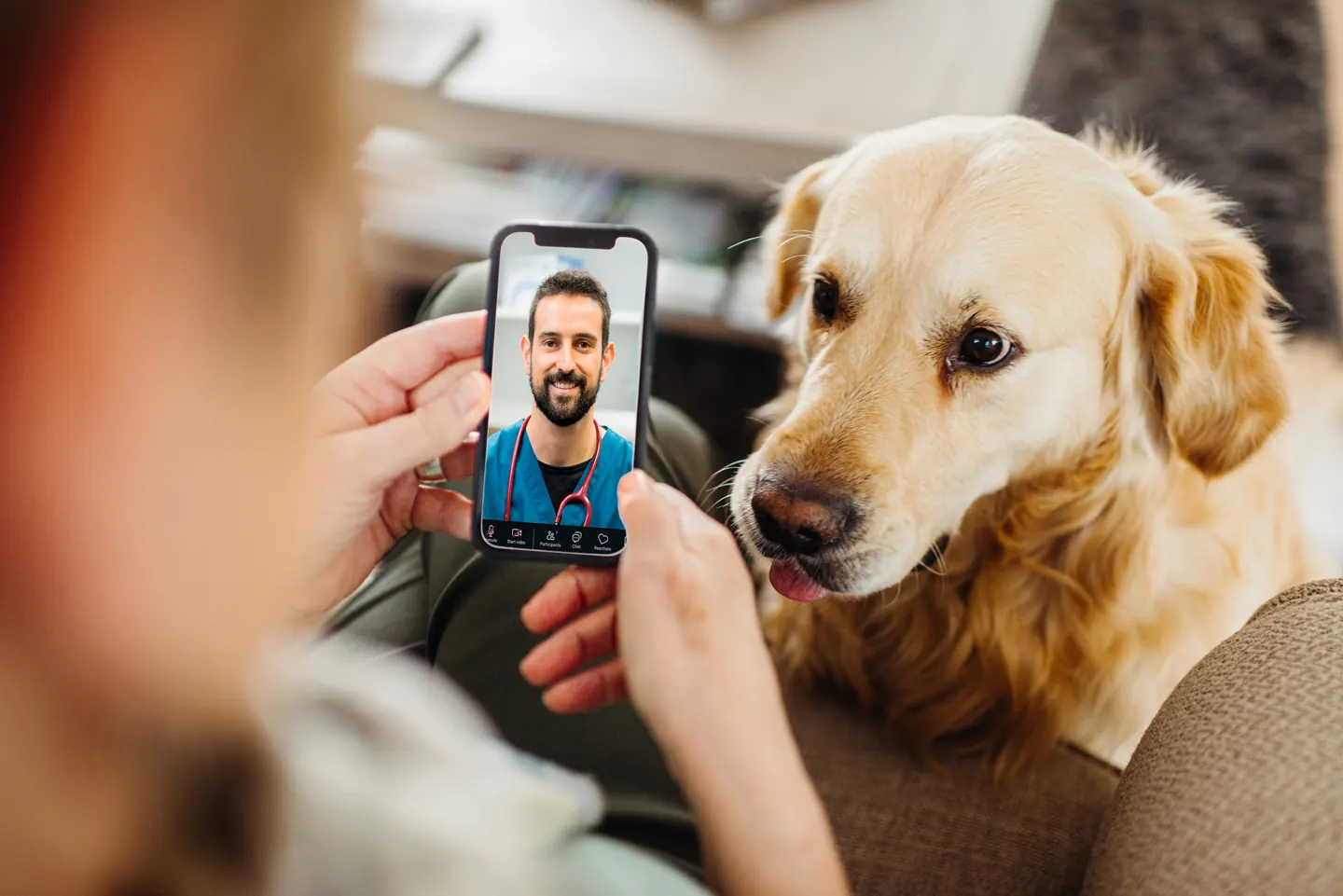
Want a vet's take on your dog's upset stomach?
Talk to a licensed vet at Dutch over video, often the same day. They can recommend treatment and prescribe it when it's appropriate.
Use code Pets60
Plans start at $12/month · covers up to 5 pets
- Licensed vets in most states
- Rx for 150+ conditions
- 4.7 on Trustpilot
Why Dog Diarrhea After Boarding Happens
Stress or food changes can upset digestion during a kennel stay, and infection is another possibility. Timing alone cannot identify the cause or establish where an infectious exposure occurred. Diarrhea that appears after you return from vacation may have started before collection, or only become noticeable at home.
Several parts of the boarding experience can change at once:
- Separation, excitement, and an unfamiliar routine may contribute to intestinal upset.
- Different meals, extra treats, or access to another dog’s food can introduce a sudden diet change.
- Contact with contaminated feces or environments can expose dogs to intestinal parasites and infections.
- An existing digestive problem may flare during the stay without being caused by the facility.
These possibilities also apply to diarrhea after daycare. Cornell’s canine diarrhea guidance identifies boarding stress, dietary changes, parasites, and several other illnesses as possible causes. A previous uneventful stay does not tell you which explanation fits this episode.
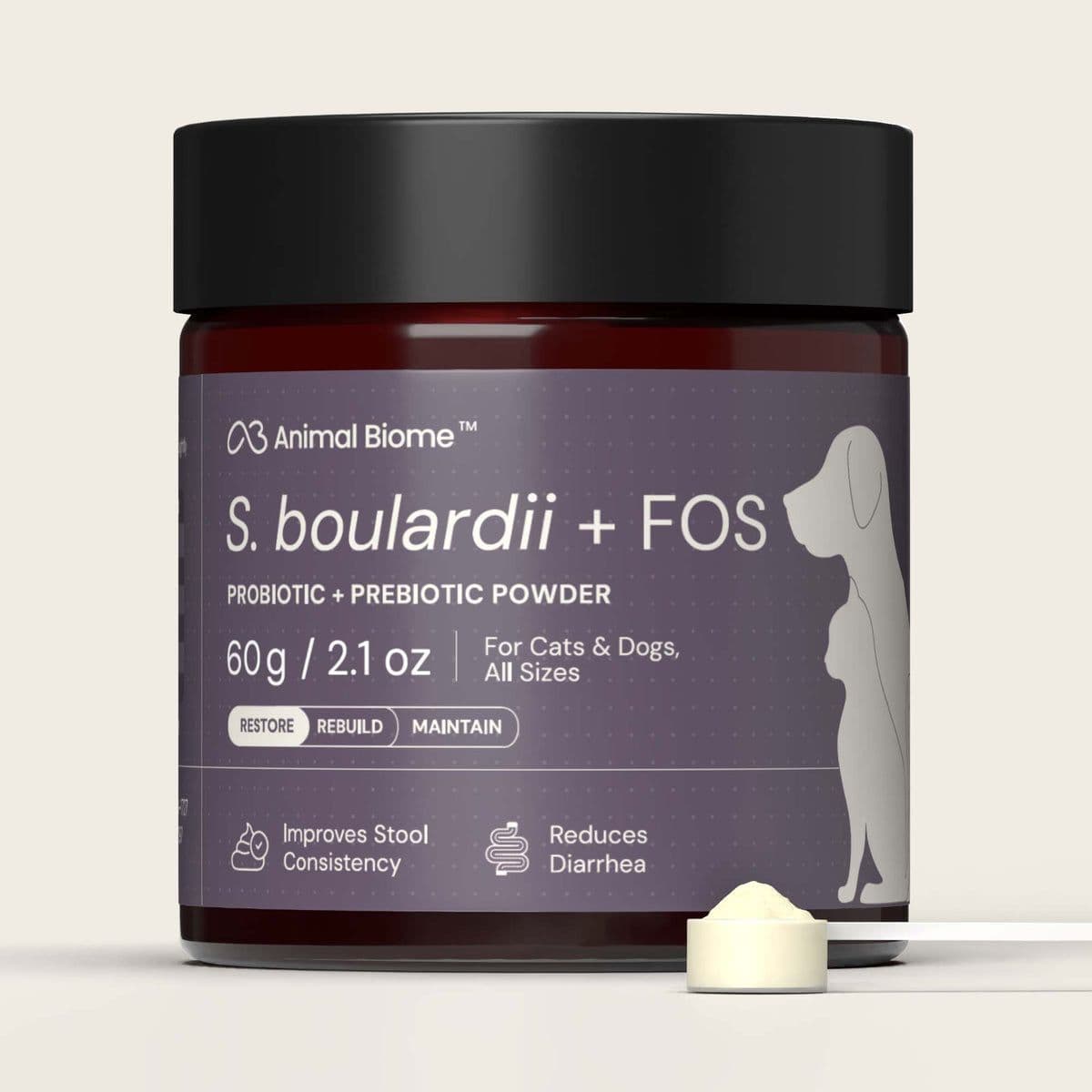
A yeast probiotic plus prebiotic fiber for product-specific digestive support.
Webvet may earn a commission when you click through to Animal Biome, at no extra cost to you.
For a stable dog whose recovery plan includes digestive support, Animal Biome S. boulardii + FOS Powder combines probiotic yeast with prebiotic fiber. Animal Biome describes the formula as supporting stool consistency and microbiome balance within an appropriate care plan.
What to do when your dog comes home with diarrhea

What stops diarrhea quickly depends on the cause. Removing an unfamiliar treat may help one dog, while another needs treatment for a parasite or another illness. There is no single home remedy that safely resolves every case.
Treatment may involve a digestible veterinary diet, prescribed medication for an identified parasite, or fluids when dehydration develops. These address different problems and are selected from the examination and history. For a stable dog, consistent supportive care is more useful than repeatedly adding remedies. Judge improvement by fewer urgent trips and progressively firmer stools, not simply a longer interval between accidents.
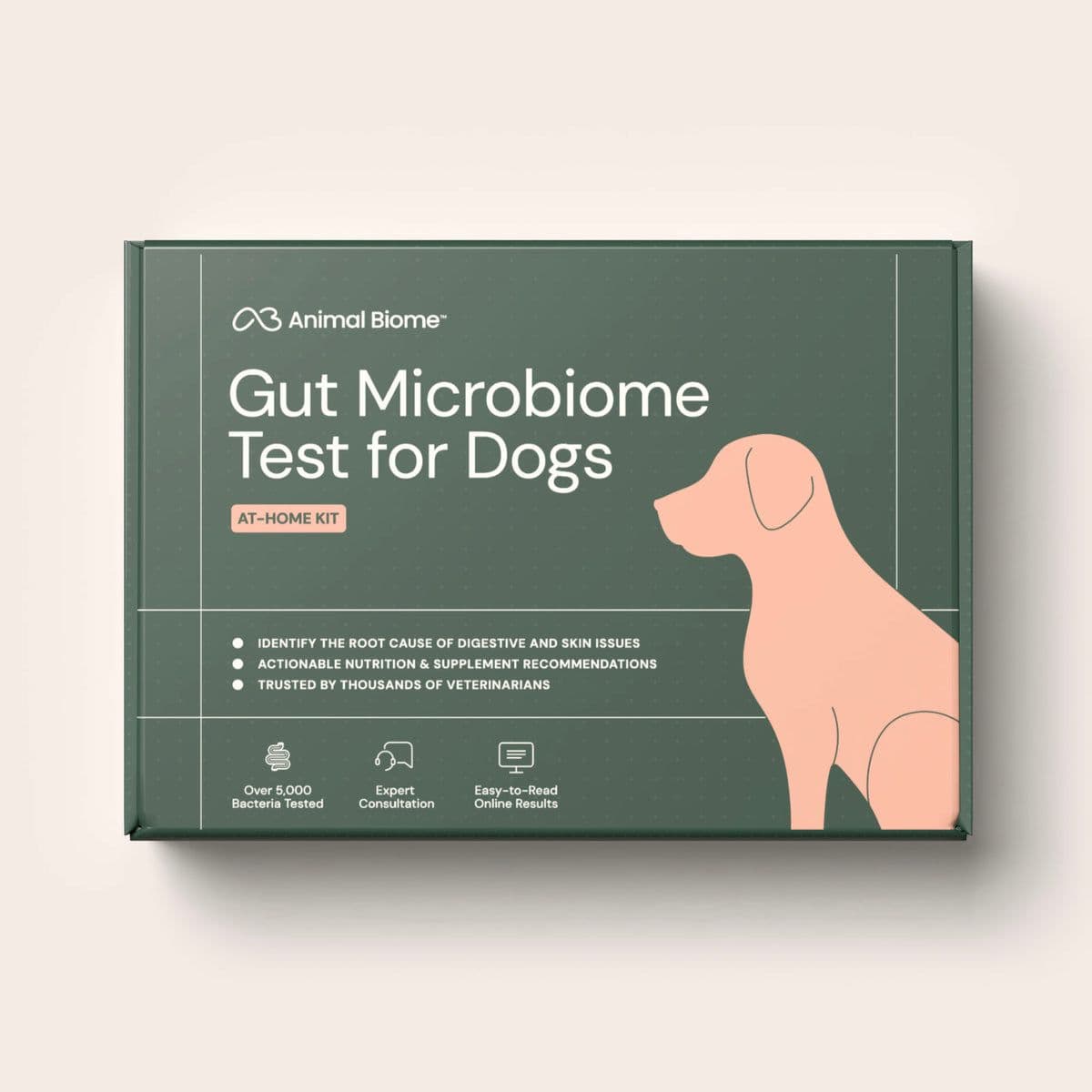
Bacterial microbiome profiling for an informed ongoing support discussion; not a parasite diagnostic test.
Webvet may earn a commission when you click through to Animal Biome, at no extra cost to you.
For an otherwise comfortable, alert dog, begin with a veterinarian-approved feeding plan and a simple routine. If you already have instructions for this dog’s digestive flare-ups, follow those rather than improvising a new combination of foods and supplements.
- Keep fresh water accessible. Withholding water to reduce accidents can worsen dehydration; seek individualized advice if your dog cannot keep water down.
- Offer frequent toilet trips and a quiet resting space.
- Avoid rich treats, table scraps, and sudden changes between several foods.
- Record each loose stool, appetite, drinking, vomiting, and energy level.
- Ask the clinic how to collect and store a stool sample if an appointment is arranged.
A prescribed gastrointestinal diet may be appropriate. Homemade bland meals are not nutritionally complete for ongoing feeding, and familiar ingredients can still be unsuitable for a dog with a food intolerance. Avoid automatic fasting, particularly for puppies or dogs with medical conditions.
Do not give human antidiarrheal medicines unless specifically directed for your dog. Our guide to dog diarrhea causes and care explains the broader decisions behind treatment.
If loose stools repeatedly return, a bacterial microbiome profile can add context to an established digestive assessment. The Animal Biome Gut Microbiome Test for Dogs uses a mailed stool sample to describe bacterial composition, giving owners a report to discuss alongside their dog’s history.
Stress colitis after a kennel stay
Stress colitis describes inflammation of the colon associated with a stressful event. The colon normally helps absorb water and store stool. When irritated, it can produce an urgent need to defecate even when little stool remains.
Typical signs of stress colitis in dogs include:
- Frequent, small bowel movements.
- Straining or repeated attempts to pass stool.
- Mucus coating the stool.
- Small amounts of fresh red blood.
Those signs suggest large-bowel involvement, but they do not establish that stress is responsible. Parasites, dietary problems, and other inflammatory conditions can cause a similar pattern. The MSD Veterinary Manual’s colitis guidance emphasizes history, examination, and fecal evaluation when investigating colitis.
Treatment depends on the findings and may include a suitable diet and targeted care. Repeated episodes deserve a plan beyond assuming your dog dislikes boarding. Our guide to stress colitis in dogs explains the signs and treatment options in more detail.
 Sponsored
Vet care that's always there
Unlimited video calls and messaging with licensed vets for less than a typical vet visit. One membership covers up to five pets.
Use code Pets60
Plans start at $12/month · covers up to 5 pets
- Licensed vets in most states
- Rx for 150+ conditions
- 4.7 on Trustpilot
When vomiting, blood, or weakness needs prompt care
A dog who comes home from boarding with diarrhea and vomiting needs closer attention than a dog with loose stool alone. Losing fluid through both routes increases the risk of dehydration. Repeated throwing up, especially when water will not stay down, warrants prompt veterinary advice.
Do not assume a lethargic dog is simply tired after playing. Marked weakness, difficulty standing, unusual unresponsiveness, or obvious abdominal discomfort changes the urgency. A dog who seems to be deteriorating should be assessed without waiting for the boarding facility to return your call.
Seek prompt guidance for:
- Bloody diarrhea, especially substantial blood or repeated episodes.
- Black, tarry stool.
- Repeated vomiting or an inability to retain water.
- Loss of appetite with worsening energy or discomfort.
- Persistent diarrhea beyond a day or two, recurring episodes, or worsening illness even sooner.
A small streak of red blood can occur with colitis, but appearance alone cannot establish severity. Describe the amount and your dog’s behavior rather than deciding that all blood is either harmless or catastrophic. Puppies, frail seniors, and dogs with existing disease need a lower threshold for contact.
What to ask the boarding facility

Contact the facility with a factual request: your dog has diarrhea, and you are assembling the history. Ask staff to provide the care log rather than a general impression that the stay went well. An exact food and treat record can reveal a change that nobody initially considered important.
The first loose stool matters because it establishes the timeline. Symptoms beginning during the stay, on the journey home, or the following morning are different observations, although none proves the cause. Also ask whether meals were finished and whether vomiting occurred.
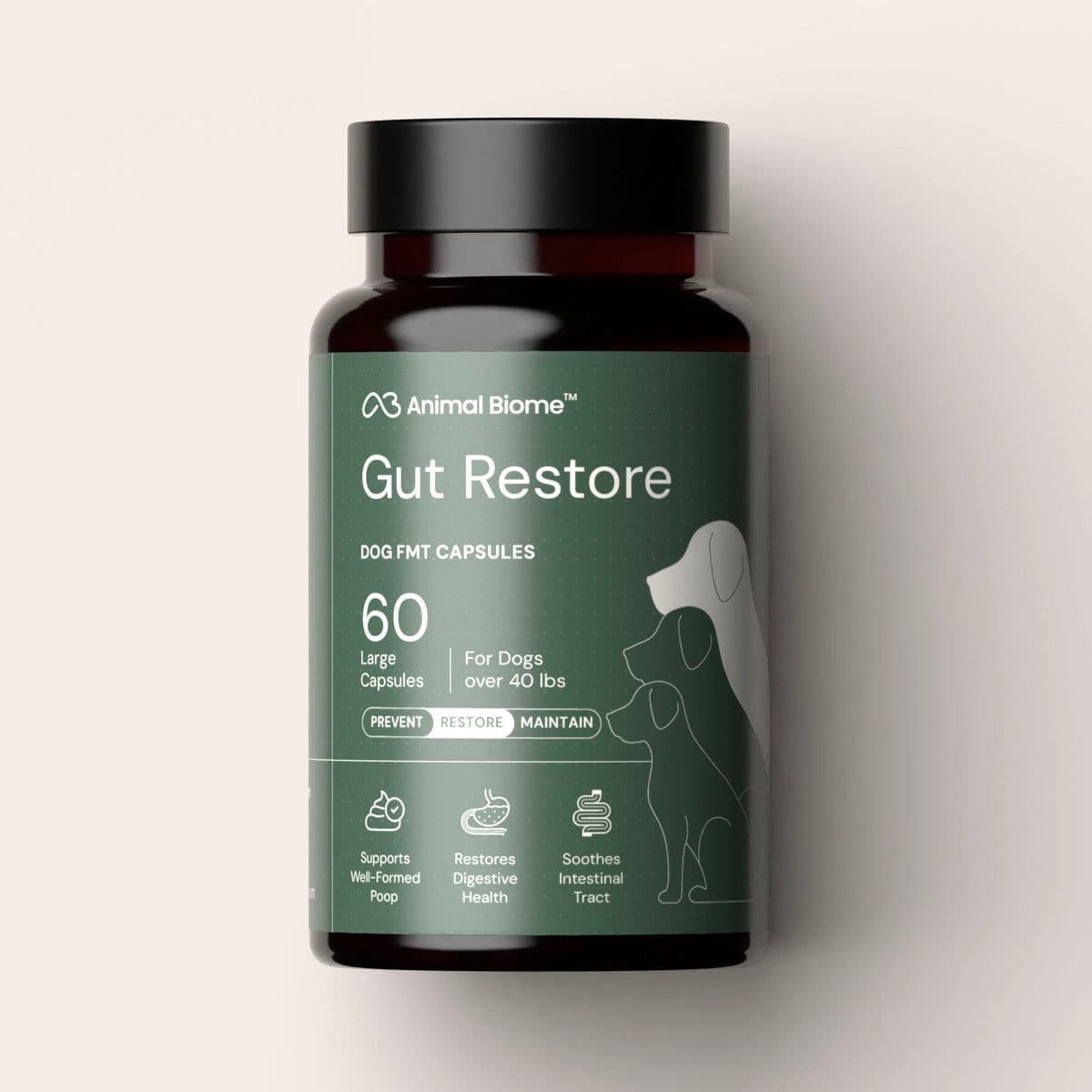
Species-specific microbial restoration for an appropriate veterinary-guided plan.
Webvet may earn a commission when you click through to Animal Biome, at no extra cost to you.
| Information requested | Why it matters | What to tell your veterinarian |
|---|---|---|
| Time of the first loose stool | Establishes when the problem began | Date, approximate time, and whether stools changed afterward |
| Food and treat record | Identifies new ingredients, amounts, or accidental access | Brand, portion, treats, chews, and any substitutions |
| Medicines and supplements given | Reveals missed doses or recent additions | Product names, amounts, and administration times |
| Appetite, drinking, and vomiting | Describes the illness beyond stool appearance | What staff observed and when |
| Other dogs with diarrhea | Helps assess possible shared exposure | What the facility can confirm without identifying other clients |
Include practical details staff may remember:
- Whether your dog scavenged, escaped into food storage, or chewed unfamiliar objects.
- Whether a usual medication was missed, changed, or difficult to administer.
- Whether the facility noticed an unusual number of digestive illnesses.
Keep the response with your own notes and share it with the clinic. You do not need to settle responsibility before helping your dog.
According to its product information, Animal Biome Gut Restore for Dogs contains screened canine fecal-derived microbes and is designed for microbiome restoration. That recovery role is separate from documenting the exposure history or treating an identified infection.
How your veterinarian checks for infection and other causes
An examination helps assess hydration, discomfort, and whether the problem appears limited to the digestive tract. Fecal parasite testing may be appropriate after boarding, especially with persistent diarrhea or a plausible exposure history. Depending on the findings, the veterinarian may recommend blood tests or imaging rather than relying on stool testing alone.
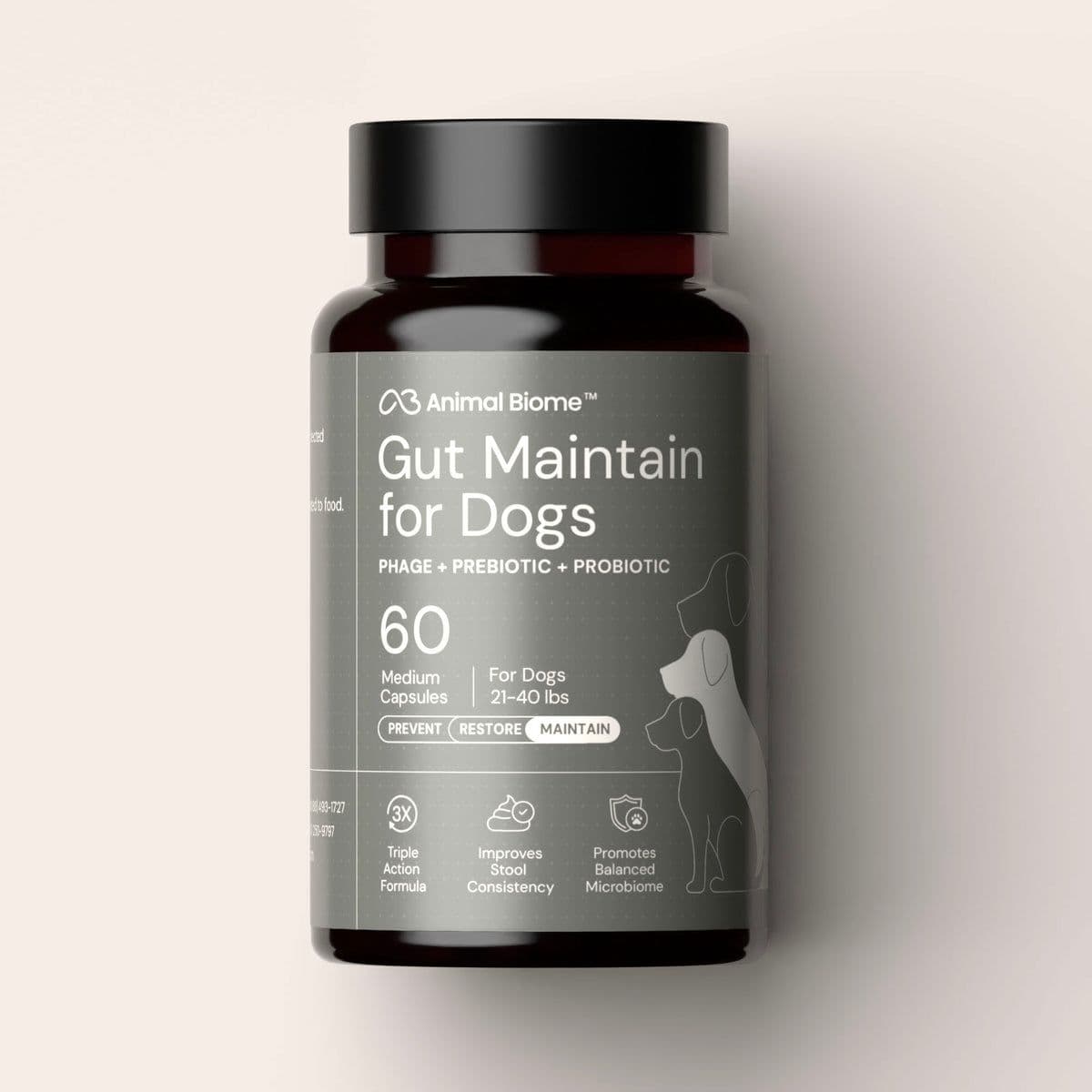
Daily microbiome maintenance after the immediate concern is addressed.
Webvet may earn a commission when you click through to Animal Biome, at no extra cost to you.
Giardia can cause intermittent or persistent diarrhea, sometimes with mucus, flatulence, or weight loss. Some infected dogs have no obvious signs. Neither smell nor stool color reliably identifies it. Our guide to Giardia symptoms and testing explains what the parasite investigation involves.
Veterinary parasite testing looks for evidence of the parasites being tested. Microbiome profiling examines the types and proportions of bacteria in the sample. Supportive products have a separate recovery role. A bacterial community profile can inform that discussion, but it does not rule out infection or diagnose worms, Giardia, food allergy, or digestive enzyme deficiency.
| Assessment | Question it helps answer | Next decision and limitation |
|---|---|---|
| Clinical parasite testing | Is there evidence of Giardia or another tested intestinal parasite? | Interpret the chosen tests with symptoms and exposure history; further sampling may be appropriate |
| Bacterial community profile | Which bacteria are present and how does their composition compare with reference samples? | Discuss microbiome support alongside clinical findings; this does not rule out infection |
| Examination and additional diagnostics | Is dehydration, obstruction, pancreatic disease, or another illness a concern? | Select treatment or additional testing according to the whole dog, not one stool result |
Once symptoms are controlled, Animal Biome Gut Maintain for Dogs is designed for ongoing microbiome support and occasional soft stools. Its maintenance role differs from a diagnostic workup or a restoration plan.
Which infections can spread around boarded dogs?
Dogs in kennels or daycare can encounter gastrointestinal infections such as giardiasis and canine parvovirus, as well as respiratory infections. Exposure can occur through contaminated feces or environments, depending on the organism. This is a list of possibilities, not a diagnosis of your dog or evidence that a particular facility caused the illness. The Companion Animal Parasite Council describes Giardia transmission and testing; the relevant clinical checks depend on symptoms, age, vaccination and parasite-prevention history, and exposures.
Dogs can also encounter respiratory infections in group settings. Coughing after boarding is a different clue from diarrhea, even when both occur during the same period. Report respiratory signs instead of treating every post-boarding illness as one condition. Until you have guidance, avoid daycare and shared dog areas, promptly collect feces, and wash your hands after cleanup.
Where microbiome support fits during recovery
Microbiome support is most useful when it has a defined purpose. That might be improving stool consistency during recovery, understanding recurring digestive patterns, or maintaining a settled routine. The best choice depends on the dog and the formulation, as our guide to probiotics for dogs with diarrhea explains.
The four Animal Biome options have distinct roles:
- S. boulardii + FOS Powder: combines Saccharomyces boulardii, a probiotic yeast, with fructooligosaccharides, a prebiotic fiber.
- Gut Microbiome Test for Dogs: provides a bacterial profile that can inform a longer-term digestive discussion.
- Gut Restore for Dogs: supplies a community of screened canine fecal-derived microbes for an appropriate restoration plan.
- Gut Maintain for Dogs: offers routine support for dogs whose digestive symptoms are relatively well controlled.
The current powder label identifies strain CNCM I-3799 and provides its own scoop-based directions. Follow that product’s label and your dog’s plan rather than borrowing a dose from another probiotic. Studies of different strains or formulas do not establish identical results.
Animal Biome describes Gut Restore for Dogs as a preparation of screened donor microbes, distinct from a conventional single-strain probiotic. Its label directs owners to give the delayed-release capsules whole. These options are not a requirement to use four products together. Choose a defined approach and record what changes so its usefulness can be assessed.
Preparing for the next boarding stay
A next-stay plan should reflect what you learned from this episode, without assuming all post-boarding diarrhea has the same cause. Explain your dog's normal routine and what staff should do if it changes.
Prepare:
- Enough familiar food, with measured portions and written feeding instructions.
- An approved treat list, including foods and chews to avoid.
- Clear medication instructions and your veterinarian’s contact details.
- A description of your dog’s usual stool pattern and any previous digestive episodes.
- Instructions for contacting you and arranging care if symptoms develop.
- An appropriate vaccination and parasite-prevention plan agreed with your veterinarian.
Ask how the facility records appetite and stools, handles dogs with diarrhea, and accommodates a sensitive dog’s routine. Consistency can remove avoidable food changes, although it cannot guarantee that no illness will occur. If an infection was diagnosed, confirm when your dog can safely return to group care rather than using the disappearance of visible diarrhea as the only criterion.
Questions about recovery after boarding
Frequently Asked Questions
Can overexertion cause diarrhea in dogs?
Excessive exertion, excitement, and stress may accompany digestive upset, but a busy boarding play schedule does not prove why your dog has diarrhea. Ask how activity compared with home, including rest periods and exposure to heat. Reduce activity while your dog recovers, but avoid explaining away weakness or persistent symptoms as tiredness. Heavy panting that does not settle, collapse, or other signs of heat illness need urgent veterinary attention.
What if my dog has diarrhea but still eating and drinking?
A normal appetite and continued drinking are reassuring observations, but they do not exclude parasites or another digestive problem. Track whether the continued loose stools are becoming less frequent and more formed, rather than judging recovery from enthusiasm for food alone. Contact your clinic if diarrhea persists beyond a day or two, recurs, or comes with additional signs. Cornell’s guidance recommends assessment for persistent diarrhea even when some cases initially seem mild.
Can one negative stool test rule out Giardia after boarding?
No. Intermittent shedding can make Giardia harder to detect in a single sample, and different tests identify different evidence of infection. The Companion Animal Parasite Council recommends an appropriate combination of tests for symptomatic dogs and notes that repeat stool testing over several, usually alternating, days may be necessary. Follow the clinic’s collection instructions rather than assuming a negative result answers every parasite question.
Should I start a new probiotic just before the next boarding stay?
Prefer a trial at home within a veterinarian-approved plan, allowing time to observe tolerance before your dog’s routine changes. Starting a new supplement at drop-off makes it harder to tell whether later stool changes relate to the product, food, or boarding experience. Use the selected product consistently and record any response. There is no universal number of pre-boarding days that suits every dog or formulation.
Veterinarian · BVMS MRCVS
Dr. Pippa Elliott, BVMS, MRCVS, is a veterinarian with nearly 30 years of experience in companion animal practice. Dr. Elliott earned her Bachelor of Veterinary Medicine and Surgery from the University of Glasgow. She was also designated a Member of the Royal College of Veterinary Surgeons. Married with 2 grown-up kids, Dr. Elliott has a naughty Puggle named Poggle, 3 cats and a bearded dragon.
Related reading

Dog Diarrhea at Night: Why It Happens and What to Do

Gastroenteritis in Cats: Symptoms, Causes, Treatment, and When to See a Vet

Gastroenteritis in Dogs: Symptoms, Causes, Treatment, and Recovery Time
