Colitis in Dogs: Symptoms, Causes, and Treatment
Colitis causes urgent, frequent, mucus-coated stools in dogs. Learn the warning signs, diagnostic steps, treatment options, microbiome support, and recovery plan.

BVMS MRCVS
Medically reviewed by Dr. Pippa Elliott, BVMS MRCVS · Last reviewed

This article contains affiliate links. Webvet may earn a commission when you buy through them, at no extra cost to you.
Colitis in dogs means inflammation of the colon, the final section of the intestinal tract. Because the colon stores stool and absorbs water, inflammation there creates a recognizable large-bowel pattern: a dog may need to go outside repeatedly, pass only a small amount each time, strain, and produce stool coated with mucus or streaked with fresh red blood. The sight can be alarming, but many dogs recover well once the cause is identified and the care plan matches it.
Colitis is not one single disease or a diagnosis to make from a photograph. Stress, a sudden food change, parasites, infection, a food-responsive condition, chronic inflammatory disease, and other problems can produce similar signs. A veterinarian uses the dog's history, physical exam, stool testing, and sometimes bloodwork, imaging, a structured diet trial, or intestinal biopsies to separate those possibilities.
Treatment may involve hydration, a carefully selected diet, fiber, parasite control, medication, or management of an underlying disease. Microbiome testing and support can add useful information or help restore gut balance in an appropriate case, but they belong after urgent and infectious causes have been addressed. They do not replace veterinary diagnosis or cause-specific treatment.
Symptoms of colitis in dogs
Colitis in dogs is inflammation of the colon that most often causes frequent, urgent, small-volume stools, mucus, straining, and sometimes fresh red blood. Tenesmus means repeated straining or the feeling that more stool needs to pass even when little comes out. That direct answer helps identify a large-bowel pattern, but the veterinary next step is to assess the whole dog and determine the cause rather than diagnosing colitis from stool appearance alone.
- 1Colitis usually causes frequent, urgent, small-volume bowel movements, straining, mucus, and sometimes fresh red blood.
- 2A large-bowel pattern helps localize the problem, but veterinary diagnosis is needed to identify the cause.
- 3Call a veterinarian promptly for repeated blood, black stool, vomiting, weakness, pain, dehydration, appetite loss, or diarrhea in a puppy, senior, or medically fragile dog.
- 4Diet, fiber, medication, and microbiome support are not interchangeable; the supportive care boundary is the veterinarian's cause-specific treatment plan.
- 5Do not give human antidiarrheal drugs, leftover antibiotics, or a severely restricted homemade diet unless a veterinarian specifically directs it.
The most typical symptoms of colitis in dogs reflect irritation of the large intestine. Dogs often ask to go out more frequently and may appear unable to wait. They squat several times, strain after producing stool, or pass many small bowel movements instead of one normal one. The stool may begin formed and become softer as the walk continues.
Common signs include:
- frequent trips outside or accidents in a previously house-trained dog;
- urgency and repeated squatting;
- small amounts of soft or loose stool;
- mucus that looks clear, shiny, or jelly-like;
- bright red blood on the surface of the stool;
- straining, also called tenesmus;
- gas, abdominal discomfort, or restlessness;
- licking around the anus after a bowel movement.
Fresh red blood, called hematochezia, often comes from the colon or rectum. It is different from black, sticky, tar-like stool, which may represent digested blood from higher in the gastrointestinal tract and warrants prompt veterinary attention. A large amount of red blood, blood that recurs, or blood paired with weakness or pale gums also deserves urgent care.
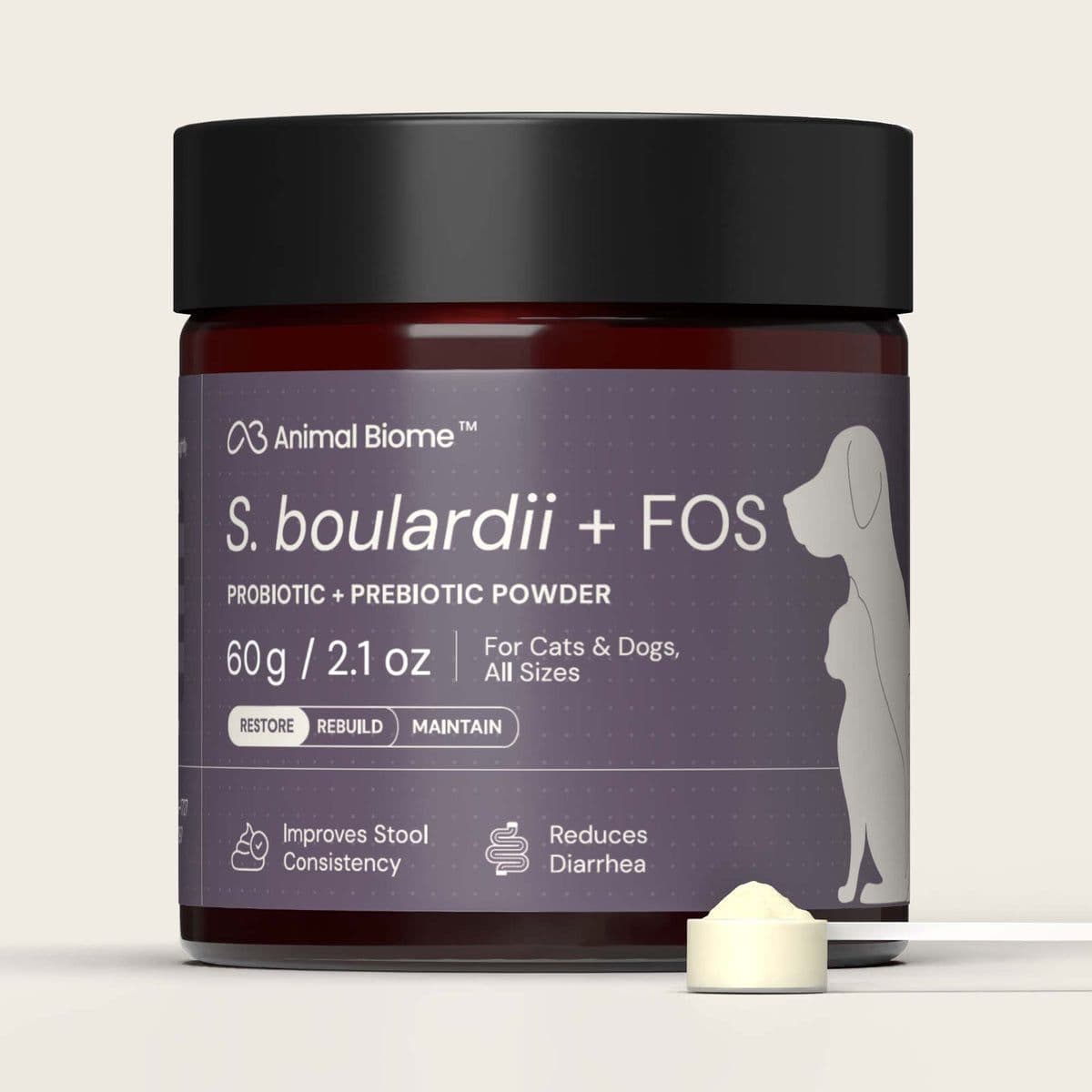
Antibiotic-resistant probiotic yeast paired with prebiotic FOS; supports stool consistency and helps reduce diarrhea in cats and dogs, including during antibiotic courses.
Webvet may earn a commission when you click through to Animal Biome, at no extra cost to you.
Vomiting, marked appetite loss, and weight loss are less characteristic of a simple short episode of colitis. When they occur, the veterinarian considers disease affecting more than the colon or a dog whose condition is becoming more serious. The Merck Veterinary Manual's overview of colitis in small animals likewise emphasizes that large-bowel signs help localize inflammation while diagnostic testing establishes why it is happening.

What colitis poop in dogs can look like
Colitis stool can be soft, partially formed, or watery. The more useful clues are often frequency, volume, mucus, blood, and straining rather than consistency alone. Take a photograph, note how many times the dog tried to defecate, and save a fresh sample in a clean container if the clinic asks for one. Do not rely on color or appearance to distinguish stress colitis from parasites, bacterial disease, or chronic inflammation.
Colitis compared with small-intestinal diarrhea
Large-bowel diarrhea tends to be frequent and small in volume, with urgency, mucus, and fresh blood. Small-intestinal diarrhea is more likely to produce a larger volume per bowel movement and may be associated with weight loss or dark digested blood. Dogs can have mixed disease, so this distinction guides the workup rather than replacing it. WebVet's broader guide to a dog with diarrhea explains other patterns and home observations worth reporting.
Causes, types, and prognosis
Veterinarians may describe colitis as acute when it begins suddenly and has been present for a short period, or chronic when it persists, returns, or is accompanied by longer-term gastrointestinal signs. This timeline matters because an otherwise bright adult dog after a stressful event has a different risk profile from a dog with weeks of blood, weight loss, poor appetite, or repeated treatment failures.
Common causes include stress, abrupt diet change, scavenging, intestinal parasites, infection, medication effects, food-responsive disease, and chronic inflammatory conditions. Stress colitis in dogs treatment still begins with a risk check and cause-based plan, not an assumption that stress explains every episode. Acute colitis often improves once the trigger is removed and hydration is protected. Chronic, ulcerative, contagious, or breed-associated concerns need a more complete workup. Prognosis and life expectancy depend on the underlying disease and treatment response rather than the word colitis alone.
Use the pattern to frame the next question:
- Sudden and mild: Look for a recent exposure, protect hydration, and confirm the expected recovery window with the clinic.
- Recurring or persistent: Build a structured history and workup instead of repeating short-term remedies.
- Systemic or contagious concern: Isolate the dog when advised and prioritize veterinary testing, treatment, and household precautions.
Stress-induced colitis can be short-lived, but how long colitis lasts in dogs depends on the cause. Boxer dogs can develop a specific granulomatous form, while other dogs may have acute, chronic, or ulcerative disease. Most colitis is not contagious or fatal by itself, yet an infectious cause can spread and severe underlying illness can become dangerous. Those distinctions shape treatment and follow-up.
What can trigger colitis in dogs? Common triggers include stress, abrupt food changes, fatty or unfamiliar foods, scavenging, parasites, infection, adverse food reactions, medication, and chronic inflammatory disease. A trigger is not always the root cause. Boarding may precede diarrhea, for example, but the timing does not rule out whipworms or another condition that was already present.
Useful history includes everything the dog ate, new treats or chews, garbage access, travel, boarding, dog-park exposure, recent antibiotics or anti-inflammatory drugs, deworming history, and whether other pets or people are ill. Weight loss and earlier episodes also matter because they can move the case from short-term monitoring to a structured workup.
Acute colitis
An acute episode may follow boarding, travel, visitors, a frightening event, a sudden food change, rich treats, scavenging, or another disruption. Stress changes intestinal movement and signaling, but “stress colitis” should not become a label that closes the investigation too soon. Parasites, infection, toxins, medication effects, and dietary indiscretion can look similar.
Mild acute colitis can improve quickly with veterinary guidance and supportive care. If signs are severe, the dog is systemically unwell, or the problem does not follow the expected course, the veterinarian rechecks the diagnosis rather than simply repeating the same remedy.
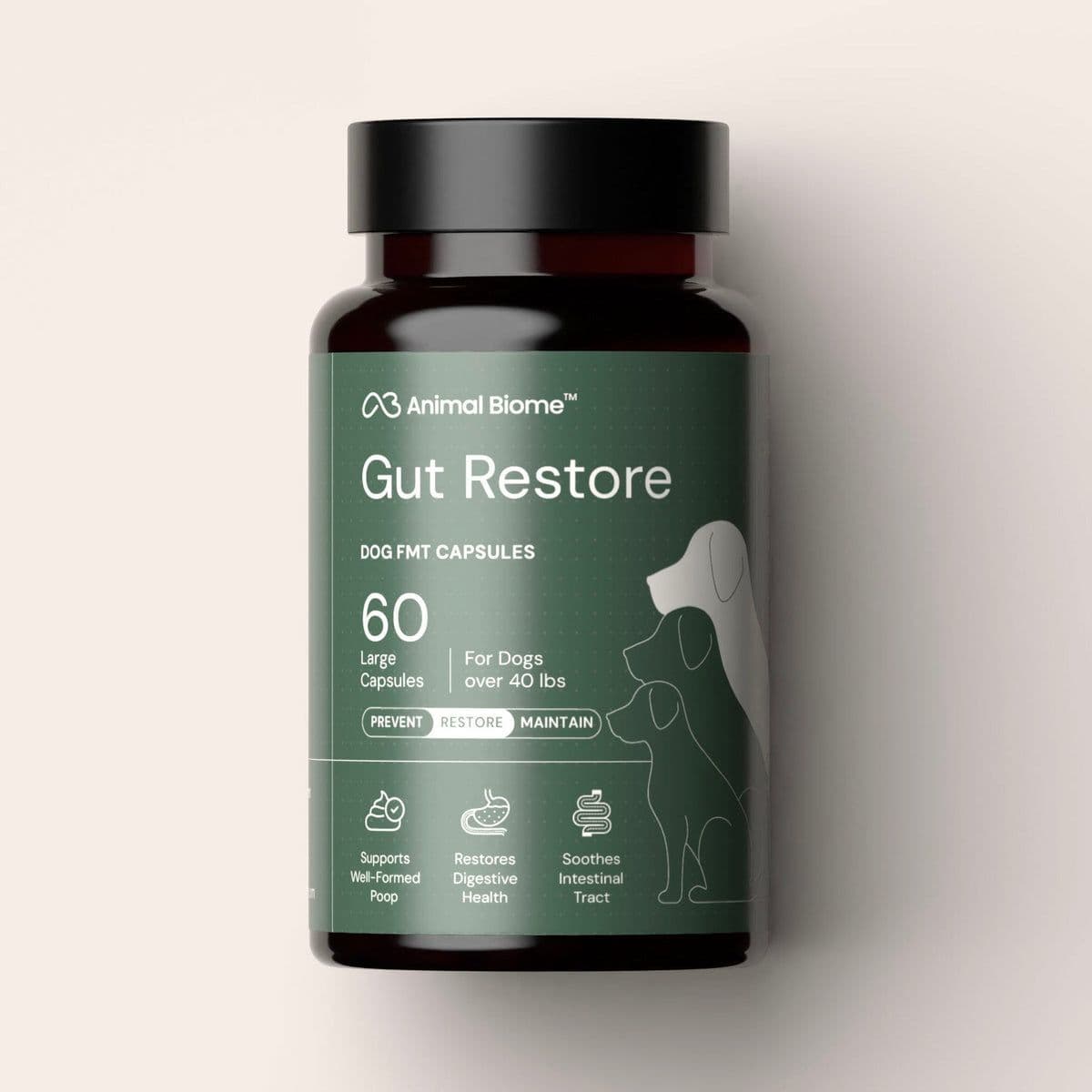
Veterinarian-developed oral fecal microbiota transplant (FMT) capsules that reintroduce a full community of dog-specific gut bacteria; used to support dogs with ongoing soft stools, diarrhea, or recovery after antibiotics.
Webvet may earn a commission when you click through to Animal Biome, at no extra cost to you.
Chronic or recurring colitis
Chronic colitis can be associated with food-responsive disease, parasites that were missed or reinfection, chronic inflammatory enteropathy, dysbiosis, immune-mediated inflammation, or less common structural and cancerous disease. Some Boxers and French Bulldogs develop granulomatous colitis, historically called histiocytic ulcerative colitis, which has a specific relationship with invasive bacteria and requires a precise diagnosis and treatment plan. It should not be treated as ordinary stress-related diarrhea.
Current veterinary language often places persistent inflammatory gastrointestinal disease under the broader category of chronic inflammatory enteropathy. The ACVIM consensus statement on canine chronic inflammatory enteropathy describes a staged approach that excludes other causes and classifies disease partly by response to interventions such as diet. That process is more useful than assuming every recurring loose stool is “IBD.”
How long colitis may last
How long colitis lasts in dogs depends on the cause and response to treatment. A mild stress-related episode may improve within a few days, while infectious, parasitic, food-responsive, or chronic inflammatory disease can last longer or recur. If you are wondering how long colitis in dogs lasts, use the veterinarian's expected checkpoint rather than a universal timeline; failure to improve by that checkpoint warrants reassessment.
For colitis in dogs, life expectancy is usually shaped by the underlying disease rather than colon inflammation alone. An otherwise healthy dog with a brief stress-related episode has a different outlook from a dog with granulomatous colitis, severe protein loss, or cancer. Diagnosis, treatment response, weight stability, and complications provide the useful prognosis.
Is colitis in dogs contagious?
Colitis itself is inflammation and is not contagious. However, some underlying causes can spread between animals or expose people, including certain parasites and infectious organisms. Pick up stool promptly, wash hands, prevent access to shared contaminated areas, and follow the veterinarian's cleaning and treatment instructions while testing is underway. Other pets in the household should not automatically receive the same medication; their veterinarian decides whether testing or treatment is needed.
 $65 · no membership
Worried about your dog's vomiting or diarrhea?
A licensed vet can examine your dog over video and prescribe treatment online when it's appropriate.
 Talk to a vet
- Licensed vets
- All 50 states
- same-day Rx
Webvet may earn a commission if you book.
How veterinarians diagnose colitis
The workup begins with triage. The veterinarian checks hydration, temperature, abdominal comfort, gum color, body condition, and whether the dog appears stable. A fecal sample may be examined for parasites or sent for antigen or molecular testing. Because shedding can be intermittent and no single test answers every question, the veterinarian may recommend repeat testing or targeted deworming based on exposure and risk.
The infectious and parasitic rule-outs matter because colitis describes inflammation, not its cause. Whipworms, Giardia, and selected bacterial infections can require testing or targeted treatment, and an initial negative result may not close every possibility when exposure risk and signs remain strong. The veterinarian may combine exposure history, fecal examination, antigen or molecular tests, repeat sampling, and appropriately selected parasite control instead of relying on stool appearance.
How tests narrow the cause
Blood and urine tests can identify anemia, dehydration, protein loss, inflammation, or organ disease that changes the treatment plan. Imaging may be helpful when pain, obstruction, a mass, or disease outside the colon is possible. Chronic or difficult cases may need a tightly controlled diet trial, additional gastrointestinal testing, or colonoscopy with biopsies. Histopathology can distinguish patterns of inflammation and help detect conditions that cannot be diagnosed from stool appearance.
Bring a medication list and avoid starting several new products before the appointment. If food, fiber, a probiotic, and an antidiarrheal are all introduced at once, improvement or deterioration becomes difficult to interpret.
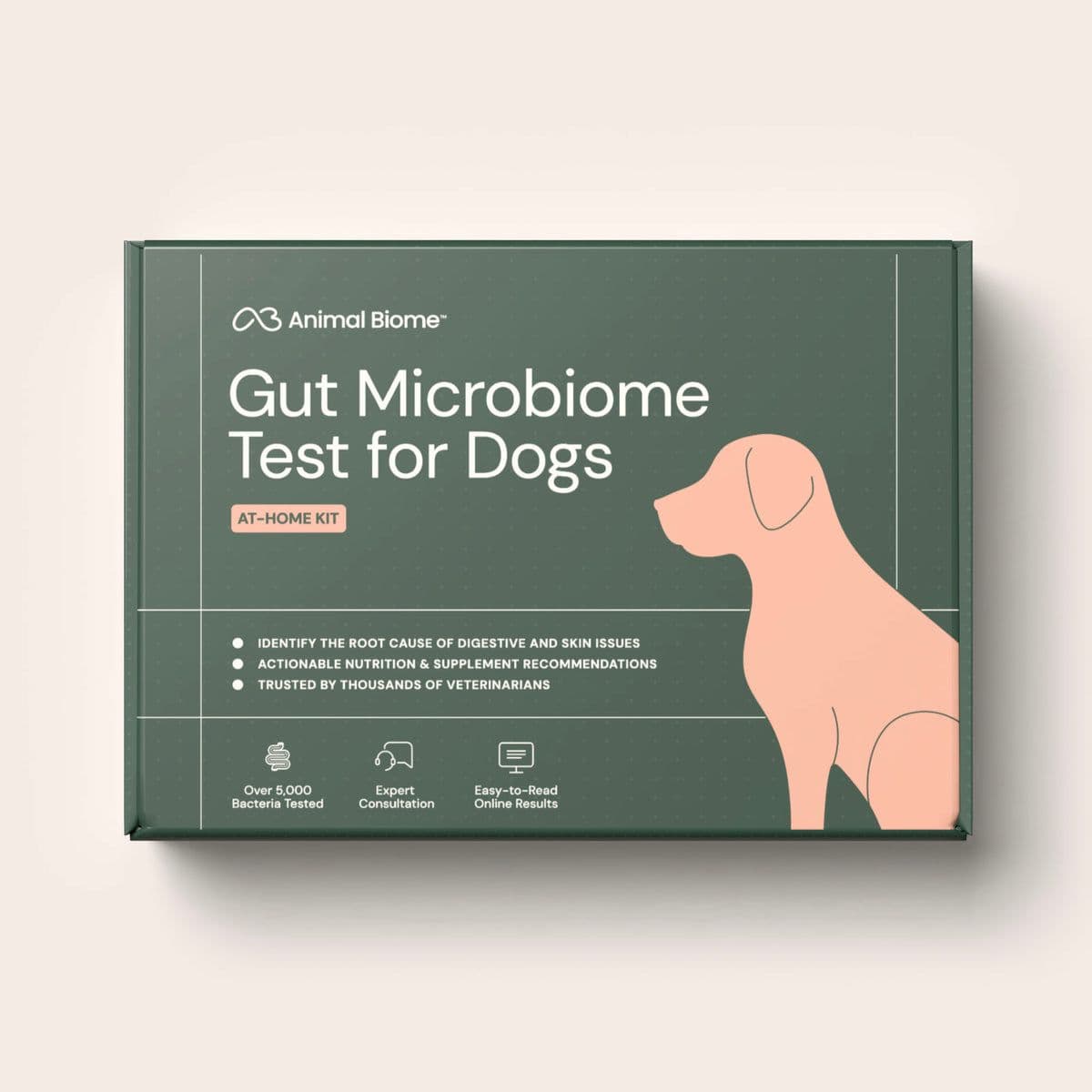
At-home gut microbiome test that sequences your dog's fecal bacteria and returns actionable diet and supplement recommendations, useful for chronic diarrhea, colitis, and IBD workups.
Webvet may earn a commission when you click through to Animal Biome, at no extra cost to you.
Treatment, diet, and microbiome support
Treatment for colitis in dogs is cause-specific. The goal is not merely to suppress diarrhea for a day; it is to restore hydration and comfort, remove or control the cause, and establish a follow-up plan that shows whether the colon is healing.
A complete treatment plan may combine fluids, a temporary or therapeutic diet, carefully chosen dietary fiber, parasite control, medication, and follow-up testing. Antibiotics are reserved for situations where the veterinarian identifies a reason to use them. Probiotics and microbiome support may be considered after urgent and infectious causes are addressed, with a defined goal and review point rather than as a universal cure.
To treat colitis in dogs, the veterinarian may change food, prescribe medication, use an antibiotic for a defined indication, recommend a specific diet or fiber, or add probiotics when the evidence and patient fit. No single product can cure every cause. The plan should state what is being treated and how response will be measured.
- Decision point: Urgent signs are assessed before optional diet, fiber, probiotic, or microbiome-support changes.

Hydration and supportive care
Water access is important, but a dog that is vomiting, refusing water, or losing fluid rapidly may need veterinary fluids rather than repeated home remedies. Keep a stool log with frequency, blood, mucus, appetite, vomiting, and energy level. This gives the veterinarian a clearer measure of change than “better” or “worse.”
Diet and dietary fiber
Some dogs benefit from a highly digestible diet, a hydrolyzed or novel-protein diet, a different fat level, or added fiber. The right choice depends on whether the episode is acute, whether a food-responsive condition is suspected, and whether disease affects only the colon. Soluble and insoluble fibers behave differently, and more fiber is not automatically better.
If the veterinarian prescribes a formal diet trial, feed only the designated food and approved rewards for the full period. Flavored medications, dental chews, table scraps, and another pet's food can invalidate a strict trial. WebVet's guide to dog food for sensitive stomachs covers broader food-selection questions; a dog with diagnosed or recurring colitis still needs an individualized veterinary recommendation.
Medication and parasite treatment
Antiparasitic treatment is selected for the organism or risk. Anti-inflammatory or immune-modifying medication may be considered for confirmed chronic inflammatory disease. Antibiotics are appropriate in specific bacterial conditions and in some systemically ill patients, but they are not a universal colitis treatment. Leftover metronidazole or another antibiotic can complicate testing, cause adverse effects, and alter the microbiome without addressing the real cause.
For a focused medication reference, see WebVet’s vet-reviewed Metronidazole for Dogs: Uses, Dosage, and Warning Signs guide, including the dosage, side effects, and safety questions to confirm with your veterinarian.
Never give loperamide, bismuth, pain relievers, or another human medicine without veterinary direction. Breed-related drug sensitivity, interactions, obstruction, infection, and the dog's overall health can change the safety decision.
Probiotics and microbiome support
The intestinal microbiome participates in digestion, barrier function, and immune signaling. Colitis and its treatments can occur alongside microbial disruption, but “support the microbiome” is not a substitute for identifying parasites, infection, food response, or chronic inflammatory disease.
Evidence for probiotics in canine gastrointestinal disease is product- and condition-specific. A systematic review of probiotics for dogs and cats with gastrointestinal disease found a varied evidence base rather than proof that every probiotic works for every form of diarrhea. Choose a product for a defined reason, check storage and label directions, and agree with the veterinarian on what outcome and timeline will determine whether it is helping. WebVet's dedicated guide to probiotics for dogs with diarrhea explains why strain identity and clinical context matter.
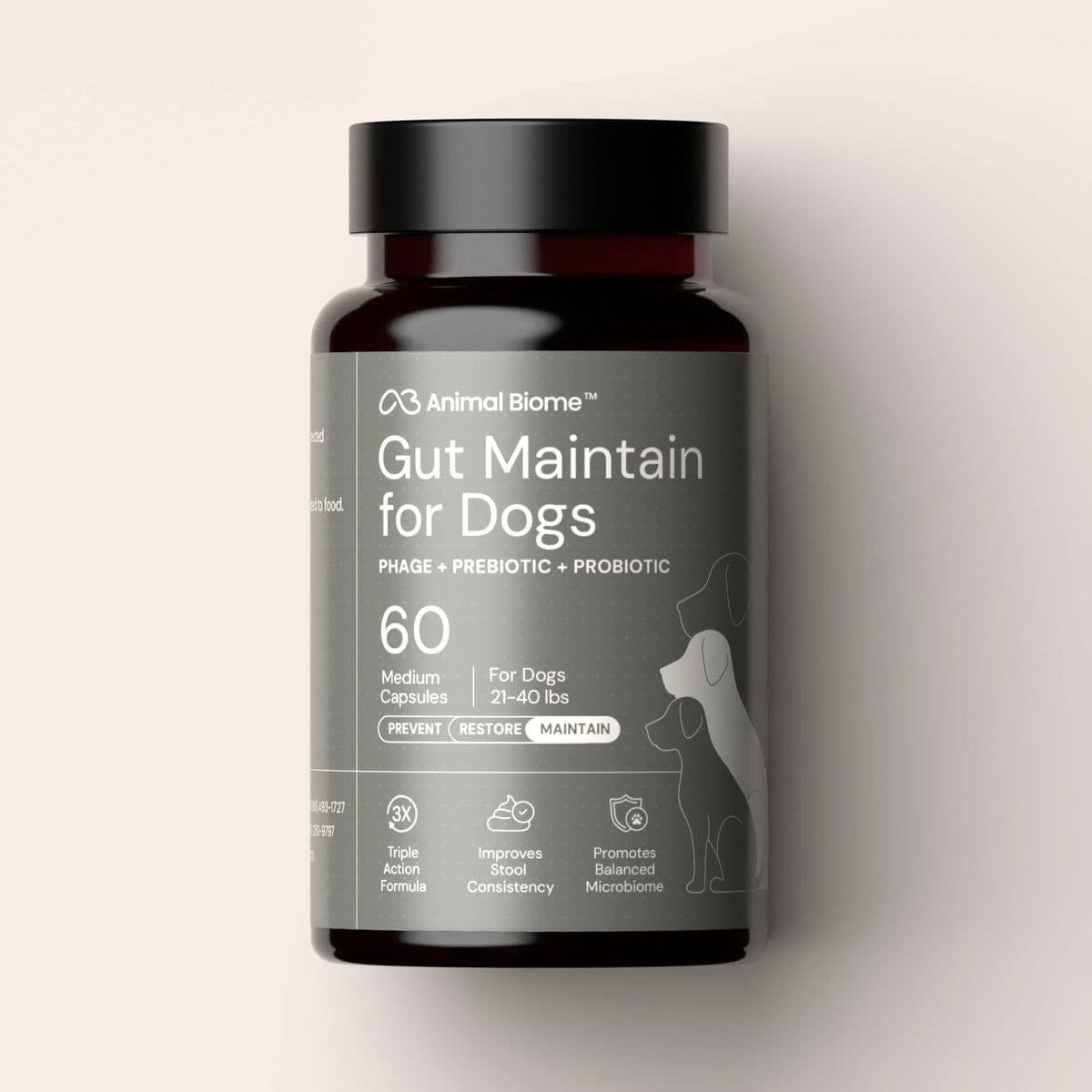
Triple-action phage, prebiotic, and probiotic capsules for everyday maintenance of a balanced gut microbiome once a dog's digestive flare has settled.
Webvet may earn a commission when you click through to Animal Biome, at no extra cost to you.
How microbiome support is limited
Careful limits for microbiome support keep the plan constructive: testing can describe selected bacterial patterns, and a restoration product may support recovery, but neither identifies every cause of colitis nor replaces fluids, parasite control, diet trials, medication, or follow-up. Stop and contact the veterinarian if signs worsen during any adjunctive trial.

How testing and restoration differ
Animal Biome's Gut Microbiome Test for Dogs profiles bacteria in a submitted stool sample and can support a baseline or follow-up discussion. It does not diagnose colitis on its own, rule out urgent disease, or replace fecal testing for infectious causes. The value of a result depends on the clinical question it is meant to answer.
Animal Biome's Gut Restore for Dogs is a canine-derived fecal microbiota transplant product in delayed-release capsules. It offers a distinct restoration approach rather than a conventional single- or multi-strain probiotic. In a dog with recurring signs or meaningful microbiome disruption, it may be a useful adjunct to discuss after the veterinarian has addressed urgent and infectious causes and established the main treatment plan. The dog's diagnosis, immune status, medications, and stability should guide that conversation.

Colitis pattern, triage, and treatment matrix
This original WebVet colitis triage matrix turns observations into a triage level, veterinary next step, and review checkpoint. It is a decision aid, not a diagnosis: two dogs with similar stool can need different testing or treatment because age, hydration, exposures, medications, and overall condition change the risk. The clear veterinary red flags in the urgent row include repeated blood, black stool, vomiting, weakness, pain, pale gums, dehydration, or rapid decline; those signs move the triage level from planned monitoring to prompt veterinary assessment.
| Colitis pattern | Triage level | Veterinary next step | What may fit, and what to avoid |
|---|---|---|---|
| Sudden urgency and mucus in an otherwise bright adult dog | Contact the clinic for same-day guidance | Review food, stress, parasite risk, hydration, and the expected review checkpoint | Use only the advised diet and hydration plan; avoid rich food, abrupt switches, and human antidiarrheals |
| Repeated blood, black stool, vomiting, weakness, pain, pale gums, or dehydration | Prompt or emergency assessment | Examination, fluids, fecal testing, bloodwork, or imaging as indicated | Do not delay care for pumpkin, probiotics, leftover antibiotics, or a home bland diet |
| Signs that recur, persist, or accompany weight loss | Structured chronic-disease workup | Separate parasites, infection, food response, chronic enteropathy, and structural disease | Keep one prescribed diet trial interpretable; avoid table scraps, mixed-protein treats, raw food, and flavored extras |
| Stable dog beginning an adjunctive gut-support trial | Planned follow-up | Define the product goal, start date, response measures, and stop rule | Keep the main treatment stable and change one optional variable at a time |
What do I give my dog for colitis? Give only the diet, hydration support, fiber, medication, or microbiome product that fits the veterinarian's working diagnosis. There is no universal home cure because stress, parasites, infection, food-responsive disease, and chronic inflammation require different plans.
What not to feed a dog with colitis? Avoid anything outside the veterinary plan while signs are active or a diet trial is underway. What not to feed dogs with colitis? The same rule applies across dogs, but the exact exclusions depend on the diagnosis and nutritional plan. Common problems include rich or fatty table food, abrupt food changes, unfamiliar treats, bones, scavenged food, raw animal products, unbalanced homemade recipes, mixed-protein treats, and flavored supplements. Fiber, pumpkin, and probiotic foods are not automatically appropriate because dose, fiber type, calories, ingredients, and the underlying disease matter.
The Merck Veterinary Manual's guidance on nutrition in disease management supports matching the nutritional strategy to the disease and individual rather than treating food as a generic remedy.
Recovery and follow-up plan
Will dog colitis go away on its own? A mild, uncomplicated acute episode may settle after the trigger passes, but stool appearance cannot confirm that a case is uncomplicated. Contact the veterinarian for advice when there is blood, repeated urgency, or no clear improvement, and seek prompt care for black stool, repeated vomiting, weakness, pale gums, pain, dehydration, rapid decline, or a medically fragile dog. Cornell's guidance on when diarrhea needs veterinary care likewise highlights blood, black stool, vomiting, appetite loss, and prolonged signs.
Can a dog recover from colitis? Yes. Many dogs recover fully from acute colitis, and many with recurring or chronic disease achieve good control once the cause and effective plan are identified. Recovery is measured by comfortable bowel movements, normal frequency, resolved blood and mucus, stable appetite and weight, and reduced need for rescue interventions.
What is the life expectancy of a dog with colitis? There is no single figure. A short stress-related episode in an otherwise healthy dog is very different from granulomatous colitis, severe protein-losing disease, or cancer. Most uncomplicated acute cases do not shorten lifespan, and dogs with chronic colitis can live full lives when diet, medication, monitoring, and adjunctive support keep the underlying disease controlled.
Follow-up checklist
Use this follow-up checklist so the next decision rests on evidence:
- Record stool frequency, volume, blood, mucus, straining, appetite, vomiting, energy, and weight.
- Note food changes, treats, medication, stressors, travel, boarding, and possible exposures.
- Bring a fresh fecal sample when requested and keep photographs of unusual stool.
- Ask what cause is most likely, what has been ruled out, and what each treatment is meant to accomplish.
- Set a review checkpoint and know which changes require an earlier call.
- Keep the prescribed diet and medication consistent, and add only one optional product at a time.
The safest sequence remains triage first, diagnosis second, cause-specific treatment third, and optional microbiome support within planned follow-up. Animal Biome testing can add bacterial information when there is a clear question, and Gut Restore can support a veterinarian-guided restoration strategy when it fits the individual dog. Neither should delay fluids, parasite treatment, imaging, medication, or another immediate intervention.
Frequently Asked Questions
What can trigger colitis in dogs?
Colitis in dogs can be triggered by stress, a sudden food change, scavenging, parasites, infection, medication effects, adverse food reactions, and chronic inflammatory disease. The same stool pattern can have very different causes, so recurring, severe, or bloody diarrhea should be evaluated instead of managed by repeatedly changing foods or supplements. A clear history, fecal testing, and other veterinary tests help identify the treatment that fits the individual dog.
What should I feed a dog with colitis?
There is no single best colitis diet for every dog. A veterinarian may recommend a short-term highly digestible food, a controlled fiber strategy, or a structured novel-protein or hydrolyzed diet trial, depending on the suspected cause. Keep the plan consistent and avoid rich treats, abrupt changes, and several new supplements at once. Dogs with vomiting, poor appetite, dehydration, or another medical condition need individualized feeding guidance.
When is colitis in dogs an emergency?
Seek prompt veterinary care when diarrhea is frequent or worsening, blood is more than a small streak, stool is black and tar-like, or the dog also has repeated vomiting, marked pain, weakness, pale gums, dehydration, fever, collapse, or refusal to eat or drink. Puppies, seniors, and dogs with other illnesses can deteriorate faster. A brief mild episode still deserves a call if it does not improve within the timeframe your veterinarian gives you.
How long does colitis in dogs last?
Acute colitis often improves within three to five days once the cause is addressed and the veterinarian's plan is followed. Colitis that lasts longer than one to two weeks, keeps returning, or comes with weight loss, vomiting, or a flat, lethargic dog needs a veterinary workup for an underlying cause rather than another round of home management.
Is colitis in dogs contagious to other pets or people?
Colitis itself is inflammation, not an infection, so it is not directly contagious. Some of its causes are, including parasites such as Giardia and whipworms and bacteria such as Salmonella or Campylobacter. Fecal testing, prompt stool cleanup, and hand washing protect other pets and family members while the cause is identified.
Can probiotics or microbiome testing help a dog with colitis?
They can be reasonable supportive tools once triage and diagnosis are done. A gut microbiome test adds bacterial information to a follow-up conversation but does not diagnose colitis, and probiotic or restoration products such as fecal microbiota transplant capsules are adjuncts to discuss with the veterinarian, not replacements for parasite treatment, diet change, or prescribed medication.
$65 · no membershipWorried about your dog's vomiting or diarrhea?
A licensed vet can examine your dog over video and prescribe treatment online when it's appropriate.
Talk to a vet- Licensed vets
- All 50 states
- same-day Rx
Webvet may earn a commission if you book.

Editor
The Webvet Editorial Team is the in-house group of pet-care editors and writers behind Webvet, operated by Smart Pet Collective. The team researches, writes, and maintains Webvet's pet health, behavior, and medication content. Every article follows a defined editorial process: research from reputable veterinary and scientific sources, careful drafting, mandatory review of medical content by a credentialed veterinarian, and dated publication. Health and medication articles are medically reviewed by a licensed veterinary professional before they go live and are kept current over time.
Veterinarian · BVMS MRCVS
Dr. Pippa Elliott, BVMS, MRCVS, is a veterinarian with nearly 30 years of experience in companion animal practice. Dr. Elliott earned her Bachelor of Veterinary Medicine and Surgery from the University of Glasgow. She was also designated a Member of the Royal College of Veterinary Surgeons. Married with 2 grown-up kids, Dr. Elliott has a naughty Puggle named Poggle, 3 cats and a bearded dragon.


