Dog Diarrhea at Night: Why It Happens and What to Do
Learn how to assess nighttime diarrhea, care for a stable dog overnight, recognize signs needing prompt help, and build a useful record when the pattern keeps returning.

BVMS MRCVS
Medically reviewed by Dr. Pippa Elliott, BVMS MRCVS · Last reviewed

This article contains affiliate links. Webvet may earn a commission when you buy through them, at no extra cost to you.
Dog diarrhea at night calls for two decisions: whether your dog needs help now, and what to record if the pattern continues. Check energy, comfort, vomiting, and the ability to keep water down before focusing on the clock.
Dog diarrhea at night can happen even when daytime behavior seems normal. Meal timing may offer a clue, but it does not establish the cause. One loose stool and repeated urgent trips throughout the night need different responses.
 Sponsored
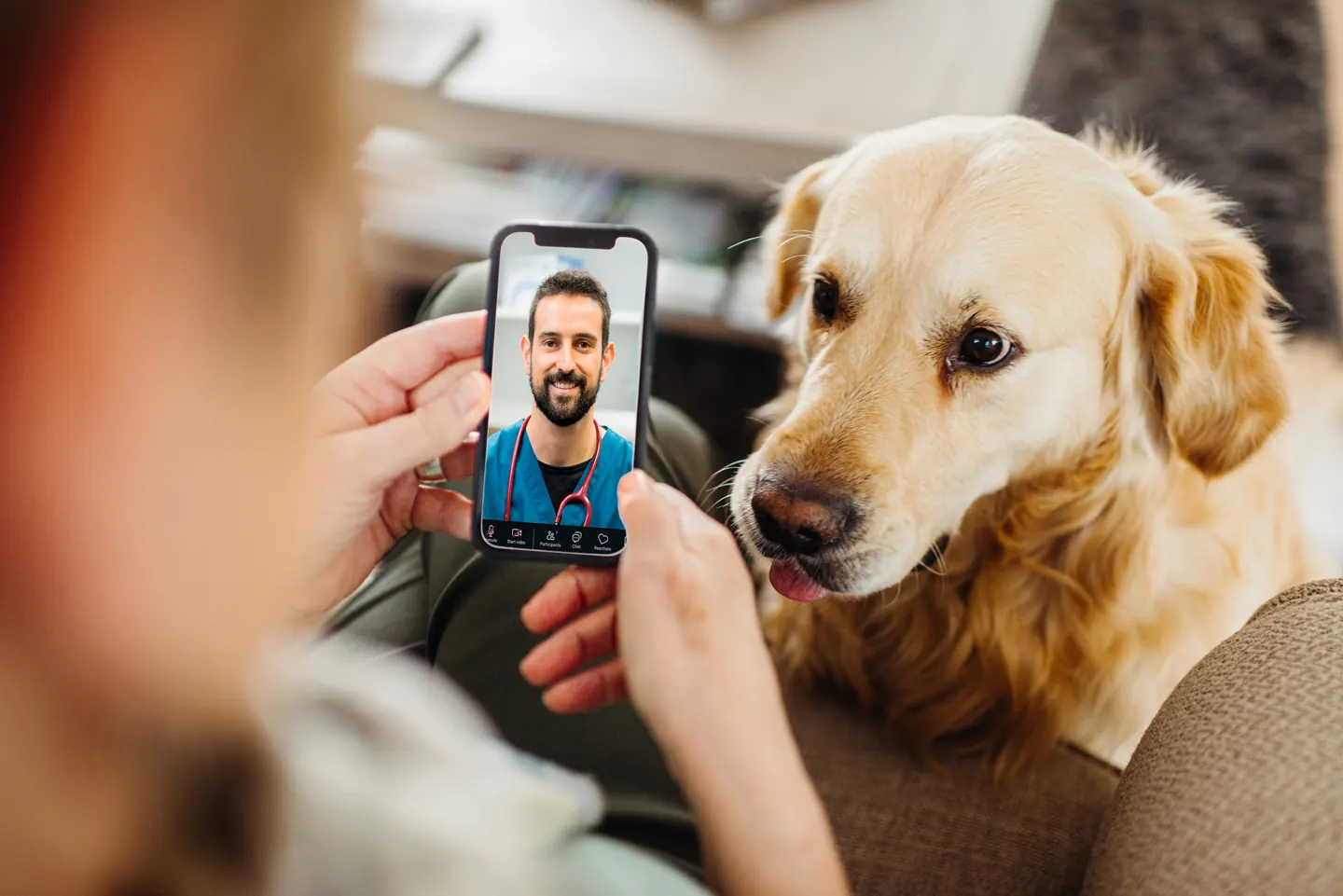
Want a vet's take on your dog's upset stomach?
Talk to a licensed vet at Dutch over video, often the same day. They can recommend treatment and prescribe it when it's appropriate.
Use code Pets60
Plans start at $12/month · covers up to 5 pets
- Licensed vets in most states
- Rx for 150+ conditions
- 4.7 on Trustpilot
Why Dog Diarrhea at Night Happens
Food and treat changes, dietary indiscretion, stress, parasites, and an underlying intestinal problem can all be relevant. Timing alone cannot tell you which explanation fits. Diarrhea occurring only at night is a pattern to investigate, rather than a diagnosis with one standard treatment. An evening-only exposure, such as a particular chew, is worth recording. However, a problem that fluctuates throughout the day can also become most noticeable when it interrupts sleep.
Start with what changed around the time symptoms began:
- A new evening meal, chew, table scrap, or larger portion.
- A medicine or supplement started recently.
- A change in routine or a stressful event.
- Access to garbage, unfamiliar food, or contaminated environments.
A late meal can be a useful event to record, but it does not prove that dinner caused the diarrhea. Timing has limits: nighttime diarrhea does not establish a distinct syndrome or show a decline in digestive enzymes after sunset. Cornell’s canine diarrhea guidance describes a broad range of dietary, infectious, inflammatory, and other causes.
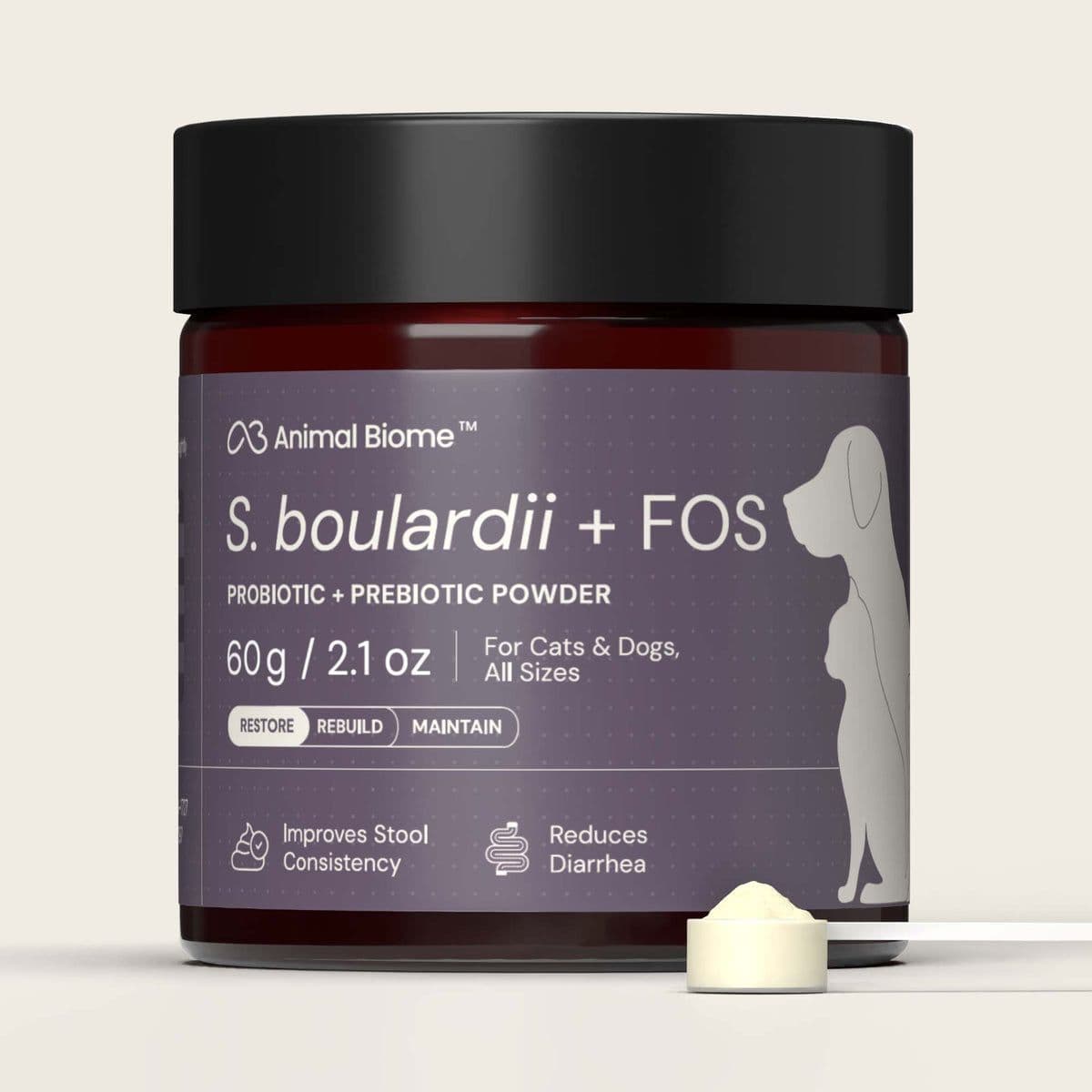
A yeast probiotic plus prebiotic fiber for product-specific digestive support.
Webvet may earn a commission when you click through to Animal Biome, at no extra cost to you.
- 1The nighttime pattern is useful history, but timing alone does not identify the cause.
- 2Judge urgency from frequency, comfort, hydration, and accompanying symptoms.
For a stable dog with a suitable support plan, Animal Biome S. boulardii + FOS Powder combines probiotic yeast and prebiotic fiber to support stool quality. Its purpose is digestive support within that plan.
When repeated overnight diarrhea cannot wait
Repeated hourly or two-hourly diarrhea increases the risk of fluid loss compared with one mild episode. Contact an after-hours service for individualized advice, particularly if the episodes are worsening or your dog cannot settle comfortably.
Use the table below to match your dog's overnight diarrhea signs with the next action: close observation, veterinary follow-up, or urgent veterinary care. Vomiting and diarrhea increase concern about dehydration. Persistent panting in a cool room or other additional signs of illness need attention; stomach gurgling alone does not establish severity.
| Observed change | Action | Information to report |
|---|---|---|
| One mildly loose stool in an otherwise comfortable adult dog | Monitor closely and follow an existing suitable care plan | Time, stool appearance, appetite, and any new exposure |
| Diarrhea every two hours or repeated explosive episodes | Contact an after-hours veterinary service for triage | Number of episodes, progression, water intake, and comfort |
| Dog cannot keep water down, has marked weakness, substantial blood, collapse, or severe pain | Call the emergency clinic promptly | Symptoms, onset, medicines, and possible toxin or foreign-object exposure |
| Puppy, frail senior, or dog with an existing illness | Use a lower threshold for veterinary contact | Age, medical conditions, current medicines, and recent changes |
Explosive diarrhea describes how stool passes, not a specific disease. The amount, repetition, and accompanying signs guide the next decision. Similarly, throwing up only at night is still vomiting and should be reported.
Do not wait until morning if your dog is collapsing, markedly weak, struggling with severe pain, or repeatedly vomiting water. If you suspect a swallowed object or toxin, report that immediately. Collecting a perfect stool record can wait.
What to do for a stable dog tonight

For an alert, comfortable dog with a mild episode, provide fresh water, frequent toilet access, and a clean place to rest. Use veterinarian-guided feeding rather than trying several remedies during the same night. The immediate aim is to support your dog and watch the trend while avoiding unnecessary changes.
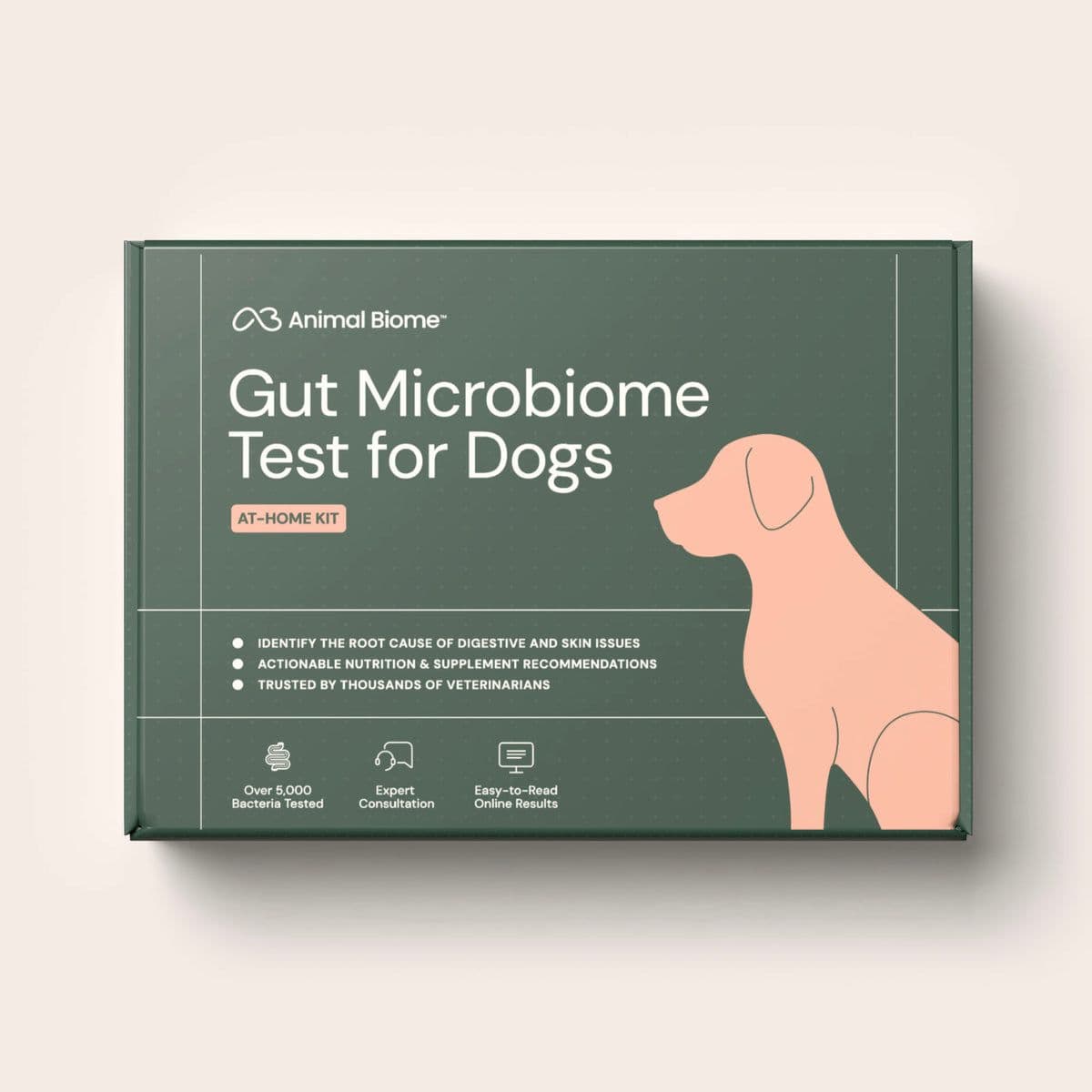
Bacterial microbiome profiling for an informed ongoing support discussion; not a parasite diagnostic test.
Webvet may earn a commission when you click through to Animal Biome, at no extra cost to you.
If your dog already has a prescribed digestive plan, follow its instructions. Keep a brief note of anything given so you can distinguish the original problem from a response to a new food or supplement.
For recurring patterns, the Animal Biome Gut Microbiome Test for Dogs can provide a bacterial profile for a broader digestive assessment. It uses an at-home stool sample to describe the gut’s bacterial community, complementing the history you collect.
Keep overnight care straightforward:
- Leave fresh water available rather than restricting it to prevent accidents.
- Offer calm, short toilet trips instead of strenuous walks.
- Keep the route outside clear and provide a comfortable, washable resting area.
- Avoid rich snacks, new chews, and access to other pets’ food.
- Record stool frequency and any vomiting or change in behavior.
- Use only medicines already prescribed for this situation or specifically directed by a veterinarian.
A suitable gastrointestinal diet may help, but a sudden switch between several home recipes adds uncertainty. Do not automatically fast a puppy or a dog with a medical condition. Human antidiarrheal products can be inappropriate for some dogs and should not be improvised.
This approach applies to sudden nighttime diarrhea as well as a familiar mild pattern. If symptoms become frequent, your dog looks unwell, or water will not stay down, move from home monitoring to veterinary triage.
 Sponsored
Vet care that's always there
Unlimited video calls and messaging with licensed vets for less than a typical vet visit. One membership covers up to five pets.
Use code Pets60
Plans start at $12/month · covers up to 5 pets
- Licensed vets in most states
- Rx for 150+ conditions
- 4.7 on Trustpilot
Why normal daytime behavior does not settle the cause
A dog can have solid poop in the morning and diarrhea at night while still needing evaluation for persistent or recurring illness. One formed stool is an encouraging observation, but it does not establish that the intestines have recovered. Look at the pattern across the day and over successive days.
An apparently normal daytime dog can still have frequent, urgent episodes overnight; normal play and appetite offer limited reassurance. Some dogs remain enthusiastic about food while experiencing intestinal irritation or a parasite infection. Others act normally between episodes because the symptoms fluctuate. Describe both the good periods and the difficult ones.
Useful comparisons include:
- Whether nighttime stools are becoming more frequent or more watery.
- Whether your dog is asking to go outside urgently.
- Whether daytime stools are consistently formed or simply less abnormal.
- Whether appetite, drinking, body weight, or energy has changed.
- Whether a new evening exposure repeats before each episode.
Avoid interpreting “acting fine” as a reason to ignore recurrence. Instead, it helps your veterinarian understand how the diarrhea is affecting your dog. A recording such as “comfortable during the afternoon, then three urgent trips after bedtime” is more useful than “always sick at night.”
A recovery plan may include support for the gut’s microbial community when appropriate. Animal Biome Gut Restore for Dogs contains screened, canine-derived microbes intended for microbiome restoration. It has a different purpose from recording symptoms or identifying an underlying disease.
Build a useful record of meals, medicines, and stool
If your dog keeps having diarrhea at night, replace “every night” with a short clock-based record. Include uneventful periods as well as accidents. Knowing that daytime stool was formed, that dinner was unchanged, or that no vomiting occurred can be useful alongside the abnormal findings.
Record events as they happen when practical. You do not need to identify a cause or calculate digestion time. The purpose is to give the clinic a clear sequence rather than an impression built after several disrupted nights.
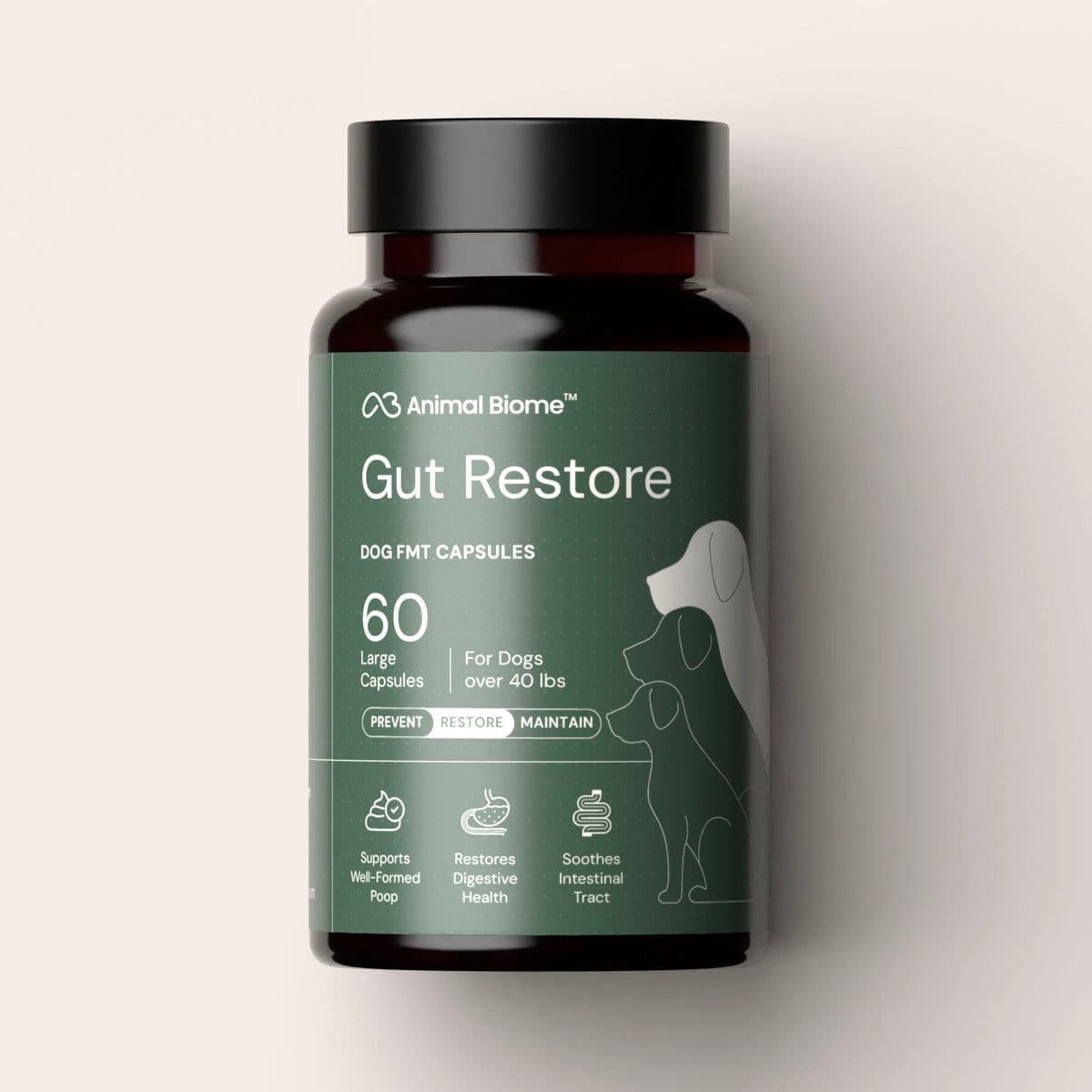
Species-specific microbial restoration for an appropriate veterinary-guided plan.
Webvet may earn a commission when you click through to Animal Biome, at no extra cost to you.
| Item | What to enter | Why it helps |
|---|---|---|
| Clock time | Time of each meal, medicine, toilet trip, and symptom | Shows the sequence without assuming causation |
| Last meal and treats | Food, amount, chews, snacks, and any unusual access | Reveals exposures that might otherwise be missed |
| Stool consistency and urgency | Formed, soft, watery, small frequent amounts, or urgent accidents | Describes the pattern and its progression |
| Vomiting and comfort | Whether vomiting occurred and how the dog behaved | Separates stool changes from broader illness |
| Daytime stool and behavior | Normal and abnormal observations between nights | Prevents the overnight history from losing daytime context |
| Medicines and supplements | Name, amount, time, and recent changes | Helps interpret possible associations and treatment response |
A photo can document stool appearance, but it cannot establish the diagnosis. Label it with the time rather than relying on memory. If the clinic wants a sample, ask about its preferred container, storage, and collection timing.
Include all supplements, not just prescriptions. Do not stop or change prescribed medicines to test a theory without advice. If a medication schedule appears related to symptoms, provide the sequence so the prescribing veterinarian can assess it.
Animal Biome describes Gut Maintain for Dogs as daily microbiome support for dogs with relatively well-controlled digestive symptoms and occasional soft stools. A consistent routine and your observation record can help you assess how a chosen maintenance plan suits your dog.

Special considerations for puppies and senior dogs
Puppies and senior dogs have different risks from a healthy adult dog. A puppy has less room for prolonged fluid loss, and infection risk depends partly on age and vaccination history. Repeated diarrhea in a young puppy deserves early veterinary contact, even if the puppy remains playful between trips.
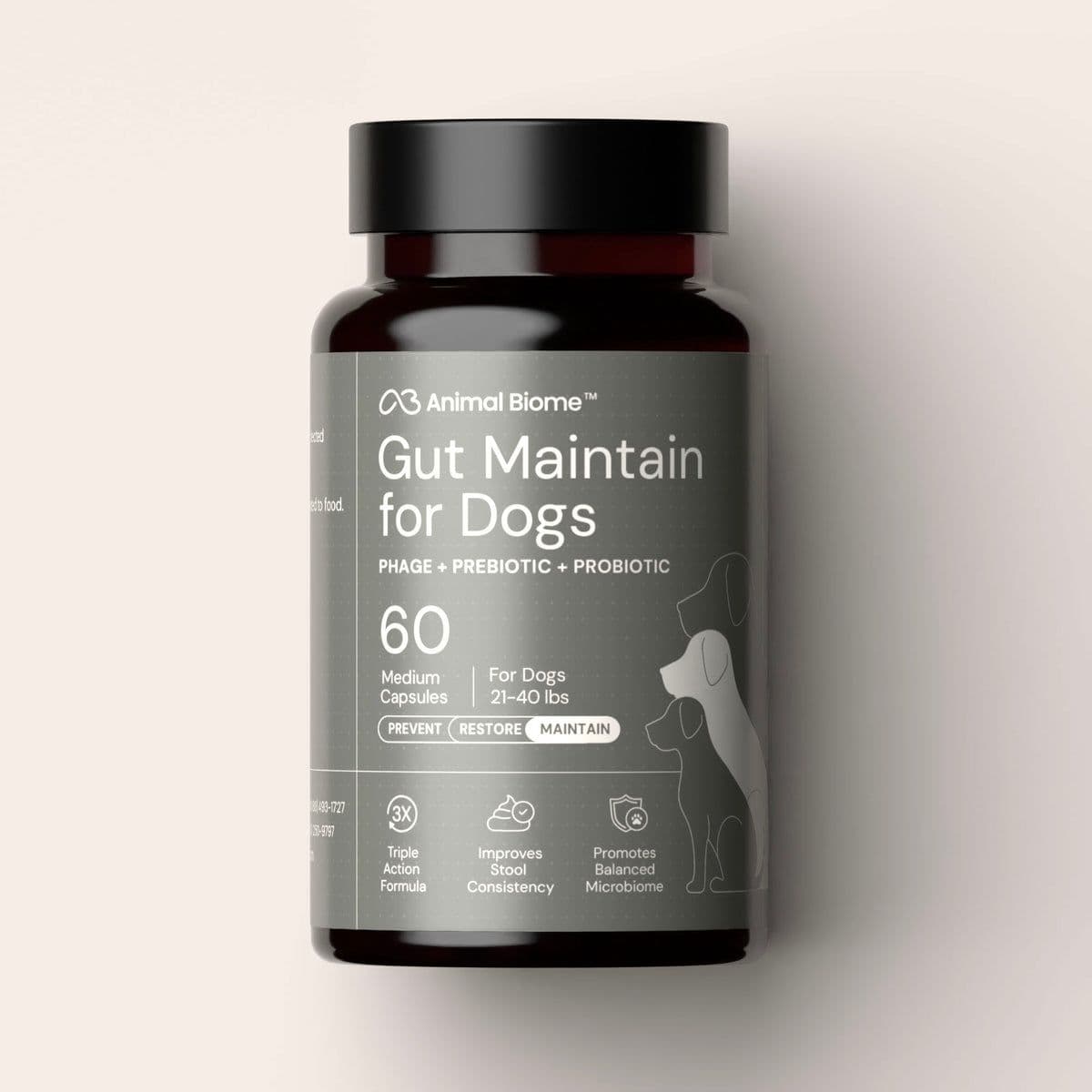
Daily microbiome maintenance after the immediate concern is addressed.
Webvet may earn a commission when you click through to Animal Biome, at no extra cost to you.
A senior dog may have existing disease or take medicines that influence the assessment. Nighttime diarrhea is not an inevitable part of aging. An older dog who suddenly needs to go out every two hours should not be assumed to have lost housetraining or become inconveniently restless.
When you contact the clinic, have these details ready:
- Your dog’s age and approximate weight.
- Existing conditions and all current medicines.
- Whether food, drinking, urination, or mobility has changed.
- How many episodes occurred and whether vomiting accompanied them.
- Any recent medication, diet, or supplement changes.
The feeding plan also needs to fit the individual. Avoid applying a standard fasting recommendation to a puppy, frail senior, or dog whose condition requires regular meals. Ask for instructions that account for the usual treatment schedule.
Consider practical access as well. An older dog with reduced mobility may struggle to reach the door quickly even when trying to signal. Make the route safe and easy while addressing the diarrhea itself.
What recurring nighttime diarrhea may need your vet to investigate
Recurring episodes may lead to examination, fecal testing, dietary assessment, or other diagnostics selected from the complete history. The brief summaries and linked guides below explain Giardia, pancreatitis, and stool changes. The nighttime pattern alone cannot diagnose food sensitivity or an enzyme problem.
Giardia is one possible cause of intermittent diarrhea. Signs can include mucus, gas, or weight loss, but some infected dogs have no obvious symptoms. The Companion Animal Parasite Council explains why symptomatic dogs may need a combination of tests. Our guide to Giardia symptoms and testing covers the condition more fully.
Depending on the history and examination, the next steps may include:
- A controlled diet trial for a possible dietary problem, following the prescribed food and treat rules consistently.
- Blood tests when the veterinarian suspects illness beyond an isolated stool change or needs to assess its effects.
- Imaging when an obstruction or another structural problem is a concern.
These choices are guided by the whole dog. A change that helped a previous episode does not establish the cause of this one, and several tests may answer different parts of the same problem.
Possible early signs of pancreatitis include reduced appetite, vomiting, lethargy, and abdominal discomfort; diarrhea may also occur. These signs overlap with other illnesses and do not diagnose pancreatitis by themselves. See our guide to pancreatitis signs in dogs for the condition-specific assessment.
Gastroenteritis does not have a single diagnostic stool appearance. A general interpretation should describe watery stool, mucus, or blood without assigning a cause. Describe what you actually see: whether there is a normal-shaped stool with mucus, mostly liquid stool, or small repeated amounts with straining. Mention whether blood is a fresh red streak or the stool looks black and tarry, because those are different observations to report. Our guide to dog diarrhea causes and stool changes explains why appearance belongs alongside the rest of the history.
Nighttime vomiting, stomach noise, and diarrhea are different clues
An “upset stomach” can mean several things. Vomiting brings material up from the stomach, diarrhea changes bowel movements, and gurgling describes digestive sounds. Record which actually happened, rather than using one label for all three.
If your dog seems uncomfortable only at night, note:
- Whether there was vomiting, including what it looked like.
- Whether stool changed or your dog only asked to go outside.
- Whether noises occurred with pain, restlessness, or an otherwise comfortable dog.
- What happened before and after the episode.
An empty-looking stomach or a late meal may be part of the history, but neither explains every overnight symptom. A repeated evening food or medication exposure is worth reporting; it is an association to investigate, not proof of the cause. Persistent intestinal illness can also produce intermittent symptoms that happen to be noticed overnight. Giving a bedtime snack is not a universal answer to diarrhea. Separate observations help your veterinarian decide which problem needs investigation.
Supporting gut recovery after the cause is addressed
Once the underlying problem is being managed, gut support can have a clearer purpose. The choice may focus on stool consistency, the bacterial community, or a steady maintenance routine. Our guide to probiotics for dogs with diarrhea explains why formulation matters more than selecting a product simply because it is called a probiotic.
Animal Biome’s options address different parts of that discussion:
- S. boulardii + FOS Powder: supplies Saccharomyces boulardii yeast and fructooligosaccharides, a prebiotic fiber.
- Gut Microbiome Test for Dogs: describes bacterial composition and can help inform a longer-term support plan.
- Gut Restore for Dogs: provides screened, dog-specific fecal-derived microbes for an appropriate restoration approach.
- Gut Maintain for Dogs: supports a settled daily routine and management of occasional soft stools.
The current S. boulardii + FOS label identifies strain CNCM I-3799 and provides product-specific scoop directions. A dose or study result from another strain or formula cannot automatically be applied to this powder.
Animal Biome Gut Restore for Dogs is a broader microbial preparation rather than a conventional single-strain probiotic. Follow its whole-capsule instructions within the selected plan. A bacterial microbiome profile can support that discussion, but it does not diagnose Giardia, worms, food allergy, or pancreatic enzyme deficiency. Choose the role your dog needs rather than assuming all four options should be combined.
Questions about nighttime diarrhea
Frequently Asked Questions
What if my dog has diarrhea for 3 days but is acting normal?
Arrange a veterinary appointment. Three days of diarrhea deserves assessment even when appetite and behavior seem normal, because continued fluid loss and an unresolved cause still matter. Cornell’s guidance recommends veterinary care when diarrhea persists beyond a day or two. Tell the clinic whether this has been continuous diarrhea or separate episodes with normal stools between them. Bring your record and ask whether to bring a stool sample. If vomiting, blood, pain, weakness, or an inability to keep water down develops, seek advice sooner rather than waiting for that appointment.
Should I crate my dog after a nighttime diarrhea accident?
A dog with diarrhea in the house or crate at night needs urgent toilet access and a clean sleeping area, not punishment. Do not use confinement to make the dog hold stool that is difficult to control. If your dog normally relaxes in a crate, it can remain an available resting place, provided you can respond promptly and the dog is not trapped with soiled bedding. Otherwise, use a safe, easily cleaned area near you, with comfortable bedding and accessible water. Remove soiled materials promptly, clean the area, and help your dog outside calmly. Repeated accidents in a previously housetrained dog are useful medical observations. Record their timing and whether your dog tried to signal, rather than treating the problem as deliberate behavior. If you cannot provide frequent access overnight, discuss a practical care plan with your veterinarian.
Should I move dinner earlier to stop nighttime diarrhea?
An earlier meal may change when a dog needs to defecate, but it is not a reliable treatment for the underlying diarrhea. Start with a meal timing record that includes snacks and chews, then discuss whether a routine adjustment makes sense. If a change is agreed, preserve the same daily food amount and the appropriate diet unless instructed otherwise. Avoid changing dinner time, ingredients, portion size, and supplements together, because any response becomes harder to interpret. Recurring diarrhea still needs investigation even if moving dinner seems to reduce overnight accidents.
Veterinarian · BVMS MRCVS
Dr. Pippa Elliott, BVMS, MRCVS, is a veterinarian with nearly 30 years of experience in companion animal practice. Dr. Elliott earned her Bachelor of Veterinary Medicine and Surgery from the University of Glasgow. She was also designated a Member of the Royal College of Veterinary Surgeons. Married with 2 grown-up kids, Dr. Elliott has a naughty Puggle named Poggle, 3 cats and a bearded dragon.
Related reading

Dog Diarrhea After Boarding: Causes and What to Do Next

Gastroenteritis in Cats: Symptoms, Causes, Treatment, and When to See a Vet

Gastroenteritis in Dogs: Symptoms, Causes, Treatment, and Recovery Time
