Mucus in Dog Poop: Jelly-Like Stool Explained
Mucus in dog poop can look slimy or jelly-like. Learn what frequency, straining and other signs mean, how to collect a sample and when to call your vet.

BVMS MRCVS
Medically reviewed by Dr. Pippa Elliott, BVMS MRCVS · Last reviewed

This article contains affiliate links. Webvet may earn a commission when you buy through them, at no extra cost to you.
Mucus in dog poop may look like a clear or whitish jelly, a shiny coating or a slimy strand. The bowel normally produces mucus, but a noticeable increase can occur when the large intestine is irritated. A single small coating in an otherwise well dog is different from repeated mucus with straining, diarrhea or blood.
Contact your veterinarian if mucus persists, recurs or accompanies other signs. Seek prompt care for repeated vomiting, significant pain, weakness, substantial blood, black tarry stool or a dog that cannot keep water down. Puppies and dogs with existing illness need earlier advice. Do not assume that a jelly-like appearance identifies one specific infection.
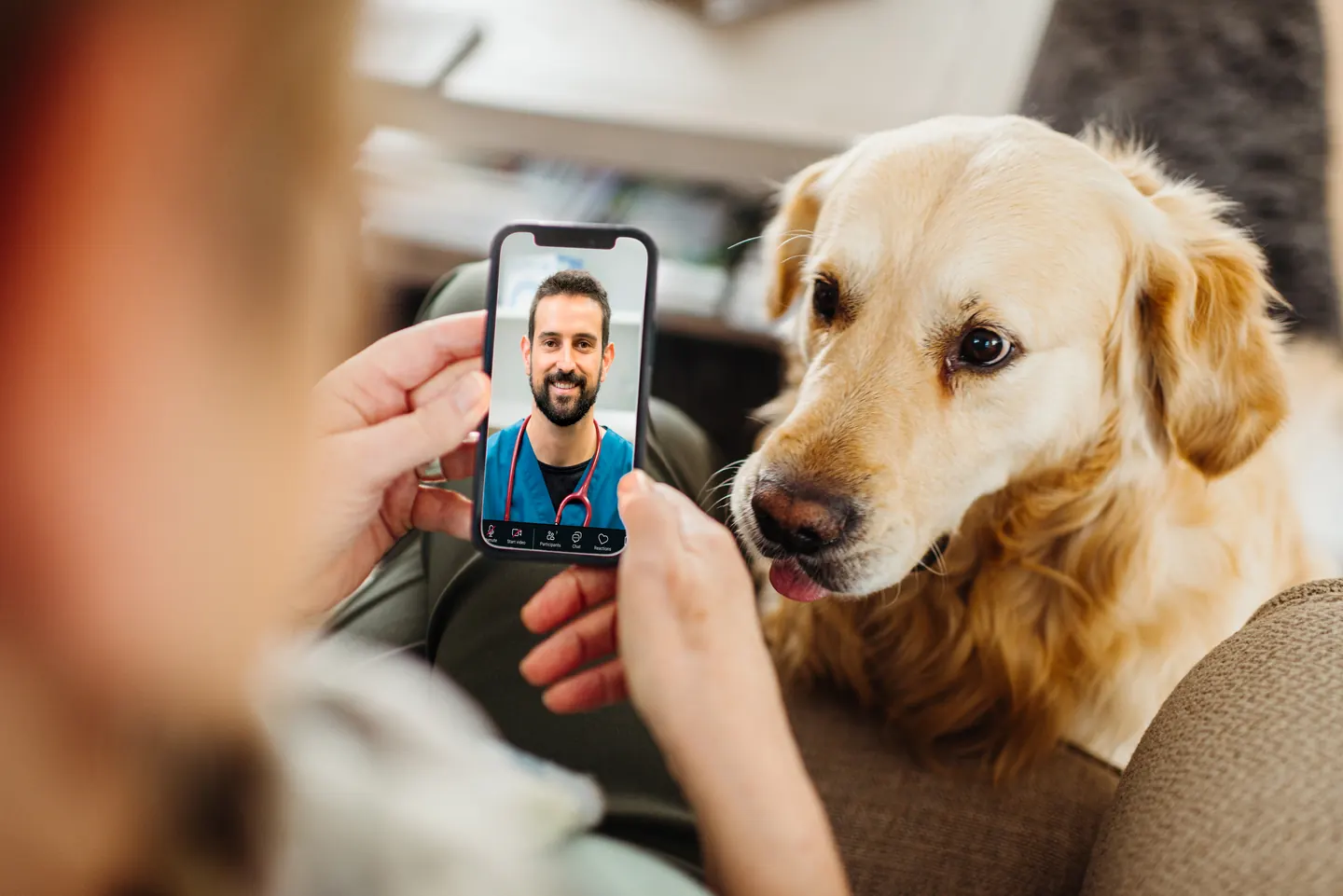
 Sponsored
Want a vet's take on your dog's upset stomach?
Talk to a licensed vet at Dutch over video, often the same day. They can recommend treatment and prescribe it when it's appropriate.
Use code Pets30
Plans start at $11/month · covers up to 5 pets
- Licensed vets in most states
- Rx for 150+ conditions
- 4.7 on Trustpilot
Recognizing mucus in dog poop
Look at the relationship between the mucus and the stool. Is it a coating on a formed brown stool, mixed into soft stool or passed with very little fecal material? Note whether your dog needs to go more frequently or strains after passing a small amount. Those details help the clinic distinguish a one-off change from a developing bowel pattern.

Unscented waste bags for prompt pickup while tracking stool changes. Ask the clinic about a separate container for diagnostic samples.
Webvet may earn a commission when you click through to Chewy, at no extra cost to you.
Unscented waste bags help you check and remove each fresh deposit. Prompt pickup also prevents old waste from being mistaken for a new episode. If a diagnostic sample is needed, ask the veterinarian how to collect it and whether a separate container is preferred. Photograph the mucus before disposal when that can be done without delaying care.

| Pattern | Useful detail to record | Why it matters |
|---|---|---|
| Small coating on a formed stool | Whether it happens again and whether the dog is comfortable | One observation does not establish the cause |
| Small frequent stools with straining | Frequency and straining, not just color | Can help describe a large-bowel pattern |
| Mucus mixed with diarrhea | Fluidity, volume and other illness | Repeated fluid loss may require earlier care |
| Mucus with blood | Fresh red streaks versus black tarry stool | Blood changes the urgency and investigation |
The jelly-like stuff or slime in dog poop is often visible mucus. A clear or white mucus casing can make a stool look encased in a membrane, even while a dog is acting normal. Normal behavior is useful context but does not explain repeated mucus. The word “slime” is a useful description, not a diagnosis. Mucus can look more obvious when the stool is otherwise formed because the coating is distinct. It may be harder to recognize in watery diarrhea. Do not assume that a dog with less visible mucus is necessarily recovering if frequency, vomiting or energy is worsening.
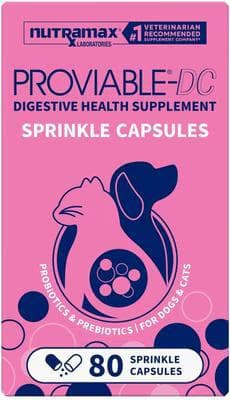
A dog-appropriate probiotic option to discuss with your veterinarian for an assessed digestive problem. Not a universal treatment for abnormal stool.
Webvet may earn a commission when you click through to Chewy, at no extra cost to you.
Why the large bowel produces more mucus
Mucus helps protect and lubricate the intestinal lining. When the colon is irritated, more may become visible in the stool. Colitis means inflammation of the colon; it describes the affected part of the bowel rather than naming one cause. Diet, stress, parasites and other diseases can produce overlapping signs.
A bloody, raspberry-jam-like mucus appearance needs prompt veterinary assessment; do not assume it is a harmless version of a clear coating. Small frequent stools, urgency and straining can be part of a large-bowel pattern. A dog may repeatedly ask to go out and pass only a small amount each time. Tell the veterinarian whether stool is actually being passed and whether the dog seems painful. Repeated unsuccessful straining should not automatically be treated as simple diarrhea.
If your veterinarian recommends digestive support after assessing the problem, a dog-appropriate probiotic may be considered. Use the specific product and instructions advised. It does not replace parasite treatment, explain persistent blood or cure every cause of colitis. Introducing several supplements at once makes the response harder to interpret.
A one-off coating versus repeated mucus
A stool can contain mucus after a short-lived irritation, but recurring mucus deserves a more complete history. Record recent meals, treats, garbage access, travel, boarding and medication. The guide to dog diarrhea and its causes provides broader context for changes in consistency and frequency.
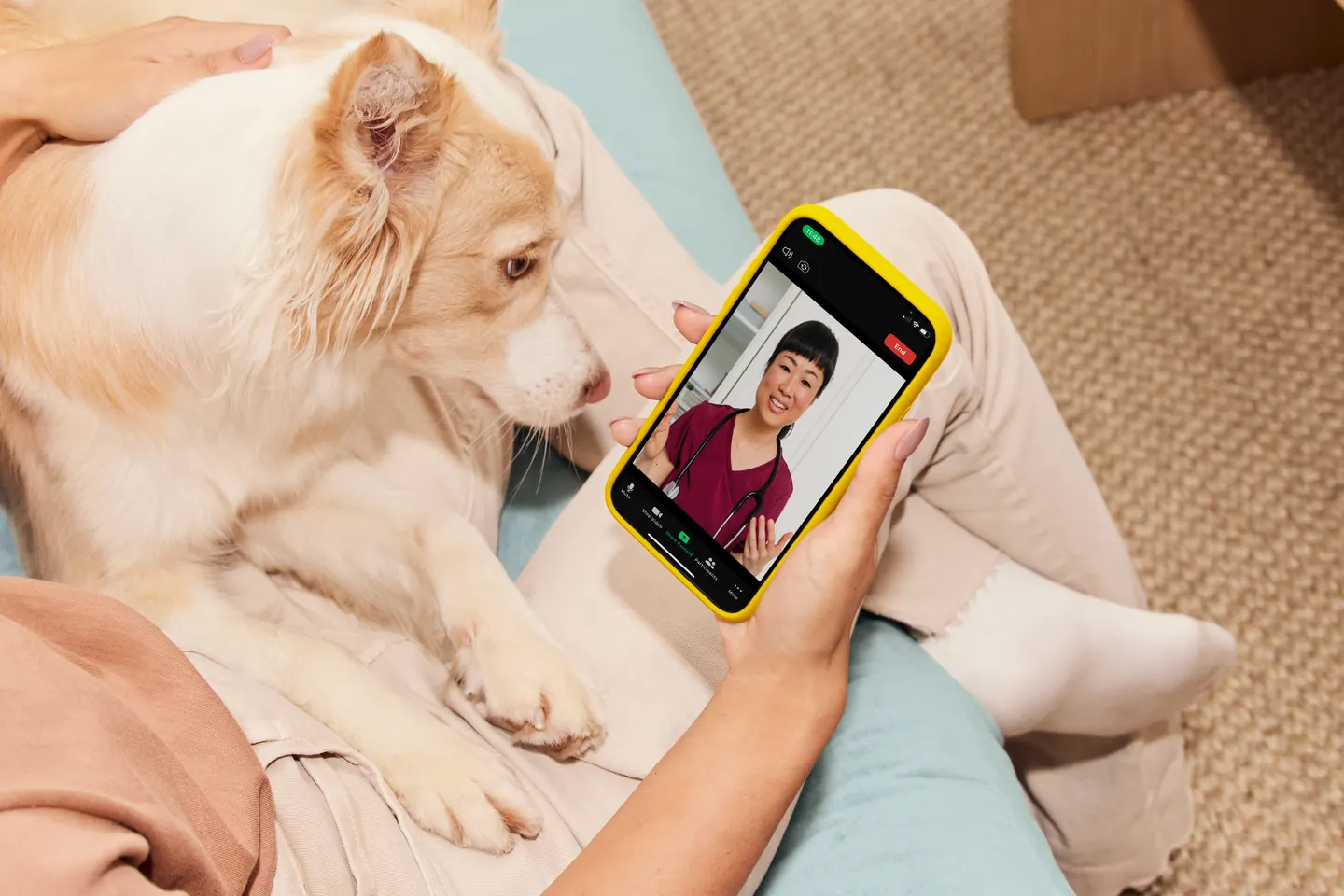 Sponsored
Vet care that's always there
Unlimited video calls and messaging with licensed vets for less than a typical vet visit. One membership covers up to five pets.
Use code Pets30
Plans start at $11/month · covers up to 5 pets
- Licensed vets in most states
- Rx for 150+ conditions
- 4.7 on Trustpilot
Diet, stress, parasites and recurring signs
A sudden diet change, rich food or an unsuitable item eaten outdoors may be relevant. There is no single food that causes mucus in every dog. An association with a particular meal is worth recording, but it does not prove an allergy. Avoid repeatedly switching foods without a plan or removing major ingredients from a balanced diet on the basis of one stool.
Stress can affect bowel habits, and a new environment or disrupted routine may be useful history. It should not become the default explanation for persistent signs. A dog can have a stressful event and an unrelated infection or other illness at the same time. Report the whole sequence rather than deciding the diagnosis first.

An enzymatic pet cleaner can help remove stains and odor from compatible surfaces after accidents. Remove solid waste first and follow the label. This is not the same as disinfection against Giardia or another organism. If testing identifies an infectious cause, ask the veterinarian for the specific environmental measures needed.
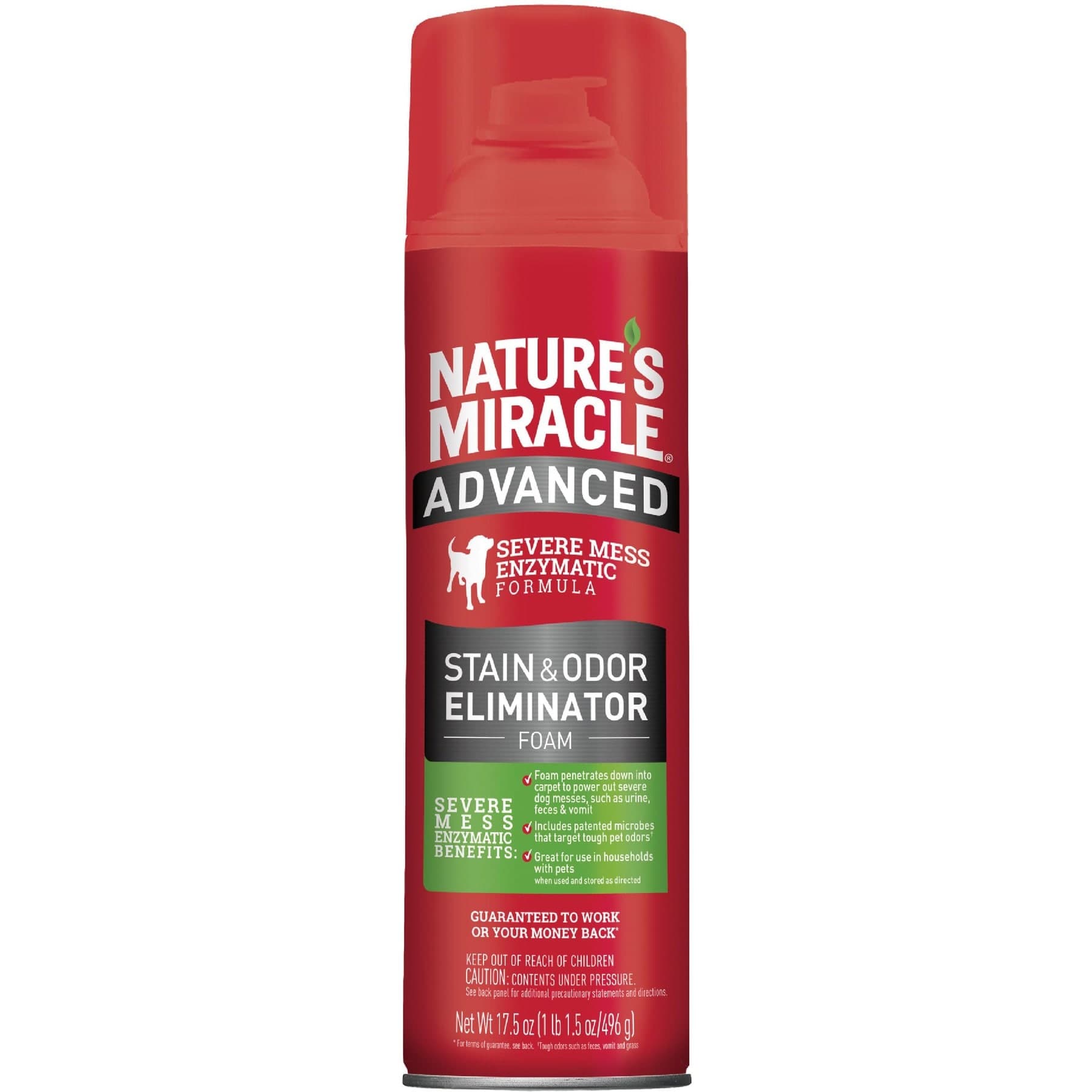
An enzymatic dog-accident cleaner for compatible surfaces. Follow the label; odor removal is not parasite disinfection.
Webvet may earn a commission when you click through to Chewy, at no extra cost to you.
Parasites and colored mucus
Parasites, including Giardia, can cause digestive signs, but mucus alone cannot identify them. Testing may be needed even when no worms are visible. Our Giardia stool guide explains why photographs and color do not replace fecal testing. Do not choose a dewormer solely from a jelly-like coating.
Yellow mucus or yellow stool adds a color observation to the same history, even if the dog is acting normal. Report accompanying blood and avoid starting home remedies based on the yellow color. The yellow dog poop guide focuses on that distinction. Describe whether the mucus is yellow around a brown stool or the whole stool is yellow; the two observations are not interchangeable.
Pancreatitis and parvovirus cannot be confirmed from mucus. An ill puppy needs prompt advice regardless of the stool's exact appearance. See parvo symptoms in dogs for the separate warning signs. Do not wait for blood or a particular odor before contacting the clinic about vomiting, diarrhea or marked lethargy.
When mucus needs veterinary attention
Be concerned about mucusy dog poop that persists or returns, even if each episode seems mild. Mention how often your dog defecates, stool volume, appetite, energy, vomiting and any weight change. A recurrent pattern may need more investigation than a single episode after a known dietary change.
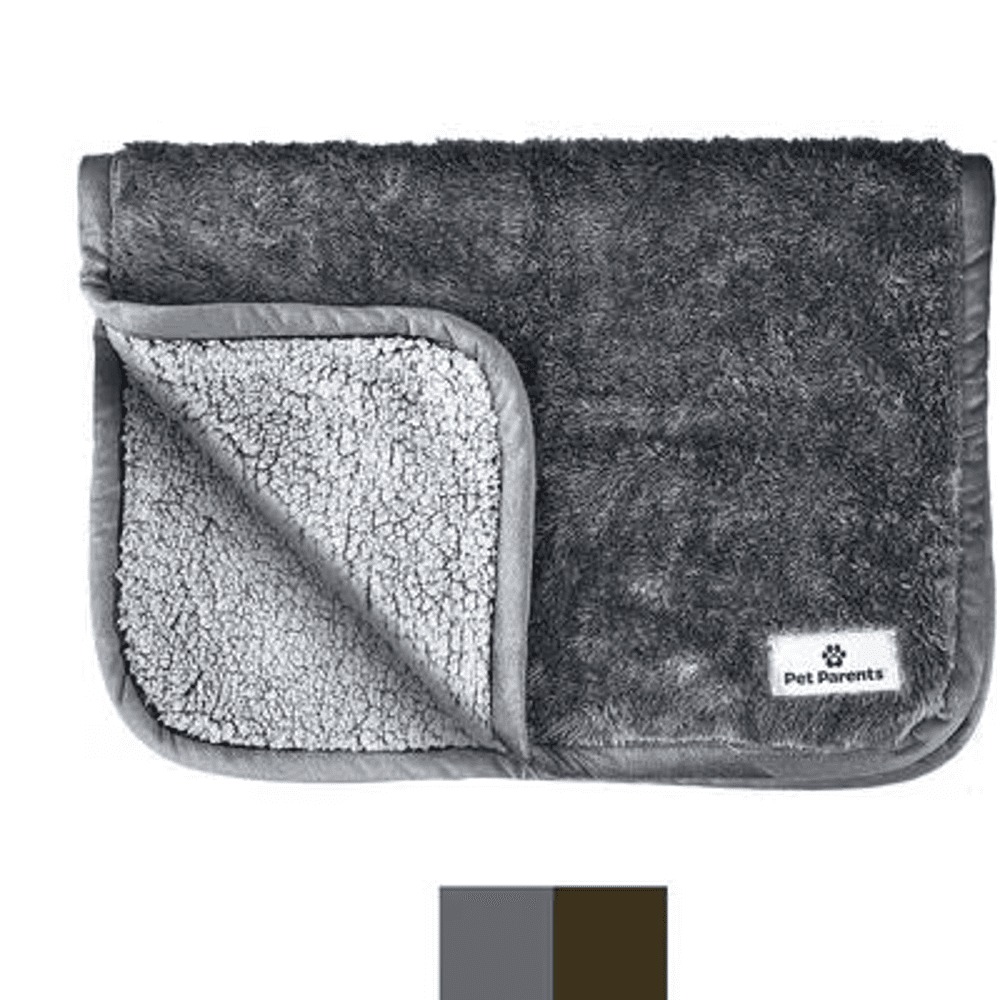
A washable waterproof blanket for a suitable resting or transport surface. Choose the size that fits your setup.
Webvet may earn a commission when you click through to Chewy, at no extra cost to you.
A washable waterproof blanket can protect a resting area or suitable transport surface if accidents are likely. Replace it when soiled and keep the dog comfortable and dry. It supports practical care while you follow the medical plan; it does not prevent dehydration or treat the reason for repeated bowel movements.
Do not use a fixed number of days as permission to ignore worsening signs. Ask the veterinarian what monitoring interval is appropriate for your dog's age and condition. Seek prompt help for substantial blood, black tarry stool, repeated vomiting, pain, weakness or inability to drink normally.
Testing and additional color clues
The veterinarian may recommend fecal testing and, for persistent or more complex cases, additional tests. A result can guide targeted treatment instead of repeated guesses. Bring previous medications and test results if the problem has been assessed elsewhere. An apparently normal interval between episodes is still part of the pattern worth investigating.
A colored stool beneath the coating deserves a separate description. See green dog poop for green stool and exposure clues. Mucus does not establish pancreatitis: there is no single pancreatic stool appearance, and vomiting, poor appetite or pain requires assessment regardless of the coating.
Record the fresh stool, recent meals and medicines, and any change in appetite, vomiting or energy. Follow the veterinary plan rather than choosing a remedy by color.
Stool sampling, care and monitoring
Collect a fresh sample as instructed, avoiding soil, cleaning products and old yard waste. Label the time and follow the clinic's storage advice. Wash your hands after handling the container or cleanup tools. In a multi-dog home, note which dog passed the sample rather than combining material from several pets.
Details to record for the stool assessment

Keep a brief record of stool frequency, straining and volume, along with stool form, mucus, blood and appetite. Use the same simple descriptions each time. A photo can complement the record, but a growing folder of images is less useful than a clear account of whether your dog is improving or becoming unwell.
- Fresh stool: the time passed, color, consistency, amount, mucus or blood, and how often your pet tries to pass stool.
- Other signs: appetite, vomiting, energy and weight changes, including any difficulty keeping water down.
- Recent changes: meals, treats, supplements, medicines, possible exposures and relevant previous illness or test results.
For mucus in dog poop, give only the food or supportive treatment advised for the assessed cause. Follow the advised feeding plan and avoid adding human antidiarrheal medicines, antibiotics or several supplements. Some bowel problems respond to a dietary change or selected fiber, while others need different treatment. Ask about the specific food and duration rather than assuming pumpkin or a bland meal is a universal answer.
How long mucus may last
How long mucus lasts depends on its cause. A small transient change may settle, but recurring mucus or ongoing diarrhea should not be accepted as the dog's normal state without assessment. Improvement means comfortable bowel movements and a well dog, with any underlying problem addressed, not simply a day when the coating is harder to see.
Sources
Sources: VCA: colitis in dogs and Merck Veterinary Manual: colitis in small animals.
Frequently asked questions
What can I give my dog for mucus in poop?
Give only the food or supportive treatment your veterinarian advises for the assessed cause. Avoid human antidiarrheal medicines, antibiotics and several supplements at once. Some bowel problems respond to a diet change or selected fiber while others need different treatment, so pumpkin or a bland meal is not a universal answer. Ask which feeding plan to use and for how long.
Does parvo poop have mucus?
Mucus alone cannot confirm or exclude parvovirus. An ill puppy needs prompt veterinary advice whatever the stool looks like. Do not wait for blood or a particular odor before contacting the clinic about vomiting, diarrhea or marked lethargy, because the warning signs are the dog's condition rather than the coating on the stool.
What causes jelly-like mucus in the stool?
Mucus protects and lubricates the bowel lining, and more of it can appear when the colon is irritated. Colitis, meaning inflammation of the colon, describes where the problem is rather than one cause. Diet, stress, parasites and other diseases can all produce similar signs, so recurring mucus deserves a history and, often, fecal testing.
Veterinarian · BVMS MRCVS
Dr. Pippa Elliott, BVMS, MRCVS, is a veterinarian with nearly 30 years of experience in companion animal practice. Dr. Elliott earned her Bachelor of Veterinary Medicine and Surgery from the University of Glasgow. She was also designated a Member of the Royal College of Veterinary Surgeons. Married with 2 grown-up kids, Dr. Elliott has a naughty Puggle named Poggle, 3 cats and a bearded dragon.


