Green Dog Poop: Causes, Clues and When to Get Help
Green dog poop can follow food, grass or digestive illness. Learn useful clues, why color cannot rule out poisoning and when to seek veterinary advice.

BVMS MRCVS
Medically reviewed by Dr. Pippa Elliott, BVMS MRCVS · Last reviewed

This article contains affiliate links. Webvet may earn a commission when you buy through them, at no extra cost to you.
Green dog poop can follow grass or colored food, or occur when intestinal contents move quickly. It can also accompany illness. Stool color cannot tell you whether a dog has Giardia, another infection or a poisoning. Look at the fresh stool, recent exposures and how your dog is feeling together.
If your dog may have eaten rodent bait or another harmful substance, contact a veterinarian or animal poison service immediately. Do not wait for symptoms or a change in stool. Seek urgent care for repeated vomiting, marked weakness, blood, abdominal pain or other significant illness. A bright or dark green shade is not a reliable measure of severity.
 Sponsored
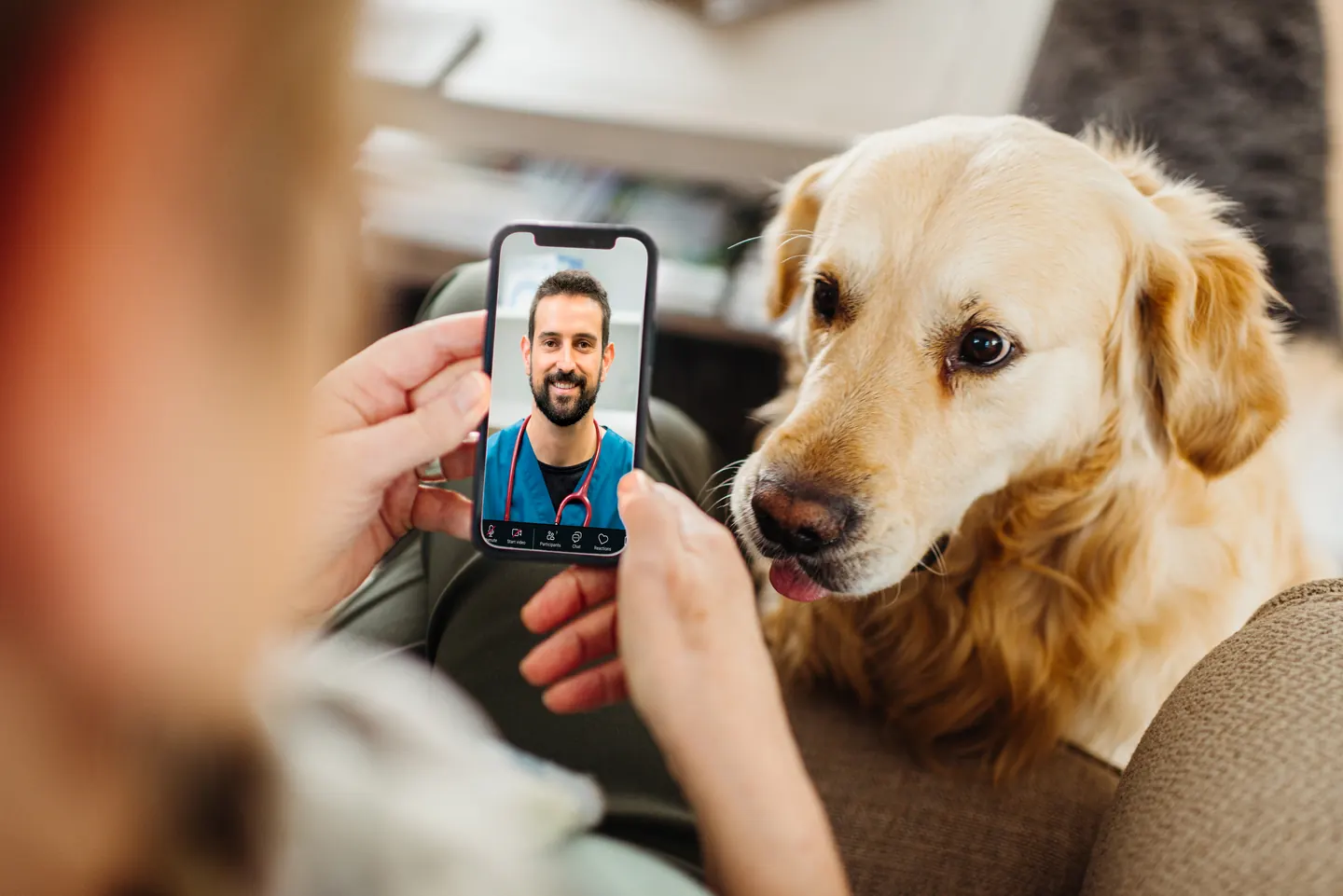
Want a vet's take on your dog's upset stomach?
Talk to a licensed vet at Dutch over video, often the same day. They can recommend treatment and prescribe it when it's appropriate.
Use code Pets30
Plans start at $11/month · covers up to 5 pets
- Licensed vets in most states
- Rx for 150+ conditions
- 4.7 on Trustpilot
What green dog poop tells you
Describe the stool before trying to interpret it. Is it formed with pieces of grass, soft olive-green material or watery diarrhea? Was it freshly passed, or did you find it later in the yard? A brown deposit sitting on grass or under unusual lighting can look greener in a photo than it does in daylight.
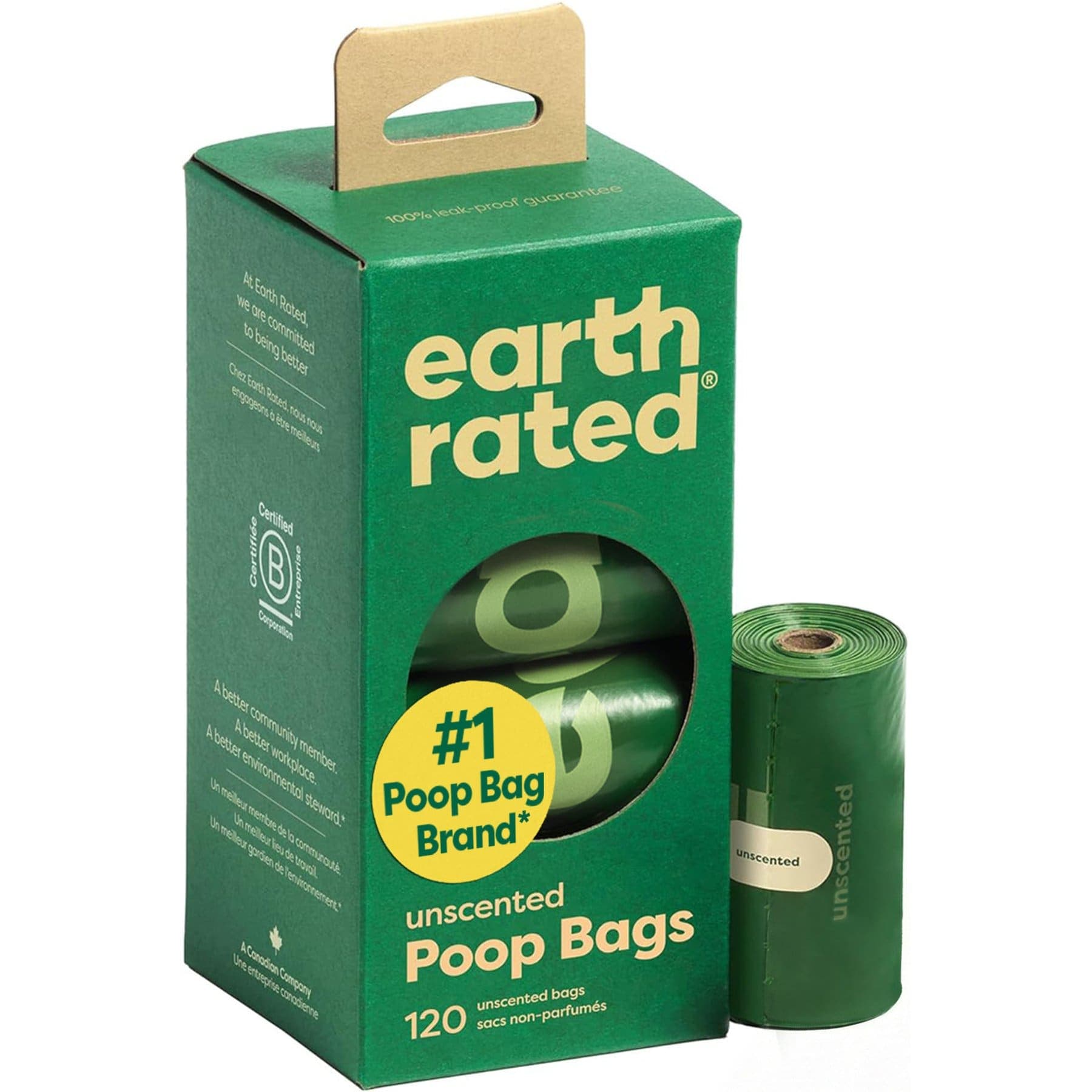
Unscented waste bags for prompt pickup while tracking stool changes. Ask the clinic about a separate container for diagnostic samples.
Webvet may earn a commission when you click through to Chewy, at no extra cost to you.
Unscented waste bags help with prompt pickup after you have checked the stool. Clearing each deposit makes it easier to track a new change and prevents confusing several dogs' bowel movements. If a sample is requested, follow the clinic's separate instructions for a fresh portion and suitable container.

| Observation | Useful question | Limit of the clue |
|---|---|---|
| Formed stool with grass pieces | Was grass eaten recently? | Grass does not explain every illness that occurs afterward |
| Green stool after colored treats | What exact food and how much? | Food history does not exclude another cause |
| Soft or watery green stool | How often, and is the dog otherwise well? | Color does not identify a parasite |
| Possible bait exposure | What product, when and how much? | Stool color cannot confirm or rule out poisoning |
Green poop in a dog acting normal still needs attention to possible exposure, recurrence and other signs. One color change in an otherwise comfortable adult dog may be approached differently from repeated diarrhea in a puppy. Contact your veterinarian if the change repeats, persists or is accompanied by other signs. There is no fixed shade or number of green stools that makes home observation safe for every dog.
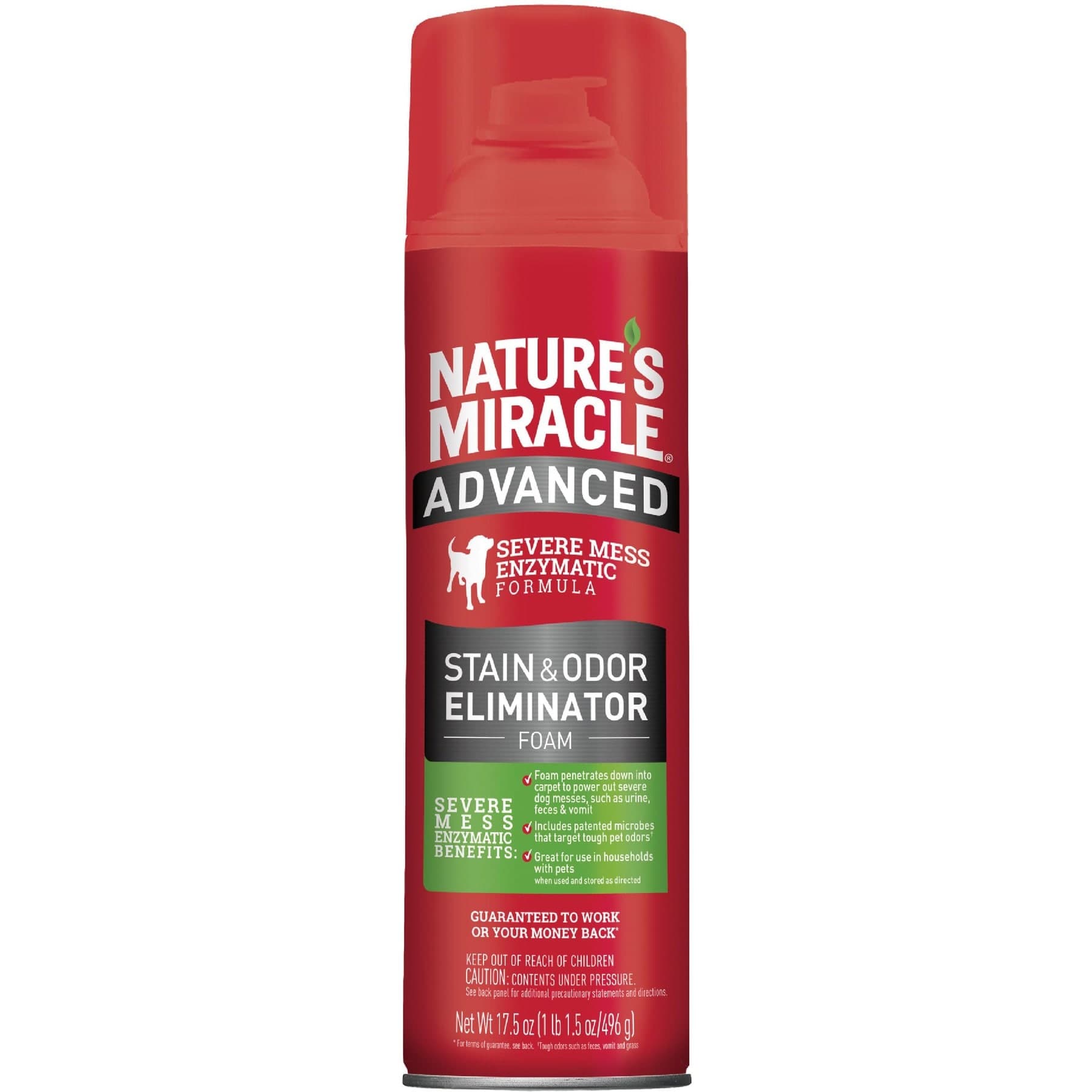
An enzymatic dog-accident cleaner for compatible surfaces. Follow the label; odor removal is not parasite disinfection.
Webvet may earn a commission when you click through to Chewy, at no extra cost to you.
If a green stool has a slimy coating, record both features; mucus in dog poop explains the coating and straining pattern. For yellow-green changes or a color change after chicken and rice, see yellow dog poop and report the diet history.
For a wider view of consistency and frequency, see dog diarrhea and its causes. Green stool is one observation within that picture, not a diagnosis in itself.
Grass, food coloring and faster gut transit
Soft green poop may reflect faster gut transit, diet or intestinal illness; softness and green color do not identify which one. Grass or green coloring in food can influence stool appearance. Record the main diet, new treats, chews and anything eaten outdoors. Do not assume grass eating is proof that your dog was correcting a digestive problem. It may be relevant history without explaining why diarrhea or vomiting developed.
Bile pigments also change as intestinal contents move through the gut. Faster transit can affect the final color, including greenish shades. That explains a mechanism, not the underlying cause. A change in diet, intestinal inflammation and other problems can all affect bowel movements, so the dog's wider condition still matters.
For indoor accidents, an enzymatic pet cleaner can help with stains and odor on compatible surfaces after the solid waste is removed. Follow the label and keep pets away during use. This is household cleanup, not a test for the cause or a substitute for organism-specific disinfection if an infection is diagnosed.
Building an exposure timeline
Write down a simple timeline: recent meals and treats, an outdoor exposure, the first unusual stool and any vomiting or appetite change. Avoid introducing several new foods to “correct” the color. Multiple changes make it harder to determine whether the original trigger has stopped or the gut is reacting to something new.
A dog may appear normal with a food-related color change, but normal behavior does not establish that all exposures were harmless. If you know a potentially dangerous product was accessible, act on that exposure rather than waiting for the dog to look ill. Save the packaging or a label photo if it is safe to do so.
 Sponsored
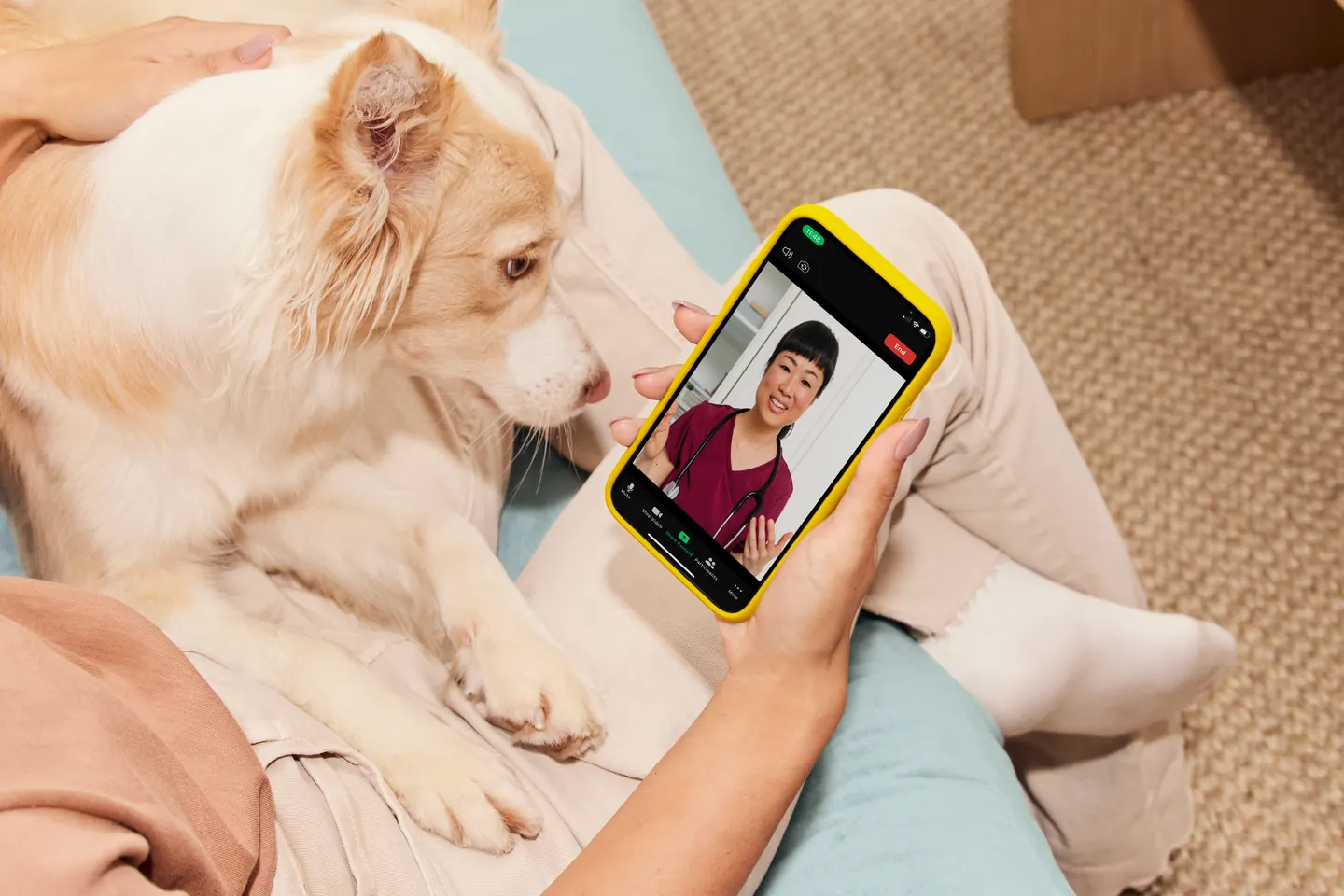
Vet care that's always there
Unlimited video calls and messaging with licensed vets for less than a typical vet visit. One membership covers up to five pets.
Use code Pets30
Plans start at $11/month · covers up to 5 pets
- Licensed vets in most states
- Rx for 150+ conditions
- 4.7 on Trustpilot
When green stool could follow an exposure
Some rodent baits are green, which is why green stool can raise this concern. However, bait comes in different colors and formulations. Not all green material is poison, and dangerous ingestion does not have to produce green stool. The exact active ingredient and amount are more useful to the veterinarian than the stool shade.
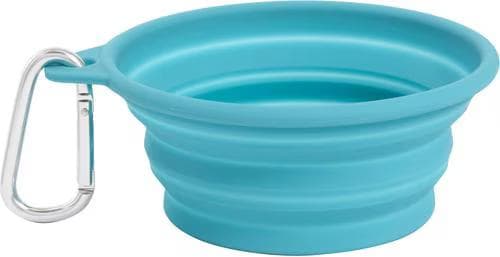
A collapsible travel bowl for access to plain water during necessary trips. Choose a size appropriate for your pet.
Webvet may earn a commission when you click through to Chewy, at no extra cost to you.
Call promptly after possible bait exposure. Give your dog's weight, the product name, estimated amount and timing if known. Do not induce vomiting, give charcoal or offer a home antidote unless a veterinary professional specifically directs it. Different toxins need different management, and delaying for an online color comparison can lose useful treatment time.

For an otherwise stable dog being monitored under veterinary advice, keep plain water accessible in a clean bowl. A portable bowl can make water available during a necessary trip. Do not force water into a weak or vomiting dog, and do not interpret drinking as proof that fluid losses are adequately replaced.
Prevent further exposure
Keep the dog away from the suspected area and prevent other pets from accessing it. A closed bait station is still something to report if it was damaged or accessible. Do not use an apparently intact station as proof that no product was ingested. Ask the clinic what information or material it wants brought in.
Lawn products, medications and other household substances may also be relevant exposures. Describe what actually happened rather than labeling every green stool a poisoning or dismissing the possibility because the dog is still active. When the product is unknown, say so; do not substitute a guessed ingredient.
Parasites, diarrhea and testing
Giardia can cause diarrhea, but there is no distinctive green color that diagnoses it. Other parasites and noninfectious bowel problems can produce overlapping signs. A fresh sample and the appropriate fecal tests help distinguish them. The Giardia stool guide explains the limitations of appearance and the role of testing.
A veterinarian may consider a probiotic as supportive care for a specific assessed digestive problem. Use a dog-appropriate product and the instructions selected for that case. It is not a natural cure for Giardia, an antidote for bait or a replacement for treatment when a parasite is identified.
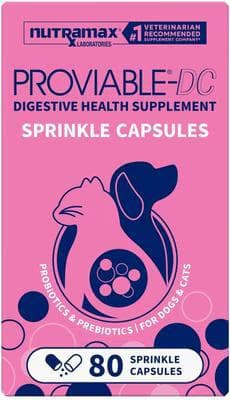
A dog-appropriate probiotic option to discuss with your veterinarian for an assessed digestive problem. Not a universal treatment for abnormal stool.
Webvet may earn a commission when you click through to Chewy, at no extra cost to you.
There is no reliable household food or supplement that “kills Giardia naturally” in every dog. If it is diagnosed, follow the prescribed treatment and environmental advice. Ask whether other pets need assessment. An improvement in stool color alone does not establish that infection has cleared or that reinfection cannot occur.
Other illnesses cannot be identified by color
Parvovirus is another illness that cannot be diagnosed by a stool color chart. A puppy with vomiting, diarrhea or poor energy needs prompt veterinary advice regardless of whether the stool is green, brown or bloody. See parvo symptoms in dogs for the broader warning signs; breed or lack of visible blood should not be used to rule it out.
Green poop does not specifically identify pancreatitis either. Appetite, vomiting, discomfort and examination findings matter. Tell the veterinarian about those signs and avoid treating the stool as a color-coded diagnosis of a particular organ.
Record the fresh stool, recent meals and medicines, and any change in appetite, vomiting or energy. Follow the veterinary plan rather than choosing a remedy by color.
Collecting evidence and supporting recovery
Details to record for the stool assessment
Collecting evidence and supporting recovery starts with a fresh-stool record and the cause-specific plan. Photograph a fresh stool in neutral light before cleanup if that will not delay care. Record consistency, frequency, mucus, blood and any grass or unfamiliar material. Keep the phone image unfiltered. A useful record shows what you observed without pretending the image can answer questions that require testing.

- Fresh stool: the time passed, color, consistency, amount, mucus or blood, and how often your pet tries to pass stool.
- Other signs: appetite, vomiting, energy and weight changes, including any difficulty keeping water down.
- Recent changes: meals, treats, supplements, medicines, possible exposures and relevant previous illness or test results.
If the clinic requests a sample, use a clean container and avoid old soil-contaminated waste. Label when it was collected and follow storage instructions. Keep samples away from food and wash your hands after handling. If poisoning is possible, ask whether the clinic needs product packaging as well; do not collect material in a way that exposes you to the substance.
Follow the feeding plan advised for the cause. Do not repeatedly alternate bland meals, rich treats and new kibble to chase a normal color. Fresh water, appropriate food and monitoring may support recovery, but a dog that worsens needs reassessment rather than another supplement.
How to monitor recovery
What helps green poop go away depends on its cause. Follow the veterinarian’s recovery plan and report continuing diarrhea or new signs rather than adding remedies to change the color. How long green stool lasts depends on what caused it. A food-color effect and continuing intestinal disease do not follow the same timeline. Ask your veterinarian when to report lack of improvement, and contact the clinic sooner for vomiting, poor appetite, weakness, blood or worsening diarrhea. The goal is stable digestion and a well dog, not color change alone.
Sources
Sources: ASPCA Animal Poison Control, VCA: diarrhea in dogs and Great Pet Care: green dog poop.
Frequently asked questions
What parasite causes green poop in dogs?
No parasite is tied to one stool color. Giardia can cause diarrhea, but there is no distinctive green shade that diagnoses it, and other parasites and noninfectious bowel problems can look similar. A fresh sample and the right fecal tests are what separate them. Contact your veterinarian if green stool repeats, persists or comes with other signs.
What color is parvo diarrhea?
Parvovirus cannot be identified from stool color, so green, brown or bloody all leave the question open. What matters is the puppy: vomiting, diarrhea or poor energy needs prompt veterinary advice whatever the stool looks like. Do not rule parvo out because you see no blood or because of your dog's breed.
What kills Giardia naturally in dogs?
No reliable household food or supplement kills Giardia naturally in every dog. A probiotic is not a cure for it. If Giardia is diagnosed, follow the treatment and environmental advice your veterinarian gives, and ask whether other pets need assessment. Better stool color alone does not show the infection has cleared.
Veterinarian · BVMS MRCVS
Dr. Pippa Elliott, BVMS, MRCVS, is a veterinarian with nearly 30 years of experience in companion animal practice. Dr. Elliott earned her Bachelor of Veterinary Medicine and Surgery from the University of Glasgow. She was also designated a Member of the Royal College of Veterinary Surgeons. Married with 2 grown-up kids, Dr. Elliott has a naughty Puggle named Poggle, 3 cats and a bearded dragon.


