How to Tell if a Dog Food Is Right for Your Dog: 8 Signs Vets Check
A vet explains how to tell if a dog food is right for your dog, with an 8-sign checklist covering stool, appetite, coat, skin, energy, and body condition, plus the red flags that mean calling your vet.

BVMS MRCVS
Medically reviewed by Dr. Pippa Elliott, BVMS MRCVS · Last reviewed

This article contains affiliate links. Webvet may earn a commission when you buy through them, at no extra cost to you.
Wondering how to tell if a dog food is right for your dog? The honest answer is that your dog shows you, through eight body signs a vet checks at every visit: stool, digestion, appetite, mealtime interest, coat, skin, energy, and body condition. Some of those signs change within days of a switch, while others need weeks to show.
This guide gives you a scored 8-sign checklist with timelines, explains what good looks like for each sign, and separates normal adjustment from the vet red flags that mean a food is not working. It finishes with the label checks worth doing before a new bag or pack ever reaches the bowl.

 Sponsored
Have a health question about your dog?
Talk to a licensed vet at Dutch over video or message, including nights and weekends.
Use code Pets60
Plans start at $12/month · covers up to 5 pets
- Licensed vets in most states
- Rx for 150+ conditions
- 4.7 on Trustpilot
How to tell if a dog food is right for your dog: the 8 signs
A really good dog food is not defined by the marketing on the front of the bag. It is the food your individual dog digests well, eats with interest, and maintains a healthy body on, month after month. The same recipe can suit one dog perfectly and disagree with another, which is why the dog, not the label, has the final say.
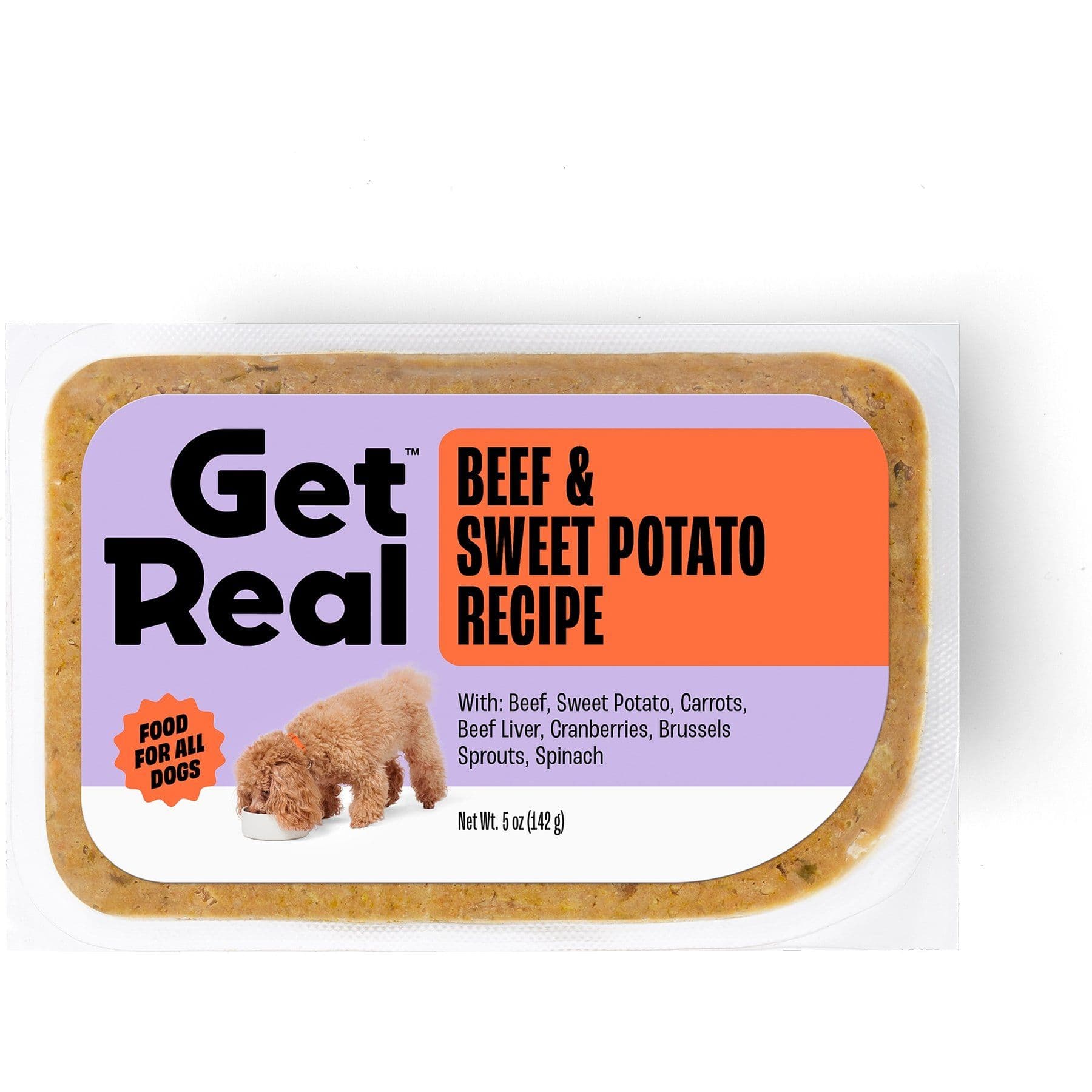
Want a short, readable label to trial? Get Real Beef & Sweet Potato is made with 10 ingredients or less plus vitamins and minerals, with beef listed first.
Webvet may earn a commission when you click through to Chewy, at no extra cost to you.
- 1Give a new food four to six weeks before judging coat, skin, and weight; stool changes show within days.
- 2The eight signs are stool, digestion, appetite, mealtime interest, coat, skin, energy, and body condition score.
- 3Mild soft stool or gas in the first week of a switch is usually normal adjustment.
- 4Vomiting, diarrhea over 48 hours, blood in stool, or weight loss mean a call to your vet.
Timing matters as much as the signs themselves. Give a food 4 to 6 weeks before judging coat and weight, because new hair growth and gradual changes in body condition take that long to show. Stool and digestion, by contrast, usually respond within the first few days. Score each sign as good, borderline, or a concern at the end of week one, then again at week four to six.
| Eight body signs | What good looks like | When it shows | Red flag signs |
|---|---|---|---|
| 1. Stool quality | Firm, formed stool that holds shape when picked up | Within 3 to 7 days | Watery stool, blood, black or tarry stool |
| 2. Settled digestion | Normal frequency, little gas, no gurgling | Within 1 to 2 weeks | Repeated vomiting or diarrhea over 48 hours |
| 3. Steady appetite | Finishes meals at a normal pace | Within days | Refusing food for more than a day |
| 4. Mealtime interest | Comes to the bowl keenly at mealtimes | Within 1 to 2 weeks | Lethargy at meals or sudden disinterest |
| 5. Coat shine | Glossy coat with little dander | 4 to 6 weeks | Patchy hair loss or a dull, brittle coat |
| 6. Calm skin | No new scratching, redness, or ear trouble | 2 to 6 weeks | Constant itching, hot spots, or ear infections |
| 7. Steady energy | Normal play and walk stamina | 1 to 3 weeks | Weakness or tiring much faster than usual |
| 8. Body condition | Ribs felt easily under a light fat cover | 4 to 6 weeks | Weight loss or a fast weight gain |
| Eight-sign checklist with timing and red flags | Score each sign good, borderline, or a concern | Week 1, then week 4 to 6 | Any red flag means a vet call |
Use the table as a scored 8-sign checklist with timelines: mark each of the eight body signs good, borderline, or a concern, then read the result this way:
- Mostly good at six weeks: the food is working; keep it and keep the portion steady.
- One or two borderline signs: watch them for another two weeks, and consider adjusting the portion before changing the recipe.
- Any red flag sign: call your veterinarian rather than starting another food change.
If you are still choosing which food to trial, starting with smaller amounts of several recipes can help you learn what your dog prefers. A Get Real Sampler Pack lets you try beef, chicken, and turkey recipes before settling on one for the full four to six week trial.
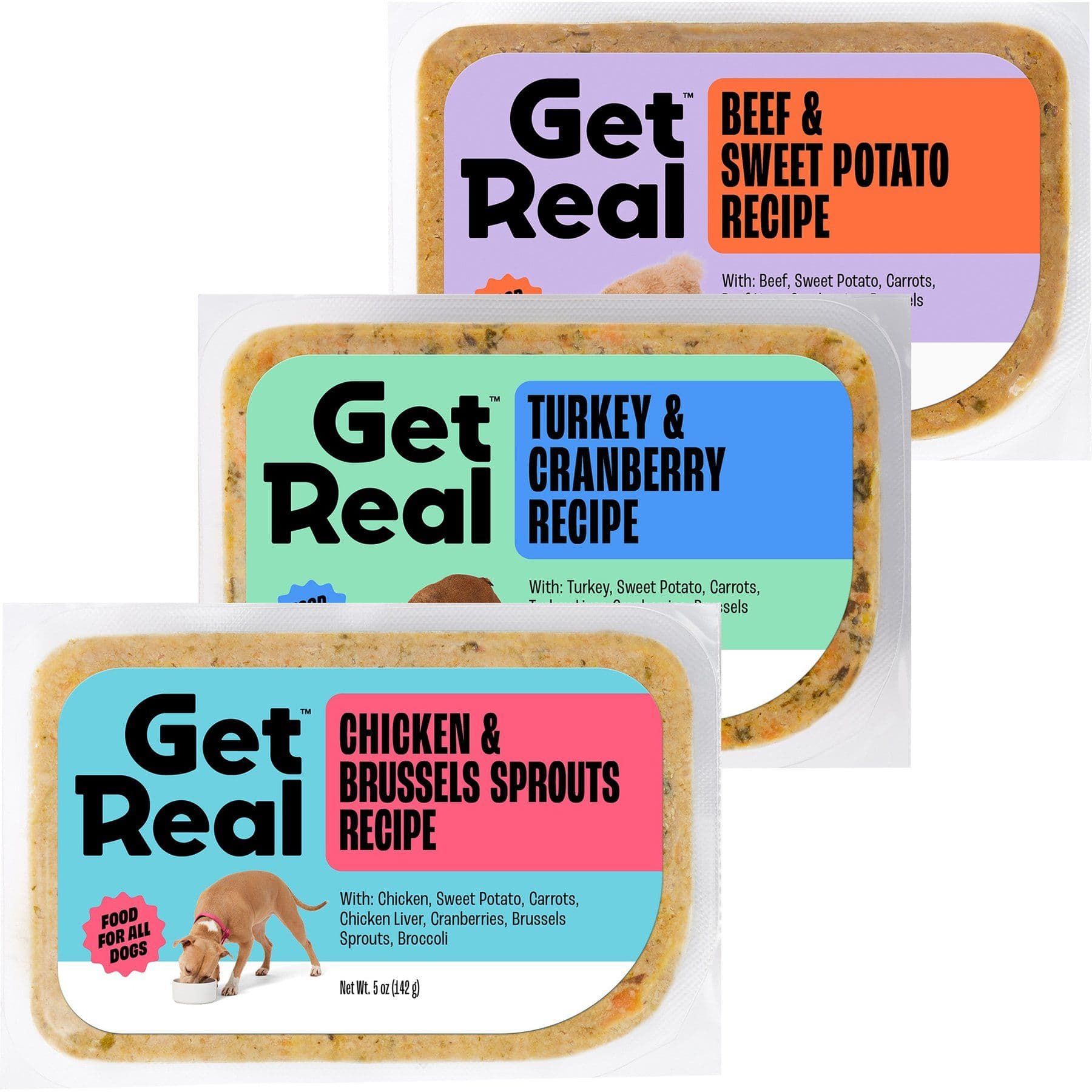
Not sure which protein to trial? The Get Real Sampler Pack includes beef, chicken, and turkey recipes, so you can see which one your dog prefers before starting a full switch.
Webvet may earn a commission when you click through to Chewy, at no extra cost to you.
Signs 1 and 2: stool quality and settled digestion
Stool is the fastest feedback you will get. A dog doing well on a food passes firm, formed stool and normal frequency, usually one to three times a day for an adult. Vets often use a fecal score, a numbered scale running from hard, dry pellets to watery diarrhea; a score near the firm end, with segmented logs that leave little residue, is the goal. Our guide to dog poop on fresh food covers colors and textures in more detail.
Transitioning a dog to a new food is where most digestive upsets start. A sudden change gives the gut bacteria no time to adjust, so make the transition gradual: switch over 7 to 10 days, mixing a little more of the new food each day. Sensitive dogs often do better over 10 to 14 days. The full mixing schedule is in our guide to transitioning dog food.
Gently cooked, short-ingredient foods make this stage easier to read, because fewer ingredients mean fewer variables. The Get Real Chicken & Brussels Sprouts Recipe, for example, lists a maximum fiber of 1 percent and a maximum moisture of 75 percent, so stool may become smaller while still being well formed. Here is how to read the common reactions in the first two weeks:
- A dog pooping more with new food: often reflects more moisture and fiber, or simply a larger meal volume. If stool stays formed, it is usually normal adjustment.
- A dog pooping less on new food: common with highly digestible, lower-fiber diets, because more of the meal is absorbed and less reaches the colon.
- A dog that has gas from new food: mild gas during the first week or two is typical as gut bacteria adapt; persistent gas after that suggests the recipe or amount does not suit.
- A dog throwing up new food: a single episode after a quick switch is often a pace problem. Repeated vomiting is not a food-trial result; it needs your vet.
Signs 3 and 4: steady appetite and interest at mealtime
- Sign 3, steady appetite: your dog finishes meals at a normal pace without wolfing frantically or walking away.
- Sign 4, mealtime interest: your dog comes to the bowl keenly at the usual times, a sign the food is palatable and agrees with them. Both usually settle within the first week or two.
Will dogs eat if they're not hungry? Many will, especially when the food is very tasty, which is why appetite alone cannot prove a food is right. A dog who eats eagerly but develops loose stool, itching, or weight change is still sending a mixed message. Read appetite alongside the other signs, not on its own.
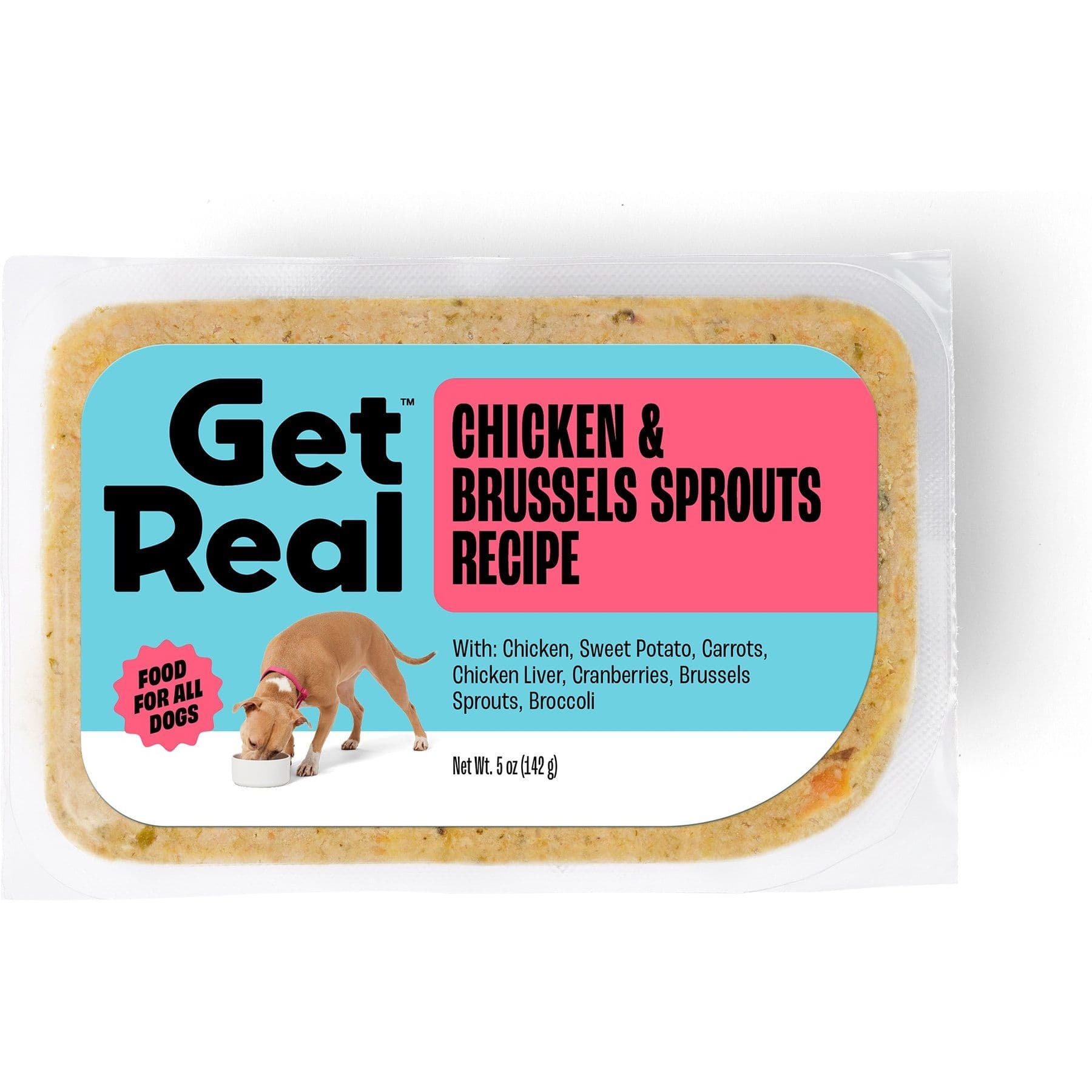
Planning a gradual switch? Get Real Chicken & Brussels Sprouts comes gently cooked and frozen in pre-portioned packs, which makes small, measured additions easy over 7 to 10 days.
Webvet may earn a commission when you click through to Chewy, at no extra cost to you.
When a dog won't eat a new food, the cause is usually caution rather than a problem with the recipe, because dogs are often wary of new smells and textures. If your dog is refusing to eat the new food for a meal or two but is still bright and drinking, a slower mix with more of the familiar food usually helps. Before you decide your dog doesn't like the new food, try these steps:
- Return to a ratio your dog accepted, then increase the new food more slowly.
- Serve meals at the same times each day and lift the bowl after 20 minutes.
- Cut back on treats, which blunt hunger at mealtimes.
- Let refrigerated food sit briefly to take the chill off, which brings out its smell.
Meal timing and frequency matter too, and they are covered in our dog feeding schedule guide, including whether one or two meals a day suits your dog. Appetite loss that lasts longer than a day, or comes with vomiting or lethargy, is a reason to call your vet rather than to keep adjusting the food.
 Sponsored
Vet care that's always there
Unlimited video calls and messaging with licensed vets for less than a typical vet visit. One membership covers up to five pets.
Use code Pets60
Plans start at $12/month · covers up to 5 pets
- Licensed vets in most states
- Rx for 150+ conditions
- 4.7 on Trustpilot
Signs 5 and 6: coat shine and calm skin
Coat and skin are slow signs. A hair coat reflects the nutrition available while each hair was growing, so the effect of a new diet usually becomes visible after four to six weeks. Fatty acids, protein, zinc, and vitamins A and E all play a part, which is why a complete and balanced diet matters more than any single ingredient.
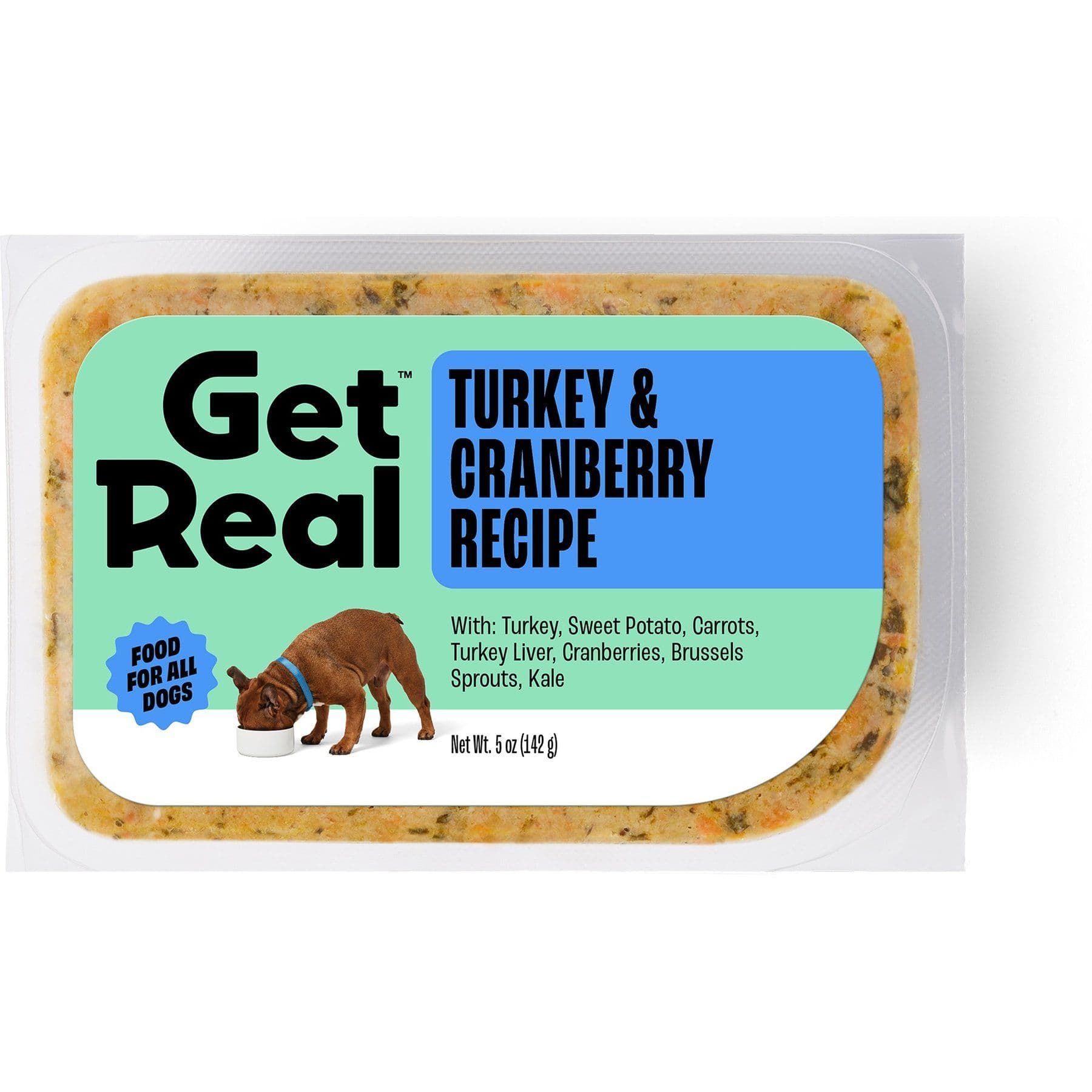
Trialing a new protein for the full six weeks? Get Real Turkey & Cranberry is gently cooked and frozen with 10 ingredients or less plus vitamins and minerals, so there are fewer variables to track.
Webvet may earn a commission when you click through to Chewy, at no extra cost to you.
What you are looking for is a glossy coat and calm skin. Part the fur in a few places, along the back, at the base of the tail, and behind the ears, and check for these signs:
- A coat with a natural sheen that feels soft rather than coarse or greasy.
- Little visible dander or flaking at the skin surface.
- No new redness, bumps, or areas of thinning hair.
- No increase in scratching, licking at the paws, or ear shaking.

Itching that starts or worsens after a food change may point to an ingredient that does not suit your dog, but skin problems have many causes, including fleas, environmental allergies, and infections. A vet can help sort out which applies before you blame the food.
Signs 7 and 8: energy and body condition
Steady energy means your dog plays, walks, and rests in their normal pattern. A food that meets your dog's needs should support the same stamina from week to week. A dog that tires noticeably faster, or seems flat at times they would normally be keen, deserves a closer look at the other signs.
Body condition is the most objective sign on the list. Vets use a body condition score, usually on a 9-point scale described in the WSAVA Global Nutrition Guidelines, where 4 to 5 is ideal. Check for ideal body condition by rib feel: run your flat hand along the side of the chest and you should feel the ribs easily under a light cover of fat, see a waist from above, and see a tuck behind the ribs from the side.

How to tell if a dog is underfed? These signs all suggest a dog is underweight:
- Ribs, spine, and hip bones that are visible or feel sharp with no fat cover.
- A very pronounced waist from above and a deep tuck from the side.
- Loss of muscle along the back and over the hips.
Weigh your dog every week or two during a food trial; a steady weight on a stable portion is a good sign. If weight is low and a vet has ruled out illness, our guide to fresh dog food for underweight dogs explains a gradual way to add calories.
Portions matter as much as the recipe. Fresh foods vary in calorie density, so the same weight of food can deliver different amounts of energy. The Get Real Turkey & Cranberry Recipe lists 1,394 kcal per kg, compared with 1,260 kcal per kg for the chicken recipe, which is worth knowing if your dog's weight is drifting up or down.
Before the bowl: what to check on the label
How do I choose the right dog food for my dog? Start with the label, then let the body signs confirm the choice. Choosing a good dog food begins with a few checks you can make in a minute, and our guide on how to read a dog food label walks through every panel.

Here is what to look for in good dog food before you buy:
- A nutritional adequacy statement. Look for wording that the food is formulated to meet AAFCO nutrient profiles, and for which life stage. That is what makes a food complete and balanced rather than a treat or supplement.
- The right life stage. Adult maintenance, growth, or all life stages; large-breed puppies need a food that covers growth for large dogs.
- A named protein first. Ingredients are listed by weight, so a named meat at the top tells you the main protein source.
- A guaranteed analysis you can compare. Protein, fat, fiber, and moisture minimums and maximums.
- Calorie content. Listed as kcal per kg or per cup or pack, so you can portion accurately.
Our explainer on complete and balanced dog food goes deeper on what the AAFCO statement does and does not promise. An inexpensive but good dog food can pass all of these checks; price on its own does not tell you whether a food suits your dog.
Get Real, Chewy's fresh dog food line, is one example of a label that is easy to read against this checklist. Its recipes are gently cooked and then frozen, made with human-grade ingredients and 10 ingredients or less plus vitamins and minerals, and formulated to meet AAFCO nutrient profiles for all life stages, including growth of large dogs. The Get Real Beef & Sweet Potato Recipe lists beef first, followed by sweet potato, carrots, and beef liver.
When a food is not working: switching and seeing your vet
Most dogs show a clear picture by six weeks. If several signs are borderline, the food may still be a reasonable fit at a different portion size, so adjust the amount before you abandon the recipe. If the signs are poor, switch over 7 to 10 days to a different food rather than changing overnight, and give the next food the same four to six week trial. Normal adjustment and real problems look different, and it helps to know which is which:
- Normal adjustment: slightly soft stool for a few days, mild gas, a change in stool color, or a dog who is cautious about a new texture.
- Worth watching: stool that stays soft past two weeks, gas that does not settle, or a coat that has not improved by six weeks.
- Vet red flags: vomiting, diarrhea over 48 hours, weight loss, blood in stool, black or tarry stool, or a dog who stops eating.
These vet red flags are separated from normal adjustment for a reason: changing foods again can hide the cause and delay treatment. The Merck Veterinary Manual lists dietary intolerance as only one of many causes of vomiting and diarrhea, alongside parasites, infection, and organ disease. When in doubt, call your veterinarian, describe what you have seen on the checklist, and bring a note of the food and how you switched.
Questions owners ask about a new dog food
Frequently Asked Questions
How to tell if a dog food is good?
Start with the body signs: firm stool, a steady appetite, a glossy coat, calm skin, steady energy, and an ideal body condition after four to six weeks. Then do the label checks, including an AAFCO adequacy statement for your dog's life stage. Visible body signs confirm what the label promises.
How long does it take to know if a new dog food is working?
Expect stool changes within days, while coat, skin, and weight need four to six weeks. Treat that as your judging window for a new dog food, and score the eight signs at week one and again at week six before deciding.
Why is my dog throwing up after a new food?
The most common reason is too fast a switch, which gives the gut no time to adapt. Go back to a ratio your dog tolerated and slow down. If vomiting happens more than once, or comes with lethargy or diarrhea, call your vet.
Is it normal for my dog to poop more on a new food?
Often, yes. Changes in moisture and fiber, or a larger volume of food, can increase how often a dog goes. As long as your dog passes formed stool and stays bright, it is usually part of adjustment.
What if my dog won't eat the new food?
Try a slower mix with more of the familiar food, keep regular mealtimes, and cut back treats. Appetite loss lasting more than a day, or with vomiting or lethargy, needs a vet check.
Does a dog have gas from a new food?
Mild gas is common during the normal adjustment period of the first one to two weeks. Persistent gas after that suggests the recipe, the amount, or the pace of the switch does not suit your dog.
Veterinarian · BVMS MRCVS
Dr. Pippa Elliott, BVMS, MRCVS, is a veterinarian with nearly 30 years of experience in companion animal practice. Dr. Elliott earned her Bachelor of Veterinary Medicine and Surgery from the University of Glasgow. She was also designated a Member of the Royal College of Veterinary Surgeons. Married with 2 grown-up kids, Dr. Elliott has a naughty Puggle named Poggle, 3 cats and a bearded dragon.
Related reading

Easily Digestible Dog Food: What Makes a Meal Gentle on Your Dog's Gut

Fresh Dog Food for Underweight Dogs: Safe Weight Gain, Step by Step

Get Real Feeding Guide: How Much to Feed as a Full Meal or Topper
