How to Crate Train a Puppy: A Gradual Step-by-Step Plan
Teach comfortable crate use through voluntary entry, short closures, and gradual absences. Plan fit, toileting, daytime practice, and first nights around your puppy.

This article contains affiliate links. Webvet may earn a commission when you buy through them, at no extra cost to you.
Learning how to crate train a puppy starts with making the crate a comfortable choice. Reward approaching and entering an open crate, practice brief door closures while you stay nearby, and increase time only when the puppy remains comfortable. Plan toilet breaks and companionship around the puppy’s actual needs instead of expecting a new puppy to tolerate a full workday alone.
 Sponsored
Want a vet's help with your dog's anxiety or behavior?
Talk to a licensed vet at Dutch over video, often the same day. They can recommend treatment and prescribe it when it's appropriate.
Use code Pets30
Plans start at $11/month · covers up to 5 pets
- Licensed vets in most states
- Rx for 150+ conditions
- 4.7 on Trustpilot
Choose a safe puppy-sized crate and location
A crate can provide a resting place and help manage short periods when direct supervision is difficult. It does not teach bladder control by itself, replace interaction, or make an unsafe absence appropriate. A puppy still needs sleep, toileting opportunities, food, water, play, and contact with people. Think of crate training as teaching comfortable confinement, one small experience at a time.
For a new puppy crate setup, choose enough space to stand, turn, lie down, and rest comfortably. Check the doorway and interior, not just the number in the product name. A compatible divider can adjust the living area as the puppy grows. Our dog crate size guide explains the measurement and posture checks.
- 1Reward voluntary entry and keep early practice easy.
- 2Meet toileting needs before confinement and whenever the puppy needs a break.
- 3Increase duration only while the puppy remains comfortable; panic is a reason to stop and seek help.
The MidWest iCrate 36-inch double-door crate is one wire option with a divider. Its listed 41-to-70-pound size category is a shopping reference, not proof that it fits your puppy. Follow the divider instructions and repeat the standing, turning, and resting checks as the puppy grows. A smaller puppy may need a different crate or a carefully adjusted compatible divider.
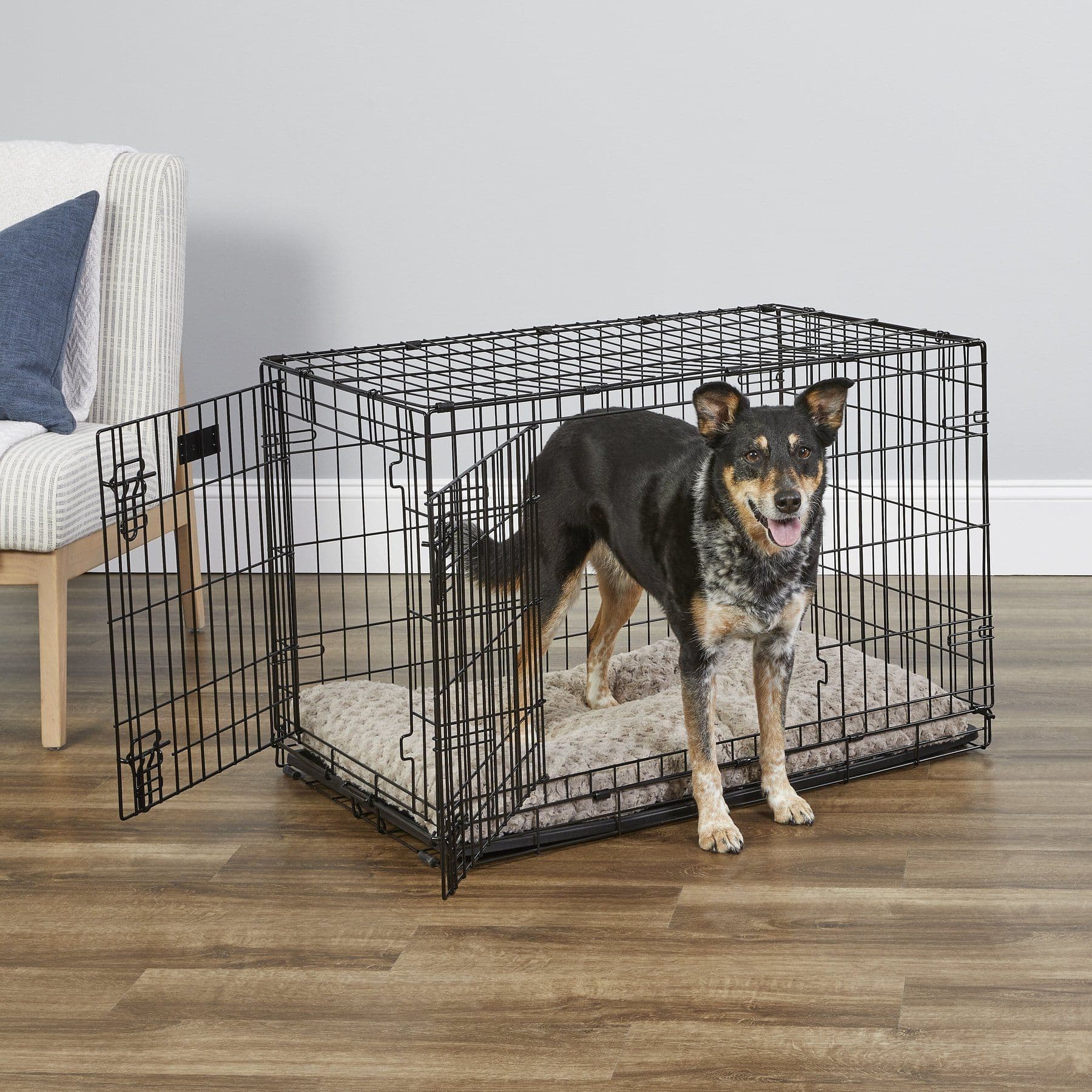
A 36-inch wire crate with a divider; choose by your puppy’s actual fit.
Webvet may earn a commission when you click through to Chewy, at no extra cost to you.
Choose the place before the first session
Start in a quiet part of a room where you can stay nearby. Keep the entrance clear, the temperature comfortable, and cords or curtains beyond reach. A garage or isolated utility area is not a useful shortcut for keeping crying out of earshot. In an apartment or condo, choose a location that lets you respond promptly without constant hallway noise disturbing the puppy.
Wire, plastic, and other crate formats have different visibility, ventilation, cleaning, and handling features. Our dog crate comparison explains those choices. A household wire crate is not automatically a crash-tested car restraint or an airline-approved travel kennel. Choose travel equipment for the actual journey rather than transferring a home-training claim to it.
Introduce the open crate positively
Let the puppy investigate with the door secured open so it cannot swing shut unexpectedly. Reward a look toward the entrance, a step closer, or voluntary entry. Put an appropriate reward within easy reach rather than far enough inside that the puppy must stretch nervously to get it. If the puppy backs away, make the next invitation easier and leave room to retreat.

Resting materials are optional and depend on chewing behavior. The Frisco Swirl 30-inch crate mat is a separate size choice from the 36-inch crate above. Measure the usable resting area and the mat itself before combining products. Only use bedding the puppy leaves intact; remove it if the puppy tears it up or swallows pieces.
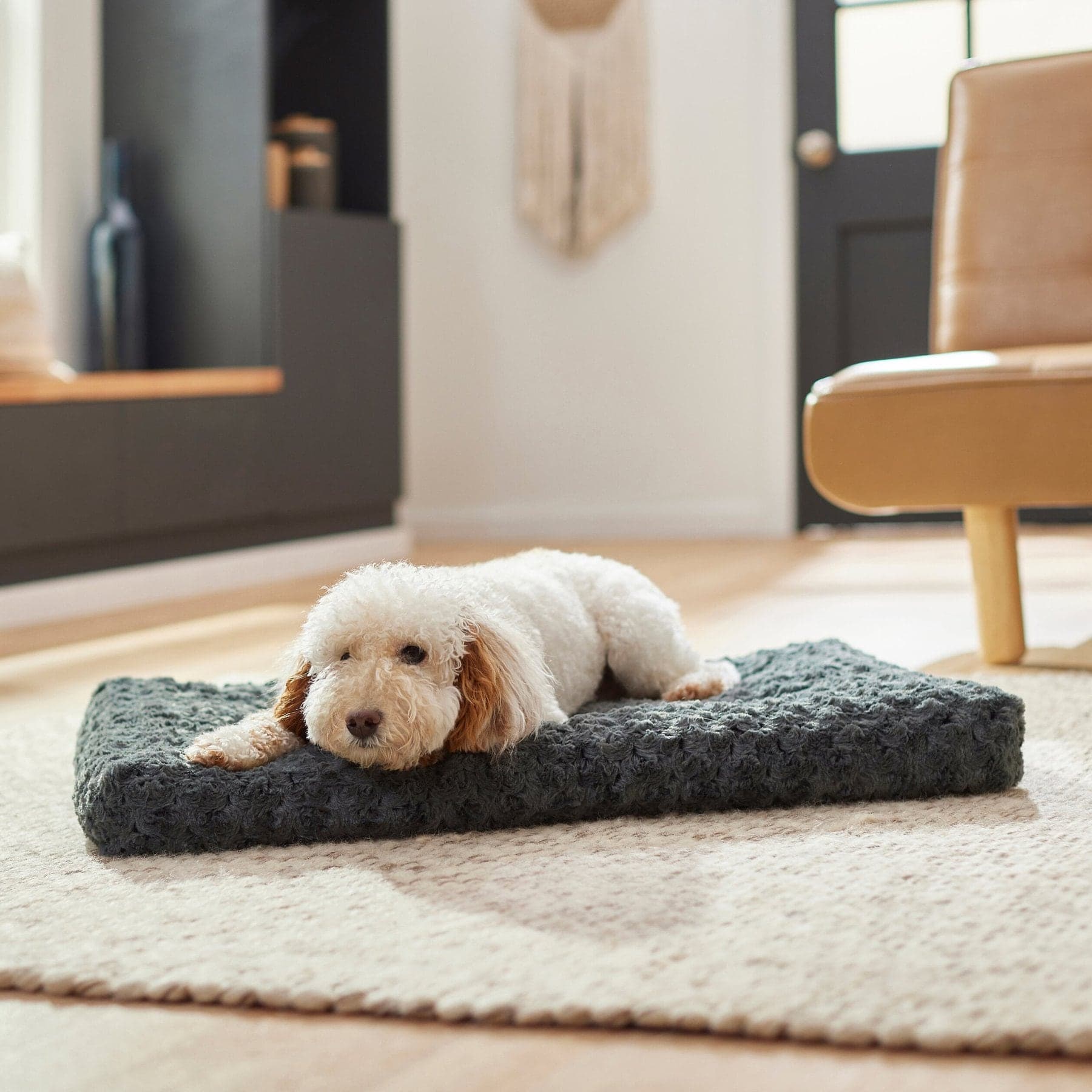
A 30-inch resting mat for puppies who leave bedding intact; measure the crate interior.
Webvet may earn a commission when you click through to Chewy, at no extra cost to you.
Build a reason to go inside
VCA’s crate-training guidance recommends positive reinforcement and pleasant experiences with the door open before progressing to closure. You can use part of a normal meal, suitable small training rewards, or a safe activity the puppy already enjoys. Keep the task simple enough that the puppy can choose to enter and return to you.
- Reward approaches before asking for complete entry if the puppy is hesitant.
- Place rewards so the puppy can find them without crowding or pushing.
- Let the puppy come out again during early practice.
- End after a few comfortable repetitions while the puppy is still willing to participate.
Once entry is predictable, add a short cue such as “crate” as the puppy moves toward it. Later, say the cue before rewarding entry. Do not repeat it while pushing the puppy inside; it should predict a positive experience.
If the puppy dislikes the crate
A puppy who freezes at the entrance, avoids the room, or refuses a normally valued reward needs a smaller step. Move the reward outside, shorten the session, or let the puppy rest elsewhere while you reassess the setup. Repeatedly carrying the puppy into the crate and closing the door can make avoidance stronger. Persistent distress deserves veterinary or qualified behavior advice.
Practice short door closures and calm release
After the puppy willingly enters and is comfortable inside, move the door briefly without latching it. Reward calm behavior, then reopen it. Progress to a brief closure with you immediately nearby. Change one challenge at a time: door movement, closure, a little duration, or your distance. Adding all four together makes it harder to see which part is difficult.
Do not use a countdown as proof of success. A short comfortable session is more useful than a longer one spent worrying at the door. Return to the last easy step after a difficult attempt. On the next session, start there rather than testing the same difficult interval repeatedly and hoping the puppy eventually gives up.
Add distance before a real absence
Once the puppy can settle with you beside the crate, briefly stand up or take a step away, then return. Practice small departures before leaving the home. Watching a camera during initial separations can reveal whether the puppy remains settled after you disappear. A puppy who looks quiet when you return may still have been distressed while alone.
| Practice step | Comfortable behavior to look for | When to step back |
|---|---|---|
| Open-crate exploration | Voluntary entry and easy exit | Hesitation, backing away, or freezing |
| Brief door movement | Puppy continues a comfortable activity | Startling or leaving whenever the door moves |
| Short closure with you nearby | Relaxed posture and ability to engage | Repeated pawing, persistent vocalizing, or escape attempts |
| A little more duration or distance | Puppy remains settled as one variable changes | Escalating distress or unmet toileting needs |
| Calm release | Puppy can leave safely without being rushed | Crowding the doorway or a session that was too difficult |
Small rewards make these repeated experiences practical. Wellness Soft Puppy Bites Lamb & Salmon treats are one option to check against the puppy’s age, diet, and tolerance. Use small portions and include training food in the daily feeding plan. A puppy too worried to eat needs a reduction in difficulty, not a more forceful attempt to deliver a treat.

Soft puppy treats for small rewards within the daily feeding plan.
Webvet may earn a commission when you click through to Chewy, at no extra cost to you.
For release practice, open the door calmly when the puppy can exit safely. Introduce a consistent release cue as the puppy learns the routine. Never slam the door toward a nose or paw. A panicking puppy needs the overwhelming session ended safely, not a demand for stillness.
 Sponsored
Vet care that's always there
Unlimited video calls and messaging with licensed vets for less than a typical vet visit. One membership covers up to five pets.
Use code Pets30
Plans start at $11/month · covers up to 5 pets
- Licensed vets in most states
- Rx for 150+ conditions
- 4.7 on Trustpilot
Build duration without outrunning toileting needs
Use a puppy crate-training schedule based on observations rather than a rigid age-to-hours formula. Fit short practice and supervised breaks around meals, play, sleep, and the puppy’s toileting interval. Record each session so increases reflect what this puppy managed, not another dog’s timetable.
A flexible daytime sequence
- Offer an appropriate toilet break and meet the puppy’s immediate needs.
- Practice an easy crate step while you can observe the puppy.
- Release before the puppy becomes distressed or needs to eliminate.
- Provide supervised activity, rest, and another toilet opportunity as needed.
- Repeat an easy step later, changing duration only when comfort is consistent.
House training and crate training overlap, but they are different lessons. Take the puppy to the chosen toilet area, reward appropriate elimination, and supervise between opportunities. If the puppy pees or poops in the crate, review the interval, signals you may have missed, crate setup, and possible illness. Do not punish an accident or make the resting area uncomfortably small to try to prevent another one.
Using a crate for potty training works only as part of that supervised routine. A Labrador puppy and a smaller puppy both need prompt access to the chosen toilet area; the crate does not teach them where to go. Keep a record of successful trips and accidents so you can improve timing instead of relying on the crate to prevent every mistake.
How long does it take for a puppy to get used to their crate?
There is no single timetable. Previous experience, individual comfort, the environment, and the size of each training step affect progress. Look for willing entry and the ability to rest during repeated easy sessions before adding duration or distance. A difficult day calls for an easier step, not a deadline that the puppy must meet.
Workdays, very young puppies, and alternatives
A new puppy cannot be expected to tolerate eight hours in a crate because an adult works that long. Arrange a caregiver, adjusted schedule, or a safe management alternative that meets toileting and social needs. Working from home also requires planned breaks; being in the building does not meet those needs if the puppy remains confined and unattended throughout the day.
An eight-, ten-, or twelve-week-old puppy may need a very different routine from a puppy several months older, and age alone never establishes readiness. Young puppies need frequent opportunities to eliminate and individual assessment of how they handle separation. A six- or seven-week-old puppy also warrants veterinary guidance about age-appropriate care. Do not translate a month count into permission to leave the puppy for that many hours.
Keep rewards available before you begin. A Frisco Green training treat pouch can hold the small portions you have already chosen for the puppy. Prepare it outside the crate and keep it out of reach afterward. A pouch helps the caregiver deliver rewards consistently; it does not extend the puppy’s safe confinement time.
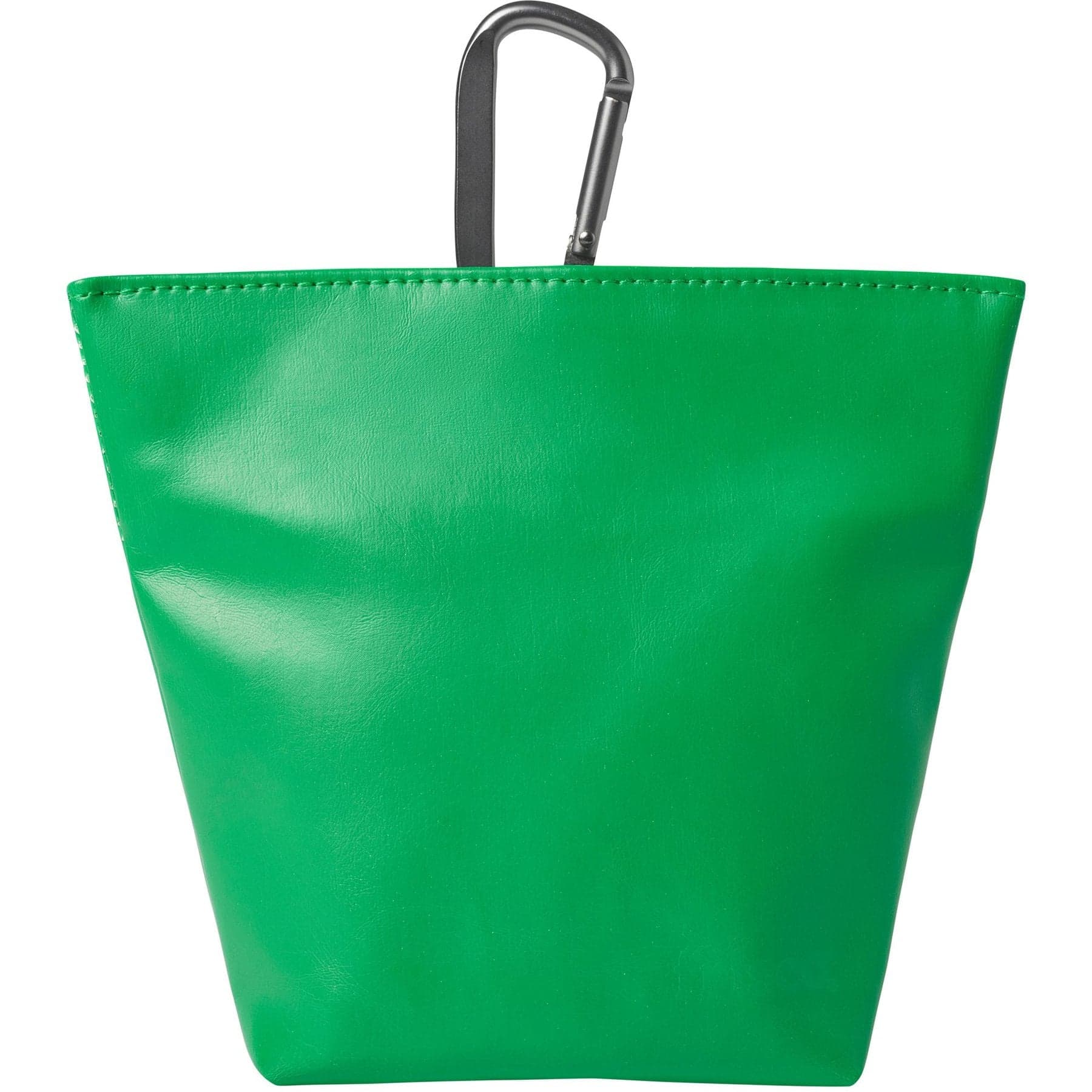
Keep rewards ready for short, comfortable crate-training sessions.
Webvet may earn a commission when you click through to Chewy, at no extra cost to you.
Crate training is not compulsory for every household. A puppy-proofed room or suitable pen can provide a managed area when a crate is unsuitable, provided it meets the puppy’s safety and supervision needs. House training without a crate still requires frequent toilet opportunities and reward-based learning. A larger area does not make all-day social isolation appropriate, and puppy pads are not a substitute for teaching the household’s intended toilet routine.
Nighttime placement and the first nights
The first night is a major change for a puppy. Before leaving a puppy in a crate overnight, plan a nearby sleeping location that lets you hear movement, recognize a toilet request, and offer calm reassurance. Some households use one suitable crate near daytime activity and another near the bedroom. Introduce each location gradually rather than assuming comfort with one immediately transfers to the other.

Where should a puppy crate go at night?
Choose a comfortable, ventilated place near enough that you can respond to the puppy, with a clear route for toilet trips. Avoid dangling bedding, electrical cords, heaters, and busy traffic through the room. If you eventually want the crate elsewhere, make the move gradually as the puppy becomes comfortable; there is no universal age at which it must leave the bedroom.
Respond to waking without turning it into playtime
A puppy who wakes after resting and begins fidgeting or vocalizing may need to eliminate. Take a quiet, supervised toilet trip and reward elimination appropriately. Keep the interaction calm, then return to the sleeping plan if the puppy is comfortable. A young puppy may not sleep through the night yet, even when daytime crate practice is going well.
To crate train a puppy without persistent crying or barking, build comfortable short sessions instead of testing an entire first night. Check needs and reduce difficulty if distress escalates. Our guide to a puppy crying in the crate explains how to respond to crying, including when nighttime distress needs professional assessment.
Safe crate contents and troubleshooting
Remove snagging collars, harnesses, and tethers before confinement. Keep cords and reachable fabric away. Assess chewing and bedding safety: inspect toys and resting materials for damage and remove unsafe items. Something marketed for puppies is not automatically safe to leave with every puppy unattended.
Does putting a blanket over a dog crate help?
Some dogs settle better with less visual activity, while others become hotter or more worried. A cover is optional, and it must not block ventilation or be reachable for chewing through the bars. Watch the puppy’s response while supervised. Remove the cover if it worsens discomfort, and do not use it to hide distress from view.
What not to put in a dog crate?
Avoid attached leads, snagging collars or harnesses, damaged toys, swallowable pieces, and bedding the puppy shreds. Water access and any medical or dietary needs should follow the puppy’s care plan; withholding water to reduce toilet trips is not a crate-training method. Ask the veterinarian about practical arrangements when the puppy needs a longer managed rest period.
Other dogs, setbacks, and behavior changes
Train puppies individually rather than shutting two puppies together and hoping they teach each other to settle. Give another household dog its own comfortable space so it cannot crowd the entrance or disturb the resting puppy. A puppy can learn while an older dog rests elsewhere; the dogs do not have to follow identical confinement routines.
Breed does not supply a training deadline. A Labrador, Chihuahua, or mixed-breed puppy still needs individual fit, toileting, and comfort checks. Apparent stubbornness may reflect confusion or a step that is too difficult. If a previously comfortable puppy suddenly resists the crate, check for pain, digestive or urinary problems, environmental changes, and whether duration increased too quickly.
To tell whether a puppy likes the crate, look for voluntary approaches, comfortable rest, and a willingness to return after release. A puppy marketed under a less familiar breed label, such as Native American Indian Dog, still needs those same individual checks. A breed name cannot establish confinement tolerance or replace observation of the actual puppy.
What puppy behavior is a red flag?
Red flags in puppy behavior include persistent salivation, frantic escape attempts, self-injury, inability to settle, or escalating distress call for help rather than stronger confinement. Sudden crying with signs of illness or pain also needs veterinary assessment. Crating a puppy as punishment for biting or ordinary puppy activity can undermine the positive association you are trying to build; use appropriate supervision and training for those behaviors separately.
Crate-training questions
Frequently Asked Questions
What is the fastest way to crate train a puppy?
The most useful approach is to keep practice easy enough for repeated success: voluntary entry, short comfortable closures, and gradual distance or duration. A positive experience builds willingness to return. There is no guaranteed one-day, three-day, or weekend result, and rushing past the puppy’s individual needs can make the process take longer.
At what age is it best to start crate training a puppy?
Start gentle, age-appropriate introductions when the puppy joins your household and is well enough to participate. Crate learning can begin at different ages; older puppies can learn too. Prior experience, health, toileting needs, and comfort determine the next step. Starting early does not mean expecting long periods alone from a very young puppy.
Can I leave my 8 week old puppy alone for 3 hours?
Do not assume that age makes three hours appropriate. Consider the puppy’s toileting needs, health, prior separation experience, and observed comfort, and arrange help when those needs cannot be met. Build absence gradually from successful short practice. A schedule should follow the individual puppy rather than forcing the puppy to fit an adult’s available hours.

Editor
The Webvet Editorial Team is the in-house group of pet-care editors and writers behind Webvet, operated by Smart Pet Collective. The team researches, writes, and maintains Webvet's pet health, behavior, and medication content. Every article follows a defined editorial process: research from reputable veterinary and scientific sources, careful drafting, mandatory review of medical content by a credentialed veterinarian, and dated publication. Health and medication articles are medically reviewed by a licensed veterinary professional before they go live and are kept current over time.


