Elevated Liver Enzymes in Dogs: What ALT and ALP Mean
High liver enzymes need context. Learn how vets interpret ALT and ALP, which symptoms change the urgency, what follow-up tests can reveal, and when diet or supplements fit the plan.

BVMS MRCVS
Medically reviewed by Dr. Pippa Elliott, BVMS MRCVS · Last reviewed

This article contains affiliate links. Webvet may earn a commission when you buy through them, at no extra cost to you.
Elevated liver enzymes in dogs are a finding on a blood test, not a diagnosis. They can point to liver-cell injury, altered bile flow, a medication effect or illness elsewhere in the body. The next step depends on which enzyme is high, how far it is above that laboratory's reference range, whether it persists and how your dog feels.
An otherwise comfortable dog with a small increase needs a follow-up plan. A dog with yellow eyes, repeated vomiting, collapse or a seizure needs prompt veterinary assessment. Neither situation can be judged from an ALT or ALP number alone.
What elevated liver enzymes in dogs actually mean
Your dog's liver processes nutrients and medications, produces important proteins and helps remove waste. Bloodwork can detect enzymes released by liver cells or produced in greater amounts under certain conditions. It cannot tell you, from those enzymes alone, how much useful work the liver can still do.
That distinction matters when a report says “high ALT,” “high ALP” or “elevated liver values.” Liver enzymes are not liver function tests. A dog may have high enzymes while retaining good liver function. Conversely, some dogs with advanced disease have relatively modest enzyme increases.
| Liver enzyme or related result | What it can tell your vet | What it cannot establish by itself |
|---|---|---|
| ALT: Alanine aminotransferase | Often signals liver-cell injury or leakage in dogs | The cause, the amount of functioning liver left or life expectancy |
| ALP: Alkaline phosphatase, sometimes ALKP | Can rise with reduced bile flow, corticosteroid effects or growing bone | That your dog has liver failure or needs a supplement |
| AST: Aspartate aminotransferase | Can accompany liver injury; muscle injury is another source | That an abnormal result comes exclusively from the liver |
| GGT: Gamma-glutamyl transferase | Helps assess bile-duct and bile-flow problems alongside other findings | The exact location or cause of a blockage |
| Bilirubin, albumin and bile acids | Provide different clues about waste processing, protein production and circulation through the liver | A complete diagnosis without the rest of the examination and testing |
Mildly elevated liver enzymes can be an early finding before symptoms develop. They may also accompany another illness, such as intestinal disease, without identifying a primary liver disorder. If bloodwork was performed before anesthesia, the vet uses the whole assessment to decide whether the procedure should proceed, be adjusted or wait. An isolated high value is not a universal anesthesia clearance or cancellation rule.
If your vet has recommended a liver-support product while investigating the result, confirm the exact formulation. Denamarin chewables contain SAMe and silybin; they are one option when that combination fits the plan. Their role is supportive. The supplement does not explain why the enzyme is high or replace the next diagnostic step.
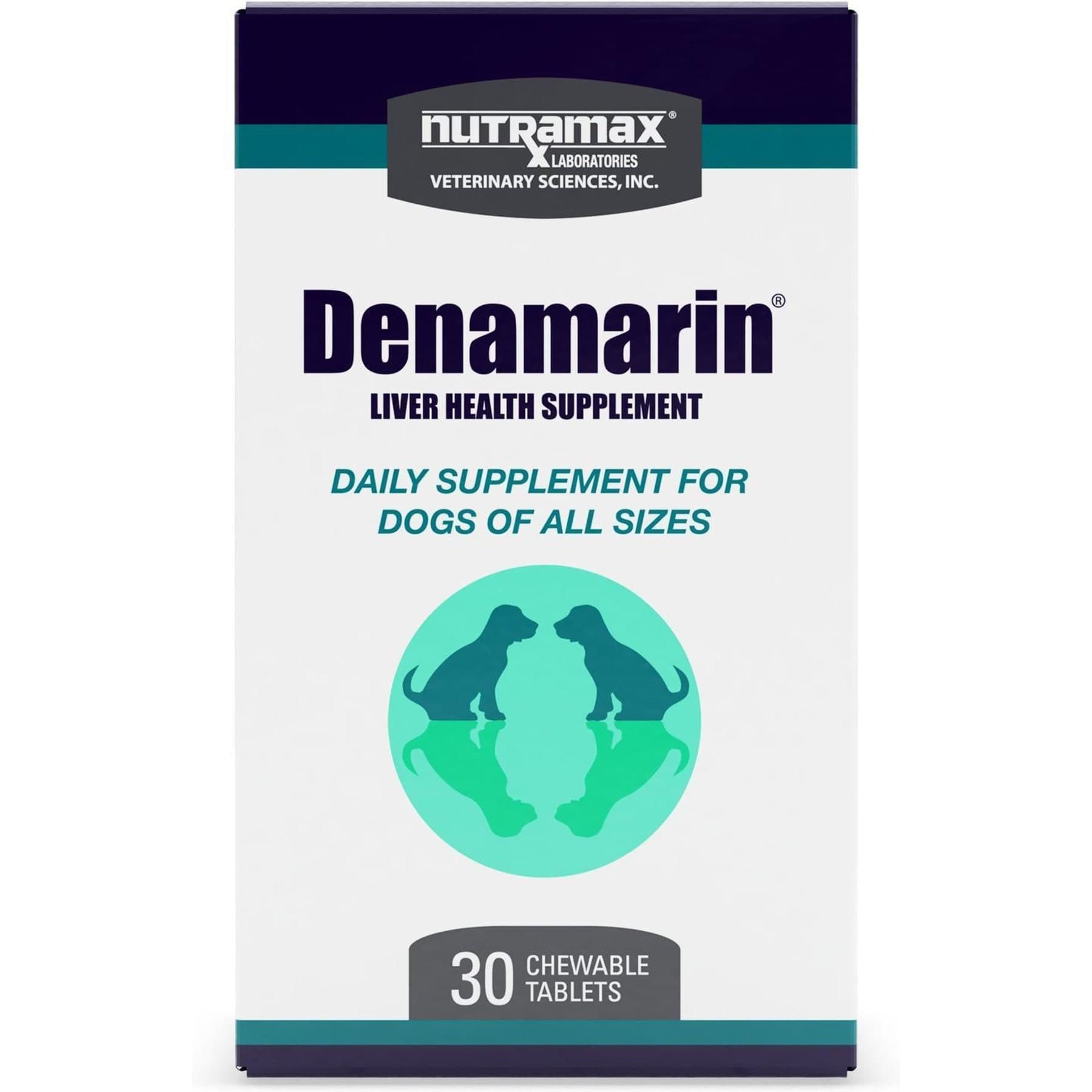
Chewable Denamarin for dogs whose veterinarian recommends this formulation. Follow its own label rather than substituting a coated-tablet schedule.
Webvet may earn a commission when you click through to Chewy, at no extra cost to you.
How high is too high? Read the range and the trend

There is no single normal ALT or ALP range that applies to every laboratory, age and testing method. Use the reference range printed next to your dog's result. A result of 200 is twice an upper reference limit of 100, but only slightly above an upper limit of 180. Those are different starting points for interpretation.
Similarly, “liver enzymes over 1,000” is incomplete information. ALT and ALP are different tests, and their numbers cannot be compared as if they measured the same thing. Even values in the thousands need context. A very high result deserves investigation, but the number alone does not prove irreversible injury, cancer or a particular survival time.
- 1Write down the enzyme name, units and laboratory's upper reference limit.
- 2Compare the current number with the previous result and the date it was measured.
- 3Bring a complete medication and supplement list, including recent changes.
- 4Ask what the next test is intended to clarify and when to repeat bloodwork.
Slightly elevated liver enzymes are more concerning when they persist, rise over successive tests or accompany other abnormalities. Your vet may recommend a repeat test for a well dog with a small unexpected change. A sick dog, a substantial increase or a worsening trend may justify testing sooner. Do not choose the waiting period from an online number chart.
A falling ALT can be encouraging when your dog is improving, but it is not a complete recovery certificate. The ACVIM consensus on chronic hepatitis explains that enzyme activity can fluctuate and may fall in late disease as liver tissue is lost. This is why your vet also follows appetite, weight, examination findings and other laboratory results.
The same distinction matters when choosing food. Hill's Prescription Diet l/d supplies low copper and controlled protein for appropriate diagnosed cases. It is a product to consider when your vet has identified that nutritional need, not a treatment selected from an enzyme number alone. Ask what the diet is intended to change before switching.
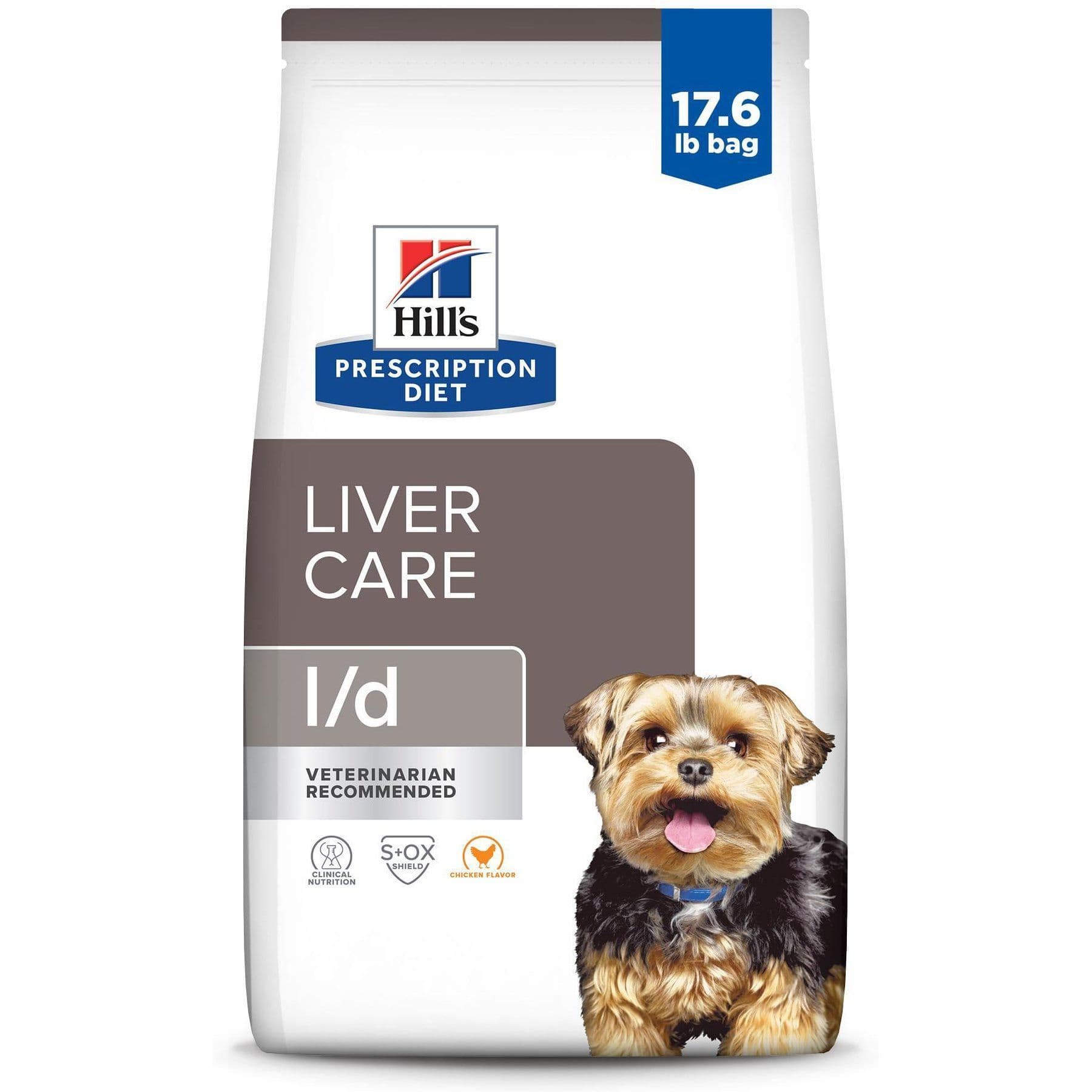
Hill's l/d is a veterinary liver-care diet for selected diagnosed conditions. A high enzyme result alone does not establish that this diet is appropriate.
Webvet may earn a commission when you click through to Chewy, at no extra cost to you.
Common causes of elevated ALT and ALP
ALT and ALP differences help guide the investigation. ALT often draws attention to injured liver cells. ALP in dogs has several possible sources, so an isolated high ALP is less specific. The vet considers the combination of results instead of assuming every elevated enzyme means the same disease.
Common possibilities include:
- Liver inflammation, including chronic hepatitis and copper-associated disease.
- Impaired bile flow involving the liver, gallbladder or bile ducts; nearby pancreatic inflammation can also affect this system.
- Medication effects, especially corticosteroids and some seizure medicines.
- Hormonal disease, including Cushing's disease, that changes liver cells or enzyme production.
- Liver masses or cancer, although high enzymes alone do not establish either diagnosis.
- Non-liver sources or influences, such as bone-related ALP in a growing dog.
Prednisone and phenobarbital deserve particular attention in the medication history. An enzyme increase during treatment is not automatically proof of dangerous drug-induced liver damage, but neither should it be dismissed without review. Do not abruptly stop a prescribed steroid or seizure medicine to make the numbers fall.
Tell the vet about antibiotics, pain medicines, supplements and possible toxin exposure, even if the packaging calls a product natural. A complete medicine history and underlying disease assessment are more informative than searching for one suspected ingredient. Bring:
- The name and strength of each product.
- The amount given and how often your dog receives it.
- Start dates and any recent changes.
Age also changes the possibilities. Growing puppies may have increased bone-associated ALP; older dogs may have hormonal disease, benign age-related liver changes or other illness. Senior-dog health checks help put the result in a broader context. Some toy breeds, including Maltese dogs, are predisposed to congenital liver shunts, but breed and age cannot establish why an individual dog has high enzymes. Merck’s overview of inherited liver conditions explains this distinction.
Stress and other health problems can influence bloodwork, but “he was nervous” is not an adequate explanation for a persistent elevation. Your veterinarian may consider conditions such as diabetes, thyroid disease or intestinal inflammation when the history and other results support them. Testing should follow those clues, rather than treating every possible cause at once.
Symptoms that change the urgency
Some dogs with elevated ALT or other liver enzymes have no symptoms; vets may call them asymptomatic. They continue eating, playing and behaving normally. That is useful information, but normal behavior does not rule out early liver disease. Keep the recommended recheck even if your dog seems completely well, and watch for the urgent signs below.
There is no reliable four-symptom test for liver damage. Four warning-sign groups that warrant prompt veterinary attention are:
- Yellowing of the eyes, gums or skin, called jaundice.
- Repeated vomiting, refusal of food or marked lethargy, especially when these are worsening.
- A swollen or painful abdomen, unusual bleeding or black, tarry stool.
- Confusion, head pressing, collapse or seizures.
Collapse, seizures, severe weakness or suspected poisoning warrant emergency care. Jaundice and repeated vomiting also need prompt assessment rather than a trial of home treatment. These signs can have causes outside the liver, so the examination remains essential.
Less dramatic changes, such as weight loss, increased thirst, altered appetite or intermittent digestive upset, are worth recording for the appointment. Note when they began and whether they followed a medicine or diet change. The VCA chronic-hepatitis overview explains why liver disease may be clinically quiet early on and more obvious as it progresses.
 $65 · no membership
Worried about your dog's vomiting or diarrhea?
A licensed vet can examine your dog over video and prescribe treatment online when it's appropriate.
 Talk to a vet
- Licensed vets
- All 50 states
- same-day Rx
Webvet may earn a commission if you book.
What your veterinarian may test next

The next test answers a specific question. A repeat chemistry panel asks whether the change persists. An ultrasound examines structure. A biopsy examines tissue. They complement one another; ordering one does not make the others redundant.
Your vet will usually review the full blood count, chemistry panel and urine results first. White blood cells may provide clues about inflammation or infection, anemia involves the red cells, and a low platelet count can affect the assessment of bleeding risk. High kidney values, urine protein, cholesterol or calcium abnormalities may change the investigation. They should not be collapsed into a single diagnosis of “high liver and kidney enzymes.”
Diagnosis can also determine which nutritional option is appropriate. Royal Canin Hepatic is a low-copper veterinary diet that may fit an established liver-care plan. Its label calls for intermittent or supplemental feeding, so the clinic should give the feeding instructions. An ultrasound finding or isolated high enzyme is not enough to choose this diet for yourself.
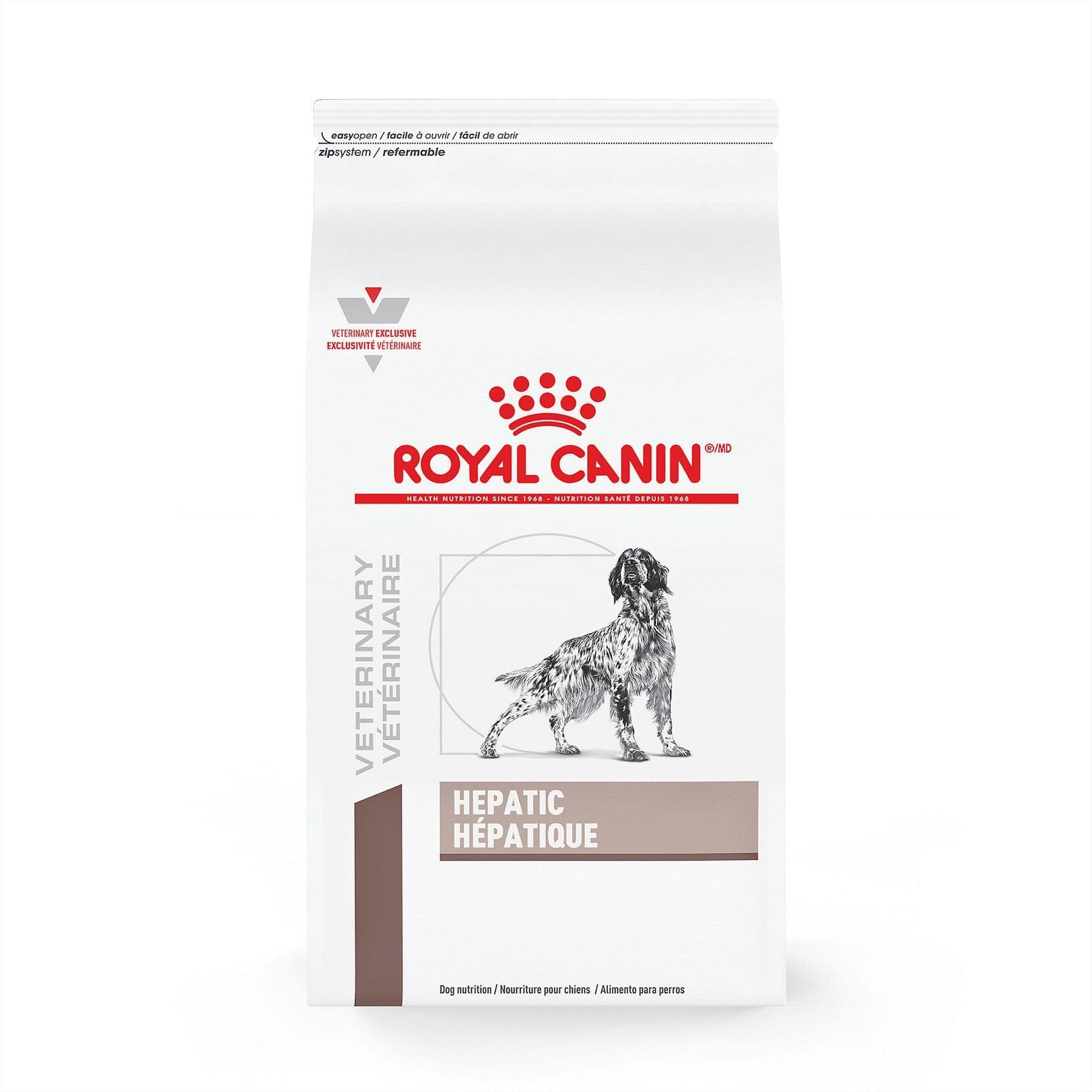
Royal Canin Hepatic is a veterinary diet with a specific nutritional purpose. Use the exact formula under veterinary direction rather than changing food from a lab number alone.
Webvet may earn a commission when you click through to Chewy, at no extra cost to you.
| Test or assessment | Main question it helps answer | Important limitation |
|---|---|---|
| Repeat chemistry panel | Is the enzyme increase persistent, improving or worsening? | A trend does not identify the cause by itself |
| CBC and urinalysis | Are there changes in blood cells, hydration, infection clues or urine findings? | These findings must be interpreted with the examination |
| Bilirubin, albumin and other chemistry results | Are waste handling, protein production or other systems affected? | Abnormalities may also have non-liver explanations |
| Bile acids testing | How effectively is blood being processed through the liver? | It is not the same as measuring ALT or ALP; preparation matters |
| Abdominal ultrasound | Are there changes involving liver size, tissue appearance, gallbladder or bile ducts? | A normal-looking scan cannot exclude every microscopic disorder |
| Liver biopsy, sometimes with copper measurement | What tissue disease is present, and is copper accumulation important? | It is invasive; sampling and bleeding risk need planning |
VCA's liver-testing guide describes how these investigations fit together. Bile acids may be measured before and after a meal under specific instructions. Bilirubin can rise with red-cell destruction as well as liver or bile-flow disease. Low albumin needs context because protein can also be lost through the kidneys or gut.
An ultrasound may be particularly useful when the vet suspects a mass, gallbladder problem or obstruction. It can guide sampling, but appearance alone does not reliably distinguish all forms of hepatitis, scarring or cancer. A fine-needle aspirate collects cells; a liver biopsy provides tissue architecture and may permit copper quantification. They are not interchangeable tests. Clotting assessment may be needed before invasive sampling.
Ask for an estimate that separates the initial workup from tests that depend on the findings. Our guides to dog blood work cost and dog ultrasound cost explain common charges. A biopsy estimate should also clarify anesthesia, imaging guidance, pathology and any copper testing, rather than treating “liver testing” as one fixed fee.
How vets treat the cause and monitor recovery
The way to help your dog's liver enzymes go down is to identify and manage the reason they rose. There is no universal medicine that safely fixes every elevated ALT or ALP result. A supplement cannot remove a bile-duct obstruction, establish a diagnosis of hepatitis or substitute for a medication review.
Depending on the findings, treatment may involve:
- Adjusting a medicine under veterinary supervision.
- Managing an underlying hormonal, inflammatory or infectious condition.
- Treating a gallbladder or bile-flow problem.
- Using diagnosis-specific therapy for chronic hepatitis or copper-associated disease.
- Providing nutritional support and other supportive care while monitoring recovery.
If milk-thistle support is part of that plan, confirm whether the vet means whole seed or a concentrated extract. Herbsmith is a whole-seed powder that can be mixed with food when this form is recommended. Its label is useful for identifying the product; it does not provide a universal treatment for high ALT or ALP.
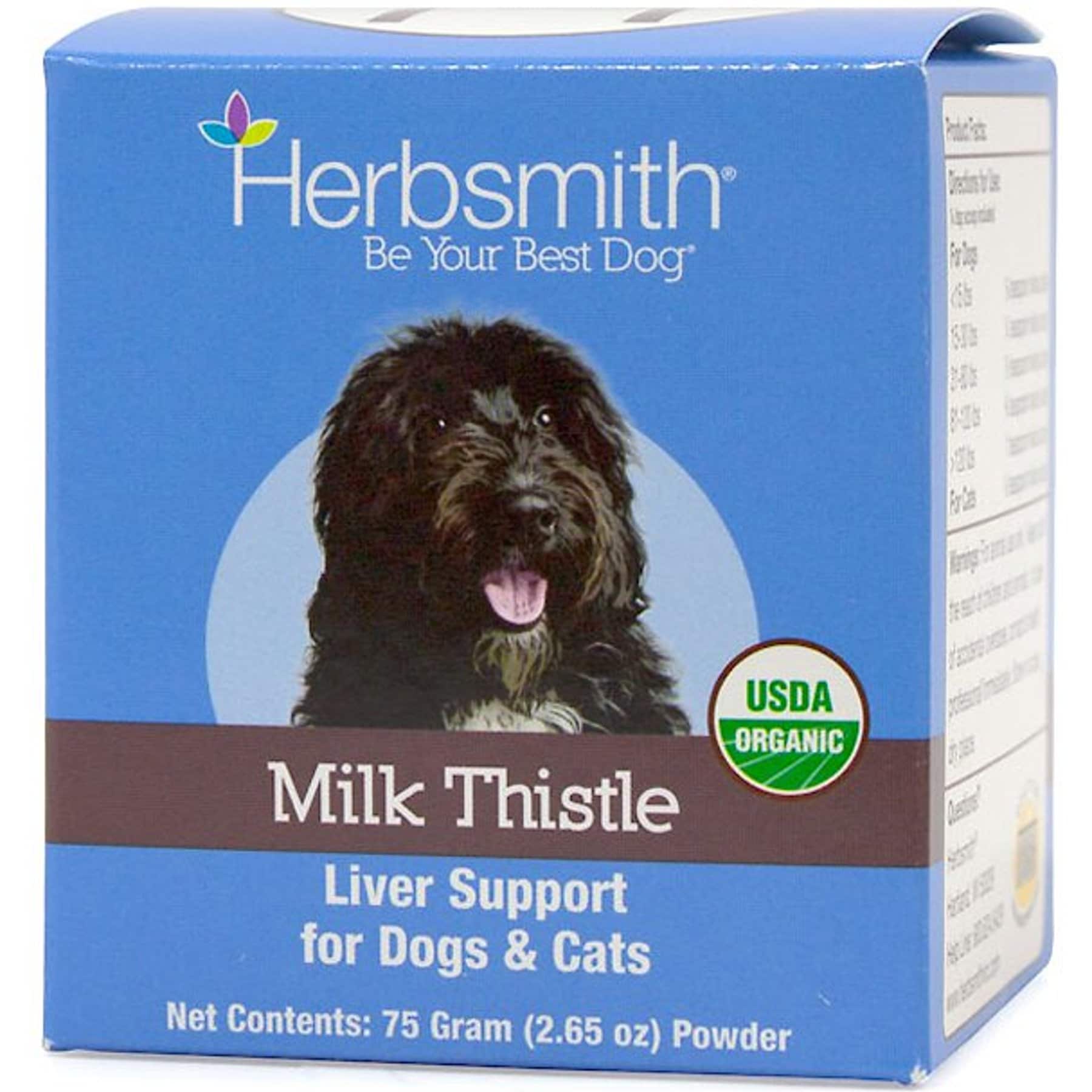
A whole milk-thistle seed powder, distinct from concentrated extracts and combination supplements. Confirm whether it fits the veterinary plan before adding it.
Webvet may earn a commission when you click through to Chewy, at no extra cost to you.
Slightly elevated enzymes do not automatically require medication. For a comfortable dog, the initial plan may be a carefully timed recheck and review of possible influences. Persistent abnormalities can justify further investigation even if the increase remains mild. Conversely, substantial illness may require treatment and diagnostics together rather than waiting for another routine panel.
Ask what improvement will look like beyond a laboratory number: better appetite, stable weight, fewer symptoms and the expected trend in relevant tests. If a liver medicine is prescribed, ask about its purpose, likely side effects and what to do if vomiting or poor appetite develops. Do not change several supplements and foods simultaneously; that makes both tolerance and response harder to interpret.
The recheck interval depends on the suspected cause, the dog's condition and any treatment started. For monitoring:
- Keep copies of the test results so the trend is available.
- Follow the clinic's recheck schedule even when your dog seems well.
- Call earlier if appetite, energy or other symptoms worsen.
What to feed a dog with high liver enzymes

High enzymes do not automatically require a liver diet. A dog with an unexplained laboratory change may have different nutritional needs from a dog with confirmed copper-associated hepatitis or hepatic encephalopathy, a brain disorder associated with impaired liver function or abnormal blood flow.
Most dogs with liver disease should not have protein indiscriminately restricted. Unnecessary restriction can compromise nutrition and muscle maintenance. Merck's guidance on nutrition in hepatic disease distinguishes dogs that need a specific protein adjustment from those that do not. Dietary protein and copper are separate decisions; copper restriction is usually tied to an established diagnosis.
When a veterinary liver diet is appropriate
Hill's Prescription Diet l/d is formulated with controlled, digestible protein and low copper. It is one option to discuss when your vet recommends those nutritional features. The dry and canned forms are feeding choices within a treatment plan, not proof that every high ALT needs a food change.
For a dog already prescribed this diet, the l/d dry formula is a relevant purchase to compare with the clinic's recommendation. Check the exact recipe and feeding instructions before switching.
Royal Canin Hepatic is another veterinary diet with adapted protein and low copper. Its US label specifies intermittent or supplemental feeding, which makes the veterinarian's feeding plan particularly important. It should not be chosen simply because “hepatic” appears on the bag. The two products are alternatives for discussion, not foods to rotate or combine without advice. Your vet may also need to account for pancreatitis, kidney disease, food intolerance or another condition before selecting a diet.
Foods and extras to review
Do not add organ-meat treats, mineral products or a collection of “liver detox” supplements on your own. In a dog prescribed copper restriction, treats and extras need to fit that restriction too. A homemade liver diet needs formulation by a veterinary nutrition professional; removing meat or assembling a few apparently healthy ingredients does not make it balanced.
Raw feeding is not a treatment for high enzymes. Tell the vet what your dog actually eats, including snacks, chews and supplements, so the entire diet can be assessed. Dogs with diarrhea, poor appetite or concurrent kidney disease may need an individualized approach. If your dog stops eating, contact the clinic rather than waiting for a new bag of food to solve it.
When liver-support supplements fit the plan
Liver-support supplements may be part of a veterinarian's plan after the likely problem and monitoring needs have been assessed. They do not replace diagnosis, and a product labeled “liver support” does not necessarily have evidence for your dog's condition. It also does not automatically address a concurrent kidney problem.
SAMe, short for S-adenosylmethionine, and milk-thistle-derived compounds are among the ingredients used in veterinary liver support. The clinical evidence varies by formulation and setting. The ACVIM consensus notes the need for stronger clinical trials; favorable antioxidant mechanisms should not be presented as a guarantee of recovery.
A combined SAMe and silybin product
Denamarin chewable tablets combine SAMe with a milk-thistle-derived silybin formulation. That is a different product from plain milk-thistle powder. Our Denamarin for dogs guide explains formulation, administration and cost differences; the correct choice depends on the exact product your veterinarian recommends.
A chewable may be useful when that formulation is prescribed and giving a coated tablet is difficult. It is not evidence that the chewable is more effective, and directions for the original coated tablets should not be transferred to it. Bring the current package to the appointment if you are uncertain which version you have.
Milk thistle is an ingredient, not a diagnosis
Herbsmith's manufacturer label identifies organic ground milk-thistle seed as its ingredient. Whole seed is different from a concentrated extract or a combination containing SAMe. A milligram amount on one label cannot simply be substituted for the same number on another.
For dogs with liver disease, the vet's recommendation should identify the intended formula. Our milk thistle for dogs guide compares the forms and safety questions in more detail. Avoid adding it on top of another liver supplement without checking for duplicated ingredients and an agreed monitoring plan.
Recovery and life expectancy
Elevated liver enzymes can return to normal when a temporary cause resolves or treatment controls the underlying problem. Some dogs need ongoing monitoring or long-term treatment. Recovery depends on the cause, the extent of injury or scarring, complications and how the dog responds, not simply whether ALT exceeded a particular number.
There is no single life expectancy for a dog with high liver enzymes. This remains true for senior dogs: age and a flagged blood test are not enough to estimate survival. Chronic liver disease can have a very different outlook from a reversible medication effect or an acute obstruction. Your veterinarian needs a diagnosis to make that discussion meaningful.
At the follow-up visit, ask:
- Is the suspected cause now clearer, or is another test needed?
- Are the reference range and trend improving along with my dog's condition?
- Which signs should trigger an earlier call?
- What is the next test or recheck date, and which treatments should continue until then?
Those answers give you something more useful than an isolated lab value: a plan for your own dog's care.
Questions about your dog's next blood test
Frequently Asked Questions
What can falsely elevate liver enzymes?
Sample quality and preparation can interfere with some blood-test results; lipemia after a meal is one example. A medicine-related enzyme increase, however, may be a real biological effect rather than a false laboratory result. Ask whether the laboratory reported interference and whether repeat testing is appropriate. Blood-test preparation guidance can help, but it does not explain away every abnormal enzyme result.
Can dehydration cause high liver enzymes?
Hydration status can affect blood-test interpretation, and even mild dehydration may alter some results. It should not be assumed to explain a persistent elevation in ALT or ALP. Your vet assesses hydration alongside the examination, other laboratory values and any repeat sample. Do not delay the recommended workup because your dog drinks more water and seems better.
Should my dog fast before the next blood test?
Ask the clinic for fasting instructions for the exact test. Routine chemistry and a paired bile-acids test can require different preparation, and dogs with particular medical needs may need modified instructions. Drinking water is usually permitted; do not withhold it unless the veterinary team specifically tells you to. Confirm medication timing too, rather than skipping doses on your own.
$65 · no membershipWorried about your dog's vomiting or diarrhea?
A licensed vet can examine your dog over video and prescribe treatment online when it's appropriate.
Talk to a vet- Licensed vets
- All 50 states
- same-day Rx
Webvet may earn a commission if you book.
Veterinarian · BVMS MRCVS
Dr. Pippa Elliott, BVMS, MRCVS, is a veterinarian with nearly 30 years of experience in companion animal practice. Dr. Elliott earned her Bachelor of Veterinary Medicine and Surgery from the University of Glasgow. She was also designated a Member of the Royal College of Veterinary Surgeons. Married with 2 grown-up kids, Dr. Elliott has a naughty Puggle named Poggle, 3 cats and a bearded dragon.


