Cat Throwing Up White Foam: Causes and When to Worry
White foam vomit in cats is usually stomach acid, mucus, and air from an empty stomach, a hairball in progress, or mild indigestion. Learn the common causes, safe feeding fixes, and the red-flag signs that mean it is time to call your vet.

BVMS MRCVS
Medically reviewed by Dr. Pippa Elliott, BVMS MRCVS · Last reviewed

This article contains affiliate links. Webvet may earn a commission when you buy through them, at no extra cost to you.
A cat throwing up white foam is most often bringing up a mix of stomach acid, mucus, and swallowed air, usually because the stomach is empty, a hairball is working its way up, or the stomach is mildly irritated. A single isolated episode in an otherwise bright, hungry, playful cat is usually minor.
But repeated foamy vomiting, or foam paired with lethargy, appetite loss, blood, or yellow bile, means it is time to call your vet.
- 1White foam is typically stomach acid plus mucus and air, not a specific disease on its own.
- 2The single most common trigger is an empty stomach (hunger pukes or bilious vomiting), especially first thing in the morning.
- 3One episode in a cat that is eating, drinking, and acting normal is usually not an emergency; watch and note it.
- 4Repeated vomiting, or foam with blood, yellow bile, lethargy, or refusal to eat, needs a vet.
- 5Chronic kidney disease and hyperthyroidism (the quiet culprits in older cats) can start with vague vomiting, so senior cats with new foamy vomit deserve bloodwork.
- 6Never give human anti-nausea medicine or leftover prescriptions; feeding-schedule changes are the only safe home fix.
 Sponsored
Have a health question about your cat?
Talk to a licensed vet at Dutch over video or message, including nights and weekends.
Use code Pets30
Plans start at $11/month · covers up to 5 pets
- Licensed vets in most states
- Rx for 150+ conditions
- 4.7 on Trustpilot
What white foam vomit actually is (stomach acid, bile, mucus)
When a cat is throwing up white foam, the foam itself is not a disease. It is a physical description of what the stomach produced: a frothy blend of stomach acid, protective mucus, and swallowed air.
The bubbles come from the air; the whiteness comes from the mucus and acid rather than any food. That is why foam often shows up when there is nothing in the stomach to bring up.
Vomiting is the forceful ejection of stomach and upper-intestinal contents, a reflex the body uses to protect itself, per the Merck Veterinary Manual. So white foamy vomit is a symptom, not a diagnosis. The important questions are how often it happens, what else comes up (bile, blood, hair), and how your cat is otherwise behaving.

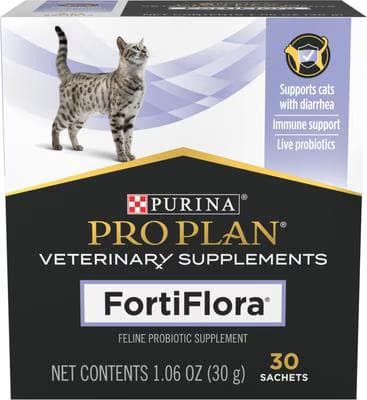
The #1 vet-recommended probiotic for cats. Daily powder sachets support healthy digestion and firmer stools, and can help cats coping with diarrhea or GI upset.
Webvet may earn a commission when you click through to Chewy, at no extra cost to you.
Is white foamy vomit bad?
Not necessarily. White foamy vomit on its own is one of the milder things a cat can bring up, and a single episode in a cat that then eats, drinks, and plays normally is usually not cause for alarm.
What makes vomiting concerning is the pattern and the company it keeps: frequency, blood, bile, appetite loss, and lethargy all raise the stakes.
Why is my cat throwing up white foam? Empty stomach comes first
The most common reason a cat throws up white foam is an empty stomach. When a cat goes many hours without eating (classically overnight), acid and bile can build up and irritate the stomach lining.
The cat then brings up a small amount of white or slightly yellow froth, often early in the morning before breakfast. Vets sometimes call this bilious vomiting syndrome, and owners call them hunger pukes.

Cat throwing up white foam but acting normal
A cat throwing up white foam but acting normal, eating well, and staying playful is the reassuring version of this problem. If it happens once, or occasionally on an empty stomach, the likely culprit is hunger-related acid.
Even a cat throwing up small amounts of white foam multiple times but otherwise acting normal is often reacting to an empty stomach or a diet quirk, though repeated episodes still deserve a vet conversation to rule out an underlying cause.
Some cats also throw up white foam shortly after eating if they ate too fast, gulped air, or reacted to a sudden diet change. That pattern of vomiting right after meals is worth its own read; see our guide on a cat throwing up after eating for the fast-eater and portion-size fixes.
Older, senior, and old cats throwing up white foam
An older cat throwing up white foam deserves more attention than a young, healthy one. Empty-stomach acid still applies, but senior cats are far more likely to have an underlying disease driving the vomiting, such as kidney disease, hyperthyroidism, or inflammatory bowel disease.
For a broader look at the aging-cat picture, see our page on an old cat throwing up. Any new, repeated foamy vomiting in a senior cat is a reason to book bloodwork rather than wait.
SponsoredVet care that's always there
Unlimited video calls and messaging with licensed vets for less than a typical vet visit. One membership covers up to five pets.
Use code Pets30
Plans start at $11/month · covers up to 5 pets
- Licensed vets in most states
- Rx for 150+ conditions
- 4.7 on Trustpilot
Other common causes (hairballs, fast eating, diet change)
Beyond an empty stomach, several everyday causes explain a cat throwing up white foam multiple times or a cat that keeps throwing up white foam. Most are manageable, but a pattern that will not stop still points back to your vet.
- Hairballs in progress. Before a hairball comes up, cats often retch and produce white foam and mucus first. If a wet hair cylinder follows, that was the goal. Frequent hairballs, though, can signal over-grooming or a gut motility issue.
- Eating too fast. Gulping food and air can trigger a foamy bring-up soon after a meal. Slow-feeder bowls and smaller portions help.
- Sudden diet changes. Switching foods abruptly can upset the stomach. Transition new food over 7 to 10 days.
- Mucus and water. A cat throwing up mucus with white foam, or a cat throwing up water and white foam, is often bringing up recently drunk water plus stomach froth, which points to irritation rather than food.
If what your cat brings up is mostly thin and clear with a little froth, that is a slightly different pattern. Our sibling guide on a cat throwing up clear liquid breaks that down. And if the froth is tinged yellow, read our page on a cat throwing up yellow liquid, which usually means bile.

A soupy, lickable bisque treat that tempts a cat who has gone off solid food. The high-moisture, aromatic texture is easy to lap up and hard for a picky or recovering cat to resist, and it sneaks in extra hydration.
Webvet may earn a commission when you click through to Chewy, at no extra cost to you.
When white foam signals something serious
White foam becomes a warning sign when it is frequent, forceful, or paired with other symptoms. According to VCA Animal Hospitals, vomiting is considered serious when it is frequent, contains blood, or comes with other signs of illness such as weakness or belly pain. The following conditions can hide behind foamy vomit.
| What comes up or the symptom | What it may mean |
|---|---|
| White foam with fresh red blood | Irritation, ulcer, or bleeding in the mouth, esophagus, or stomach. Vet now. |
| Brown, coffee-ground material | Digested blood from the stomach. Vet now. |
| White foam plus yellow liquid | Bile from an empty stomach or gut irritation; frequent episodes need a vet. |
| Repeated vomiting with belly pain, hunched posture | Possible pancreatitis; needs prompt veterinary evaluation. |
| Foam with increased thirst, urination, and weight loss | Possible kidney disease, hyperthyroidism, or diabetes; needs bloodwork. |
| Nonstop retching, string visible at the mouth or under the tongue | Possible linear foreign body (swallowed string). Emergency, do not pull it. |
Cat throwing up white foam with blood
A cat throwing up blood and white foam always warrants a prompt call to the vet. Blood may appear as fresh red streaks or as dark, coffee-ground flecks that mean older, digested blood.
This can come from an ulcer, severe irritation, a swallowed foreign object, or a bleeding disorder. If your cat is bringing up blood repeatedly, treat it as urgent. For the full picture, see our guide on a cat vomiting blood.
What color is pancreatitis vomit?
There is no single vomit color that proves pancreatitis. Cats with pancreatitis often vomit repeatedly and may bring up white foam, yellow bile, or partly digested food, and the vomit color depends mostly on how empty the stomach is rather than the pancreas itself.
What points toward pancreatitis is the pattern: repeated vomiting alongside lethargy, appetite loss, dehydration, and sometimes belly pain. Diagnosis needs a vet exam and testing, not a color guess.
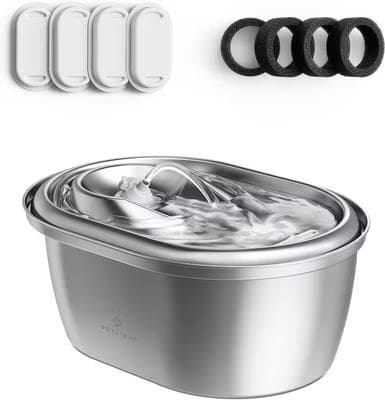
304 food-grade stainless steel pet water fountain, 101 oz. The circulating, filtered water encourages cats to drink more, which supports urinary tract and kidney health.
Webvet may earn a commission when you click through to Chewy, at no extra cost to you.
What is the silent killer in cats?
The phrase silent killer usually refers to chronic kidney disease, one of the most common serious illnesses in older cats, because it advances quietly for a long time before obvious signs appear.
Early symptoms are vague: increased thirst and urination, gradual weight loss, and intermittent vomiting that can include white foam. Hyperthyroidism and diabetes can be similarly quiet. The Cornell Feline Health Center is a solid resource on these conditions, and senior cats with new vomiting should have bloodwork rather than being watched indefinitely.

White foam plus other symptoms (not eating, lethargy, diarrhea, gagging)
White foam alone is usually minor. White foam plus a second symptom is the combination that should move you to call the vet. Here is how the common pairings read.
Vomiting white foam and not eating
A cat that is vomiting white foam and not eating is telling you something is wrong, and it needs attention faster than a cat that vomits once but then eats normally.
Cats should not go long without food; skipping meals for more than a day risks a dangerous liver problem called hepatic lipidosis. If your cat refuses food for more than 24 hours, call your vet.
For a deeper look, see cat not eating and cat not eating and lethargic, which covers the more worrying combination.
White foam and lethargy
Lethargy is a meaningful red flag. A cat that vomits foam and then hides, sleeps far more than usual, or seems weak may be dehydrated or genuinely ill. Pair foam with lethargy and you have a reason to be seen the same day.
White foam and diarrhea
A cat throwing up white foam and having diarrhea is losing fluid from both ends, which raises dehydration risk quickly, especially in kittens and seniors.
A single soft stool with one foam episode in an otherwise bright cat can be watched briefly, but repeated vomiting and diarrhea together warrants a vet. Our guide on a cat throwing up and diarrhea covers when to worry.
Licking lips and gagging
A cat vomiting white foam and licking lips is often showing nausea; lip-licking and excessive swallowing are classic queasy behaviors. A cat that is gagging and throwing up white foam may be trying to clear a hairball, or may have something irritating the throat.
Occasional gagging that resolves is usually minor, but persistent gagging or repeated retching with nothing produced needs a vet, since it can signal an obstruction.
If your cat vomits foam once but is bright, eating, and playful, that pattern of vomiting while acting normal is common; our page on a cat vomiting but acting normal explains how to monitor it responsibly.

Lickable cat treats with real chicken, made to support comfort and tranquility. 12 single-serve 0.5-oz tubes.
Webvet may earn a commission when you click through to Chewy, at no extra cost to you.
When to call the vet vs. emergency: the escalation ladder
Here is a simple way to tell if cat vomit is serious. Move down the ladder based on how your cat looks and how often it is happening.
- Watch at home: one foam episode, cat is bright, eating, drinking, and using the litter box normally. Note the time and what came up.
- Call your vet within a day: foam more than a couple of times in a day, mild appetite drop, or repeated hunger-puke mornings. A cat that keeps throwing up white foam over several days should be checked.
- Same-day or emergency: a cat that will not stop throwing up white foam, cannot keep water down, has blood in the vomit, is weak or collapsed, has a painful belly, has not eaten for 24 hours, or may have swallowed string or a toxin.
Online threads (the many reddit posts about a cat throwing up white foam multiple times) can be reassuring for context, but they are not a substitute for an exam.
When in doubt, a phone call to your vet or an emergency clinic is the safest move. The American Veterinary Medical Association offers general guidance on when pet symptoms warrant care.
Home remedies and feeding-schedule fixes for hunger pukes
The safest, most effective home step for empty-stomach foam is a feeding-schedule change, not medication. If your vet has confirmed there is no underlying disease, these supportive measures target the classic hunger puke. Never give human anti-nausea drugs, pain relievers, or leftover prescriptions; many are toxic to cats.

- Feed smaller, more frequent meals. Splitting the daily ration into three or four small meals keeps the stomach from sitting empty for long stretches.
- Add a late-night or early-morning meal. A small bedtime snack, or a timed automatic feeder that dispenses before dawn, prevents the overnight acid buildup that causes morning foam.
- Slow down fast eaters. Use a slow-feeder bowl or a puzzle feeder so your cat swallows less air.
- Support hydration. Fresh water, a pet water fountain, or added wet food helps, especially if there has been any diarrhea. Watch for signs of dehydration such as lethargy or tacky gums.
- Manage hairballs gently. Regular brushing reduces swallowed hair. Ask your vet before using any hairball product or diet.
Kittens and special cases
Some cats need faster action than others. Two groups matter most: kittens and cats with known chronic disease.
A kitten vomiting white foam should be taken more seriously than an adult, because kittens dehydrate and drop blood sugar quickly. There is no safe do-it-yourself kitten treatment; call your vet promptly, especially if there is diarrhea, no interest in food, or a bloated belly, since parasites and infections are common in the young.
Treatment is whatever your vet prescribes after examining the kitten.
A diabetic cat throwing up white foam needs a same-day vet call. In a diabetic cat, vomiting can be a sign of diabetic ketoacidosis, a life-threatening emergency, or a sign that blood sugar is poorly controlled. Do not adjust insulin on your own.
Likewise, a senior cat throwing up white foam should have bloodwork to screen for kidney disease, hyperthyroidism, and diabetes rather than being managed with feeding changes alone.
Related guides in our cat-vomiting series
White foam is one thread in a larger picture of cat vomiting. If what your cat brings up looks different from pure white froth, these companion guides go deeper: a cat throwing up undigested food (often fast eating or regurgitation), and a cat not eating but acting normal for a milder appetite concern.
When you are not sure which pattern fits, the overview of cat throwing up causes is the place to start. Match the color and contents to the closest guide, and always let your cat's overall behavior guide how urgently you act.
Frequently Asked Questions
Is white foamy vomit bad?
Not usually on its own. A single episode of white foamy vomit in a cat that then eats, drinks, and acts normally is one of the milder things a cat can bring up, often just stomach acid from an empty stomach.
It becomes concerning when it is repeated, forceful, or paired with blood, yellow bile, appetite loss, or lethargy. Repeated foamy vomiting warrants a vet visit.
How to tell if cat vomit is serious?
Judge by frequency, contents, and behavior. One episode in a bright, hungry, playful cat can be watched at home. Vomiting more than a couple of times a day, or vomit that contains blood or lots of yellow bile, is more serious.
Any vomiting paired with weakness, hiding, a painful belly, refusing food for over 24 hours, or nonstop retching means you should call your vet or an emergency clinic.
What is the silent killer in cats?
The silent killer usually refers to chronic kidney disease, one of the most common serious illnesses in older cats. It progresses quietly for a long time before obvious symptoms appear, and early signs are vague: increased thirst and urination, gradual weight loss, and intermittent vomiting. Hyperthyroidism and diabetes can be similarly quiet.
Because they hide, senior cats with new vomiting should have bloodwork.
What home remedy can I give my cat for vomiting?
The safest home step is a feeding-schedule change, not medicine. For empty-stomach foam, feed smaller, more frequent meals and add a bedtime or early-morning snack so the stomach is not empty overnight. Slow down fast eaters with a slow-feeder bowl and keep fresh water available.
Never give human anti-nausea drugs, pain relievers, or leftover prescriptions, as many are toxic to cats. If vomiting persists or your cat stops eating, see your vet.
Why is my cat throwing up white foam but acting normal?
Most often it is an empty stomach. When a cat goes many hours without food, especially overnight, acid and bile can build up and irritate the stomach, so the cat brings up white or slightly yellow froth. A hairball working its way up or a fast, air-gulping meal can do the same.
If your cat is otherwise bright, eating, and playful, it is usually minor, but repeated episodes still deserve a vet conversation.
What color is pancreatitis vomit?
There is no single color that proves pancreatitis. Cats with pancreatitis may vomit white foam, yellow bile, or partly digested food, and the color depends mostly on how empty the stomach is rather than the pancreas itself. What points toward pancreatitis is the pattern: repeated vomiting with lethargy, appetite loss, dehydration, and sometimes belly pain.
Only a vet exam and testing can confirm it.

Editor
The Webvet Editorial Team is the in-house group of pet-care editors and writers behind Webvet, operated by Smart Pet Collective. The team researches, writes, and maintains Webvet's pet health, behavior, and medication content. Every article follows a defined editorial process: research from reputable veterinary and scientific sources, careful drafting, mandatory review of medical content by a credentialed veterinarian, and dated publication. Health and medication articles are medically reviewed by a licensed veterinary professional before they go live and are kept current over time.
Veterinarian · BVMS MRCVS
Dr. Pippa Elliott, BVMS, MRCVS, is a veterinarian with nearly 30 years of experience in companion animal practice. Dr. Elliott earned her Bachelor of Veterinary Medicine and Surgery from the University of Glasgow. She was also designated a Member of the Royal College of Veterinary Surgeons. Married with 2 grown-up kids, Dr. Elliott has a naughty Puggle named Poggle, 3 cats and a bearded dragon.
Related reading

Best Dog Boots for Traction, Weather, and Paw Protection

Vestibular Disease in Dogs: Symptoms, Diagnosis, and Recovery Timeline

In Home Pet Euthanasia: Cost, What Happens, and How to Choose a Provider
