Cat Throwing Up Undigested Food: Causes & When to Worry
A cat throwing up undigested food is most often eating too fast or regurgitating, not truly vomiting. Learn the real causes, simple home fixes like slow feeding, and the red-flag signs that mean call your vet now.

BVMS MRCVS
Medically reviewed by Dr. Pippa Elliott, BVMS MRCVS · Last reviewed

This article contains affiliate links. Webvet may earn a commission when you buy through them, at no extra cost to you.
A cat throwing up undigested food, usually within minutes of eating, is most often not true vomiting at all. It is regurgitation, most commonly from eating too fast (the classic "scarf and barf"), a recent diet change, or a mild hairball.
In these cases the cat brings up whole, tube-shaped kibble or wet food with little effort, then acts completely normal. But when it happens every day, comes with yellow bile, weight loss, or lethargy, it can signal a serious problem that needs a vet.
- 1The single most common reason a cat throws up undigested food right after eating is eating too fast, which is regurgitation rather than true vomiting.
- 2Regurgitation is effortless and happens seconds to minutes after a meal; true vomiting involves heaving, drooling, and abdominal contractions.
- 3A slow-feeder bowl and smaller, more frequent meals fix most fast-eating cases at home.
- 4Occasional episodes in an otherwise healthy, active, well-eating cat are usually not urgent.
- 5Daily vomiting, yellow bile, blood, weight loss, or a cat that stops eating are red flags that need a vet.
- 6Chronic kidney disease is often called the silent killer of cats because it advances quietly, so unexplained ongoing vomiting always deserves a checkup.
 Sponsored
Have a health question about your cat?
Talk to a licensed vet at Dutch over video or message, including nights and weekends.
Use code Pets30
Plans start at $11/month · covers up to 5 pets
- Licensed vets in most states
- Rx for 150+ conditions
- 4.7 on Trustpilot
Is it vomiting or regurgitation? Why the difference matters
The first question to answer is whether your cat is truly vomiting or is regurgitating. They look similar but come from different places in the body and point to different causes. Getting this right changes what you do next.
Vomiting is an active process. The stomach and abdominal muscles contract forcefully, and you will usually see warning signs first. Your cat crouches low, drools, and may cry out, and the belly heaves several times before anything comes up. What comes out is partially digested and often mixed with yellow or greenish bile and fluid.
Regurgitation is passive and effortless. Food comes back up from the esophagus before it can reach the stomach and be digested, so there is no heaving. The cat simply lowers its head and the food slides out, often in a tube or cylinder shape that matches the esophagus.
According to the Merck Veterinary Manual, regurgitated food tends to be undigested and may have a cylindrical shape. This distinction is one of the most important clues a vet uses to narrow down the cause.

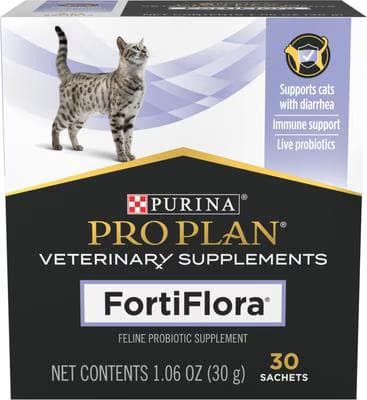
The #1 vet-recommended probiotic for cats. Daily powder sachets support healthy digestion and firmer stools, and can help cats coping with diarrhea or GI upset.
Webvet may earn a commission when you click through to Chewy, at no extra cost to you.
Quick decoder: vomiting vs regurgitation
| Clue | Regurgitation | True Vomiting |
|---|---|---|
| Effort | Effortless, no heaving | Active heaving and abdominal contractions |
| Timing | Seconds to minutes after eating | Any time, often longer after a meal |
| Warning signs | Little to none | Drooling, lip-licking, crouching, crying |
| What comes up | Whole undigested food, often tube-shaped | Partly digested food, often with yellow bile |
| Where it comes from | The esophagus, before the stomach | The stomach and upper small intestine |
| Common triggers | Eating too fast, esophagus issue | Nausea, illness, toxins, inflammation |
Is cat regurgitation normal? An occasional episode after wolfing down a meal is common and usually harmless, especially with wet food eaten quickly.
But regular regurgitation is not something to ignore, because it can point to an esophageal problem. If your cat regurgitates undigested food repeatedly, it deserves a vet visit even if the cat seems fine.
Why is my cat throwing up undigested food? The common causes
Most of the time, a cat throwing up undigested food falls into a short list of everyday causes. Eating too fast is at the top, followed by sudden diet changes, hairballs, food sensitivities, and less often an underlying illness. The pattern of when and how often it happens tells you a lot.
Here are the causes vets see most often when a cat brings up whole food:
- Eating too fast: the number one reason food comes back up minutes after a meal.
- Sudden diet change: switching food abruptly upsets the gut and can trigger both vomiting and regurgitation.
- Hairballs: a cat may bring up food along with, or instead of, a hairball, especially in long-haired breeds.
- Food sensitivities or allergies: an ingredient the cat cannot tolerate can cause repeated vomiting of food.
- Dry food that swells: kibble eaten fast then meeting stomach fluid can expand and come right back up.
- Underlying illness: inflammatory bowel disease, hyperthyroidism, kidney disease, parasites, or an obstruction can all cause ongoing vomiting.
Why does my cat throw up dry food but not wet food? Dry kibble is dense and easy to gulp in large amounts, and it absorbs water and swells in the stomach.
A cat that eats dry food fast can overfill its stomach or esophagus, so the food comes back up whole. Wet food is softer, has more moisture already, and is often eaten in smaller mouthfuls, so it tends to stay down.
Hairballs deserve a closer look because they are so common. As cats groom, they swallow loose hair that normally passes through the gut and out in the stool. When too much collects, the cat brings it back up, sometimes wrapped around a slug of undigested food.
An occasional hairball is normal, but a cat straining to produce one more than about once a month, or one that never quite comes up, is worth mentioning to your vet. Frequent hairballs can also be a clue that the gut is not moving food along the way it should.
Eating too fast (scarf and barf): the number one culprit
If your cat throws up undigested food right after eating and then acts completely fine, fast eating is almost certainly the reason. Cats that gulp their food swallow air and overfill the esophagus and stomach faster than the body can handle, so the meal comes straight back up.
Vets and owners nickname this "scarf and barf."
This is especially common in multi-cat homes, where a cat may bolt its food to beat a housemate. It also shows up in cats that were once strays or shelter cats that learned to eat fast to survive.
The good news is that fast eating is the easiest cause to fix at home, and it rarely means anything is wrong with your cat's health. Smaller portions and a bowl that forces slower eating usually solve it within days.
If your cat keeps throwing up after eating but seems fine, the fixes are simple: slow the eating down and split meals into smaller portions, which we cover in the home-care section below. A cat that eats too fast can also swallow air, which is why you sometimes see a little foam.
For more on foamy episodes, see our guide on why a cat is throwing up white foam.

When it happens hours after eating vs right away
Timing is one of your best clues. Food that comes up within minutes is usually regurgitation from fast eating or an esophagus issue. Food that comes up hours after eating, still looking undigested, is more concerning because normal digestion should have started by then.
What causes vomiting undigested food hours after eating? If a cat brings up recognizable food several hours later, it can mean the stomach is not emptying normally. Possible reasons include delayed gastric emptying, an obstruction, inflammatory bowel disease, or another condition that slows the gut.
This pattern is worth a vet visit, especially if it repeats.
Some cats also throw up at night or early in the morning but act normal all day. Overnight is often when the stomach is emptiest, so an empty stomach and bile can trigger vomiting.
If your cat vomits on an empty stomach in the morning, a small snack before bed sometimes helps. Tell your vet if it becomes a nightly pattern, because chronic early-morning vomiting can still point to an underlying issue.

A soupy, lickable bisque treat that tempts a cat who has gone off solid food. The high-moisture, aromatic texture is easy to lap up and hard for a picky or recovering cat to resist, and it sneaks in extra hydration.
Webvet may earn a commission when you click through to Chewy, at no extra cost to you.
Food sensitivities, allergies, and diet changes
If you recently changed your cat's food and the vomiting started around the same time, the diet switch is a likely cause. Cats have sensitive digestive systems, and a sudden change in protein source, texture, or brand can upset the gut enough to bring food back up.
As VCA Animal Hospitals notes, diet-related vomiting is a common and often manageable cause, and a cat's regular diet should be reintroduced gradually.
Standard veterinary guidance is to make any food change slowly. Mix a little new food into the old over about seven to ten days, increasing the proportion of new food each day so the gut has time to adjust.
True food allergies and sensitivities are different from a rushed switch. A cat that reacts to a specific ingredient, often a protein like beef, chicken, or fish, may vomit food repeatedly no matter how slowly you introduce it.
These reactions sometimes come with diarrhea or itchy skin. Diagnosing a true food allergy usually requires a vet-guided elimination diet, not guesswork at the store, because store-bought "limited ingredient" foods are easy to get wrong.
Why is my cat throwing up undigested dry food specifically? Beyond swelling and fast eating, some cats simply tolerate wet food better because it is gentler on the stomach and adds moisture.
If dry food consistently comes back up, ask your vet whether a partial or full switch to wet food, done gradually, makes sense for your cat.
It works the other way too. Some cats regurgitate wet food, usually when they gulp a whole pouch in seconds. Wet food is not automatically safer, so the fix is still to slow the pace and offer smaller amounts more often, whatever texture you feed.
Inflammatory bowel disease is one of the more common medical reasons behind long-running food vomiting in cats. It is chronic inflammation of the digestive tract, and it often shows up as a mix of vomiting, weight loss, and changes in stool that come and go over weeks.
Diagnosis and treatment need a vet, so persistent signs should not be managed at home alone.
SponsoredVet care that's always there
Unlimited video calls and messaging with licensed vets for less than a typical vet visit. One membership covers up to five pets.
Use code Pets30
Plans start at $11/month · covers up to 5 pets
- Licensed vets in most states
- Rx for 150+ conditions
- 4.7 on Trustpilot
When your cat acts totally normal (but keeps throwing up)
A cat throwing up undigested food but acting normal is reassuring but not a free pass. If your cat is bright, eating well, drinking, using the litter box normally, and keeping a healthy weight, an occasional episode is usually low risk. Behavior is one of the best windows into how a cat truly feels.
That said, cats are famous for hiding illness. A cat can look and act normal while a slow disease develops underneath. The concern is not one episode; it is a pattern. If your cat keeps throwing up but seems fine over days or weeks, that ongoing pattern is a reason to see the vet.
We go deeper in our guide on a cat vomiting but acting normal.
A helpful rule of thumb is to track it. Note the date, what came up, how soon after eating, and whether a hairball was involved.
If you have more than a few episodes in a week, or any weight loss or appetite drop, bring that log to your vet. Patterns that seem minor day to day often reveal something important when written down.
Doing it every day or the vomit is yellow: when it's more serious
Daily vomiting is never normal, even in a cat that otherwise seems fine. Why does my cat keep throwing up undigested food every day? Frequent episodes point away from simple fast eating and toward a medical cause such as inflammatory bowel disease, hyperthyroidism, kidney disease, parasites, or an obstruction.
Any cat vomiting daily should be examined.
Yellow in the vomit is bile from the small intestine, which usually means the stomach was empty when the cat vomited. Occasional yellow foam on an empty stomach can be minor, but yellow vomit that repeats, or yellow mixed with undigested food, warrants a vet call.
Our companion guide covers cat throwing up yellow in detail.

Vomiting plus diarrhea is another combination that raises the stakes. Losing fluid from both ends dehydrates a cat quickly and can signal an infection, parasites, dietary indiscretion, or inflammatory disease. If your cat has both, especially for more than a day, see the vet.
Read more in our guide on a cat throwing up and diarrhea.
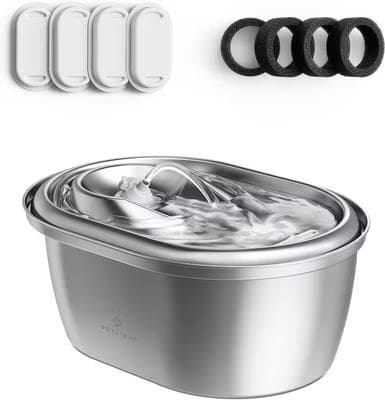
304 food-grade stainless steel pet water fountain, 101 oz. The circulating, filtered water encourages cats to drink more, which supports urinary tract and kidney health.
Webvet may earn a commission when you click through to Chewy, at no extra cost to you.
What is the silent killer of cats?
Chronic kidney disease is often called the silent killer of cats because it develops slowly and shows few obvious signs until it is advanced. Early clues can be subtle: increased thirst and urination, gradual weight loss, and intermittent vomiting.
Because a cat can seem normal for a long time, ongoing unexplained vomiting is exactly the kind of quiet symptom that should prompt bloodwork.
The American Association of Feline Practitioners recommends regular wellness screening so conditions like this are caught early.
Other conditions sometimes described this way include hyperthyroidism and heart disease, which can also progress quietly in cats. The common thread is that cats mask illness well, so a symptom that seems minor, like occasional vomiting, is your signal to get objective information from a vet rather than wait.
How vets figure out why a cat vomits undigested food
When home fixes do not solve the problem, your vet works through a logical order to find the cause. Knowing what to expect makes the visit less stressful and helps you gather the right information ahead of time.
The visit almost always starts with history and a physical exam. Your vet will ask how often it happens, how soon after eating, what the vomit looks like, and whether anything else has changed. This is where your written log pays off.
From there, the workup often moves in steps:
- Physical exam: feeling the belly for pain, masses, thickened intestines, or a foreign object, and checking hydration and weight.
- Bloodwork and urinalysis: screening for kidney disease, diabetes, and organ problems, plus a thyroid level in cats seven and older.
- Fecal testing: checking for intestinal parasites, a common and easily treated cause of vomiting.
- Imaging: X-rays or ultrasound to look for an obstruction, a slow-emptying stomach, or thickened intestinal walls.
- Diet trials or scoping: an elimination diet for suspected food allergy, or endoscopy and biopsy for suspected inflammatory bowel disease.
You do not need every test at once. Your vet chooses based on your cat's age, symptoms, and exam findings, often starting simple and escalating only if the first round does not explain things.
You can make the visit far more useful by arriving prepared. Note when episodes happen, how soon after eating, and what the material looks like. A short phone video of an episode is genuinely helpful, because it lets your vet see whether your cat is heaving or effortlessly bringing food up.
Bring the exact food you feed, including the brand and flavor, and mention any treats, supplements, or plants your cat can reach. Small details like a recent new houseplant or a switched litter can matter more than owners expect when a vet is ruling causes in and out.
Older and senior cats throwing up undigested food
In older cats, throwing up undigested food deserves more attention than in a young, healthy adult. Senior cats are more likely to develop the conditions behind chronic vomiting: kidney disease, hyperthyroidism, inflammatory bowel disease, and cancer all become more common with age. A senior cat vomiting daily but acting normal still needs a workup.

Hyperthyroidism is especially worth mentioning because it is common in older cats. It often causes vomiting along with weight loss despite a big appetite, restlessness, and increased thirst. A simple blood test that measures thyroid hormone can screen for it.
Because so many senior-cat causes overlap, your vet will usually start with bloodwork, urinalysis, and a physical exam. Catching one of these diseases early often means simpler treatment and a better long-term outcome.
A diabetic cat throwing up undigested food needs prompt attention. Vomiting in a diabetic cat can be a sign that blood sugar is poorly controlled or that a serious complication is developing, and these cats can decline quickly.
If your cat is diabetic and vomiting, call your vet the same day rather than waiting to see if it passes.
For a broader look at vomiting in aging cats, including the workup your vet may recommend, see our guide on an old cat throwing up.
A senior cat that also stops eating is a bigger concern. Our article on a cat not eating and lethargic explains why loss of appetite plus low energy should never wait.

Pure USDA-organic pumpkin puree, no fillers or additives. Adds gentle soluble fiber to firm up loose stool and settle a mildly upset stomach. A simple vet-favorite topper.
Webvet may earn a commission when you click through to Chewy, at no extra cost to you.
What to do at home and how to slow your cat's eating
What do I do if my cat throws up undigested food? If your cat is otherwise healthy and this happens occasionally right after eating, the first line of home care is to slow the eating and shrink the meals. These steps are supportive only and are not a substitute for a vet if episodes continue.
Practical home adjustments to try:
- Use a slow-feeder bowl or puzzle feeder so your cat has to work the food out slowly instead of gulping.
- Feed smaller, more frequent meals instead of one or two large ones, so the stomach is never overfilled.
- Spread kibble on a flat plate or a lick mat if you do not have a slow feeder, so the cat picks up fewer pieces at once.
- Separate cats at mealtime in multi-cat homes so no one bolts food out of competition.
- Add water or moisture by mixing a little warm water into dry food or offering wet food, which slows gulping and helps digestion.
- Transition any diet change slowly over about seven to ten days.
- Support hairball control with regular brushing and a vet-approved hairball remedy if hairballs are part of the picture.
If your cat has thrown up once and seems fine, it is reasonable to withhold food for a few hours (but never water), then offer a small bland meal and return to the slow-feeding plan. If vomiting continues, stop home management and get a professional opinion.
A cat that also refuses food is a separate warning sign; see our guide on a cat not eating.
When to call the vet: red-flag symptoms
Knowing when throwing up undigested food shifts from a nuisance to an emergency is the most important part of this guide. Use the timing and accompanying signs to decide. When in doubt, a phone call to your vet is free and can save you a lot of worry.
Symptom decoder: how urgent is it?
| What You Are Seeing | How Urgent |
|---|---|
| One-off, food comes up right after eating, cat acts normal | Low: try slow feeding and monitor |
| Occasional over weeks, healthy weight and appetite | Low to moderate: mention at next checkup |
| Vomiting most days or several times a week | Moderate to high: schedule a vet visit |
| Yellow bile repeatedly, or food up hours later | Moderate to high: vet visit |
| Vomiting plus diarrhea, lethargy, or weight loss | High: see the vet promptly |
| Kitten, senior, diabetic, or known-illness cat vomiting | High: call the same day, these cats decline fast |
| Blood in vomit, cannot keep water down, painful belly, repeated retching with nothing produced | Emergency: go now |
Regurgitation in cats is worth worrying about when it is frequent, because chronic regurgitation can point to an esophageal disorder and can lead to inhaling food, which is dangerous. Vomiting in cats is worth worrying about whenever it comes with the high-urgency signs above, or simply will not stop.
If your cat is also bringing up clear liquid, or you are trying to read the color of what comes up, our broader cat throwing up hub pulls all of these threads together.
Finally, a cat that vomits and then refuses food, or that seems fine one moment and withdrawn the next, needs attention. Our guide on a cat not eating but acting normal explains why even a well-seeming cat that skips meals is a reason to check in with your vet.
How to keep it from happening again
Once you know the cause, most cases of throwing up undigested food are manageable and often preventable. The goal is to remove whatever is triggering the episodes and to catch any medical cause early, before it becomes harder to treat.
For fast eaters, consistency is what makes the difference. A slow-feeder bowl only helps if it is used at every meal, and portions should stay small even after the vomiting stops. Many owners drop the slow feeder once things improve, then wonder why the problem returns a week later.
If a diet change set things off, write down exactly which food and how you introduced it. That record helps your vet spot a pattern and helps you avoid repeating a switch that your cat clearly did not tolerate.
Keep fresh water available at all times, and consider adding moisture through wet food or a pet water fountain, which many cats prefer. Better hydration supports digestion and is especially helpful for cats prone to hairballs or early kidney changes.
It also helps to keep the eating environment calm. Cats fed in a busy, high-traffic spot, or right next to a food-guarding housemate, tend to rush. A quiet, separate feeding station lets an anxious cat slow down, which alone can cut down on food coming back up.
Finally, do not skip routine wellness visits, particularly once your cat reaches middle age. Regular exams and bloodwork are the single best way to catch quiet diseases like kidney disease or hyperthyroidism before vomiting becomes a daily event.
Related reading
Throwing up undigested food is one piece of a bigger picture. If you are trying to make sense of the color or contents of what your cat brings up, these companion guides go deeper on each pattern so you can match what you see to a likely cause and the right next step.
- Cat throwing up: the main hub covering all types and colors of vomiting. See our cat throwing up guide.
- Cat throwing up after eating: a closer look at meal-related episodes. Read cat throwing up after eating.
- Cat vomiting blood: when what comes up is not just food. See cat vomiting blood.
Frequently Asked Questions
What do I do if my cat throws up undigested food?
If your cat is otherwise healthy and it happened once right after eating, the food likely came up because of fast eating or a full stomach. Slow the eating with a slow-feeder bowl, feed smaller and more frequent meals, and monitor.
If episodes keep happening, come with yellow bile or blood, or your cat stops eating or seems unwell, call your vet.
Why is my cat throwing up digested food but acting normal?
Bringing up partly digested food while acting normal is often mild and related to eating too fast, a diet change, or an empty stomach. An occasional episode in a bright, well-eating cat is usually low risk.
But cats hide illness well, so if it happens frequently or over weeks, see your vet even if your cat seems fine.
Why does my cat regurgitate undigested food?
Regurgitation is effortless and happens when food comes back up from the esophagus before reaching the stomach, usually within minutes of eating. The most common trigger is eating too fast, but repeated regurgitation can indicate an esophageal problem. If it is frequent, have your vet examine your cat.
What causes vomiting undigested food hours after eating?
When recognizable food comes up hours after a meal, digestion should already have started, so this can mean the stomach is not emptying properly. Possible causes include delayed gastric emptying, an obstruction, or inflammatory bowel disease.
This pattern is more concerning than food that comes up right away and warrants a vet visit, especially if it repeats.
Why is my cat regurgitating undigested food but acting normal?
A cat can regurgitate from fast eating and then feel completely fine, which is common and often harmless as a one-off. However, regular regurgitation, even in a normal-acting cat, can point to an esophageal issue and carries a risk of inhaling food. If it happens more than occasionally, book a vet checkup.
What is the silent killer of cats?
Chronic kidney disease is frequently called the silent killer of cats because it progresses slowly with few early signs. Subtle clues can include increased thirst, gradual weight loss, and intermittent vomiting. Because cats mask illness so well, ongoing unexplained vomiting is a good reason to have your vet run bloodwork.
Why would a cat vomit undigested food?
The most common reasons are eating too fast (regurgitation), a sudden diet change, hairballs, dry food swelling in the stomach, or a food sensitivity. Less often, ongoing vomiting of food signals an underlying illness such as inflammatory bowel disease, hyperthyroidism, kidney disease, or an obstruction. Frequency and accompanying symptoms determine how urgent it is.
Should I be worried if my cat throws up undigested food but only once in a while?
An occasional episode in a cat that is active, eating well, drinking, and holding a steady weight is usually low risk, especially right after a fast meal. The thing to watch is frequency and any change: daily episodes, weight loss, appetite drop, blood, or lethargy move it from routine to a reason for a vet visit.
When unsure, keep a simple log and call your vet.
Can changing from dry food to wet food stop my cat from throwing up?
For some cats it helps, because wet food has more moisture, is gentler on the stomach, and is often eaten in smaller mouthfuls than gulped kibble. If dry food consistently comes back up, ask your vet whether a gradual switch to wet food makes sense.
Make any change slowly over about seven to ten days so you do not trade one cause of vomiting for another.

Editor
The Webvet Editorial Team is the in-house group of pet-care editors and writers behind Webvet, operated by Smart Pet Collective. The team researches, writes, and maintains Webvet's pet health, behavior, and medication content. Every article follows a defined editorial process: research from reputable veterinary and scientific sources, careful drafting, mandatory review of medical content by a credentialed veterinarian, and dated publication. Health and medication articles are medically reviewed by a licensed veterinary professional before they go live and are kept current over time.
Veterinarian · BVMS MRCVS
Dr. Pippa Elliott, BVMS, MRCVS, is a veterinarian with nearly 30 years of experience in companion animal practice. Dr. Elliott earned her Bachelor of Veterinary Medicine and Surgery from the University of Glasgow. She was also designated a Member of the Royal College of Veterinary Surgeons. Married with 2 grown-up kids, Dr. Elliott has a naughty Puggle named Poggle, 3 cats and a bearded dragon.
Related reading

Best Dog Boots for Traction, Weather, and Paw Protection

Vestibular Disease in Dogs: Symptoms, Diagnosis, and Recovery Timeline

In Home Pet Euthanasia: Cost, What Happens, and How to Choose a Provider
