Cat Throwing Up After Eating: Causes & Vet-Backed Fixes
A cat throwing up after eating is usually regurgitating a meal eaten too fast, not truly vomiting. Learn the difference, simple at-home fixes, what the vomit color means, and the red flags that mean call the vet now.

BVMS MRCVS
Medically reviewed by Dr. Pippa Elliott, BVMS MRCVS · Last reviewed

This article contains affiliate links. Webvet may earn a commission when you buy through them, at no extra cost to you.
A cat throwing up after eating is most often regurgitating a meal that was eaten too fast, not truly vomiting, and the fix is usually slowing the meal down rather than a trip to the emergency room.
But when the vomiting is frequent, contains blood, or comes with lethargy, diarrhea, or refusal to eat, it can signal something serious like an obstruction, kidney disease, or hyperthyroidism.
This vet-reviewed guide walks you through why it happens, the difference between regurgitation and vomiting, simple fixes you can try today, and the exact red flags that mean you should call your vet.
- 1Eating too fast is the single most common reason a cat throws up right after a meal, and it usually causes regurgitation (undigested, tube-shaped food) within minutes.
- 2Regurgitation is passive and effortless; true vomiting involves heaving, abdominal contractions, and partially digested food or bile.
- 3Slow-feeder bowls, smaller and more frequent meals, and separating cats at mealtime resolve most speed-eating cases.
- 4Occasional vomiting in an otherwise bright, playful cat is usually not an emergency, but vomiting more than once a week is never normal.
- 5Red flags that mean call the vet: blood, repeated retching that brings up nothing, weakness, no appetite, or vomiting plus diarrhea.
- 6Chronic vomiting in senior cats can be an early sign of hyperthyroidism, kidney disease, or intestinal disease and deserves a workup.
 Sponsored
Have a health question about your cat?
Talk to a licensed vet at Dutch over video or message, including nights and weekends.
Use code Pets30
Plans start at $11/month · covers up to 5 pets
- Licensed vets in most states
- Rx for 150+ conditions
- 4.7 on Trustpilot
Regurgitation vs. Vomiting: Which One Is Your Cat Actually Doing?
When a cat is throwing up immediately after eating, the first thing to figure out is whether it is regurgitation or true vomiting, because they point to very different causes.
Regurgitation is a passive process: the food comes back up effortlessly, often in a tube shape, within seconds to minutes of eating, and it looks like the meal barely changed. True vomiting is active and involves obvious heaving and belly contractions before partially digested food or fluid comes up.
If your cat is throwing up whole food right after eating with almost no warning and no retching, that is classic regurgitation. The food never reached the stomach, so it comes back up looking intact, sometimes still in the shape of the esophagus.
The American College of Veterinary Internal Medicine and the Merck Veterinary Manual both stress that telling these two apart is the most important first step, because it changes what your vet looks for.
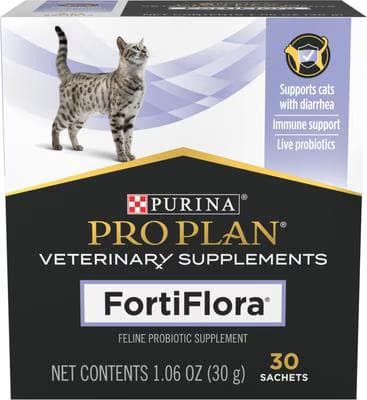
The #1 vet-recommended probiotic for cats. Daily powder sachets support healthy digestion and firmer stools, and can help cats coping with diarrhea or GI upset.
Webvet may earn a commission when you click through to Chewy, at no extra cost to you.
How to tell them apart
- Regurgitation: No heaving. Food is undigested, often tube-shaped, comes up within minutes, and the cat may try to eat it again.
- Vomiting: Obvious abdominal effort, lip-licking or drooling beforehand, and the contents look partially digested or contain bile, foam, or fluid.
A cat throwing up food immediately after eating that still looks like kibble or wet food is far more likely regurgitating due to speed-eating than dealing with a stomach problem. If the food comes up looking digested an hour or more later, that is vomiting, and the cause list is different.
For a broader look at every reason cats vomit, see our overview on why cats throw up.

Eating Too Fast Is the #1 Reason Cats Throw Up After Meals
The most common reason a cat throws up right after eating is simple: they ate too fast. When a cat gulps a meal, they swallow air and stretch the stomach quickly, and the body responds by bringing the meal back up almost immediately.
This is why so many owners search for cat throwing up after eating too fast and find the vomit looks like an undigested version of the food that just went down.
Speed-eating is especially common in multi-cat homes, where competition for food drives everyone to gulp, and in cats fed one or two large meals a day.
If your cat eats wet food too fast and throws up, the mechanism is the same as with kibble: too much food, too fast, stretches the stomach or fills the esophagus before it can move the meal along.
The reassuring part is that speed-related throwing up is usually harmless and does not mean your cat is sick. A cat who gulps, brings the meal back up, then eats normally and acts completely fine is almost always just eating too fast.
The fixes below solve the majority of these cases without any medication or vet visit.
How to Stop a Cat Throwing Up After Eating
To stop a cat from throwing up after eating due to speed, slow the meal down and shrink the portion: use a slow-feeder or puzzle bowl, split the daily food into several small meals, and separate cats that compete at the bowl. These three changes resolve most speed-eating cases within a few days.
If your cat keeps throwing up after eating despite these changes, it is time to look at the food itself or call your vet.
Speed-feeding fixes that actually work
- Use a slow-feeder bowl: Ridged or maze bowls force a cat to work around obstacles, slowing each bite. A muffin tin or a large flat plate that spreads food thin does the same job.
- Feed smaller, more frequent meals: Four to six tiny meals a day keep the stomach from being overwhelmed. An automatic timed feeder helps if you are away.
- Separate competing cats: Feed each cat in a different room or spaced far apart so nobody feels they must race to finish.
- Elevate the bowl slightly: A raised dish can help some cats swallow more comfortably, though this helps regurgitation more than fast eating.
- Use a food puzzle: Puzzle feeders make a cat forage, which naturally slows intake and adds enrichment.

So why does a cat keep throwing up after eating even after you slow the meal down? If speed fixes do not help, the problem may be the food type, a food intolerance, hairballs, or an underlying medical issue.
Work through the sections below, and if the vomiting is frequent (more than once a week) or your cat seems off in any way, book a vet visit rather than continuing to experiment at home.

A soupy, lickable bisque treat that tempts a cat who has gone off solid food. The high-moisture, aromatic texture is easy to lap up and hard for a picky or recovering cat to resist, and it sneaks in extra hydration.
Webvet may earn a commission when you click through to Chewy, at no extra cost to you.
Wet Food vs. Dry Food: Does the Type of Food Matter?
Both wet and dry food can trigger throwing up, but for slightly different reasons. Dry kibble absorbs stomach fluid and swells, so a cat who gulps a large dry meal may bring it back up as the pieces expand.
Wet food goes down fast and easy, which can make gulping worse in a greedy eater. Neither type is inherently better for a cat who throws up; the amount and speed usually matter more than the format.
Why is my cat throwing up after eating dry food?
A cat throwing up after eating dry food, sometimes bringing up whole, barely chewed kibble, is often reacting to the way dry food expands in the stomach after a fast, large meal. Try soaking the kibble in a little warm water, feeding smaller portions, or switching to a slow feeder.
If your cat keeps throwing up after eating dry food specifically, a food trial with a different diet (guided by your vet) can help rule out an intolerance.
Why is my cat throwing up after eating wet food?
Wet food is easy to gulp, so a cat throwing up after eating wet food is usually eating it too fast or eating cold food straight from the fridge, which some cats tolerate poorly.
Serve wet food at room temperature, spread it thin on a plate to slow eating, and offer smaller amounts more often. If vomiting continues after these adjustments, the food itself or an underlying issue may be at play.
SponsoredVet care that's always there
Unlimited video calls and messaging with licensed vets for less than a typical vet visit. One membership covers up to five pets.
Use code Pets30
Plans start at $11/month · covers up to 5 pets
- Licensed vets in most states
- Rx for 150+ conditions
- 4.7 on Trustpilot
Food Intolerance, Allergies, and Switching to a New Food
A cat throwing up after eating new food is one of the most common and most preventable causes: switching diets too quickly upsets the digestive system.
Any diet change should happen gradually over seven to ten days, mixing increasing amounts of the new food into the old. A sudden swap can cause vomiting even when there is nothing wrong with the new food.
True food allergies and intolerances in cats usually involve a specific protein, and they can cause vomiting, diarrhea, or itchy skin. The VCA Animal Hospitals resource on feline vomiting notes that persistent vomiting tied to a particular food warrants a vet-guided elimination diet trial, not guesswork.
Do not keep buying new foods on your own; a proper food trial uses one novel or hydrolyzed protein for several weeks.
What if my cat ate dog food?
A cat throwing up after eating dog food occasionally is usually just a mild stomach upset, because dog food is not toxic but is not formulated for cats. Cats need far more protein and the amino acid taurine, which dog food lacks.
A one-off nibble that comes back up is rarely dangerous, but dog food should never be a cat's regular diet, and repeated vomiting after eating it means stop offering it and call your vet.
If your cat is suddenly throwing up after eating and you have not changed anything, note when it started and how often it happens. A sudden change in a previously fine cat is worth a vet call, since it can flag a new intolerance or an emerging medical problem.
When It Happens Hours Later or the Food Is Undigested
A cat throwing up undigested food hours after eating is a different pattern than immediate regurgitation, and it can point to delayed stomach emptying, a motility problem, or simply a large meal the stomach struggled to process.
Food that sits in the stomach for two to three hours and then comes up still recognizable suggests the stomach is not moving contents along normally.
Because this is a distinct and common concern, we cover it in depth in a dedicated guide. In short: an occasional episode of cat throwing up undigested food in a cat who is otherwise thriving is often benign.
But a repeated pattern (throwing up hours after eating, especially undigested food, several times a week) deserves a vet workup for motility disorders, inflammatory bowel disease, or other stomach issues. Read the full breakdown in our spoke on cats vomiting undigested food for the color clues, timing, and when to worry.
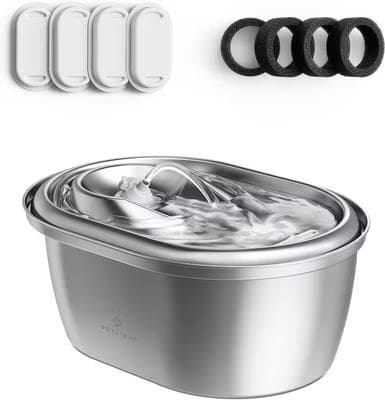
304 food-grade stainless steel pet water fountain, 101 oz. The circulating, filtered water encourages cats to drink more, which supports urinary tract and kidney health.
Webvet may earn a commission when you click through to Chewy, at no extra cost to you.
"But My Cat Seems Fine": Vomiting When Your Cat Is Otherwise Acting Normal
A cat throwing up after eating but acting normal (bright, playful, eating, and drinking) is usually less urgent than a cat who is also lethargic or off its food. Occasional throwing up in a cat who bounces right back is often just speed-eating, a hairball, or a minor upset. The key word, though, is occasional.
Here is the honest caveat: cats are experts at hiding illness, so "acting normal" does not guarantee nothing is wrong. A cat can look fine and still be in the early stages of hyperthyroidism or kidney disease.
That is why regular vomiting, even in a cat who seems fine, is not something to shrug off. If your cat keeps throwing up after eating but seems fine more than once a week, or it goes on for more than a couple of weeks, get it checked.
We go deeper into this exact scenario in our guide on cat vomiting but acting normal, including how to track frequency and which "normal-looking" cases still need a vet.
What the Vomit Looks Like: Bile, Foam, Mucus, Blood, or Yellow Liquid
The color and texture of what your cat brings up gives real clues about what is going on. Undigested food points to speed-eating or regurgitation; yellow or green fluid is bile, which often means an empty stomach.
White foam suggests stomach acid or nausea, and blood, whether fresh red or dark like coffee grounds, always warrants a vet call. Use the decoder below as a starting point, not a diagnosis.

| What You See | What It Often Means | What To Do |
|---|---|---|
| Undigested or whole food | Ate too fast, regurgitation, or a large meal | Slow feeding, smaller portions; monitor |
| Yellow or green liquid (bile) | Empty stomach, meals too far apart, or nausea | Feed smaller meals more often; vet if frequent |
| White foam | Stomach acid, nausea, or hairball forming | Monitor; vet if it repeats or cat seems unwell |
| Clear liquid | Recent water intake or empty-stomach nausea | Monitor; vet if repeated or with other signs |
| Mucus or slimy fluid | Irritation of the stomach or esophagus | Vet if persistent or paired with other signs |
| Fresh red blood | Bleeding in the mouth, esophagus, or stomach | Call your vet promptly |
| Coffee-ground brown | Digested blood from the stomach | Call your vet promptly |
A cat throwing up bile after eating, or bringing up yellow liquid, often has gone too long between meals, letting acid and bile build up.
A cat throwing up white foam after eating can be dealing with mild nausea or a hairball. We break these down further in our guides on cat throwing up yellow and cat throwing up white foam.
Any sign of blood, however, skips the home-care step: see our guide on cat vomiting blood and contact your vet.

Probiotic supplement formulated to help cats maintain calm behavior, with the BL999 strain. 30 daily sachets.
Webvet may earn a commission when you click through to Chewy, at no extra cost to you.
When It Signals Something Serious: Obstruction, Hyperthyroidism, Kidney Disease, Diabetes
When a cat throws up after eating every day, or throws up a lot after eating, it is no longer a speed problem and needs a medical workup. Frequent or daily vomiting can be a sign of an intestinal obstruction, hyperthyroidism, chronic kidney disease, diabetes, inflammatory bowel disease, or even cancer.
The AVMA is clear that repeated vomiting is a symptom to investigate, not to wait out.
Serious causes to know about
- Obstruction: A swallowed string, toy, or hairball mass can block the gut. Signs include repeated vomiting, retching that brings up nothing, no appetite, and a painful belly. This is an emergency.
- Hyperthyroidism: Common in middle-aged and older cats; causes vomiting, weight loss despite a big appetite, and restlessness.
- Chronic kidney disease: Often called a silent killer; causes vomiting, increased thirst and urination, weight loss, and poor appetite as it progresses.
- Diabetes: A diabetic cat throwing up after eating, especially with increased thirst, urination, and weight change, may have poorly controlled blood sugar or a dangerous complication called ketoacidosis. Call your vet the same day.
- Inflammatory bowel disease: Chronic inflammation causing recurrent vomiting, sometimes with diarrhea and gradual weight loss.
A cat throwing up after eating and having diarrhea at the same time is a combination worth a prompt vet call, because losing fluid from both ends leads to dehydration quickly, and it can signal infection, intestinal disease, or a toxin. Our guide on cat throwing up and diarrhea covers this pairing in detail.
Diabetic cats and cats with any known chronic illness should be seen sooner rather than later.
Older and Senior Cats Throwing Up After Eating
An older cat throwing up after eating deserves more attention than a young cat with the same symptom, because the odds of an underlying disease rise sharply with age.
In senior cats, chronic vomiting is a leading early sign of hyperthyroidism, chronic kidney disease, and intestinal disease, all of which are common in cats over about ten years old.
A senior cat throwing up undigested food, losing weight, drinking more, or eating either much more or much less than usual should be seen by a vet for bloodwork and a thyroid check. The American Association of Feline Practitioners notes that many of these conditions are very manageable when caught early.
An aging cat that starts throwing up regularly should not be written off as "just getting old."

We cover the aging-specific angle in more depth in our guide on the old cat throwing up, including how often is too often and which tests your vet is likely to run.
After the Episode: Settling Your Cat's Stomach and When to Withhold Food
After a single vomiting episode in an otherwise well cat, a short rest for the stomach usually helps. Remove food for a few hours (not water) so the stomach can settle, then offer a small amount of a bland, easily digested food.
This is supportive home care only, and it does not replace a vet visit if vomiting continues.
How to soothe your cat's stomach at home
- Rest the stomach: Withhold food for two to four hours (never longer without vet guidance), but always keep fresh water available.
- Reintroduce food slowly: Offer a small portion of a vet-recommended bland or gastrointestinal diet, then more if it stays down.
- Feed little and often: Several tiny meals are gentler than one big one while the stomach recovers.
- Never give human medications: Do not give any anti-nausea or stomach medicine meant for people or dogs; many are toxic to cats. Only use medications your own vet prescribes.
A cat not eating after throwing up is common for an hour or two, but a cat that refuses food for more than a day, or a cat eating after throwing up only to bring it right back up again, needs veterinary attention.
What about grass? A cat throwing up after eating grass is doing something many cats do naturally; the occasional grassy vomit is usually harmless, but frequent grass-eating and vomiting can point to nausea worth investigating.
When to Call the Vet: Red-Flag Checklist
You should worry about a cat throwing up when it is frequent, contains blood, or comes with other signs of illness like weakness, no appetite, or diarrhea. A single episode in a bright, playful cat can be monitored at home.
The following red flags mean stop watching and call your vet. When in doubt, call: a phone triage with your clinic costs nothing and can save a life.
- Vomiting more than once or twice, or repeatedly over a few hours.
- Any blood, fresh red or coffee-ground brown, in the vomit.
- Retching or gagging that brings up nothing (possible obstruction).
- Weakness, hiding, collapse, or a swollen, painful belly.
- Not eating for more than 24 hours, or vomiting plus diarrhea.
- Increased thirst, weight loss, or vomiting most days over weeks.
The "silent killer" many people ask about is chronic kidney disease, which quietly damages the kidneys for years before obvious signs appear; early vomiting can be one of the first hints.
The four signs of a suffering cat that vets watch for are: hiding or withdrawal, not eating, changes in litter-box habits, and lethargy or a hunched, tense posture. If you see these alongside vomiting, do not wait.
Frequently Asked Questions
Why is my cat suddenly vomiting after eating?
Sudden vomiting after eating is most often caused by eating too fast, a recent food change, or a hairball, and these are usually not serious.
However, a new, sudden pattern of vomiting can also signal an intolerance, an infection, or an emerging illness. If it happens more than once or your cat seems unwell, contact your vet.
Why is my cat throwing up undigested food but acting normal?
Undigested food coming up shortly after eating in a cat who otherwise seems fine is usually regurgitation from eating too fast. Slow-feeder bowls and smaller, more frequent meals often fix it. If it keeps happening, especially hours after eating, ask your vet to check for a motility or stomach problem, since cats hide illness well.
How do I get my cat to stop throwing up after eating?
Slow the meal down and shrink the portion: use a slow-feeder or puzzle bowl, feed several small meals a day, and separate cats that compete at the bowl.
Serve wet food at room temperature and soak dry kibble if needed. If vomiting continues after these changes, or happens more than once a week, see your vet.
When should I worry about my cat throwing up?
Worry and call your vet if your cat vomits repeatedly, brings up blood, retches without producing anything, is weak or hiding, refuses food for more than 24 hours, or vomits alongside diarrhea. Vomiting more than once a week is never normal, even in a cat that otherwise seems fine.
Why is my cat throwing up but acting normal?
An occasional vomit in a bright, playful, eating cat is often just speed-eating or a hairball and is usually low-concern. But because cats mask illness, regular vomiting even in a normal-acting cat can be an early sign of hyperthyroidism or kidney disease, so recurring episodes still deserve a vet check.
What are four signs your cat is suffering?
Four common signs of a suffering or seriously unwell cat are: hiding or withdrawing from the family, not eating, changes in litter-box habits (going more, less, or outside the box), and lethargy or a hunched, tense posture. Vomiting combined with any of these warrants prompt veterinary attention.
What is the silent killer of cats?
Chronic kidney disease is often called the silent killer of cats because it damages the kidneys gradually over years, with few obvious signs until it is advanced. Early clues can include intermittent vomiting, increased thirst and urination, weight loss, and reduced appetite. Routine senior bloodwork helps catch it early.
How to soothe a cat's stomach after throwing up?
Withhold food for two to four hours (but not water), then offer a small amount of a bland or vet-recommended gastrointestinal diet, feeding little and often. Never give human or dog anti-nausea medicine, as many are toxic to cats. If vomiting continues or your cat will not eat, contact your vet.

Editor
The Webvet Editorial Team is the in-house group of pet-care editors and writers behind Webvet, operated by Smart Pet Collective. The team researches, writes, and maintains Webvet's pet health, behavior, and medication content. Every article follows a defined editorial process: research from reputable veterinary and scientific sources, careful drafting, mandatory review of medical content by a credentialed veterinarian, and dated publication. Health and medication articles are medically reviewed by a licensed veterinary professional before they go live and are kept current over time.
Veterinarian · BVMS MRCVS
Dr. Pippa Elliott, BVMS, MRCVS, is a veterinarian with nearly 30 years of experience in companion animal practice. Dr. Elliott earned her Bachelor of Veterinary Medicine and Surgery from the University of Glasgow. She was also designated a Member of the Royal College of Veterinary Surgeons. Married with 2 grown-up kids, Dr. Elliott has a naughty Puggle named Poggle, 3 cats and a bearded dragon.
Related reading

In Home Pet Euthanasia: Cost, What Happens, and How to Choose a Provider

Dog Dementia: Signs, Stages, Treatment, and When to Say Goodbye

Dog Cold Symptoms: Treatment and How to Tell It From Kennel Cough
