Cat Throwing Up and Diarrhea: When to Worry
Is your cat throwing up and having diarrhea? A vet-reviewed guide to the common causes, dehydration risk, emergency red flags, and the safe, supportive home care that actually helps mild cases.

BVMS MRCVS
Medically reviewed by Dr. Pippa Elliott, BVMS MRCVS · Last reviewed

This article contains affiliate links. Webvet may earn a commission when you buy through them, at no extra cost to you.
A cat throwing up and diarrhea at the same time usually means the whole gastrointestinal tract is irritated. The combination matters more than either sign alone, because it drains fluid from both ends and can cause dangerous dehydration fast.
Most single episodes come from a diet change, hairballs, or a mild stomach bug. But the same picture can also signal a swallowed object, a toxin, parasites, or kidney disease.
The safe rule: a bright, hydrated cat with one bout can often be watched at home for 24 hours. Blood, repeated vomiting, refusal to eat or drink, lethargy, or a painful belly means call a vet now.
- 1Vomiting plus diarrhea together loses fluid from both ends, so dehydration is the biggest short-term danger.
- 2Common triggers include diet changes, hairballs, dietary indiscretion, parasites, and mild viral or bacterial gastroenteritis.
- 3Red flags that need same-day or emergency care: blood, repeated vomiting, not eating or drinking for 12 to 24 hours, lethargy, or a painful, swollen abdomen.
- 4A cat that is bright, still eating, and drinking with one bout can often be monitored at home for about 24 hours.
- 5Never give human medications; supportive home care is a short bland diet and hydration only, with a vet call if signs persist past 24 to 48 hours.
 Sponsored
Have a health question about your cat?
Talk to a licensed vet at Dutch over video or message, including nights and weekends.
Use code Pets30
Plans start at $11/month · covers up to 5 pets
- Licensed vets in most states
- Rx for 150+ conditions
- 4.7 on Trustpilot
Why is my cat throwing up and having diarrhea at the same time?
A cat throwing up and having diarrhea at the same time almost always points to inflammation of the stomach and intestines, called gastroenteritis.
When both the upper and lower gut are irritated, the body tries to expel the offending contents from both directions at once, which is why the two signs so often show up together.
According to VCA Animal Hospitals, gastroenteritis simply means irritation or inflammation of the stomach and intestines, and it can be triggered by many different things.
The pattern you are seeing (cat vomiting and diarrhea at the same time) is a symptom, not a diagnosis. The job is to figure out how sick the cat actually is and whether the cause is minor or something that needs urgent treatment.
Two things drive the urgency. First, fluid loss: vomiting and diarrhea together strip water and electrolytes from both ends, so a cat can become dehydrated far faster than with either sign alone.
Second, some causes are mechanical or toxic emergencies (a swallowed string, a blockage, a poison) that will not resolve on their own. That is why the same starting question, why does my cat have diarrhea and throwing up, can have very different answers depending on the other signs.
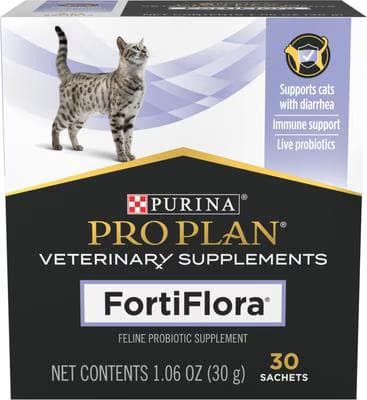
The #1 vet-recommended probiotic for cats. Daily powder sachets support healthy digestion and firmer stools, and can help cats coping with diarrhea or GI upset.
Webvet may earn a commission when you click through to Chewy, at no extra cost to you.
Common causes of vomiting and diarrhea in cats
The most common causes of vomiting and diarrhea in cats are dietary: a sudden food change, eating something they should not, spoiled food, or a treat that did not agree with them. Hairballs, intestinal parasites, and mild infectious gastroenteritis round out the frequent triggers.
Less common but important causes include GI obstruction, toxins, pancreatitis, inflammatory bowel disease, hyperthyroidism, kidney disease, and diabetes.
The Merck Veterinary Manual groups the causes of stomach and intestinal disease broadly into dietary factors, infections (viral, bacterial, and parasitic), foreign material, and systemic diseases that spill over into the gut.
Here is how the usual culprits tend to present.
Dietary upset and eating something they should not
A cat throwing up food and diarrhea shortly after a new food, a diet switch, or a raided trash can is one of the most common scenarios.
If a cat is throwing up after eating and diarrhea follows within a day, an abrupt diet change or a rich, fatty, or spoiled item is a likely trigger.
Cats throwing up undigested food and diarrhea may simply have eaten too fast, though it can also reflect deeper gut inflammation if it repeats.
Hairballs, parasites, and infections
Hairballs can cause vomiting, and heavy grooming plus swallowed hair can irritate the gut. Intestinal parasites (roundworms, hookworms, Giardia, and others) are a frequent cause of diarrhea, especially in kittens and outdoor cats, and can be paired with vomiting.
Viral and bacterial infections produce the classic short-lived stomach bug picture.

Senior, diabetic, and chronically ill cats
A senior cat with diarrhea and vomiting deserves a lower threshold for concern. In older cats, throwing up and diarrhea can be an early window into kidney disease, hyperthyroidism, inflammatory bowel disease, intestinal lymphoma, or pancreatitis.
If you have an older cat throwing up and diarrhea that repeats or comes with weight loss, do not wait it out.
A diabetic cat throwing up and diarrhea is a particular worry, because vomiting can be an early sign of a diabetic emergency (ketoacidosis) and can quickly disrupt blood sugar and hydration. Diabetic cats that are vomiting should be seen promptly rather than monitored at home.
| Likely cause | Clues that point to it | Urgency |
|---|---|---|
| Diet change or dietary indiscretion | New food, treats, or garbage raiding in the last 1 to 2 days; cat otherwise bright | Usually mild; monitor 24h |
| Hairballs | Frequent grooming, long coat, hair visible in vomit | Mild if occasional |
| Intestinal parasites | Kitten or outdoor cat, worms or mucus in stool, chronic soft stool | See vet for stool test |
| Infectious gastroenteritis (stomach bug) | Sudden onset, resolves in 24 to 48h, cat still fairly bright | Monitor, vet if it persists |
| Foreign body or obstruction | String, toy, or thread missing; repeated vomiting; painful belly; not passing stool | Emergency |
| Toxin (lily, antifreeze, medication, plant) | Known exposure, drooling, sudden severe signs | Emergency |
| Kidney disease, hyperthyroidism, diabetes, IBD, pancreatitis | Senior cat, weight loss, increased thirst, chronic pattern | Vet workup needed |

Pure USDA-organic pumpkin puree, no fillers or additives. Adds gentle soluble fiber to firm up loose stool and settle a mildly upset stomach. A simple vet-favorite topper.
Webvet may earn a commission when you click through to Chewy, at no extra cost to you.
What the color of the vomit tells you (yellow, white foam, clear, bile, blood)
The color of your cat's vomit gives clues but is never a diagnosis on its own. Yellow or green usually means bile from an empty stomach, while white foam and clear liquid often mean an empty or irritated stomach.
Brown can be food or, rarely, digested blood, and any fresh red blood or dark coffee-ground material is a reason to call the vet. When vomit color is paired with diarrhea, the pattern and the cat's overall condition matter far more than the shade.
| Vomit color | What it often means | What to do |
|---|---|---|
| Yellow or green (bile) | Empty stomach, bile reflux; common with vomiting on an empty belly | Offer small bland meal; vet if it repeats or cat is unwell |
| White foam | Empty or irritated stomach, sometimes mucus | Monitor; vet if frequent or with lethargy |
| Clear liquid | Stomach fluid or recently drunk water coming back up | Monitor hydration; vet if repeated |
| Brown | Usually food; occasionally digested blood | Look at overall condition; vet if it smells fecal or cat is sick |
| Red blood or coffee-ground | Fresh or digested blood in the stomach | Call the vet now |
For a deeper breakdown of each shade, see our guides on a cat throwing up yellow liquid and a cat throwing up white foam.
People often search for home remedies for cat vomiting white foam or a home remedy for cat vomiting yellow liquid. The only safe home step is briefly resting the stomach, offering water, and then a small bland meal.
There is no safe over-the-counter human remedy for a vomiting cat, and if the vomiting keeps happening the cat needs a vet, not a home fix.
 Sponsored
Vet care that's always there
Unlimited video calls and messaging with licensed vets for less than a typical vet visit. One membership covers up to five pets.
Use code Pets30
Plans start at $11/month · covers up to 5 pets
- Licensed vets in most states
- Rx for 150+ conditions
- 4.7 on Trustpilot
Cat throwing up and diarrhea: emergency red-flag signs and when to worry
Vomiting and diarrhea in cats become an emergency when there is blood, when the cat cannot keep anything down, when it will not eat or drink, when it is lethargic or collapsed, or when the belly is painful or swollen.
If you know or suspect your cat ate a toxin, a string, or a foreign object, treat it as an emergency regardless of how the cat looks right now.
Search terms like vomiting and diarrhea in cats when to worry and when to take your cat to the vet for diarrhea and vomiting come down to a short checklist. Call your vet or an emergency clinic if you see:
- Blood: a cat throwing up and diarrhea with blood, black tarry stool, or coffee-ground vomit.
- Not eating: a cat throwing up and diarrhea and not eating, or a cat vomiting and diarrhea not eating for 12 to 24 hours (cats that stop eating risk a serious liver problem called hepatic lipidosis).
- Repeated vomiting: more than a few times in a day, or unable to keep water down.
- Weight loss or decline: a cat throwing up and diarrhea losing weight over days to weeks points to a chronic disease that needs a workup.
- Lethargy or pain: hiding, weakness, collapse, unproductive retching, or a tense, painful abdomen.
Blood in the vomit always warrants a call; our guide on a cat vomiting blood explains why.
And because appetite loss is such an important red flag, it is worth reading what to do when your cat is not eating.

A soupy, lickable bisque treat that tempts a cat who has gone off solid food. The high-moisture, aromatic texture is easy to lap up and hard for a picky or recovering cat to resist, and it sneaks in extra hydration.
Webvet may earn a commission when you click through to Chewy, at no extra cost to you.
Dehydration risk and how to spot it
Dehydration is the single biggest short-term danger when a cat has vomiting and diarrhea together, because fluid is being lost from both ends while the cat may be too nauseated to drink. Cats can become dehydrated quickly, and small cats, kittens, and seniors decline fastest.
Signs of dehydration in cats include:
- Skin that stays tented briefly when gently lifted at the scruff (loss of skin elasticity).
- Tacky, dry, or sticky gums instead of wet and slippery.
- Sunken-looking eyes, low energy, and weakness.
- Reduced or very concentrated urine, and refusing to drink.
My cat is vomiting and has diarrhea but is acting normal and still eating
A cat throwing up and diarrhea but acting normal, still bright, drinking, and eating is a more reassuring picture, and a single bout can often be monitored at home for about 24 hours.
The key word is monitored: keep watching closely, because a cat can look fine and then decline, and acting normal does not rule out a swallowed object or an early illness.
If your cat is vomiting and diarrhea but still eating and playful, offer a small bland meal, make sure fresh water is available, and track how many times it vomits or passes loose stool.
We cover the acting-normal scenario in more depth in our guide on a cat vomiting but acting normal, and appetite is such a useful gauge that it is worth reading about a cat not eating but acting normal too.
Owners on forums often describe a cat throwing up and pooping on the floor and ask on Reddit whether it is normal. Occasional accidents during a GI upset happen. But if the cat starts hiding, stops eating, becomes lethargic, or the episodes keep coming, that is the moment monitoring ends and a vet visit begins.
What to do at home: safe supportive care and what to feed
For a mild case in a bright, hydrated cat, safe home care is limited and supportive only: a short bland diet, plenty of fresh water, and close monitoring. There is no safe human home remedy for cat vomiting and diarrhea; the real home remedy is gentle feeding plus a low threshold to call the vet.
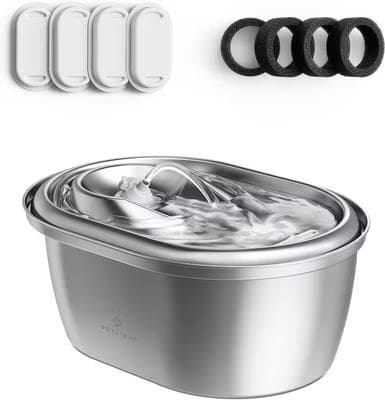
304 food-grade stainless steel pet water fountain, 101 oz. The circulating, filtered water encourages cats to drink more, which supports urinary tract and kidney health.
Webvet may earn a commission when you click through to Chewy, at no extra cost to you.
What to feed a cat with diarrhea and vomiting
Once your cat has gone a few hours without vomiting, offer small amounts of a bland, easily digested food. Good options for what to feed a cat with diarrhea and vomiting or a cat with an upset stomach vomiting include:
- A plain, unseasoned lean protein such as boiled chicken breast or a bit of plain cooked white fish, in small portions.
- A veterinary gastrointestinal or bland recovery diet if your vet has one on hand.
- Small, frequent meals rather than one large meal, for 24 to 48 hours, then a gradual return to the normal diet.
When people search for homemade food for cat with diarrhea, plain boiled chicken (no salt, oil, onion, or garlic) is the usual short-term choice, but it is not balanced for long-term feeding and is only a bridge. Avoid dairy, human medications, and anything fatty or seasoned.
If diarrhea and vomiting continue past 24 to 48 hours, stop home care and see the vet.
How long a cat stomach bug lasts and what the vet will do
A mild cat stomach bug (infectious gastroenteritis) often lasts about 24 to 48 hours and resolves with rest and supportive care. If vomiting and diarrhea persist beyond a couple of days, keep returning, or come with any red flag, the cause is likely more than a passing bug and needs veterinary diagnosis.
As PetMD notes, gastroenteritis has many causes, so cat vomiting and diarrhea treatment depends on what the vet finds.
A typical visit may include a physical exam, checking hydration, and, depending on the case, blood work, a fecal test for parasites, and imaging (x-rays or ultrasound) if an obstruction or foreign body is suspected.
Treatment can range from anti-nausea medication and fluids to deworming, a prescription diet, or, in the case of a blockage, surgery.
The Cornell Feline Health Center is a reliable, primary source for understanding feline GI and systemic diseases that can present as vomiting and diarrhea, including kidney disease and hyperthyroidism, which are especially common in older cats.
How to lower the odds of the next bout
Once the current episode has settled, a few habits cut the risk of another one. Switch foods gradually over five to seven days rather than overnight, so the gut has time to adjust to a new recipe.
Keep string, ribbon, hair ties, and small toys out of reach, since these are classic foreign-body hazards for playful cats. Stay current on parasite prevention, and ask your vet about a hairball formula or more frequent brushing if your cat grooms heavily.
For repeat offenders who bolt their food, a slow-feeder bowl or splitting meals into smaller portions can stop the eat-fast-then-vomit cycle. If bouts keep recurring despite these steps, that pattern itself is a reason for a full veterinary workup.
Related reading on cat vomiting
This page focuses on the vomiting-and-diarrhea combination. For the bigger picture on why cats vomit in general, start with our main guide on a cat throwing up, then drill into the specific pattern that matches your cat.
- Cat throwing up undigested food if your cat brings up whole kibble or food soon after eating.
- Cat throwing up after eating if vomiting is tightly linked to meals.
- Cat not eating and lethargic if appetite loss and low energy accompany the GI signs.

Frequently Asked Questions
What do I do if my cat is vomiting and has diarrhea?
First, check for red flags: blood, refusal to eat or drink, lethargy, a painful belly, or a known toxin all mean call a vet now.
If your cat is bright, hydrated, and still eating with just one bout, rest the stomach for a few hours, offer water, then a small bland meal, and monitor closely for about 24 hours. Never give human medications, and call your vet if signs last past 24 to 48 hours or worsen.
Why does my cat have diarrhea and vomiting at the same time?
When both the stomach and intestines are irritated (gastroenteritis), the body expels contents from both ends, so vomiting and diarrhea appear together.
Common triggers are diet changes, dietary indiscretion, hairballs, parasites, and mild infections, while more serious causes include obstruction, toxins, kidney disease, and inflammatory bowel disease. The other signs and your cat's overall condition determine how urgent it is.
When to take your cat to the vet for diarrhea and vomiting?
Go to the vet right away if there is blood, repeated vomiting, refusal to eat or drink for 12 to 24 hours, lethargy or collapse, a painful or swollen abdomen, or a suspected toxin or swallowed object.
For a bright cat with a single mild episode, it is reasonable to monitor for about 24 hours, but book a visit if signs persist past 24 to 48 hours, recur, or come with weight loss.
What is the silent killer of cats?
Chronic kidney disease is often called a silent killer of cats because it develops slowly and its early signs (increased thirst and urination, subtle weight loss, and intermittent vomiting) are easy to miss.
It is especially common in older cats. Because vomiting can be an early sign, a senior cat with recurring vomiting and diarrhea should have blood and urine testing to check kidney function.
How long does a cat's stomach bug last?
A mild infectious stomach bug in a cat often clears in about 24 to 48 hours with rest and supportive care.
If vomiting and diarrhea last longer than a couple of days, keep coming back, or are joined by blood, appetite loss, or lethargy, the problem is likely more than a passing bug and needs a veterinary exam and possibly testing.
What is the silent killer in cats?
The phrase silent killer in cats most often refers to chronic kidney disease, and sometimes to conditions like hyperthyroidism, heart disease, or diabetes, which can all progress quietly before obvious symptoms appear.
Many first show up as vague signs such as weight loss, increased thirst, or occasional vomiting. Routine senior wellness checks with blood work are the best way to catch these early.
What are the very first signs of kidney failure in cats?
The earliest signs of kidney disease in cats are usually increased thirst and increased urination, along with gradual weight loss and a reduced appetite. Intermittent vomiting, poor coat quality, and low energy can follow.
These signs are subtle and easy to attribute to aging, which is why kidney disease is often advanced by the time it is noticed. Blood and urine tests during routine senior exams can detect it far earlier.
Can I give my cat human anti-diarrhea or anti-nausea medicine?
No. Many human medications, including some anti-diarrheal and anti-nausea products, are unsafe or toxic for cats, and dosing is very different.
Giving them can worsen the problem or mask a serious cause while your cat gets sicker. If your cat needs medication for vomiting or diarrhea, only a veterinarian should prescribe it, along with a safe dose for your cat's weight.

Editor
The Webvet Editorial Team is the in-house group of pet-care editors and writers behind Webvet, operated by Smart Pet Collective. The team researches, writes, and maintains Webvet's pet health, behavior, and medication content. Every article follows a defined editorial process: research from reputable veterinary and scientific sources, careful drafting, mandatory review of medical content by a credentialed veterinarian, and dated publication. Health and medication articles are medically reviewed by a licensed veterinary professional before they go live and are kept current over time.
Veterinarian · BVMS MRCVS
Dr. Pippa Elliott, BVMS, MRCVS, is a veterinarian with nearly 30 years of experience in companion animal practice. Dr. Elliott earned her Bachelor of Veterinary Medicine and Surgery from the University of Glasgow. She was also designated a Member of the Royal College of Veterinary Surgeons. Married with 2 grown-up kids, Dr. Elliott has a naughty Puggle named Poggle, 3 cats and a bearded dragon.
Related reading

Best Dog Boots for Traction, Weather, and Paw Protection

Vestibular Disease in Dogs: Symptoms, Diagnosis, and Recovery Timeline

In Home Pet Euthanasia: Cost, What Happens, and How to Choose a Provider
