Antibiotics for Lyme Disease in Dogs: Doxycycline and Dose
Doxycycline is the first-line antibiotic for Lyme disease in dogs. See how the dose is calculated by weight, how long the course runs, what improvement should look like, and what vets prescribe when doxycycline cannot be used.

BVMS MRCVS
Medically reviewed by Dr. Pippa Elliott, BVMS MRCVS · Last reviewed

This article contains affiliate links. Webvet may earn a commission when you buy through them, at no extra cost to you.
Antibiotics for Lyme disease in dogs almost always start and end with one drug: doxycycline, given by mouth for about 30 days. If your veterinarian has just handed you a bottle of capsules and a diagnosis, that single sentence is the answer you came for, and the rest of this guide is about what happens next.
Most owners leave the clinic with the prescription but without the practical details: how the dose is calculated, how fast a sore dog should start moving better, what a normal side effect looks like versus a reason to call, and what a vet reaches for when doxycycline is not an option. Those are the details this guide covers, using the American College of Veterinary Internal Medicine (ACVIM) consensus statement on canine Lyme borreliosis as the clinical backbone.
- 1Doxycycline is the first-line antibiotic for canine Lyme disease. It is prescription only, and the dose is calculated from your dog's body weight.
- 2The standard course runs about 30 days, and it must be finished even after your dog looks completely normal.
- 3Improvement in a lame, feverish dog usually shows within 24 to 48 hours. No improvement by day three is a reason to call your veterinarian, not a reason to wait.
- 4Amoxicillin, minocycline, and cefovecin are the named alternatives when doxycycline is not tolerated or cannot be used.
- 5Always give doxycycline with food and make sure your dog swallows water afterward, because a dry capsule can injure the esophagus.
- 6A healthy dog with a positive Lyme test and no clinical signs is not automatically treated. That decision hinges on a urine protein screen and your veterinarian's judgment.
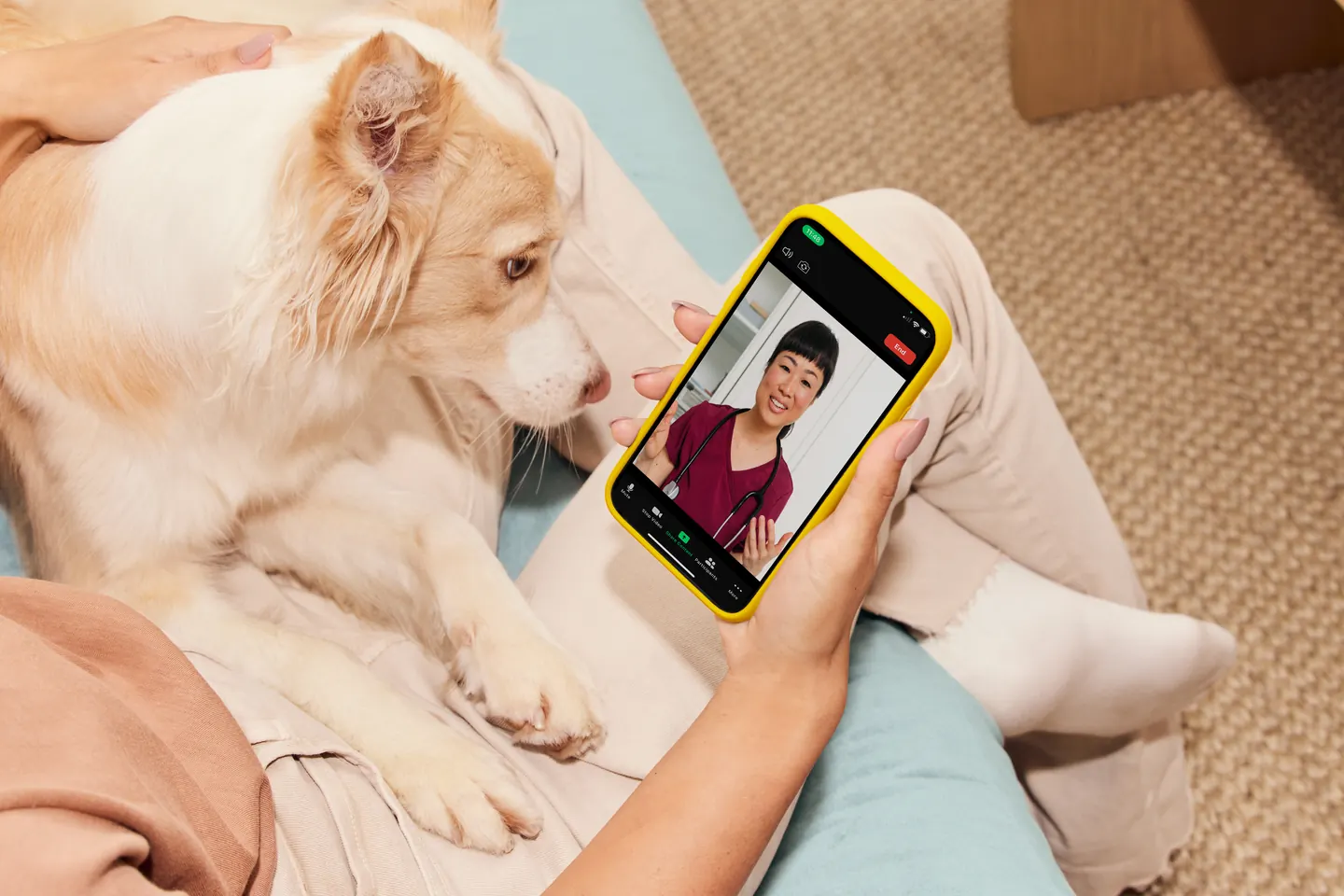
 Sponsored
Need flea, tick, or parasite care for your dog?
A licensed vet at Dutch can recommend the right preventive and prescribe it when it's appropriate. Annual members get 20% off their first flea and tick order.
Use code Pets60
Plans start at $12/month · covers up to 5 pets
- Licensed vets in most states
- Rx for 150+ conditions
- 4.7 on Trustpilot
Which Antibiotics Treat Lyme Disease in Dogs?
Doxycycline is the first-line antibiotic for Lyme disease in dogs, typically dosed at 10 mg/kg every 12 to 24 hours for about 30 days. It is a tetracycline-class antibiotic that reaches the joints and tissues where Borrelia burgdorferi, the spirochete bacterium carried by black-legged ticks (Ixodes scapularis), causes trouble. It is also the reason so many veterinarians reach for it first when a dog is lame and tick-exposed rather than waiting for every test to return.
There are three practical reasons doxycycline holds that first-line spot:
- It penetrates well. Doxycycline gets into joint fluid and soft tissue, which is exactly where Lyme arthritis lives.
- It covers the co-infections. Ticks rarely deliver one pathogen at a time, and doxycycline is also the drug of choice for anaplasmosis and ehrlichiosis. A dog that picked up more than one organism gets treated for all of them at once. Our guide to tick-borne diseases in dogs explains how often those infections travel together.
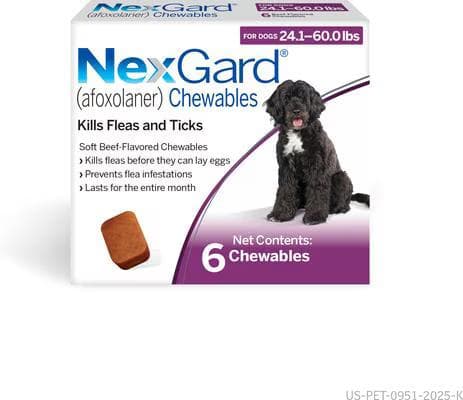
A monthly beef-flavored prescription chew (afoxolaner) that kills fleas before they lay eggs and kills ticks. A popular oral pick for dogs who do better with a chew than a topical.
Webvet may earn a commission when you click through to Chewy, at no extra cost to you.
- It has decades of clinical track record. The ACVIM consensus, the Companion Animal Parasite Council (CAPC), and the Merck Veterinary Manual all name it as the standard starting choice for canine Lyme disease.
If you are looking for the best antibiotics for Lyme disease in dogs, you are probably hoping for a ranked list. The honest answer is that there is one standard choice and a short bench of substitutes, each picked for a specific reason rather than because it works better.
| Antibiotic | Typical use in canine Lyme | Route | Usual course |
|---|---|---|---|
| Doxycycline | First-line choice for nearly every treated dog; also covers common tick-borne co-infections | Oral capsule, tablet, or compounded liquid | About 30 days |
| Amoxicillin | Used when doxycycline is not tolerated, and the usual choice for very young puppies | Oral capsule, tablet, or liquid | About 30 days |
| Minocycline | Same-class substitute, dosed much like doxycycline, when doxycycline is unavailable or back-ordered | Oral capsule or tablet | About 30 days |
| Cefovecin | Injectable option for dogs that cannot tolerate a tetracycline or cannot be reliably pilled at home | Injection given at the clinic | Two injections 14 days apart |
What you will not find on that table is anything you can buy without a prescription. There is no over-the-counter antibiotic, supplement, or herbal preparation that clears Borrelia burgdorferi from a dog, and delaying real treatment while trying one gives the infection more time to reach the joints and kidneys.
What a course of antibiotics can and cannot do
Knowing what the course will and will not do prevents a lot of unnecessary worry later in the month. A course of doxycycline is very good at resolving the acute illness and very poor at doing several other things owners assume it handles:
- It will not clear the antibodies. Your dog can still test positive months or years after a successful course, so a repeat positive result is not evidence that treatment failed.
- It will not prevent reinfection. A treated dog bitten by another infected tick next season can get sick again, which is why prevention is part of the same conversation.
- It will not reverse damage already done. Antibiotics stop the infection driving kidney injury, but they cannot undo protein loss that has already occurred.
- It does not guarantee complete elimination of the organism. Research suggests some dogs remain harboring low numbers of bacteria in tissue after treatment, even when they feel entirely well.
Before Antibiotics: Diagnosis and the Full Treatment Picture
Antibiotics are one step in a longer sequence that starts with recognizing the signs and confirming the diagnosis. A veterinarian typically combines the history of tick exposure, the physical exam findings, and an in-clinic antibody test such as the C6 antibody test, sometimes followed by a quantitative C6 and a urinalysis to gauge how much the infection is doing.

Symptoms, staging, and testing are covered in full in our main guide rather than repeated here. If you are still working out what you are seeing, read Lyme disease in dogs for the first signs, the way the disease progresses, the neurological presentations, and how veterinarians interpret each test. Come back to this page once a diagnosis is on the table and the conversation turns to which antibiotic, at what dose, for how long.
Does Every Dog That Tests Positive Need Antibiotics?
This is the question owners are rarely given a clear answer to, and it matters enormously. A positive Lyme test on a routine wellness screen is not, by itself, a prescription. Most dogs in tick-heavy regions who test positive never develop clinical disease, and the ACVIM consensus specifically advises against reflexively treating a healthy, seropositive dog.
The dogs your veterinarian will want to treat generally look like this:
- Sudden lameness, often shifting from one leg to another, with or without swollen and painful joints
- Fever, lethargy, a dropped appetite, or reluctance to move and jump
- Swollen lymph nodes, particularly near an affected limb
- A positive Lyme test combined with protein in the urine, which can signal early kidney involvement
- Any dog whose clinical picture and tick exposure fit, in the judgment of the examining veterinarian
The dogs who are usually monitored instead are the healthy ones: no lameness, no fever, normal appetite and energy, and a clean urine protein screen. For those dogs, the standard next step is a urinalysis with a urine protein-to-creatinine ratio, then periodic rechecks rather than a bottle of pills.
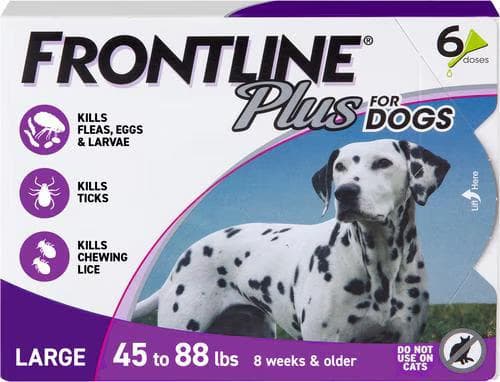
A monthly topical spot-on for large dogs 45 to 88 lbs that kills fleas, ticks, and chewing lice. A waterproof pick for dogs who do better with a topical than an oral chew.
Webvet may earn a commission when you click through to Chewy, at no extra cost to you.
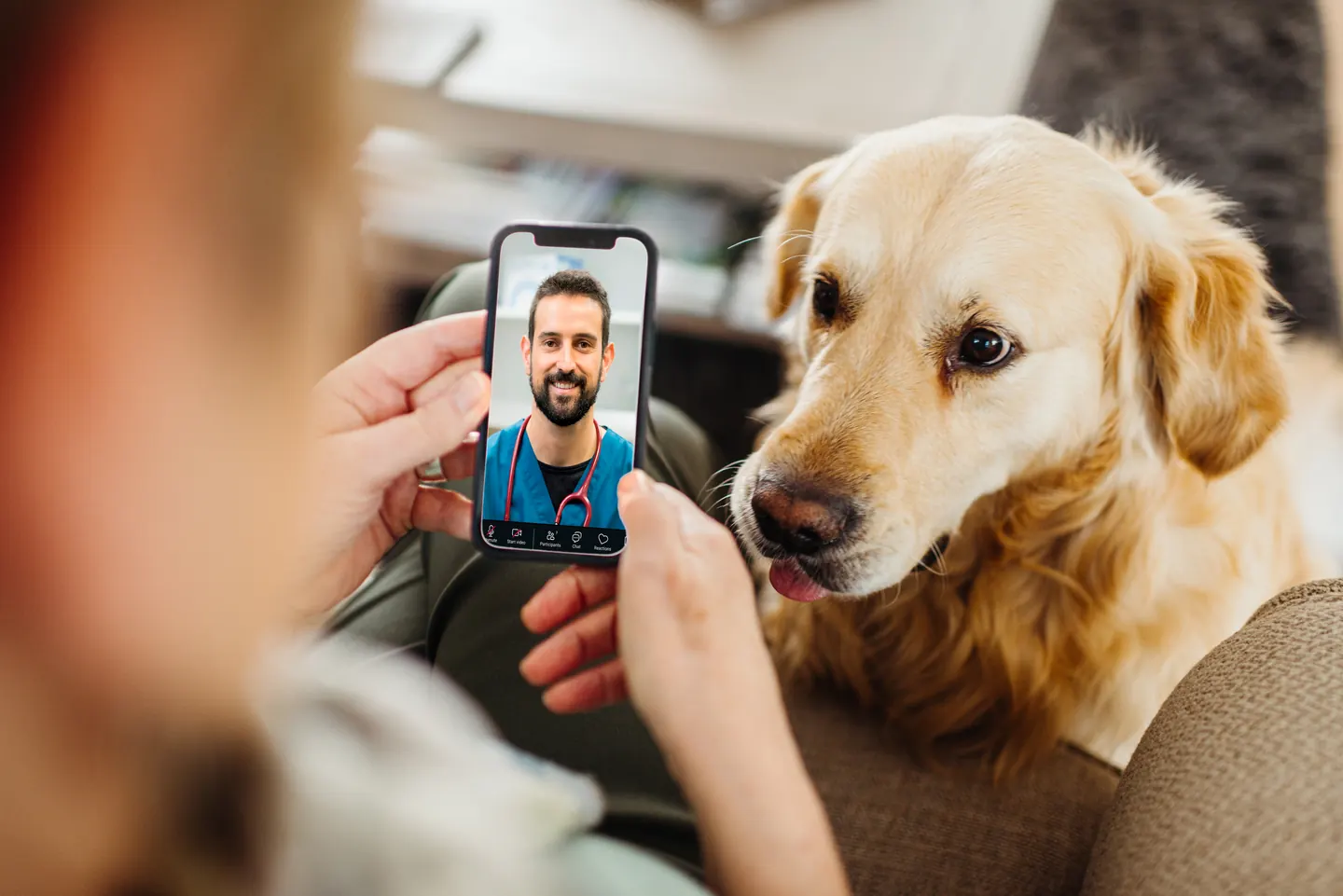 Sponsored
Vet care that's always there
Unlimited video calls and messaging with licensed vets for less than a typical vet visit. One membership covers up to five pets.
Use code Pets60
Plans start at $12/month · covers up to 5 pets
- Licensed vets in most states
- Rx for 150+ conditions
- 4.7 on Trustpilot
Doxycycline Dose and How Long the Course Lasts
How long are dogs on antibiotics for Lyme disease? About 30 days. That is the course length named in the ACVIM consensus and echoed by CAPC and the Merck Veterinary Manual, and it holds even when a dog looks completely normal by the end of the first week. Shorter courses have been associated with relapse, so the finish line is the calendar, not your dog's behavior. Some veterinarians extend beyond 30 days for dogs with kidney involvement or a slow response, and that decision belongs to the clinician who examined your dog.
The dose itself is calculated from body weight, not from breed or from how big your dog looks. The standard reference figure is 10 mg per kilogram of body weight, and published veterinary guidance allows that amount every 12 to 24 hours, so two dogs of identical weight can genuinely go home on different-looking labels. Many clinicians use the once-daily version, and some split a single day's 10 mg/kg into two smaller doses 12 hours apart to settle a sensitive stomach. Your veterinarian then rounds to whatever capsule, tablet, or compounded liquid strength can actually be dispensed, which is why the amount on your label may not match a calculator exactly. Read the interval as carefully as the number, because the two together are the prescription.
| Dog's weight | Approximate weight in kg | Typical amount per dose at 10 mg/kg | Usual interval |
|---|---|---|---|
| 10 lb | 4.5 kg | About 45 mg | Every 12 to 24 hours |
| 20 lb | 9 kg | About 90 mg | Every 12 to 24 hours |
| 30 lb | 13.6 kg | About 135 mg | Every 12 to 24 hours |
| 40 lb | 18 kg | About 180 mg | Every 12 to 24 hours |
| 50 lb | 22.7 kg | About 225 mg | Every 12 to 24 hours |
| 60 lb | 27 kg | About 270 mg | Every 12 to 24 hours |
| 80 lb | 36 kg | About 360 mg | Every 12 to 24 hours |
| 100 lb | 45 kg | About 450 mg | Every 12 to 24 hours |
Treat that chart as a reference for checking the prescription you were given, never as a way to dose a dog yourself. Doxycycline is commonly dispensed as 50 mg and 100 mg tablets or capsules, so the label is almost always rounded to the nearest workable strength: a 45 lb dog, a little over 20 kg, might go home on 200 mg once a day, or on 100 mg twice a day if your veterinarian prefers to split the smaller total. Both patterns appear in the veterinary literature, which is exactly why the chart above is a cross-check and not an instruction. If the label and the math look far apart, or you cannot tell whether the amount shown is meant once or twice daily, call the clinic before the first dose rather than guessing.
The form matters as much as the number for small dogs. A 10 lb terrier cannot be dosed accurately by breaking a 100 mg tablet into quarters, so clinics often send those patients home with a compounded oral suspension measured in a syringe instead. Compounded liquids come with their own handling rules, and they are easy to miss at a busy front desk:
- Shake the bottle thoroughly before every dose, because the drug settles and an unshaken syringe can deliver far too little or far too much
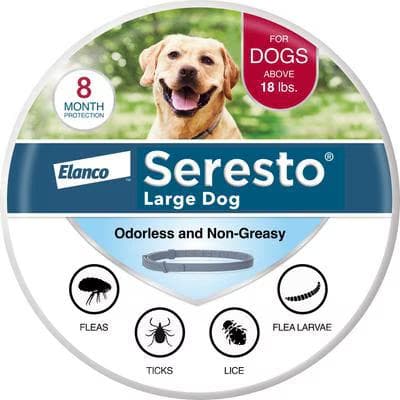
An eight-month flea and tick collar for dogs over 18 lbs that releases protection steadily. A low-effort layer to help keep ticks off between vet-recommended preventives.
Webvet may earn a commission when you click through to Chewy, at no extra cost to you.
- Follow the storage instruction on the label, since many compounded suspensions need refrigeration and have a short expiry
- Use the syringe supplied rather than a kitchen spoon, and rinse it between doses
- Ask the pharmacy for a fresh supply if the liquid changes color, separates permanently, or reaches its discard date mid-course
What improvement should look like day by day
The most useful thing about doxycycline for an acutely lame dog is how fast it works. You should see improvement within 24 to 48 hours, and that rapid turnaround is close to diagnostic: a Lyme-lame dog that responds quickly to doxycycline gives the veterinarian real confidence in the diagnosis.

Photograph or video your dog walking before the first dose. The shifting-leg lameness in the picture above, with the dog favoring a front leg and unloading it onto the opposite shoulder, is subtle enough that memory is a poor comparison point three days later, and a short clip makes it obvious whether the posture has genuinely eased.
| Point in the course | What owners typically see | What to do |
|---|---|---|
| Day 1 | First dose given with food; no visible change yet | Record a short video of your dog walking as a baseline |
| Days 2 to 3 | Fever settles, appetite returns, lameness noticeably improves in most dogs | Call your vet if there is no improvement by day three |
| Days 4 to 7 | Most dogs are moving normally and back to usual energy | Keep giving every dose; do not stop because the dog looks fine |
| Days 8 to 14 | Mild stomach upset, if it happens, usually shows up in this window | Give with food; report vomiting that does not settle |
| Days 15 to 29 | Dog appears completely normal; this is when doses get skipped | Set alarms and finish the full 30 days |
| Day 30 | Final dose | Confirm with the clinic whether a recheck is scheduled |
| After the course | Recheck exam, and often a repeat urine protein screen | Report any returning lameness promptly |
Two follow-up points deserve emphasis. First, antibody tests stay positive for months or longer after successful treatment, so a repeat positive test does not mean the antibiotics failed. Second, the recheck usually includes a urinalysis, because urine protein is the metric that tells your veterinarian whether the kidneys have been drawn in.
Doxycycline Side Effects and What Vets Use Instead
For a focused medication reference, see WebVet’s vet-reviewed Doxycycline for Dogs: Dosage Chart, Side Effects, and Safety guide, including the dosage, side effects, and safety questions to confirm with your veterinarian.
Doxycycline is well tolerated by most dogs, but it is not side-effect free. The common reactions are gastrointestinal and usually mild:
- Vomiting or nausea, most often when the capsule is given on an empty stomach
- Diarrhea or looser stools
- Reduced appetite for the first few days
- Mild increases in liver enzyme values on bloodwork, usually without any outward illness
- Sensitivity to strong sunlight, which is uncommon but documented in tetracycline-class drugs
- Discoloration of developing teeth in very young puppies, which is why they usually get a different antibiotic
If you have typed something close to "doxycycline killed my dog" into a search bar at two in the morning, you deserve a straight answer rather than a hedge. Fatal reactions to doxycycline in dogs are rare. What is much more common is a dog who was seriously ill for a reason the antibiotic could not fix: an undiagnosed co-infection such as anaplasmosis with severe low platelets, Lyme nephritis that was already advanced at the time of diagnosis, or a separate underlying disease. The other genuine risk is a handling error rather than the drug itself, and it is entirely preventable.

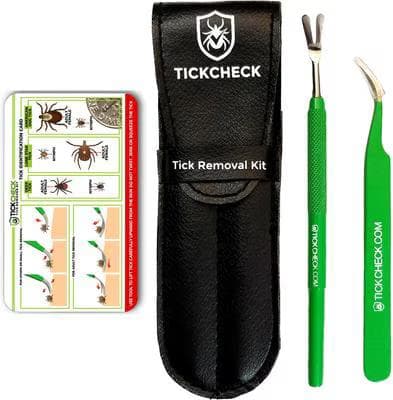
A vet-style tick removal kit with fine-tip tools that grip the tick right at the skin for a clean, straight pull, plus a tick ID card. Easy to keep in your dog-walking bag.
Webvet may earn a commission when you click through to Chewy, at no extra cost to you.
What can I give my dog instead of doxycycline for Lyme?
What you can give your dog instead of doxycycline for Lyme is another prescription antibiotic your veterinarian selects, not a home remedy or a leftover human medication. The main substitutes are amoxicillin for dogs that cannot tolerate doxycycline or that are too young for a tetracycline, minocycline as a tetracycline substitute when doxycycline supply is short, and cefovecin as an injectable option for a dog that cannot tolerate a tetracycline at all or cannot be reliably medicated at home. Each is chosen for a specific reason, and each still runs as a full course rather than a few days.
Here is how a veterinarian typically decides between them:
- Persistent vomiting on doxycycline. The first move is usually giving the dose with a fuller meal or splitting it. If that fails, amoxicillin is the common switch.
- A puppy with developing teeth. Tetracyclines can permanently stain forming enamel, so amoxicillin is the standard substitute in very young dogs.
- A supply problem. Minocycline sits in the same drug class and is the closest like-for-like replacement when doxycycline is not available.
- A dog that cannot be pilled at all. Cefovecin is given as two injections at the clinic 14 days apart, which removes the home-dosing problem entirely. Published work found that pair of injections comparable to a four-week oral course, and the ACVIM consensus lists it for dogs that cannot take a tetracycline.
- Suspected co-infection. This usually pushes the choice back toward a tetracycline, because amoxicillin does not cover anaplasmosis or ehrlichiosis.
Telling a drug reaction apart from worsening disease comes down to timing and pattern. Vomiting that starts within an hour or two of a dose, on a dog that is otherwise brighter and moving better, points to the medication. Lameness that is not improving by day three, a fever that will not break, or new lethargy after an initial improvement points to the disease or to something the antibiotic is not covering. Either way, the call goes to your veterinarian rather than to the internet, and you should never stop the course on your own.
Pain Relief and Supportive Care During Treatment
Are dogs in pain with Lyme disease? Yes. Lyme arthritis produces genuinely painful, inflamed joints, and the classic presentation is a dog that is stiff, reluctant to jump or climb stairs, and shifting weight off whichever leg hurts most. Some dogs also run a fever and lose their appetite, which adds a general malaise on top of the joint pain. The pain is real enough that many veterinarians prescribe pain relief alongside the antibiotic for the first several days rather than waiting for the antibiotic alone to work.
Supportive care during the first week usually looks like this:
- A short course of a veterinary-prescribed non-steroidal anti-inflammatory (NSAID) such as carprofen, meloxicam, or grapiprant to take the edge off joint pain
- Restricted activity: leash walks only, no stairs, no jumping into cars or onto furniture until the lameness has resolved
- Soft, easy bedding away from cold, hard floors
- Encouraging water intake, since a feverish dog with a poor appetite drinks less
- Giving the antibiotic with food so nausea does not compound the appetite loss
One more caution on NSAIDs: because Lyme disease can affect the kidneys, many veterinarians want a urinalysis and bloodwork before starting one, and some prefer to hold off entirely in a dog with protein in the urine. That is a clinical decision, and it is a good reason not to reach into your own cupboard for anything left over from a previous dog.
Prognosis and the Kidney Complication to Watch For
The general picture for a dog with uncomplicated Lyme arthritis treated promptly is genuinely good. Most treated dogs improve quickly, finish the course, and go back to normal life. The complication that changes that outlook is Lyme nephritis, a protein-losing kidney disease that is uncommon but serious, and that can appear even in dogs that seemed to respond well to their antibiotics.

Prognosis, life expectancy, survival figures, and the full Lyme nephritis picture are covered on our main guide rather than repeated here. For staging, outcome data, how veterinarians manage kidney involvement, and what recovery looks like long term, read the prognosis section of Lyme disease in dogs. What matters most on this page is the short list of changes that should send you back to the clinic during or after a course of antibiotics.
Preventing the Next Tick Bite
Finishing a course of antibiotics does not make a dog immune. Dogs can be reinfected, and in tick-heavy regions many are exposed repeatedly across a single season, which is why the prevention conversation usually starts at the same appointment as the diagnosis.
Three levers do the most work:
- Fast, correct tick removal. Borrelia burgdorferi generally needs the tick attached for at least 24 to 48 hours before transmission occurs, so a tick found and removed the same day rarely passes the infection along, which is far easier when fine-tipped tweezers or a TickCheck tick removal kit are already within reach. Our step-by-step guide to how to remove a tick from a dog covers the grip, the angle, and the mistakes that leave mouthparts behind.
- Year-round tick preventives. Modern chewables such as NexGard and Bravecto, topicals such as Frontline Plus, and collars such as the Seresto collar kill or repel ticks before or shortly after attachment, which is the whole point given the transmission window. If you are trying to sort claims about speed of kill, what kills ticks on dogs instantly separates the myths from what actually works quickly.
- The Lyme vaccine conversation. Vaccination is not automatic and depends on where you live and how your dog spends its time. The decision, the schedule, and the honest limitations are covered in the Lyme disease vaccine for dogs.
Daily tick checks close the gap that products leave open. Run your hands over the ears, under the collar, in the armpits and groin, between the toes, and around the tail base after any walk in tall grass or wooded ground. Nymphal black-legged ticks are roughly the size of a poppy seed, so this is a fingertip job as much as a visual one, and it is the habit that most reliably keeps a household from repeating this entire experience next season.
Lyme Antibiotic Questions Dog Owners Ask
Frequently Asked Questions
What happens if my dog misses a dose of doxycycline?
Give it as soon as you remember, then continue on the normal schedule. If you are already close to the next scheduled dose, skip the missed one and resume with the next dose instead. Never double up to catch up, because a doubled dose raises the risk of vomiting and stomach upset without helping the infection. One missed dose in a 30-day course will not undo the treatment, but a pattern of missed doses can, so set phone alarms and keep a simple checklist on the bottle. If you have missed several days, call your veterinarian rather than deciding on your own whether to extend the course.
Can I give my dog doxycycline left over from an old prescription or from a person?
No. The dose is weight based and the diagnosis has to be confirmed first, so an old bottle sized for a different dog, or a human prescription sized for an adult person, is very unlikely to be correct. Expired or leftover antibiotics also lose potency, and an underdosed course can leave the infection behind while making your dog sick from the side effects anyway. Human doxycycline is also dispensed in forms that are wrong for a dog, such as delayed-release tablets that should not be split. Wait for the veterinary prescription, and if the wait feels too long, call the clinic and describe the symptoms so they can triage the appointment.
Can puppies take doxycycline for Lyme disease?
Usually not, and the reason is dental. Tetracycline-class antibiotics, including doxycycline, can cause permanent tooth discoloration in young puppies whose adult teeth are still forming, so veterinarians typically avoid them in very young dogs. Amoxicillin is the usual substitute, given for a comparable 30-day course. Puppies that are past the tooth-development window may be prescribed doxycycline normally. Your veterinarian will weigh your puppy's exact age against the risk, and the decision is theirs to make rather than something to work out from a chart at home.
Does dairy or a calcium supplement stop doxycycline from working in dogs?
Give doxycycline with a small amount of plain food, but keep dairy and mineral supplements away from the dose. Tetracycline-class antibiotics bind to calcium, magnesium, iron, and aluminum, so milk, cheese, yogurt, calcium chews, and antacids can cut how much drug your dog actually absorbs. Plain meat, a spoonful of wet food, or a pill pocket works better. If your dog takes a mineral supplement, ask your veterinarian how many hours to leave between it and each dose.
What is the difference between doxycycline hyclate and doxycycline monohydrate for dogs?
Both contain the same active drug and are dosed the same way. They differ in the salt form. Hyclate is more water soluble and more acidic, and it is the version most often linked with an upset stomach and with irritation if a capsule is swallowed without food or water. Monohydrate is less acidic and is sometimes chosen for a dog with a sensitive gut. Never switch between the two on your own; ask the clinic if the dispensed form is not going down well.
What should I do if my dog vomits right after a dose of doxycycline?
Call your veterinary clinic before giving anything else, because whether that dose counted depends on how much time passed and whether the capsule came back up. Do not automatically repeat it, since a second full dose can deepen the nausea. Mild vomiting often settles when the next dose is given with a larger meal instead of a small one. Vomiting that keeps returning, or a dog that seems painful or will not eat at all, needs a same-day appointment.
Can a dog be allergic to doxycycline, and what would a reaction look like?
True allergic reactions to doxycycline are uncommon in dogs, but they do happen. They usually show up within minutes to a few hours of a dose and look nothing like ordinary stomach upset: swelling of the face or muzzle, hives or raised welts, frantic itching, sudden weakness, pale gums, or labored breathing. Those are emergency signs that need immediate veterinary care rather than a wait-and-see approach. Stop the medication and call the clinic, which can move your dog to a different class of antibiotic.
What if my dog's lameness comes back after the 30-day course is finished?
Book a recheck rather than restarting leftover capsules. Signs that return after a completed course can mean a genuine relapse that needs treating again, a co-infection such as anaplasmosis that was never addressed, a fresh infection from a new tick bite, or a joint problem that has nothing to do with Lyme disease. Your veterinarian separates those with an exam and repeat testing, and the answer changes what your dog needs next. Do not extend or repeat an antibiotic course on your own.
Sources
- Merck Veterinary Manual: Lyme borreliosis in animals
- ACVIM consensus update on Lyme borreliosis in dogs and cats (Journal of Veterinary Internal Medicine)
- Companion Animal Parasite Council (CAPC): Lyme disease guidelines
- Cornell University College of Veterinary Medicine, Riney Canine Health Center: Lyme disease
- VCA Animal Hospitals: Lyme disease in dogs
- Today's Veterinary Practice: Lyme borreliosis in dogs

Editor
The Webvet Editorial Team is the in-house group of pet-care editors and writers behind Webvet, operated by Smart Pet Collective. The team researches, writes, and maintains Webvet's pet health, behavior, and medication content. Every article follows a defined editorial process: research from reputable veterinary and scientific sources, careful drafting, mandatory review of medical content by a credentialed veterinarian, and dated publication. Health and medication articles are medically reviewed by a licensed veterinary professional before they go live and are kept current over time.
Veterinarian · BVMS MRCVS
Dr. Pippa Elliott, BVMS, MRCVS, is a veterinarian with nearly 30 years of experience in companion animal practice. Dr. Elliott earned her Bachelor of Veterinary Medicine and Surgery from the University of Glasgow. She was also designated a Member of the Royal College of Veterinary Surgeons. Married with 2 grown-up kids, Dr. Elliott has a naughty Puggle named Poggle, 3 cats and a bearded dragon.


