Doxycycline for Dogs: Dosage Chart, Side Effects, and Safety
Doxycycline for Dogs explained: see the vet-reviewed dosage-by-weight chart, side effects, safety warnings, cost, and when to call your veterinarian.

BVMS MRCVS
Medically reviewed by Dr. Pippa Elliott, BVMS MRCVS · Last reviewed

Drug facts
Rx Database sponsored by
Doxycycline
Doxycycline is the medication or medication group covered in this vet-reviewed WebVet consumer safety guide.
 Sponsored
Is Doxycycline right for your dog?
A licensed vet at Dutch can assess your dog over video and prescribe treatment when it's appropriate, delivered to your door.
Use code Pets60
Plans start at $12/month · covers up to 5 pets
- Licensed vets in most states
- Rx for 150+ conditions
- 4.7 on Trustpilot
Doxycycline for dogs is a prescription tetracycline antibiotic used for selected bacterial and tick-borne infections and as one component of some heartworm treatment protocols. The dose changes with the diagnosed infection, interval, route, and dog, so a body-weight calculation cannot be separated from the indication. Confirm the exact milligrams and course with your veterinarian.
Doxycycline Dosage for Dogs by Weight
| Diagnosed use | Merck veterinary weight rule | Interval and duration | Owner boundary |
|---|---|---|---|
| General extra-label veterinary use in dogs and cats | 5 to 10 mg/kg by mouth | Every 24 hours; course depends on the infection | The veterinarian selects the point in the range and dispensed form |
| Canine Lyme borreliosis | 10 mg/kg by mouth | Every 12 to 24 hours for one month | Diagnosis, coinfection, response, and complete course require veterinary follow-up |
| Rocky Mountain spotted fever | 5 mg/kg by mouth | Every 12 hours; duration depends on infection and coinfection risk | Do not substitute this interval for another infection |
| Rocky Mountain spotted fever alternate schedule | 10 mg/kg by mouth | Every 24 hours; duration depends on infection and coinfection risk | The veterinarian chooses the schedule, not the owner |
| Any dog with a possible extra dose, wrong tablet, or severe reaction | Do not calculate another amount | Do not repeat until advised | Call the veterinarian or animal poison control service with the package |
When considering doxycycline for dogs, use the veterinarian-confirmed product and plan for that animal. How much doxycycline can I give my 20 lb dog? There is no universal amount because the Merck references use different mg/kg rules and intervals for general extra-label use, Lyme disease, and Rocky Mountain spotted fever. A veterinarian must convert the dog's verified weight for the diagnosed infection and select a tablet, capsule, or compounded amount that can be measured accurately.
The chart is a prescription-verification tool, not a treatment menu. Do not choose the infection row from symptoms alone, use another dog's leftovers, or change from every 24 hours to every 12 hours because improvement is slow.

Before the first dose
Confirm the dog name, diagnosis, milligrams, formulation, interval, course length, food instructions, and follow-up plan. Ask what to do if vomiting occurs after a dose and whether minerals, antacids, or supplements must be separated.
Tell the veterinarian about:
- pregnancy, nursing, or young age
- liver disease or serious gastrointestinal disease
- swallowing problems or a history of esophageal injury
- antacids, iron, calcium, magnesium, and other mineral products
- every antibiotic already given for the current illness
- possible tick exposure, travel, and heartworm-prevention history
Starting the right course promptly matters for several tick-borne diseases, but so does confirming whether another infection is present. Do not wait for a visible tick to seek care when fever, weakness, bruising, joint pain, or neurologic signs develop after possible exposure.
Testing turns a symptom into a treatment plan
Fever, low appetite, joint pain, enlarged lymph nodes, bruising, and weakness can occur with several infections and noninfectious diseases. A tick exposure history raises suspicion but does not identify the organism. Testing may include a blood count, chemistry, urinalysis, screening tests, confirmatory assays, imaging, or organism-specific tests.
The veterinarian interprets results with timing. An antibody test can reflect exposure rather than current illness, and early infection may not yet produce the expected result. Coinfection is possible where ticks carry multiple organisms.
Bring information about:
- recent travel and tick habitat
- attached ticks and estimated attachment timing when known
- current and missed tick-prevention doses
- fever, lameness, bruising, appetite, urine, and neurologic changes
- previous antibiotics and the response
This evidence helps match the dose and duration row to a diagnosed disease instead of treating a keyword.
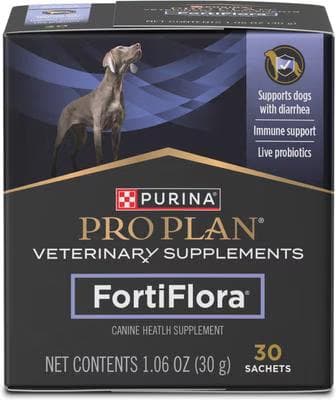
The #1 vet-recommended probiotic for dogs. Daily powder sachets with live probiotics support healthy digestion and firmer stools, and can help dogs coping with diarrhea or GI upset.
Webvet may earn a commission when you click through to Chewy, at no extra cost to you.
What Doxycycline Treats in Dogs
- 1Doxycycline is veterinarian prescribed and is not a substitute for identifying the infection.
- 2It can treat susceptible bacteria and several tick-borne infections, but it does not treat every cause of fever, cough, or poor appetite.
- 3In heartworm care, doxycycline targets Wolbachia bacteria as one part of a larger protocol, not the adult worms by itself.
- 4Facial swelling, breathing difficulty, collapse, severe weakness, or a major dosing error is an emergency warning.
What will doxycycline do to a dog? When the infecting organism is susceptible and the prescription is followed, it inhibits bacterial protein synthesis so the infection can be controlled. The visible response depends on the disease, severity, organ involvement, immune status, and whether another organism is present.
What is doxycycline used for in dogs? Veterinary uses include Lyme borreliosis, Rocky Mountain spotted fever, ehrlichiosis, anaplasmosis, and selected bacterial infections. It may also be included in a heartworm protocol because of its effect on Wolbachia bacteria associated with heartworms.
Is doxycycline a very strong antibiotic? "Strong" is not the useful comparison. An antibiotic is appropriate when it reaches a susceptible organism at the right exposure and duration. Doxycycline can be highly useful for certain infections and ineffective or inappropriate for others. Culture, testing, exposure history, and disease pattern guide the choice.

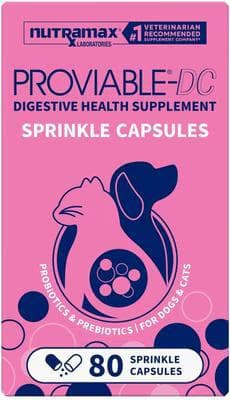
Multi-strain probiotic plus prebiotic sprinkle capsules for dogs and cats; supports digestive balance during diarrhea, diet changes, and antibiotic courses.
Webvet may earn a commission when you click through to Chewy, at no extra cost to you.
Lyme disease and other tick-borne infections
The Merck Lyme reference lists 10 mg/kg every 12 to 24 hours for one month. That specific course must not be generalized to every tick-borne disease. Coinfection can change signs, testing, treatment, and recovery, and kidney involvement in Lyme disease can make the case more serious.
WebVet's antibiotics for Lyme disease in dogs guide explains the disease-specific antibiotic decision. A positive screening test does not always prove current illness, so the veterinarian interprets exposure, symptoms, confirmatory testing, urinalysis, and other findings.
For Rocky Mountain spotted fever, Merck lists two doxycycline schedules: 5 mg/kg every 12 hours or 10 mg/kg every 24 hours. Duration depends on the infection and possible coinfection. Do not combine the schedules or stop as soon as fever improves.
How long does doxycycline take to work?
The available primary veterinary evidence does not provide one universal onset number. Some dogs begin to feel better after treatment starts, but fever, joint pain, blood-count changes, neurologic signs, or organ injury can recover on different timelines. Lack of improvement can reflect an incorrect diagnosis, resistant or unaffected organism, coinfection, missed doses, poor absorption, or severe disease.
Call the veterinarian when signs worsen, a new symptom develops, or the dog is not improving on the stated timeline. Do not increase the amount or add another antibiotic at home.
Doxycycline and heartworm disease
Can doxycycline be used for heartworm in dogs? Yes, as one component of a veterinarian-directed protocol. It targets Wolbachia bacteria that live with heartworms and can affect inflammation and treatment, but it is not the medication that kills adult heartworms.
What medication kills heartworms in dogs? Melarsomine is the veterinary adulticide used to kill adult heartworms under a staged treatment plan. Prevention, activity restriction, testing, doxycycline, and other supportive medicines can also be part of the protocol. Do not attempt a home combination or use doxycycline as a substitute for adulticide treatment.
Strict exercise restriction can be load-bearing during heartworm treatment because dying worms and inflammation can affect lung vessels. The prescribing clinic should explain activity, warning signs, and the full calendar.
Doxycycline Side Effects, Interactions, and Safe Administration
Doxycycline side effects in dogs most often involve the gastrointestinal tract, including nausea, vomiting, diarrhea, or reduced appetite. Tablets and capsules can also irritate the esophagus if they lodge instead of reaching the stomach. Follow the veterinarian's food and water instructions and do not dry-pill a dog with swallowing difficulty.

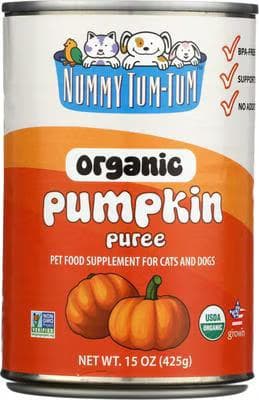
Pure USDA-organic pumpkin puree, no fillers or additives. Adds gentle soluble fiber to firm up loose stool and settle a mildly upset stomach. A simple vet-favorite topper.
Webvet may earn a commission when you click through to Chewy, at no extra cost to you.
Giving tablets, capsules, or liquid safely
Use the exact dispensed formulation. If the clinic instructs giving doxycycline with food or following it with water or a food portion, follow that direction so the dose is swallowed and esophageal irritation risk is reduced. Do not crush a tablet or open a capsule unless the veterinarian or pharmacist approves that product.
For a compounded liquid:
- verify concentration in mg/mL
- shake only if the label directs it
- measure with the supplied oral syringe
- follow storage and beyond-use instructions
- do not reuse a previous syringe marked for another concentration
Milliliters are not milligrams. A refill can have a different concentration, so compare the new label before using an old measuring plan.
 Sponsored
Vet care that's always there
Unlimited video calls and messaging with licensed vets for less than a typical vet visit. One membership covers up to five pets.
Use code Pets60
Plans start at $12/month · covers up to 5 pets
- Licensed vets in most states
- Rx for 150+ conditions
- 4.7 on Trustpilot
Food, minerals, and antacids
Calcium, magnesium, iron, and other minerals can bind tetracyclines and reduce absorption. The veterinarian or pharmacist should set any separation interval for the dog's exact products. Disclose supplements, antacids, fortified foods, and multivitamins instead of assuming a familiar product is irrelevant.
Do not skip nutrition in a sick dog merely to create a fasting window. Ask for a schedule that fits the prescription and medical condition.
Finish the prescribed course
Do not stop when appetite or energy first improves. The necessary duration depends on the organism and site of infection, and premature discontinuation can allow disease to persist or recur. Conversely, do not extend leftover tablets beyond the written course.
Record each dose and report missed doses. Never double the next amount unless the veterinarian specifically directs it.
Antibiotic stewardship protects the dog
Doxycycline should not be used for every cough, fever, skin lesion, or positive screening test. An unnecessary antibiotic can cause adverse effects, alter normal bacteria, and delay the diagnosis. Using too little, skipping doses, or saving leftovers can also undermine treatment.
Do not share tablets between dogs even when both had tick exposure. Weight, infection, interval, formulation, and course can differ. Return unused medicine according to clinic or pharmacy guidance instead of keeping a household emergency supply.
If the dog cannot tolerate the medicine, call. The solution may involve administration technique, formulation, supportive care, or another antibiotic, not simply abandoning the course.
When is doxycycline unsafe?
The veterinarian should review pregnancy, nursing, young growing animals, liver disease, severe gastrointestinal disease, swallowing problems, and known tetracycline reactions. Risk-benefit decisions differ when a serious tick-borne disease requires prompt therapy.
A dog that vomits repeatedly, cannot swallow, becomes profoundly weak, or develops a suspected allergic reaction needs reassessment. "Doxycycline killed my dog" searches often follow a frightening decline, but the infection itself can also be severe. Veterinary records and timing are needed to evaluate cause rather than assuming either the drug or disease explains everything.
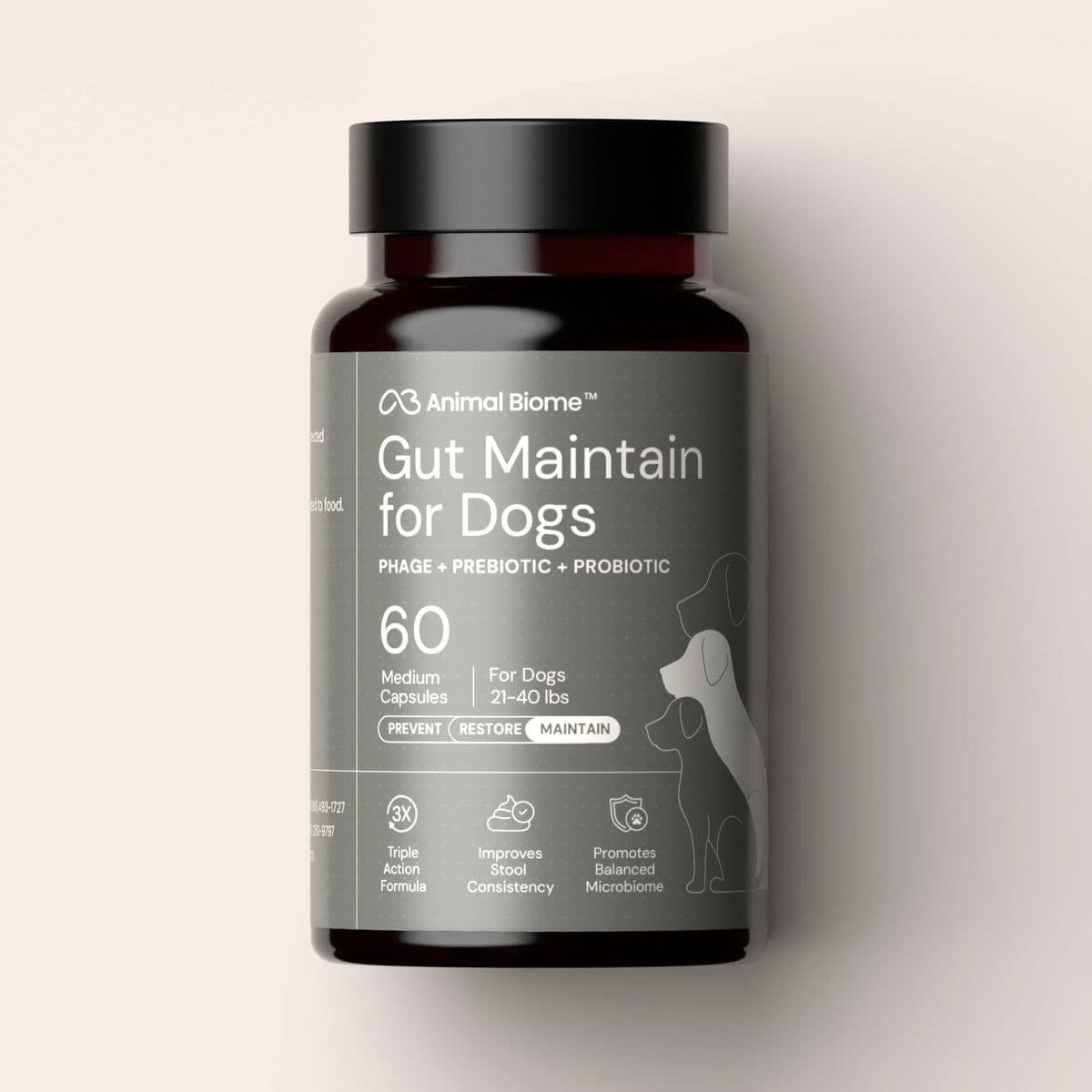
Triple-action phage, prebiotic, and probiotic capsules for everyday maintenance of a balanced gut microbiome once a dog's digestive flare has settled.
Webvet may earn a commission when you click through to Animal Biome, at no extra cost to you.
Doxycycline Cost and Prescription Options
Doxycycline is a generic prescription antibiotic, but cost varies by strength, quantity, formulation, pharmacy, and course length. A compounded liquid can cost more than standard tablets because it is prepared to a custom concentration. A universal current price range would be misleading.
The full treatment cost may include:
- veterinary examination and diagnostic testing
- tick-borne disease panel or confirmatory testing
- blood count, chemistry, and urinalysis
- doxycycline strength and quantity
- rechecks for organ involvement or treatment response
- additional therapy for coinfection or heartworm disease
Ask the clinic for exact prescription details before comparing pharmacies. A lower tablet price is not a savings if the strength cannot be measured, the formulation is hard to swallow, or the quantity does not match the course.
Avoid sellers offering antibiotics without a prescription. Product identity, storage, and legal dispensing matter, and using an unverified antibiotic can delay the correct diagnosis.
Tick prevention still matters after treatment
Finishing doxycycline does not prevent the next infected tick bite. Review a year-round or local-risk prevention plan with the veterinarian, perform tick checks after outdoor activity, and remove attached ticks promptly with an appropriate tool. Do not apply a product labeled for another species.
Landscape management and travel planning can reduce exposure:
- keep grass and brush controlled around high-use areas
- check the ears, collar area, armpits, groin, paws, and between toes
- inspect bedding and gear after hikes
- ask about changing regional disease risks before travel
- maintain recommended screening even when prevention is consistent
People do not catch Lyme disease or Rocky Mountain spotted fever directly from a treated dog, but the same tick environment can expose household members. Human illness concerns belong with a physician, while veterinary prevention protects the dog.
Monitoring Response
Keep a daily log of dose time, food, vomiting, stool, appetite, temperature if the veterinarian directs it, energy, lameness, bruising, breathing, and new neurologic signs. Tick-borne disease can affect blood cells, joints, kidneys, and the nervous system, so response is broader than appetite alone.
Call promptly for worsening weakness, pale gums, bleeding, breathing difficulty, reduced urination, seizures, or severe pain. The veterinarian may repeat bloodwork or other tests even when the dog looks better, because organ changes can lag behind visible improvement.
When Doxycycline Is Not Working as Expected
Lack of improvement can mean the organism is not susceptible, the diagnosis is incomplete, coinfection is present, doses are not being retained, or disease has already caused organ injury. It does not automatically mean the amount is too low.
Call with:
- diagnosis and test results already discussed
- exact product, amount, interval, and start date
- missed or vomited doses
- food, mineral, and antacid timing
- fever, appetite, energy, lameness, bruising, urine, and neurologic signs
- tick exposure and preventive history
The veterinarian may repeat testing, adjust supportive care, change antibiotics, or investigate another disease. Do not add leftover antibiotics or combine the every-12-hour and every-24-hour rows from the table.
When vomiting follows the dose
Record how soon vomiting occurred and whether the tablet or capsule was visible. Do not automatically replace it. Some medicine may already have dissolved, and another full dose can create an error. Ask about administration technique, food, water, formulation, and anti-nausea support.
When signs return after the course
Recurrence deserves reassessment. The dog may have ongoing infection, reinfection, coinfection, a noninfectious condition, or organ effects that need monitoring. Do not restart saved tablets without a veterinarian because the correct tests are easiest to interpret before an unplanned course changes the picture.
Storage and Caregiver Safety
Keep doxycycline in the original labeled container, dry and out of reach. Store compounded liquid exactly as the pharmacy directs and discard it at the beyond-use date. Do not use expired tablets left from another illness.
Mark every dose when more than one caregiver is involved. Keep the oral syringe with the matching bottle, especially when concentration can change between refills. Wash hands after handling and follow pharmacy advice for disposal.
Travel and final recheck
If a dose is prepared for travel or boarding, preserve the pharmacy label and written schedule. Do not place loose tablets in an unmarked bag. The caregiver should know which signs require stopping and calling, and should not substitute a mineral supplement or antacid schedule without approval.
At the final recheck, ask whether follow-up testing is needed and when prevention should resume or continue. Completing tablets is not always the same as confirming that infection and organ effects have resolved.
Doxycycline For Dogs FAQs
Frequently Asked Questions
What are the first signs of heartworm in a dog?
The first signs of heartworm in a dog may be hard to see because early disease can have few visible signs. As disease progresses, coughing, reduced exercise tolerance, fatigue, weight loss, breathing change, or collapse can occur. Those signs are not specific to heartworm, so testing is essential. Doxycycline does not replace heartworm testing, prevention, adulticide treatment, or veterinary staging.
How long can a dog live with heartworms without treatment?
A dog with heartworms should not be left without treatment to test how long it can live because there is no safe universal timeline. Untreated heartworms can progressively damage the lungs, pulmonary vessels, and heart, and a dog can deteriorate suddenly. Apparent normal activity does not prove low risk. A positive dog needs veterinary staging and a treatment plan rather than waiting for symptoms or relying on doxycycline alone.
What months do dogs need heartworm pills?
The months when dogs need heartworm pills are set by the product's current label and the veterinarian's schedule for location, travel, testing history, and risk. Many veterinary programs avoid seasonal gaps because mosquito exposure can be unpredictable. Do not restart after missed protection without asking whether testing or a revised schedule is needed.

Editor
The Webvet Editorial Team is the in-house group of pet-care editors and writers behind Webvet, operated by Smart Pet Collective. The team researches, writes, and maintains Webvet's pet health, behavior, and medication content. Every article follows a defined editorial process: research from reputable veterinary and scientific sources, careful drafting, mandatory review of medical content by a credentialed veterinarian, and dated publication. Health and medication articles are medically reviewed by a licensed veterinary professional before they go live and are kept current over time.
Veterinarian · BVMS MRCVS
Dr. Pippa Elliott, BVMS, MRCVS, is a veterinarian with nearly 30 years of experience in companion animal practice. Dr. Elliott earned her Bachelor of Veterinary Medicine and Surgery from the University of Glasgow. She was also designated a Member of the Royal College of Veterinary Surgeons. Married with 2 grown-up kids, Dr. Elliott has a naughty Puggle named Poggle, 3 cats and a bearded dragon.


