Why Is My Cat Eating Litter?
Cats eat litter for reasons ranging from kitten curiosity to pica, anemia, or kidney disease. A vet explains the causes, warning signs, and safer alternatives.

This article contains affiliate links. Webvet may earn a commission when you buy through them, at no extra cost to you.
Catching your cat eating litter is unsettling. The box is for elimination, so a cat that nibbles, chews, or swallows litter understandably sets off alarm bells. Why is my cat eating litter? In most cases it comes down to one of four things: ordinary curiosity, a nutritional gap (often iron-deficiency anemia), a compulsive habit called pica, or an underlying illness such as kidney disease or an overactive thyroid.
An occasional taste is usually harmless. Repeated litter eating is not, because it can both cause problems and signal a hidden one. A cat that returns to the box to chew litter, or one that develops the habit suddenly as an adult, is telling you something is off, and the message is worth reading carefully.
This vet-reviewed guide walks through every common cause, behavioral and medical, the real risks by litter type, the step-by-step plan to stop the behavior at home, and the specific signs that mean it is time to call your vet now rather than later.
- 1An occasional nibble is usually curiosity; repeated or sudden litter eating needs a vet visit.
- 2The most common medical trigger is iron-deficiency anemia, but kidney disease, thyroid disease, parasites, and nutritional gaps can all be involved.
- 3Clumping clay litter is the riskiest to swallow because it expands and can block the gut.
- 4The fastest first steps: rule out illness with bloodwork, feed a complete diet, switch to a safe non-clumping litter, and add enrichment.
Is It Normal for a Cat to Eat Litter?
A quick sniff, paw, or single taste, especially in a kitten exploring a new box, is normal and usually fades within days. Cats investigate unfamiliar textures and smells, and a brand-new litter is exactly the kind of novelty that invites a test nibble before they lose interest.
What is not normal is a cat that repeatedly chews or swallows litter, goes back for more, or starts the behavior suddenly as an adult. Frequency and timing are the tells. A one-off in a playful kitten is very different from a daily habit in a six-year-old cat, and the second pattern is your signal to look closer and book a vet exam.
Litter eating also rarely happens in a vacuum. It often travels with other litter-box changes, so watch the whole picture. If your cat is also going outside the box, see our guides on why cats pee outside the litter box and when litter-box changes signal a medical problem.
Behavioral and Everyday Reasons Cats Eat Litter
Not every case is medical. Several normal feline behaviors and environmental factors can nudge a cat toward the litter, and these are often the easiest to address once you spot them.
Curiosity and teething in kittens
Kittens explore the world with their mouths. A new litter, especially a soft or food-scented one, invites sniffing and tasting, and teething kittens may chew to soothe sore gums between about three and six months of age. These episodes usually taper off as the box becomes associated with elimination rather than play, and as the adult teeth finish coming in.

Teaser wand with a feathered bird charm and catnip to trigger your cat's chase-and-pounce instinct.
Webvet may earn a commission when you click through to Chewy, at no extra cost to you.
Boredom and too little enrichment
An under-stimulated indoor cat may chew non-food objects, litter included, simply to fill an empty day. Cats are hunters wired to stalk, climb, and problem-solve, and a home with no outlets for that drive can leave a cat inventing its own entertainment. Boredom-driven chewing is one of the most common and most fixable behavioral causes.
Stress and anxiety
A move, a new pet or baby, a schedule change, renovation noise, or conflict with another cat can all trigger anxious, repetitive behaviors. Some stressed cats redirect that tension into chewing or eating litter, much the way an anxious person might bite their nails. The behavior tends to spike around the stressful event and ease as things settle.
Litter texture, scent, and food-based litters
Fine-grained, heavily scented, or food-derived litters made from corn, wheat, or walnut can smell and feel appealing enough to nibble, because to a cat they read a little like food. If your cat fixates on one particular litter, the product itself may be part of the problem. A simple, unscented, non-food litter such as Catalyst Pet soft-wood litter removes that temptation while keeping strong odor control and very low dust.
Medical Causes of Litter Eating
When litter eating is frequent, sudden, or paired with other symptoms, a medical cause moves to the top of the list. These need a veterinary workup rather than guesswork, because the right test usually points straight to the answer.
Pica
Pica is the repeated eating of non-food materials like litter, plastic, or fabric. It can be primarily behavioral, or it can be a downstream sign of disease such as anemia or GI disorders. Because the same behavior can have very different roots, a cat with true pica should always be examined rather than simply trained out of it.
Anemia and iron deficiency
This is the classic medical driver, and the one vets think of first. When red-blood-cell or iron levels fall, some cats crave and eat non-food items in a drive researchers link to the deficiency itself. Pale gums, weakness, fast breathing, or low energy alongside litter eating point toward anemia and warrant prompt bloodwork to check the red-cell count.
Nutritional and mineral deficiencies
A diet short on key minerals, or an unbalanced home-cooked diet, can spark unusual cravings as the body tries to make up the gap. This is uncommon in cats fed a complete, balanced, AAFCO-compliant commercial food, which is exactly why confirming the diet is one of the first things a vet will do.
Intestinal parasites
Worms and other gastrointestinal parasites can rob a cat of nutrients and irritate the gut, sometimes contributing to pica, poor coat, or a pot-bellied look. A simple fecal test rules them in or out, and treatment is straightforward when they are found.
Kidney disease
Chronic kidney disease is common in older cats and frequently causes anemia, which in turn can drive litter eating. It often comes with increased thirst, increased urination, weight loss, and a reduced appetite. A senior cat that suddenly starts eating litter needs kidney values and a red-cell count checked without delay.
Hyperthyroidism and other illness
An overactive thyroid, feline leukemia (FeLV), diabetes, and dental disease can all alter appetite and behavior in ways that show up as odd eating habits. Litter eating that appears alongside weight loss, increased thirst, vomiting, a ravenous or absent appetite, or a poor coat deserves a full workup to find the driver.
Pica in Cats: When Eating Litter Becomes Compulsive
Pica in cats is the persistent eating of non-nutritive substances. It is not a diagnosis on its own but a symptom with many possible roots, from anxiety and boredom to anemia, GI disease, and genetics, with some Oriental breeds like Siamese and Burmese more prone to wool- and fabric-eating forms.
The danger of pica is twofold. The materials themselves can harm the gut, and the behavior can quietly mask a serious underlying condition while you assume it is just a quirk. That is why any cat that compulsively eats litter, wool, plastic, or electrical cords should be evaluated rather than scolded, and why simply blocking access to one item often just shifts the behavior to another.
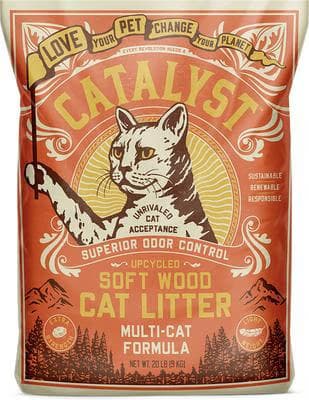
Upcycled soft-wood cat litter with superior odor control, very low dust, and a simple natural composition (no clay, no synthetic fragrance) - a gentler box for cats that nibble at their litter.
Webvet may earn a commission when you click through to Chewy, at no extra cost to you.
Is Cat Litter Toxic? Risks by Litter Type
Litter is not formulated as food, but plain litter is generally low in true chemical toxicity. The bigger danger is physical: swallowed litter can irritate the gut or, with clumping clay, absorb moisture and expand into a blockage. How worried you should be depends heavily on the type of litter in the box.
| Litter type | Main risk if eaten | Notes |
|---|---|---|
| Clumping clay (bentonite) | Highest: can expand and cause intestinal blockage | The type to avoid for cats that eat litter, especially kittens |
| Silica crystal | GI irritation; sharp if chewed in volume | Low toxicity but not meant to be swallowed |
| Corn, wheat, or walnut | Appealing scent invites eating; mold/mycotoxin risk if damp | Food-based litters can encourage the habit |
| Paper or soft wood | Lowest physical risk; minimal additives | A safer choice for nibblers when paired with a vet workup |
If your cat is a confirmed litter eater, switching away from clumping clay is one of the simplest safety wins. A low-dust, additive-free soft-wood litter keeps the box functional while lowering the stakes of an accidental mouthful. Our low-dust cat litter guide compares lower-fines options and safer pouring practices.

Health Risks of a Cat Eating Litter
Repeated litter eating can lead to several problems worth knowing:
- Intestinal blockage: clumping clay swells with moisture and can obstruct the stomach or intestines, a surgical emergency.
- Digestive irritation: swallowed particles can inflame the stomach and gut lining, causing vomiting or diarrhea.
- Dehydration and constipation: absorbent litter can pull water from the digestive tract.
- A masked illness: treating only the behavior can delay catching anemia, kidney disease, or another root cause.
Do Cats Eat Litter When They Are Sick?
Often, yes. Litter eating that begins suddenly in an adult cat is one of the more common behavioral red flags for illness, particularly anemia and kidney disease. The body's drive to seek out missing nutrients, or the general malaise of being unwell, can show up as this strange-looking habit before more obvious symptoms appear.
Be especially alert if the habit arrives alongside vomiting, weight loss, lethargy, increased thirst, or pale gums. A cat eating litter and vomiting, or one that starts eating litter "all of a sudden," should be seen rather than watched, because the sooner the underlying cause is found, the simpler it usually is to treat.
Kittens Eating Litter: Is It Normal?
For kittens, a little litter sampling is usually curiosity or teething and tends to pass as they mature. A kitten investigating the box, batting at the granules, and taking the occasional taste is exploring, not necessarily ill. The behavior typically fades once the novelty wears off and the box becomes a bathroom rather than a toy.
Until it passes, choose a safe, non-clumping litter, because clumping clay is especially risky for a kitten's small digestive tract, and supervise box time. Our guide to non-clumping litter for kittens covers safe options. If a kitten eats litter often, seems unwell, strains to pass stool, or stops eating its food, call your vet promptly.
Senior Cats Eating Litter: Watch for Kidney Disease and Anemia
In older cats, new litter eating deserves extra attention. Chronic kidney disease and the anemia that often comes with it are leading culprits, and both are far more manageable when caught early. Hyperthyroidism is also common in this age group and can change appetite and behavior.
Because senior cats are masters at hiding illness, a sudden new habit like eating litter is a gift of a warning sign. A cat over about seven that starts eating litter should have a full senior panel, including kidney values, a red-cell count, a thyroid level, and a urinalysis, even if it otherwise seems fine.


Lickable cat treats with real chicken, made to support comfort and tranquility. 12 single-serve 0.5-oz tubes.
Webvet may earn a commission when you click through to Chewy, at no extra cost to you.
How to Stop a Cat From Eating Litter
The most effective fix is finding and treating the underlying reason, not just blocking access to the box. A cat with anemia will keep seeking litter, and a bored cat will simply find something else to chew, so the goal is to remove the driver while making the box less tempting and the rest of life more engaging. These steps work best together rather than one at a time:
- See your vet first. Bloodwork, a fecal test, and a urinalysis rule out anemia, kidney disease, thyroid disease, parasites, and nutritional gaps.
- Feed a complete, balanced diet. A vet-formulated, AAFCO-complete food supports normal appetite and removes deficiency as a cause.
- Switch to a safe non-clumping litter. Move away from clumping clay to a low-dust, additive-free option such as Catalyst Pet soft-wood litter.
- Add daily enrichment. Puzzle feeders, wand-toy play, climbing space, and short hunting games redirect boredom-driven chewing.
- Reduce stress. Keep routines steady, provide hiding spots, and consider a calming pheromone aid during big changes.
- Offer a safe chew alternative. Cat grass gives mouthy cats something appropriate to nibble.
- Limit unsupervised box time. Short monitoring while you work on the cause helps prevent repeated ingestion.
Enrichment is one of the most reliable long-term tools for boredom- and stress-driven litter eating. A simple rotation of interactive toys and daily play makes a real difference.

For cats whose litter eating tracks with stress or change, a calming pheromone product can take the edge off while you rebuild routine.
And giving a mouthy cat a safe, deliberate chewing outlet, like fresh cat grass or a catnip toy, channels the urge away from the litter box and toward something it can actually use.

No single step is a magic fix on its own. The cats that stop for good are usually the ones whose owners pair a clean bill of health from the vet with a genuinely more interesting daily life and a safer box. Give the changes a few weeks, and keep notes on frequency so you and your vet can tell whether things are improving.
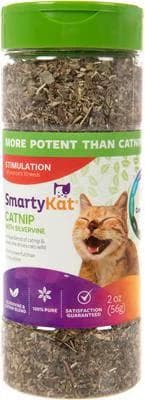
A silvervine and catnip blend that excites even cats who ignore plain catnip, great for redirecting energy into healthy play.
Webvet may earn a commission when you click through to Chewy, at no extra cost to you.
How Vets Diagnose and Treat Litter Eating
Because litter eating has so many possible causes, your vet's job is to narrow the field efficiently. Expect a thorough history first: when the behavior started, how often it happens, what litter you use, your cat's diet, and any other changes at home or in your cat's health.
From there, a typical workup includes a physical exam, a complete blood count to check for anemia, a chemistry panel to assess kidney, liver, and thyroid function, a urinalysis, and a fecal test for parasites. These few tests catch the large majority of medical causes, and they are the reason a vet visit is the fastest route to an answer rather than a last resort.
Treatment then follows the diagnosis. Anemia, kidney disease, hyperthyroidism, parasites, and dental problems each have specific treatments, and resolving them usually resolves the litter eating too. When the workup is clean and the cause is behavioral, the plan shifts to enrichment, stress reduction, diet, a safer litter, and, in stubborn cases, a referral to a veterinary behaviorist.
When to See a Vet
Some signs mean the litter eating is no longer a behavior to manage at home, but a symptom to act on.
Can a Vet Help With Litter Eating?
Absolutely, and a vet is the fastest route to an answer. Your vet will take a history, examine your cat, and typically run bloodwork, a fecal test, and a urinalysis to look for anemia, kidney or thyroid disease, parasites, and nutritional gaps. From there they treat the specific cause and advise on diet, enrichment, and litter. If your cat is also having other box troubles, like pooping outside the litter box, mention that too, since the patterns can be related.
Frequently Asked Questions
Is it normal for my cat to eat cat litter?
An occasional sniff or single taste, especially in a curious kitten, is normal and usually passes. Repeated chewing or swallowing of litter is not normal and should be checked by a vet, since it can both cause harm and signal an underlying problem like anemia or kidney disease.
How do I stop my cat from eating his litter?
Start with a vet visit to rule out medical causes, then feed a complete balanced diet, switch from clumping clay to a safe non-clumping litter such as soft wood, add daily enrichment and play, reduce stress, and offer a safe chew like cat grass. Treating the underlying cause is what makes the behavior stop for good.
Do cats eat litter when they are sick?
Often, yes. Sudden litter eating in an adult cat is a recognized behavioral sign of illness, most commonly iron-deficiency anemia or kidney disease. If your cat is eating litter along with vomiting, weight loss, pale gums, or low energy, see your vet promptly.
Is cat litter toxic to cats if they eat it?
Plain litter is generally low in true toxicity, but it is not food. The main danger is physical: clumping clay can expand and cause an intestinal blockage, and any litter can irritate the gut. Food-based litters can also encourage the habit. A small accidental taste is usually harmless; repeated eating is not.
Can a vet help with litter eating?
Yes. A vet can pinpoint the cause with an exam, bloodwork, a fecal test, and a urinalysis, then treat it directly, whether that is anemia, kidney disease, parasites, a dietary gap, or a behavioral issue. Veterinary guidance is the most reliable way to resolve litter eating.
What does it mean if a cat eats litter?
It usually means one of four things: curiosity (most often in kittens), a nutritional deficiency such as low iron, the compulsive behavior pica, or an underlying illness like kidney or thyroid disease. Occasional tasting is typically harmless, but a repeated or sudden habit is a signal to investigate.
Why is my cat eating litter all of a sudden?
A sudden onset in an adult or senior cat is the most concerning pattern, because it often points to a new medical issue such as anemia, kidney disease, or hyperthyroidism. Book a vet exam with bloodwork rather than waiting to see if it stops on its own.
Is it safe for kittens to eat litter?
A little sampling is common while kittens explore and teethe, but it is not truly safe, especially with clumping clay, which can block a small digestive tract. Use a non-clumping litter, supervise box time, and call your vet if it is frequent or your kitten seems unwell.
The Bottom Line
A cat eating litter is worth taking seriously, but it is usually solvable. Most cases trace back to curiosity, a nutritional gap, pica, or an underlying illness, and the path forward is the same: rule out medical causes with your vet, feed a complete diet, switch to a safe non-clumping litter like Catalyst Pet soft-wood litter, and give your cat enrichment and a safe chewing outlet.
Above all, pay attention to the pattern. An occasional kitten nibble is one thing; a sudden new habit in an adult or senior cat, especially with vomiting, weight loss, or pale gums, is your cue to act. Watch the litter box, appetite, and energy closely, loop in your vet early, and you will catch problems while they are still easy to fix and keep your cat safe.

Veterinarian · DVM
Athena Gaffud, DVM, is a licensed veterinarian and writer based in the Cagayan Valley of the northern Philippines. She runs the website countryvetmom.com. Dr. Gaffud earned her Doctor of Veterinary Medicine degree from the University of the Philippines Los Baños in 2011, ranking in the top 10 and receiving the Best Undergraduate Thesis Award in Large Animals. With over a decade of experience, she has worked as a researcher, a practitioner for small and large animals, and in veterinary technical sales, marketing, and pet insurance. A published author, Dr. Gaffud promotes responsible pet ownership and combats misinformation on animal care through her platforms, including the DocAthena Facebook Page and DocAthena YouTube channel. She is a writer and editor for various pet-related websites such as Total Vet, Honest Paws, PangoVet, Dogster, Catster, My Best PH, Paw Origins, Bully Max, Not a Bully, Paws and Claws CBD, many others. She was also cited in different pet-related media articles such as The Dog People, USA Today, Newsweek, New York Post, Reader’s Digest, Smithsonian Magazine, Woman’s World, Dog Time, Patch, Kinship, Martha Stewart, and many others. Moreover, she is also a published fiction author on Kindle.


