Why Does My Dog Follow Me Everywhere? A Vet-Reviewed Guide
Dogs follow their people for love, food, instinct, and curiosity, but constant shadowing can sometimes signal anxiety or illness. Here is how to tell normal velcro-dog behavior from a real problem, and exactly when to call your vet.

BVMS MRCVS

This article contains affiliate links. Webvet may earn a commission when you buy through them, at no extra cost to you.
If you are wondering why does my dog follow me everywhere, the short answer is that you are your dog's main source of safety, food, affection, and entertainment. This shadowing, often called being a velcro dog, is usually normal.
One principle to keep in mind throughout: a sudden change in any behavior, including new clinginess, is one of the most common non-specific signs of pain or illness in dogs. It is worth a vet check before you settle on a behavioral explanation.
Most following behavior comes down to four canonical drivers, and you can usually spot which one is at play:
- Social bonding and affection, the attachment dogs feel toward their people.
- You are the bringer of good things: food, walks, play, and attention.
- Instinct and curiosity, the pull to stay with the group and not miss the action.
- Anxiety, the exception rather than the rule, when following tips into distress.
Below we cover the seven most common reasons dogs do it, how to tell normal closeness from separation anxiety, what sudden clinginess can mean, the special cases owners ask about most (the bathroom, a favorite person, rescue dogs), and exactly when it is worth a call to your vet.
- 1Following you around is overwhelmingly a normal bonding behavior driven by safety, food, routine, instinct, and curiosity.
- 2The behavior that matters is what your dog does when you actually leave: a velcro dog relaxes, an anxious dog panics.
- 3A sudden change in clinginess, especially with any physical symptom or in a senior dog, is the signal to call your vet, and some signs (collapse, repeated vomiting, unproductive retching with a bloated belly, severe pain) mean an emergency vet now, not a routine appointment.
 Sponsored
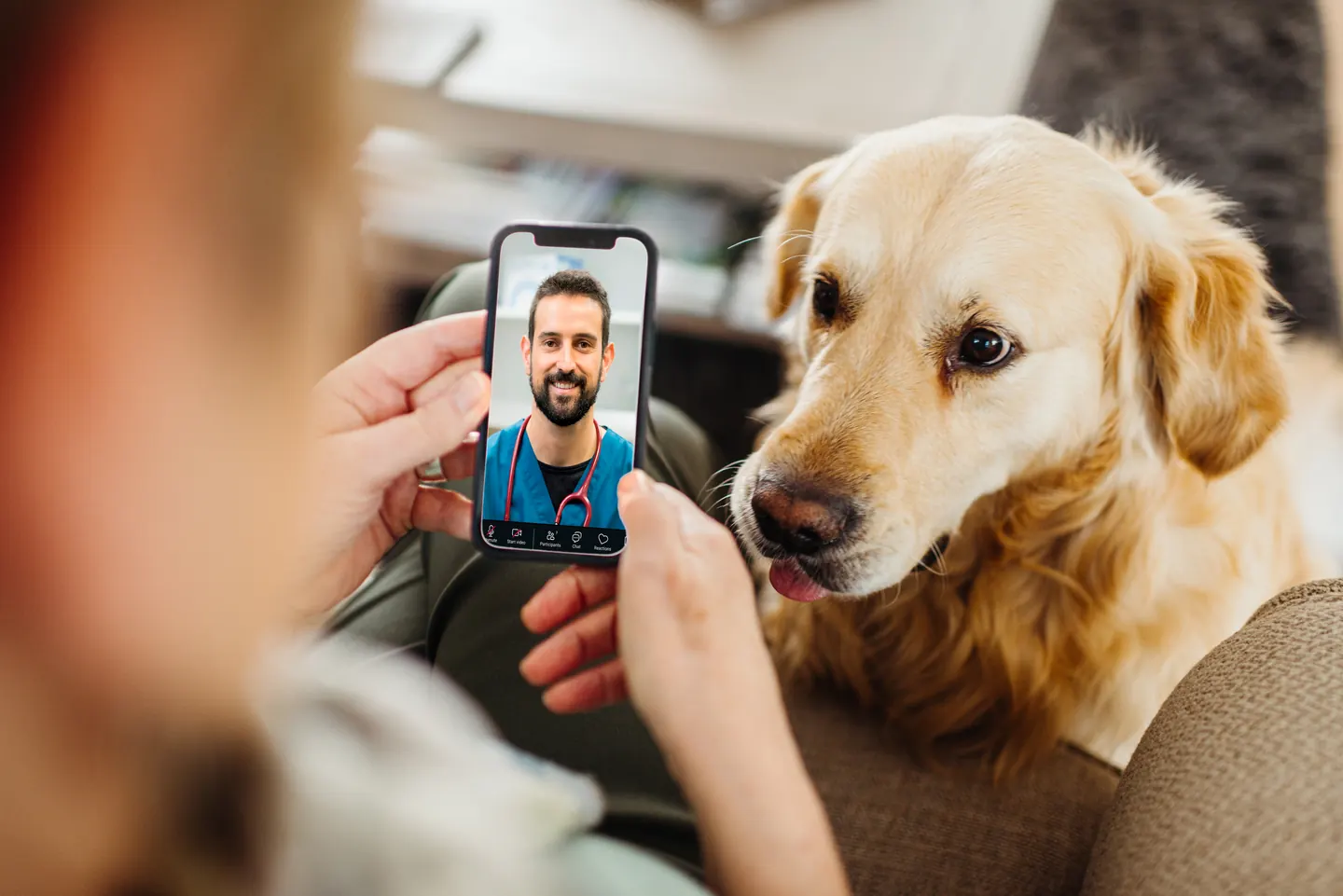
Want a vet's help with your dog's anxiety or behavior?
Talk to a licensed vet at Dutch over video, often the same day. They can recommend treatment and prescribe it when it's appropriate.
Use code Pets60
Plans start at $12/month · covers up to 5 pets
- Licensed vets in most states
- Rx for 150+ conditions
- 4.7 on Trustpilot
Why does my dog follow me everywhere? The short answer
Dogs are social animals that evolved to live alongside a group, and in your dog's world that group is you and your household.
You control the things that matter most to a dog: when the food bowl gets filled, when the leash comes out, when the door opens, and where the affection comes from. Staying near you is the most reliable way to be present for all of it.
For the vast majority of dogs this is healthy and expected, and the goal here is not to stop your dog from loving you. It is to help you read the behavior accurately: what is normal, where the line to concerning sits, and when a following habit is actually telling you something medical.
The 7 most common reasons dogs follow their owners
- 1Most everyday following traces back to the bond, the rewards you provide, social instinct, and curiosity.
- 2Breed and temperament tilt the odds, but any dog of any breed can be a velcro dog.
- 3Boredom and routine are common, fixable drivers, not signs of a problem.

A durable rope-and-knot fetch toy that channels chewing, tugging, and fetch energy into safe play, and the woven rope gives teeth a light scrub.
Webvet may earn a commission when you click through to Chewy, at no extra cost to you.
1. Bonding, love, and the oxytocin connection
When you and your dog share a calm gaze, some research suggests both of you may release oxytocin, the same "bonding hormone" involved in the parent-infant relationship.
That work is real but limited, and it does not prove that gazing reliably raises oxytocin in every dog and owner or fully explains why dogs shadow us. Still, it fits the bigger picture: following you is your dog staying close to a relationship that feels good.
2. You are the bringer of all good things
Meals, walks, treats, toys, belly rubs, and the magic of the front door all originate from you. Over thousands of small repetitions, your dog has learned that good things tend to happen near you. Staying close is a smart, reinforced bet, not neediness.
3. Pack and social-animal instinct
Dogs are wired to stay with their family unit. Drifting off alone is not their default.
It is worth saying clearly: this is about social cohesion and security, not your dog trying to be "dominant" or control you. That older framing has largely been set aside in modern behavior science.
4. Curiosity and a fear of missing out
Dogs are expert movement-trackers and they do not want to miss the action. If you stand up, head to the kitchen, or pick up your keys, your dog follows to find out what is about to happen, because it might involve food, a walk, or a car ride.
5. Breed and individual temperament
Some dogs are simply built to shadow, though this is a tendency rather than a hard rule: personality varies enormously within any breed. Breeds developed to work closely with people, such as herding dogs (Border Collies and German Shepherds) and many companion or lap breeds, are the ones most often described anecdotally as clingy.
Names that come up again and again include:
- Vizsla (so famous for it that it is nicknamed the "velcro dog")
- Labrador Retriever
- Golden Retriever
- Cavalier King Charles Spaniel
- Pug
- Doberman Pinscher
If you are curious about how dogs form attachments, both genetics and early life shape how clingy a given dog turns out to be.
Compare coverage choices for your pet, then request a quote directly on Lemonade.
- Check a price for your pet
- Review available coverage choices
- See the terms before you decide
Eligibility, waiting periods, limits and exclusions apply.
Webvet may earn a commission when you click through to Lemonade, at no extra cost to you.
6. Boredom and under-stimulation
A dog with not enough to do will gravitate to the most interesting thing in the house, which is usually you. Under-exercised or under-enriched dogs often follow simply because there is nothing better on offer. More on fixing that further down.
7. Comfort-seeking and routine
Dogs are creatures of habit and skilled readers of your cues. Many follow on a schedule, around mealtimes, in the evening wind-down, or the moment you reach for your shoes. They have learned what your movements predict, and they position themselves accordingly.
Velcro dog vs. separation anxiety: how to tell the difference
This is the distinction that matters most, and it is where a lot of worried owners get stuck. The two look similar when you are home but are fundamentally different problems.
The core difference
Velcro behavior is happy proximity-seeking while you are present. The dog is relaxed, settles when you settle, and copes when you leave.
Separation anxiety is distress triggered by being left alone. The following is anticipatory: the dog shadows you because it is bracing for your departure, and the real problem starts the moment you walk out the door.
Side-by-side comparison
| Velcro dog (normal) | Separation anxiety (needs help) |
|---|---|
| Calmly follows and lies down near you | Paces, whines, howls, or barks when alone |
| Settles when you settle | Drools, pants, or trembles as you prepare to leave |
| Can be left alone without distress | Destructive behavior focused on doors and windows |
| Eats and naps when you are out | House-soiling despite being fully house-trained |
| Relaxed body language | Refuses food when alone, or tries to escape |
When velcro behavior tips into true separation anxiety
One important nuance: being a velcro dog can be a risk factor for separation anxiety, but it is not the same thing, and most velcro dogs never develop it.
If your dog shows the right-hand column above, especially panic, destruction, self-injury, or escape attempts, do not try to solve it with a do-it-yourself alone-time plan. True separation anxiety often needs a veterinary behaviorist, because the panic can cause real harm: broken teeth and torn nails, deep cuts, even dogs that jump through windows.
Do not just "practice being alone" with a dog that is injuring itself, and do not crate such a dog, which can worsen the injuries.
 Sponsored
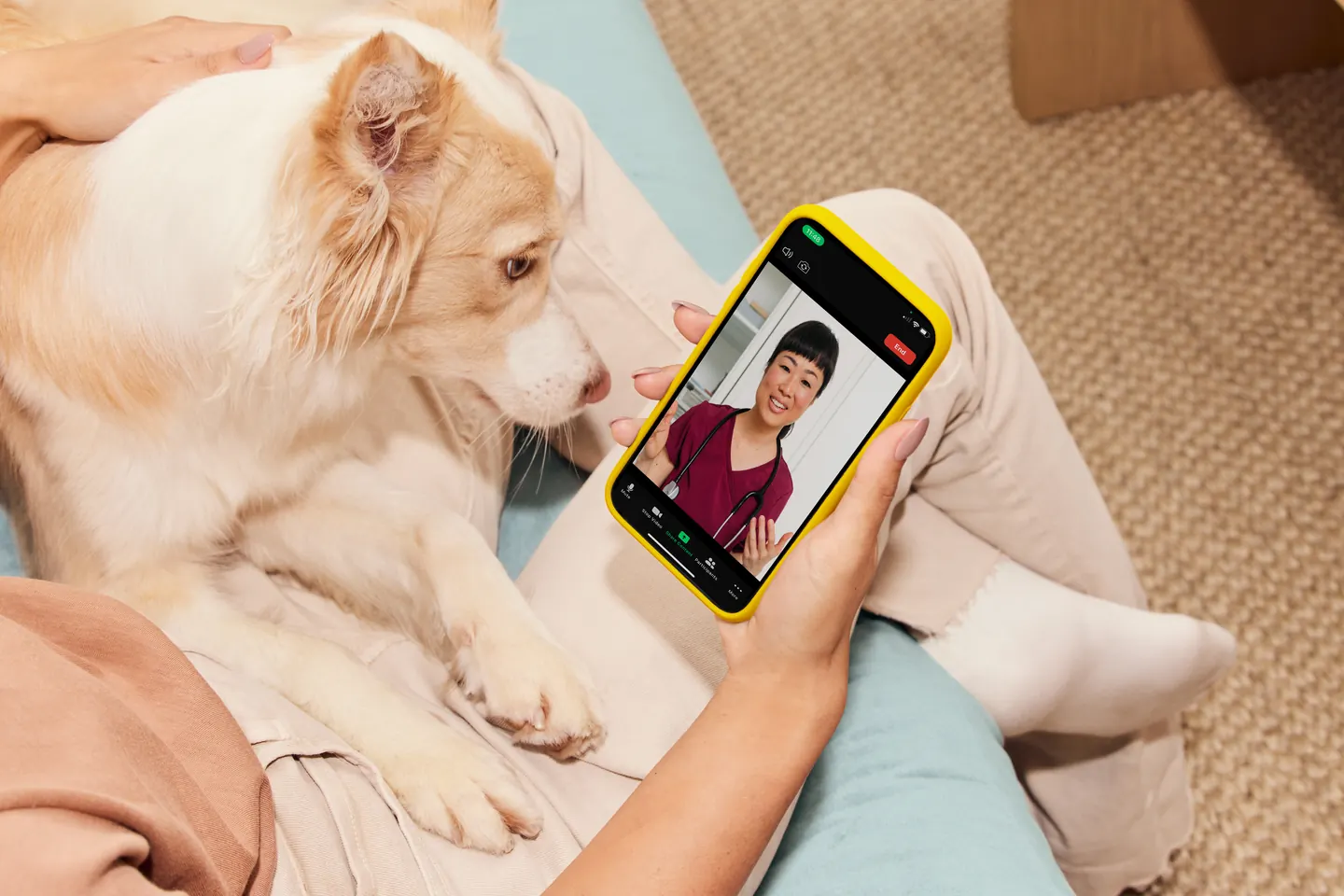
Vet care that's always there
Unlimited video calls and messaging with licensed vets for less than a typical vet visit. One membership covers up to five pets.
Use code Pets60
Plans start at $12/month · covers up to 5 pets
- Licensed vets in most states
- Rx for 150+ conditions
- 4.7 on Trustpilot
What is normal vs. what is concerning
A simple traffic-light system helps you sort everyday closeness from a behavior worth acting on.
Green flags (normal)
Green flags (normal). Relaxed body language, the ability to disengage and wander off, lying down near you, following you and then napping, and no distress when you step out of the room. This is just a dog being a dog.
Yellow flags (monitor)
Yellow flags (monitor). A noticeable uptick in neediness without any other symptoms, or mild restlessness. This is most often boredom, a change in routine, or a habit you have accidentally reinforced with attention. Worth watching, not panicking over.
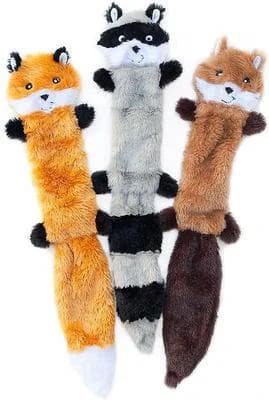
No-stuffing squeaky plush toys that satisfy a dog's urge to shake and carry prey, with no stuffing to shred and scatter.
Webvet may earn a commission when you click through to Chewy, at no extra cost to you.
Red flags (act)
Red flags (act). Trembling, persistent panting, clinginess paired with appetite or behavior changes, suddenly guarding you from people or other pets, or any abrupt onset. When the shadowing comes bundled with these signs, learning what your dog's body language is telling you can help you decide how urgently to act.
A quick word on the dog that follows and then fixes you with a hard stare. Usually that intense watching is just attention or anticipation (it knows dinner is coming), but occasionally it is a cue something is off.
We dig into why your dog stares at you separately, since following and staring often travel together.
Why is my dog suddenly following me everywhere?
This is the part competitors tend to skip, and it is the most important. A dog that has always been a shadow is rarely cause for concern.
A dog whose clinginess changes suddenly is sending a signal worth reading, and as noted up top, a sudden behavior change is one of the most common non-specific signs of pain or illness in dogs. A shift in pattern always deserves closer attention than a lifelong habit.
- 1Lifelong shadowing is rarely a worry; a sudden shift in clinginess is the real signal.
- 2Triggers split into environmental or emotional, health-driven, and life-stage causes.
- 3Sudden vision or hearing loss is itself an emergency, not casual age-related fading.
Environmental and emotional triggers
Environmental and emotional triggers. A house move, a new baby or pet, a schedule change, a frightening event like fireworks or a thunderstorm, or even sensing that you are stressed or unwell can all push a dog to stick closer for reassurance.
Health-driven clinginess
Health-driven clinginess. Sometimes new clinginess is a symptom, not a quirk. Pain, nausea or other gastrointestinal upset, hormonal shifts, declining vision or hearing (the dog uses you as an anchor it can still find), and cognitive decline in older dogs can all show up first as a dog that will not leave your side.
One caveat on the senses: gradual, age-related fading is one thing, but sudden vision or hearing loss is a medical emergency in its own right. It can signal high blood pressure, sudden acquired retinal degeneration, glaucoma, or diabetes, so it needs prompt veterinary evaluation, not casual monitoring.
Life-stage cues
Life-stage cues. Puppies go through developmental attachment phases and naturally shadow.
In senior dogs, new clinginess, disorientation, pacing, and night restlessness are sometimes chalked up to canine cognitive dysfunction, the dog version of dementia, one of several senior dog health changes worth tracking.
But cognitive dysfunction is a diagnosis of exclusion: those same signs can come from pain, metabolic or systemic disease, high blood pressure, or sensory loss, all potentially treatable. The responsible step is a vet workup to rule out medical causes before concluding it is simply old age.
Intact females can also become clingy during pregnancy or a false pregnancy (pseudopregnancy). That is usually harmless, but a false pregnancy can bring mammary enlargement and milk production.
An intact female with behavior changes plus any illness signs, vaginal discharge, or marked mammary changes should see a vet promptly, because pyometra, a life-threatening uterine infection, is a real risk in unspayed females.
One more pattern owners ask about: a dog that becomes clingy when its owner is pregnant. Dogs are exquisitely attuned to scent and routine, so many seem to pick up on the hormonal and behavioral changes of a human pregnancy and respond by sticking closer.
In most cases it is a normal, benign reaction. As always, if the new clinginess comes with any sign that your dog itself is unwell, have your dog checked rather than assuming it is only reacting to you.
Does my dog have a favorite person, and is that me?
Yes, dogs commonly bond most strongly with one person, usually the human who provides the most positive interaction, food, training, and play, especially during the early socialization window as a puppy. If your dog has chosen you, that is a compliment earned through everyday care.
Why does my dog follow me and not my partner?
If your dog shadows you but ignores your partner, it usually comes down to three drivers:
- Care and routine: who is most involved in feeding, walking, and training (the biggest factor).
- Energy and temperament match between the dog and that person.
- Early imprinting: the person who was central during puppyhood or the first weeks in a new home.
None of it means your dog loves the rest of the household less, and the balance can shift as routines change.
How do you tell if a dog has imprinted on you?
The everyday signs are easy to spot. Your dog will tend to:
- Seek you out across the house.
- Check in with quick glances.
- Mirror your movements room to room.
- Settle when you are near.
- Bring you toys.
A favorite person is normal and changeable, so other family members can build their own bond by taking over feeding, training, and play.
Why does my dog follow me to the bathroom?
This is one of the most-searched versions of the question, and the answer is reassuringly dull. To your dog, a closed bathroom door is just a barrier between it and its favorite human, so it tags along to stay together.
Add habit and plain curiosity, the same instinct that brings your dog to the kitchen or front door, and the bathroom is no different. For the vast majority of dogs it is completely normal and nothing to discourage.

Daily dental chews with a porous, ridged texture designed to help clean teeth and reduce tartar buildup as part of an at-home oral-care routine.
Webvet may earn a commission when you click through to Chewy, at no extra cost to you.
Why does my rescue dog follow me everywhere?
Rescue and rehomed dogs often shadow more intensely than dogs raised in one home from puppyhood. A dog that has lost a previous family, lived in a shelter, or had an unstable start can attach hard to the person who now represents safety.
In the early weeks, sticking close is how an insecure dog reassures itself you are not going anywhere.
Most of this eases with a predictable routine, gentle independence practice, and patience. If it tips into panic when you leave, treat it as possible separation anxiety and use the guidance below.
How to encourage healthy independence (without rejecting your dog)
If your dog's shadowing has tipped into something you would like to ease, the goal is to teach your dog that being alone is safe and fine, not to punish affection. The two feel very different to your dog, and only one of them works.
- Build enrichment. Puzzle feeders, long-lasting chews, snuffle mats, and enough daily physical and mental exercise so that following you is not the only entertainment available.
- Teach a "place" or "settle" cue. Reward your dog for staying on a bed or mat while you move around the room. You are literally paying the dog for not following.
- Practice graduated alone-time. Start with short, low-key departures and slowly build duration. Keep hellos and goodbyes calm and undramatic so coming and going feels like no big deal. (This is for mild velcro behavior. If your dog truly panics, self-injures, or tries to escape when alone, skip the DIY plan and see the vet and behaviorist guidance below first.)
- Do not shut your dog out abruptly or punish the following. Sudden rejection can deepen anxiety. Pair growing independence with calm reassurance instead.
For dogs that need extra support through a transition or a clingy spell, our guide on how to comfort an anxious dog walks through calming routines that pair well with independence training.
When to call your vet or a behaviorist
Most velcro behavior needs no medical care at all. This section is the safety net for the cases that do.
Call your vet when
Book a veterinary exam when any of these apply:
- Clinginess appears suddenly with no obvious cause.
- It comes with any physical symptom (limping, vomiting, an appetite change, disorientation).
- A senior dog becomes newly clingy and you need to rule out pain or cognitive decline.
Ruling out a medical cause first is always the responsible move.
Escalate to a behaviorist when
Escalate to a credentialed behaviorist or veterinary behaviorist when there is true separation anxiety: panic, self-injury, or destruction when your dog is left alone. These cases need a structured behavior-modification plan, and sometimes vet-prescribed medication, rather than general training tips.
Trying to push through them with DIY alone-time drills alone can make the panic worse. It helps to understand the difference between a trainer versus a behaviorist so you bring in the right professional for the problem.
This article is general education and not a substitute for in-person veterinary advice. When in doubt, your own vet, who can examine your dog, is always the best next step.
Frequently Asked Questions
What does it mean when a dog follows you everywhere?
It usually means your dog sees you as its main source of safety, food, affection, and activity, a bond often nicknamed being a "velcro dog." It is almost always a normal affiliation behavior. It is only a concern when it is paired with panic when you leave, a sudden change in pattern, or other physical symptoms.
Why is my dog suddenly following me everywhere?
A sudden change matters more than lifelong clinginess, because a new behavior shift is a common non-specific sign of illness. Common triggers include a new home, baby, or pet, a schedule change, a scary event like fireworks, or sensing your stress. It can also be health-driven: pain, sudden vision or hearing loss, nausea, hormonal changes, or cognitive decline in seniors. Sudden clinginess plus any physical symptom warrants a vet visit, and signs like collapse, repeated vomiting, or unproductive retching with a bloated belly mean an emergency vet now.
What breed of dog is the most clingy?
There is no single answer, and clinginess is better thought of as a tendency than a breed fact, since individuals vary hugely. That said, breeds often described as the clingiest include the Vizsla (nicknamed the "velcro dog"), Labrador Retriever, Golden Retriever, German Shepherd, Border Collie, Cavalier King Charles Spaniel, Pug, and Doberman Pinscher. Any dog of any breed can turn out to be a velcro dog.
How do you tell if a dog has imprinted on you?
Signs include seeking you out across the house, checking in with frequent glances, mirroring your movements, visibly relaxing when you are near, and bringing you toys. A strong bond like this is normal and also changeable, so other household members can build their own connection through feeding, training, and play.
Do dogs pick a favorite person?
Yes. Dogs often bond most strongly with whoever provides the most positive interaction, food, and socialization, particularly during the early puppy socialization window. Energy and temperament match also play a role. A favorite person is normal, and the rest of the family can strengthen their bond over time.
Why does my dog follow me to the bathroom?
To your dog, a closed door simply separates it from its favorite human and its social group, so it tags along. It is also pure habit and curiosity, the same instinct that makes dogs follow you to the kitchen or the front door. For the vast majority of dogs it is completely normal and nothing to discourage.
Is it a sign of separation anxiety if my dog follows me everywhere?
Not by itself. Following you while you are home is normal velcro behavior. Separation anxiety is about distress when you leave: pacing, howling, drooling, destruction at exits, or house-soiling when alone. Velcro behavior can be a risk factor for separation anxiety, but most velcro dogs never develop it. The test is what your dog does when you actually go.

Editor
The Webvet Editorial Team is the in-house group of pet-care editors and writers behind Webvet, operated by Smart Pet Collective. The team researches, writes, and maintains Webvet's pet health, behavior, and medication content. Every article follows a defined editorial process: research from reputable veterinary and scientific sources, careful drafting, mandatory review of medical content by a credentialed veterinarian, and dated publication. Health and medication articles are medically reviewed by a licensed veterinary professional before they go live and are kept current over time.
Veterinarian · BVMS MRCVS
Dr. Pippa Elliott, BVMS, MRCVS, is a veterinarian with nearly 30 years of experience in companion animal practice. Dr. Elliott earned her Bachelor of Veterinary Medicine and Surgery from the University of Glasgow. She was also designated a Member of the Royal College of Veterinary Surgeons. Married with 2 grown-up kids, Dr. Elliott has a naughty Puggle named Poggle, 3 cats and a bearded dragon.


