Dog Stroke: Signs, Look-Alikes, Treatment and Recovery
A dog stroke can resemble vestibular disease or a seizure. Compare sudden warning signs, know what to do now, and understand testing and recovery. Get practical, source-backed guidance for your next veterinary conversation.

BVMS MRCVS
Medically reviewed by Dr. Pippa Elliott, BVMS MRCVS · Last reviewed

This article contains affiliate links. Webvet may earn a commission when you buy through them, at no extra cost to you.
A dog stroke can cause sudden loss of balance, vision changes, circling or weakness. These signs also occur with other emergencies, so call a veterinarian immediately rather than diagnosing a stroke at home. If overheating preceded the change, follow our dog heatstroke guidance while arranging urgent care.
Signs of a dog stroke: get help for sudden changes
Signs of stroke in a dog depend on the brain area affected. Symptoms can begin abruptly in an older dog or a younger adult. There is no reliable owner checklist that proves a stroke, and a human facial-droop test cannot safely rule one out.
- 1Call a veterinary clinic about a sudden neurological change, even if the dog seems to improve.
- 2Record the onset time and the last time the dog appeared normal.
- 3Use recorded observations and decide what to film only after keeping the dog safe and arranging care; never delay transport for a video.
| Sudden finding | What it may mean | Important limit | Next action |
|---|---|---|---|
| Falling, circling or a new head tilt | A balance-system or brain problem | Vestibular disease can resemble stroke | Keep away from stairs and call a veterinarian |
| Apparent blindness or unusual eye movements | A neurological or eye problem | Appearance does not identify the cause | Arrange urgent veterinary assessment |
| Weakness or inability to stand | Brain, spinal, circulatory or other disease | Back-leg weakness alone does not establish a brain stroke | Seek urgent care; support transport as directed |
| Stiffening, paddling or altered awareness | Possible seizure or another event | A seizure can also occur with structural brain disease | Time the event, avoid the mouth and call the clinic |
| See a vet now | Collapse, breathing trouble, repeated seizures or a dog that cannot stand | Do not wait for a particular symptom combination | Contact an emergency veterinary hospital |
Onset time and recorded observations
Tell the clinic when the first change appeared and when your dog was last normal. Describe what happened before the event, including exercise, heat exposure, possible toxins or medication changes. Report whether your dog stayed aware, fell to one side, vomited or seemed unable to see.
A short, safely taken video can show posture, eye movements and response to your voice. Do not make an unsteady dog walk to demonstrate the problem. If another person can film while you call, that may help. The priority is preventing injury and getting professional advice.
Warning signs are not a countdown
Do not rely on a list of warning signs seven days before a stroke. Sudden symptoms warrant assessment when they happen. Senior dogs can also develop pain, weakness or confusion for unrelated reasons. A new, abrupt change deserves attention even when the dog already has chronic health problems.
Symptoms of strokes in old or senior dogs can look like other neurological problems. Warning signs may involve vision, balance or awareness, rather than a single recognizable movement. Describe the change plainly: the word stroke is a possibility to investigate, not a diagnosis an owner can confirm.
What a dog stroke means
Ischemic stroke and hemorrhagic stroke
A stroke is an interruption of the brain's blood supply or bleeding affecting brain tissue. The medical term is cerebrovascular accident. An ischemic stroke involves inadequate blood flow; a hemorrhagic stroke involves bleeding. These different mechanisms are one reason an owner should not start a blood-thinning medicine without a diagnosis.
Strokes are recognized in canine patients, but many apparent strokes turn out to be another condition. VCA's stroke overview describes the variable signs and the need to exclude look-alikes. An elderly dog with a head tilt does not automatically have a stroke or irreversible brain damage.
Canine strokes are not considered common compared with many other causes of sudden imbalance. They can occur in older dogs as well as younger patients. An old or senior dog needs the same careful assessment of new signs; advanced age alone does not establish the diagnosis.
Location changes the symptoms
A lesion in the brain stem can look different from one in the forebrain or cerebellum. Right-sided or left-sided signs alone do not tell an owner the lesion's exact location. A neurological examination interprets the whole pattern, including awareness, posture, reflexes and eye movements.
The phrase spinal stroke usually refers to a different problem, such as fibrocartilaginous embolic myelopathy. It affects the spinal cord rather than the brain. Sudden back-leg weakness still needs urgent assessment, but the diagnostic pathway and outlook may differ from those discussed here.
Stroke, vestibular disease and seizures
Vestibular disease and seizures can be mistaken for a stroke in dogs. The differences below describe patterns that help a veterinary assessment; they are not a home diagnostic test. A stroke can affect balance pathways or cause a seizure, so these categories can overlap.

| Possible problem | Pattern an owner may notice | Why the distinction needs veterinary assessment |
|---|---|---|
| Brain stroke | Sudden neurological deficit that can persist after onset | Examination and brain imaging help distinguish ischemia, bleeding and other disease |
| Vestibular disease | Head tilt, falling, circling, darting eyes or nausea | The cause may be in the inner ear or central nervous system |
| Seizure | A discrete episode of abnormal movement or awareness, sometimes followed by confusion | Focal seizures can be subtle; a structural brain lesion may underlie the event |
| Fainting or another collapse | Brief loss of posture or awareness, sometimes with rapid recovery | Heart, circulation, metabolic and other causes require assessment |
| See a vet now | Ongoing or repeated episodes, inability to stand, collapse or breathing trouble | Do not use the chart to delay emergency care |
Seizure observation: seizures in dogs
For a possible seizure, note how long abnormal movements or awareness changes last and what happens afterward. Keep your hands away from the mouth, clear nearby hazards and do not restrain the dog. Cornell's seizure guidance explains why safe observation matters.
Tell the clinic if this is the first episode, if episodes repeat or if normal awareness does not return. Use any rescue medicine only under an existing veterinary plan. Confusion after a seizure can resemble ongoing brain dysfunction; a video cannot establish which process caused it.
Vestibular disease and a sudden head tilt
VCA's vestibular guidance explains that peripheral and central vestibular disorders share signs. Some idiopathic cases improve, but that pattern is established through examination and follow-up. Do not assume an old dog's imbalance is harmless or wait several days to see whether it fits that pattern.
Seizures in dogs may produce symptoms resembling strokes, and the difference cannot be settled by one sign. A sudden change in the back legs can also arise outside the brain. Report whether weakness followed a discrete episode or began without one, because that sequence helps guide the examination.
Mini strokes and symptoms that disappear
Owners sometimes call a brief spell a mini stroke. Signs of a mini stroke in dogs cannot be confirmed from duration alone. A seizure, fainting episode, vestibular disturbance or another problem may improve before the examination. Temporary improvement does not prove the original event was mild or safe.
Write down the start and end times, whether awareness changed and whether walking or vision returned to normal. Include any similar earlier episodes. A dog with recurrent brief events may need a different investigation from one with a persistent neurological deficit, but both need a veterinary plan.
- Do not give aspirin for a presumed mini stroke.
- Do not dismiss a new event because a previous one resolved.
- Ask the clinic whether to attend immediately and what changes should trigger emergency transport.
The label matters less than the observed sequence. Describe what your dog actually did rather than reporting only that a stroke occurred. This preserves details the veterinarian needs to distinguish a transient event from continuing illness.
Treatment for suspected mini strokes in older dogs starts with identifying the actual cause. Symptoms that improve still belong in the medical history. Recurrent spells, particularly when accompanied by changes in the back legs or awareness, should be reported promptly rather than treated using a guessed home medicine.
 $65 · no membership
Have a health question about your dog?
A licensed vet can assess your dog over video and prescribe online when it's appropriate.
 Talk to a vet
- Licensed vets
- All 50 states
- same-day Rx
Webvet may earn a commission if you book.
Heatstroke is a different emergency
Heatstroke is a different emergency from a blocked or bleeding brain vessel. Heat exposure, heavy panting and collapse need immediate attention. Heat illness can also produce neurological signs and systemic complications, so the word stroke must not distract from an overheating history.
Our guide to dog heatstroke signs and immediate care explains cooling and first-aid steps. Tell the emergency clinic about the temperature, activity and elapsed time. Do not assume symptoms of heat exhaustion or heat stroke are a routine brain-stroke recovery problem.
Heatstroke can happen without direct sunshine. Older or small dogs can also overheat. Report changes in the gums, seizures or collapse. After-effects and recovery need veterinary follow-up; improvement after cooling does not establish that complications have resolved. Concerns described as sunstroke should receive the same urgent attention.
Causes and risk factors
What can trigger a stroke in dogs is not always identifiable. Veterinarians look for conditions that affect blood vessels, blood pressure or clotting. Kidney disease, endocrine disorders, cancer and other illnesses may be relevant. Finding an associated condition does not by itself prove it caused the stroke.
A multicenter observational study of 125 dogs identified concurrent illness in 52 dogs. Hypertension and proteinuria were prominent findings. That supports investigating the whole patient, rather than treating the brain event in isolation or assuming age is the only explanation.
Causes of strokes in dogs may remain uncertain even after testing. That uncertainty should guide follow-up rather than prompt an owner to add an unprescribed preventive medicine. Ask which possible causes were investigated, which conditions need treatment and whether additional tests would change the plan.
The history can change testing
Bring a list of medicines, supplements and known illnesses. Mention possible poison exposure, trauma, unusual bruising or bleeding. Causes of hemorrhagic stroke can differ from causes of ischemic injury. Your veterinarian decides which blood tests, blood-pressure measurements and additional investigations fit the examination.
Older dogs may have several problems at once. Our senior dog health guide explains routine monitoring, but a sudden neurological change needs an immediate assessment instead of waiting for the next wellness visit.
Diagnosis and treatment
Veterinarians first assess breathing, circulation, temperature, blood glucose and the neurological examination as appropriate. They may recommend blood and urine tests, blood-pressure measurement, clotting tests and referral. Treatment is tailored to the findings; an owner cannot safely choose a medicine from symptoms alone.

MRI and diagnosis: magnetic resonance imaging
Magnetic resonance imaging, or MRI, can identify brain changes consistent with stroke and help exclude other causes. The Davies Veterinary Specialists stroke fact sheet explains the role of advanced imaging. Routine X-rays do not establish a brain-stroke diagnosis.
MRI generally requires anesthesia, so the team assesses the dog's stability and discusses risks and alternatives. Depending on the findings, other investigations may be needed. Ask what each test would change, whether a neurologist should be involved and what uncertainty remains if imaging is unavailable.
For dogs with suspected strokes, symptoms guide the initial examination but do not choose the treatment. Older dogs may also need adjustments for kidney, heart or other disease. Confirm which instructions apply now and which depend on the test results before making changes at home.
What treatment can involve
Care may include hospitalization, support for eating and movement, treatment of an identified underlying disease and management of complications. Human clot-busting protocols should not be assumed effective or appropriate for a dog. There is no owner-administered medicine that can be promised to reverse brain damage.
Dog stroke treatment cost varies with the emergency examination, imaging, anesthesia, hospitalization and follow-up. Request an itemized estimate and discuss priorities with the treating team. A price quoted for another dog's case cannot tell you which tests or care your own dog needs.
Recovery, survival and prognosis
Some dogs recover useful function after a stroke, while others have lasting deficits or life-threatening disease. Recovery depends on the brain region and extent of injury, the dog's overall condition and complications. A dramatic first appearance is important, but it does not alone settle the long-term prognosis.
In the 125-dog study, eight dogs did not survive to discharge. The study included MRI-defined ischemic strokes at referral hospitals and excluded some other presentations. Its survival figures should not be applied as a personal prediction to every dog with suspected stroke, hemorrhage or undiagnosed collapse.
Follow change rather than a fixed deadline
A dog stroke recovery timeline is individual. Ask which functions to track: standing, walking, swallowing, interaction and comfortable rest. Record improvement, new signs and setbacks. How long symptoms last does not establish the cause, and temporary progress does not remove the need for planned rechecks.
Strokes can be fatal, and recurrence is possible. New seizures, worsening weakness, inability to eat or breathing trouble need renewed advice. Discuss comfort and quality of life when recovery is limited, using the dog's actual condition rather than a predicted number of days from an online chart.
After discharge: care and monitoring at home
Dog stroke treatment at home means following a discharge plan after veterinary assessment. It does not mean managing a new suspected stroke without care. Ask for written instructions covering medicines, feeding, safe movement, toileting, rechecks and the symptoms that mean you should return immediately.

- Use a quiet space with secure footing and blocked access to stairs.
- Provide support exactly as the team demonstrates; do not force walking or exercises.
- Ask whether swallowing is safe before changing feeding methods.
- Record appetite, comfortable rest, mobility and medication times.
- Contact the clinic about new or worsening signs.
For an older dog, home exercise and rehabilitation should match strength, balance and the diagnosis. A generic exercise routine may be unsuitable. Our guide to comforting a dog offers broader support, while the treating team sets the medical and rehabilitation plan.
Optional help keeping a routine record
A health monitor may help an owner record routine trends after discharge if the veterinarian finds that information useful. It cannot diagnose a stroke, judge swallowing safety or replace an examination. Ask which observations matter before adding a device to the care routine.
An optional tool for an agreed monitoring task
If the treating veterinarian wants routine heart-rate or resting-breathing trends, Maven’s dog health tracker is one option to discuss after discharge. It cannot detect or diagnose a stroke, judge swallowing safety, or replace direct care. Confirm which information would change the plan and review the subscription terms before choosing it.

A collar-mounted sensor and app for activity, rest, sleep, respiratory rate, heart-rate trends, itch behaviors, and more.
- Builds a personalized baseline over time
- Tracks trends between veterinary visits
- Generates a month-long shareable report
Health monitoring for dogs and cats
Webvet may earn a commission when you click through to Maven Pet, at no extra cost to you.
Choose a resting surface the dog can use
A FurHaven NAP flat bed may provide a resting surface if its height, firmness, and stability suit the discharge plan. The linked size is Jumbo. Ask the team about safe access and positioning; a soft mattress does not provide secure footing by itself. Keep any prescribed support and skin-care routine.
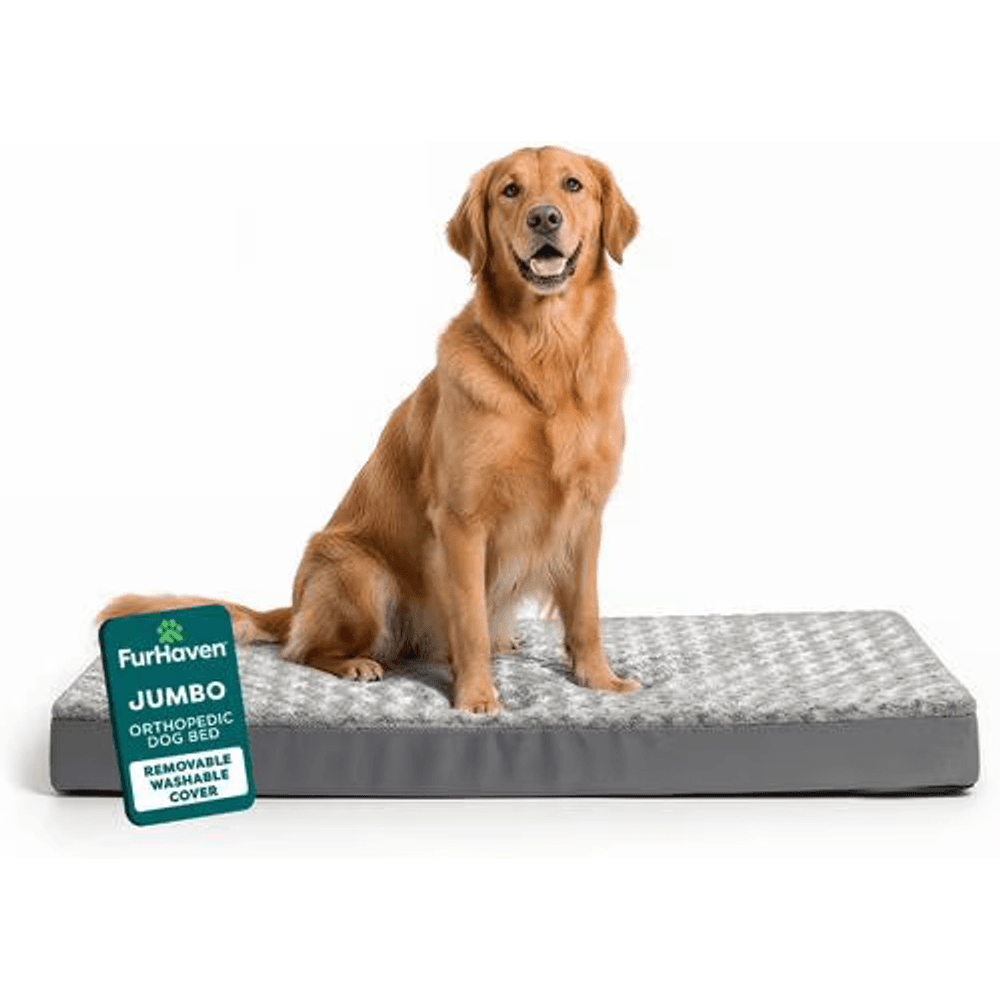
A Jumbo flat dog-and-cat bed. Use only when its height, firmness and stability suit the veterinary discharge plan.
Webvet may earn a commission when you click through to Chewy, at no extra cost to you.
Plan for toileting and prompt cleanup
Paw Inspired washable pads can provide a removable absorbent layer where the veterinary team recommends it. This offer is one 48-by-60-inch pad. Keep it flat and secure, change it promptly when wet or soiled, and follow its washing instructions. It does not replace assistance with toileting, skin checks, or veterinary advice about urine problems.

One washable 48-by-60-inch pad for a designated area. Secure it flat and change it promptly when soiled.
Webvet may earn a commission when you click through to Chewy, at no extra cost to you.
Prepare for a scheduled follow-up
For a stable small dog whose size and mobility suit it, a Frisco Travel Safety carrier may be appropriate for a planned recheck. The linked model is Medium. Ask the clinic how to support and transport this dog before selecting equipment; larger dogs or dogs needing different support require another arrangement.

A Medium carrier for a planned follow-up when the animal’s size and mobility suit it. Follow the clinic’s transport advice.
Webvet may earn a commission when you click through to Chewy, at no extra cost to you.
Questions about stroke in dogs
Frequently Asked Questions
How long can a dog survive after a stroke?
A dog can survive after a stroke for very different lengths of time. Some recover useful function; others have severe injury or another serious illness. Stroke recovery and survival depend on the diagnosis and individual condition. Get veterinary advice about the likely course rather than using a study average as a personal timetable.
Can a dog recover from a stroke?
A dog can recover from a stroke, but recovery is not guaranteed. Some regain good mobility, while others retain neurological changes. The location and extent of injury, underlying disease and complications matter. Follow veterinary advice on nursing care and rehabilitation, and review stroke recovery using observed function and comfort over time.
How do I know if my dog had a mini stroke?
You cannot know that a dog had a mini stroke simply because an episode was brief. Seizures, fainting and other problems can also improve quickly. Record the sequence and duration, seek veterinary advice and describe the actual signs. A veterinarian can assess the cause and decide whether examination or further testing is needed.
Will my dog be ok if he had a stroke?
No one can promise that a dog will be ok after a stroke without assessing the individual case. Stroke recovery varies, and other diseases may affect the outlook. Seek veterinary advice promptly, then ask about realistic functional goals, comfort and rechecks. Sudden worsening or a new episode needs renewed assessment even after improvement.
$65 · no membershipHave a health question about your dog?
A licensed vet can assess your dog over video and prescribe online when it's appropriate.
Talk to a vet- Licensed vets
- All 50 states
- same-day Rx
Webvet may earn a commission if you book.

Editor
The Webvet Editorial Team is the in-house group of pet-care editors and writers behind Webvet, operated by Smart Pet Collective. The team researches, writes, and maintains Webvet's pet health, behavior, and medication content. Every article follows a defined editorial process: research from reputable veterinary and scientific sources, careful drafting, mandatory review of medical content by a credentialed veterinarian, and dated publication. Health and medication articles are medically reviewed by a licensed veterinary professional before they go live and are kept current over time.
Veterinarian · BVMS MRCVS
Dr. Pippa Elliott, BVMS, MRCVS, is a veterinarian with nearly 30 years of experience in companion animal practice. Dr. Elliott earned her Bachelor of Veterinary Medicine and Surgery from the University of Glasgow. She was also designated a Member of the Royal College of Veterinary Surgeons. Married with 2 grown-up kids, Dr. Elliott has a naughty Puggle named Poggle, 3 cats and a bearded dragon.


