Selamectin for Dogs and Cats

BVMS MRCVS
Medically reviewed by Dr. Pippa Elliott, BVMS MRCVS · Last reviewed

Drug facts
Selamectin
Selamectin is a topically applied antiparasitic that is absorbed systemically to treat and prevent fleas, ticks, mites, heartworms, and certain worms in dogs and cats.
Treats
 $65 · no membership
Need a prescription for Selamectin?
A licensed vet can assess your pet over video and prescribe Selamectin online when it's appropriate.
 Talk to a vet
- Licensed vets
- All 50 states
- same-day Rx

Webvet may earn a commission if you book.
What is Selamectin for Dogs and Cats
Overview
Selamectin belongs to the class of avermectin-isoxazoline ectoparasiticides. It is applied on the skin (topically) and is absorbed into the bloodstream and skin oils, allowing it to circulate systemically and protect against internal and external parasites.
Because it spreads systemically and remains in the body for a month, Selamectin offers convenient, long-lasting protection. This makes it especially useful for pet owners who want to simplify their parasite prevention routine. It is approved for many species and weight ranges, depending on the product label.
Explore more parasite-control medications in our Parasites section.
What Is Selamectin for Dogs and Cats Used For
Fluralaner is mainly used for flea and tick control in dogs and cats.
| Condition | Notes |
|---|---|
| Flea infestations | Kills adult fleas and prevents flea eggs and larvae, helping control flea populations on pets and in the environment. |
| Tick protection | Some dog formulations target certain tick species. |
| Heartworm prevention (dogs & cats) | Prevents heartworm disease in dogs and cats when dosed monthly. |
| Ear mites | Treats and prevents ear mite infestations in cats and dogs. |
| Intestinal worms in cats | Controls roundworms and hookworms in cats. |
| Sarcoptic mange / mites (dogs) | Treats mange mites in dogs under label use. |
How Selamectin for Dogs and Cats Works
Selamectin interferes with the nerve transmission of parasites. After application, it is absorbed into the bloodstream and skin oils. When fleas, ticks, mites, or worms bite, they ingest the drug, which disrupts their nervous system, leading to paralysis and death. Because the drug circulates in the pet’s system for weeks, newly arriving parasites are also exposed.
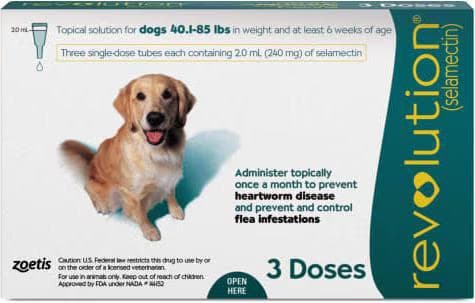
A monthly topical (selamectin) that prevents heartworm and controls fleas, and is well tolerated in herding breeds at the label dose. A prescription pick for dogs who need a non-isoxazoline option.
Webvet may earn a commission when you click through to Chewy, at no extra cost to you.
Drug Facts
Selamectin is a prescription antiparasitic ectoparasiticide used systemically via topical application. It treats and prevents fleas, ticks, mites, heartworms, and certain worms in pets. It is widely recognized under brand products such as Revolution and its equivalents. It is not a dewormer for all worms and must be used monthly for consistent protection.
Common Brands
Revolution, Stronghold
Drug Class
Isoxazoline ectoparasiticide
Substance Classification
Not a controlled medication
Generic Status
Generics widely available
Availability
Prescription
Available forms
Selamectin for Dogs and Cats Dosage Forms
Selamectin is supplied as unit-dose topical applicator tubes. Each tube contains a set volume of solution (mL) tailored for a specific weight band, for example, a small-dog tube or a cat tube. You must use the correct tube for your pet’s weight, and do not split doses between pets.
Compare coverage choices for your pet, then request a quote directly on Lemonade.
- Check a price for your pet
- Review available coverage choices
- See the terms before you decide
Eligibility, waiting periods, limits and exclusions apply.
Webvet may earn a commission when you click through to Lemonade, at no extra cost to you.
Topical applicator tubes
| Qty/Size | Price as low as | Price per unit |
|---|---|---|
| 0.25 mL | $18.00 | $72.00 |
| 0.5 mL | $22.00 | $44.00 |
| 1.0 mL | $34.00 | $34.00 |
| 2.0 mL | $45.00 | $22.50 |
Typical Dosing For Selamectin for Dogs and Cats
Selamectin is administered once every 30 days (monthly) by applying the contents of one appropriately sized tube topically at the base of the neck (between the shoulder blades). The dose is determined by the pet’s body weight; do not split tubes between animals. For dogs, most protocols also recommend annual heartworm testing before use.
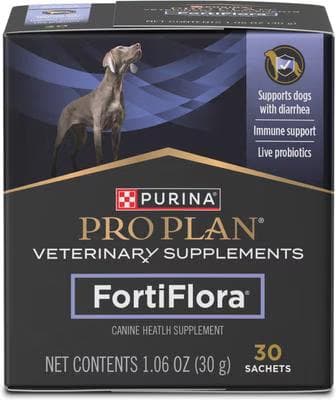
The #1 vet-recommended probiotic for dogs. Daily powder sachets with live probiotics support healthy digestion and firmer stools, and can help dogs coping with diarrhea or GI upset.
Webvet may earn a commission when you click through to Chewy, at no extra cost to you.
Topical Dosage
| Group | Typical Dose | Notes |
|---|---|---|
| Dogs (all sizes) | Apply the full contents of the tube once every 30 days | Apply directly to the skin at the base of the neck. Use only the tube labeled for your dog's weight range. |
| Cats (all sizes) | Apply the full contents of the tube once every 30 days | Apply directly to the skin at the base of the neck. Use only the tube labeled for your dog's weight range. |
Reported side effects
Risks and Warnings for Selamectin for Dogs and Cats
Selamectin is generally well tolerated in healthy dogs and cats. However, possible uncommon side effects include temporary skin irritation at application site, vomiting, diarrhea, decreased appetite, and drooling.
Because Selamectin acts systemically, pets with neurologic disease, seizure history, or sensitivity to avermectins/isooxazolines may have increased risk. Use only the tube formulated for your pet’s species and weight. Overdosing or weighing pets incorrectly can increase adverse reaction risk.
Selamectin for Dogs and Cats Warnings and Precautions
Use selamectin carefully under veterinary guidance. Key precautions:
- Use only the correct weight-band tube.
- Do not split doses between pets.
- Wait until your pet is dry before allowing contact with other animals or children.
- Avoid use in sick, underweight, or debilitated pets.
- Disclose any history of neurologic disease, drug sensitivity, or prior adverse reactions to your veterinarian.
Disclaimer: This information is for educational purposes only and should not replace professional veterinary advice. Always consult your veterinarian before using or combining any medications for your pet.
Frequently Asked Questions (FAQ)
How soon after application does selamectin work?
Parasite protection begins within 24–48 hours after application in most pets.
Can I bathe my pet right after applying selamectin?
It is best to wait at least 2 hours after application before bathing or shampooing, to allow absorption into the skin oils.
Is selamectin safe for kittens and puppies?
Yes, there are specific small-dose tubes labeled for kittens and puppies above the minimum age (check your local product labeling).
Do I need a vet prescription to buy selamectin?
Yes. In most countries, Selamectin is a prescription-only medication.
What if my pet misses a monthly dose?
Apply the dose as soon as you remember, and then resume monthly dosing. Avoid doubling up doses. Always consult your vet if a dose is missed.
Related Medications and Supplements
Selamectin is often used alongside or as an alternative to other parasite-control products, depending on the type of infestation and a dog’s overall prevention plan. These related treatments target fleas, ticks, mites, intestinal parasites, or other external pests.
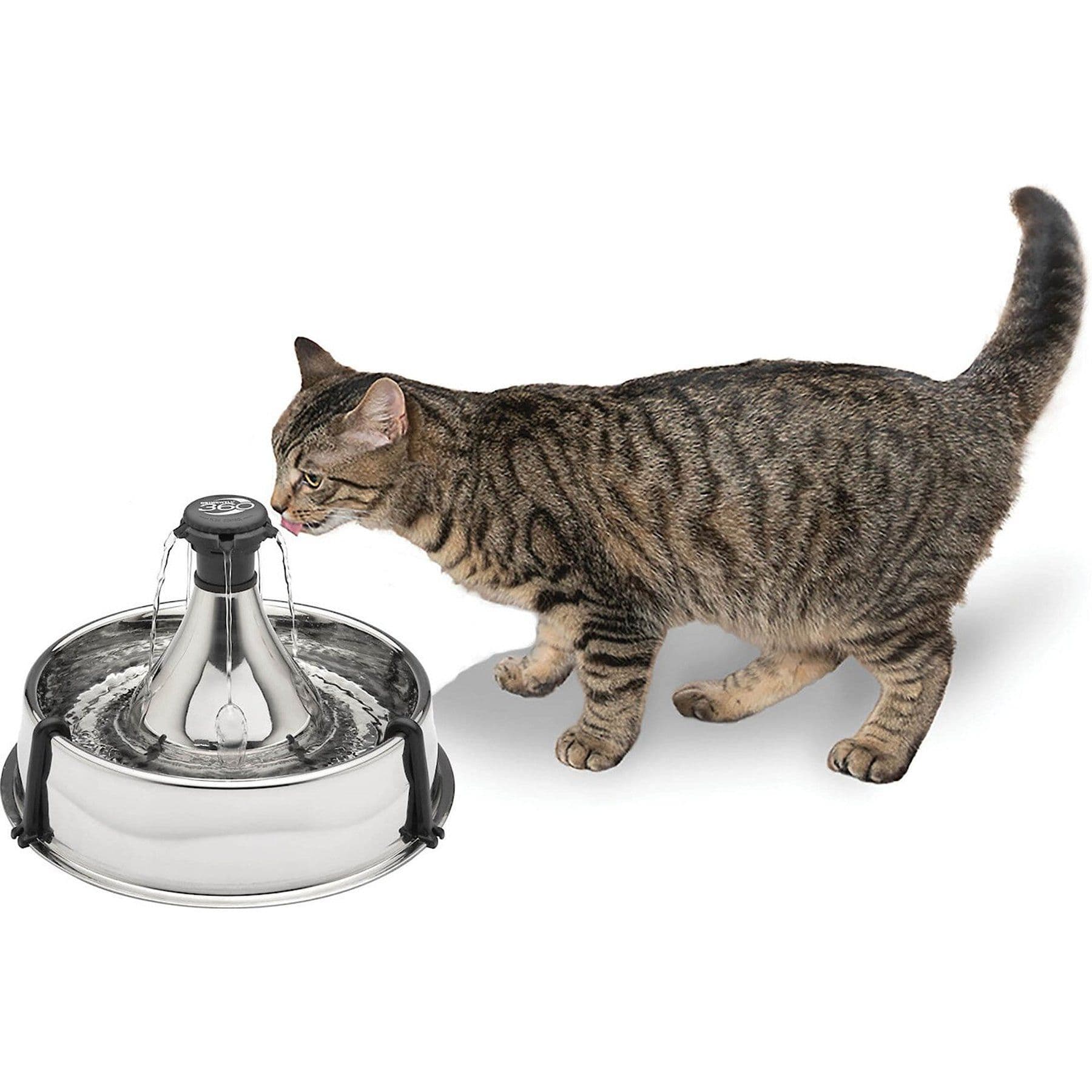
Webvet may earn a commission when you click through to Chewy, at no extra cost to you.
- Moxidectin – broad-spectrum parasiticide used for heartworm, mites, and intestinal worms
- Afoxolaner – oral ectoparasiticide for fleas and ticks
- Fluralaner – long-acting flea and tick control
- Nitenpyram – fast-acting flea killer used for quick knockdown
- Permethrin – topical ectoparasiticide for flea and tick prevention
References
- Bimeda, Inc. (2020) SelaSpot™ (selamectin) Topical Parasiticide For Dogs and Cats (Rev. 09/20). Available at: https://animaldrugsatfda.fda.gov/adafda/app/search/public/document/downloadLabeling/904
- Bishop, B.F., Bruce, C.I., Evans, N.A., Goudie, A.C., Gration, K.A.F., Gibson, S.P., Pacey, M.S., Perry, D.A., Walshe, N.D.A. & Witty, M.J. (2000) Selamectin: a novel broad-spectrum endectocide for dogs and cats. Vet Parasitol., 91(3-4), pp. 163–76. Available at: https://pubmed.ncbi.nlm.nih.gov/10940519/
- ChemicalBook (2024) Selamectin: A Versatile Broad-Spectrum Parasiticide in Veterinary Medicine for Ectoparasite and Endoparasite Control.
- DiGeronimo, P.M. (2016) Therapeutic Review: Selamectin. Journal of Exotic Pet Medicine, 25(1), pp. 80–83.
- Jacobson, L.S. & DiGangi, B.A. (2021) An Accessible Alternative to Melarsomine: “Moxi-Doxy” for Treatment of Adult Heartworm Infection in Dogs. Frontiers in Veterinary Science, 8:702018. Available at: https://www.frontiersin.org/journals/veterinary-science/articles/10.3389/fvets.2021.702018/full
- McTier, T.L., Pullins, A., Chapin, S., Rugg, J., von Reitzenstein, M., McCall, J.W., King, V.L. & Vatta, A.F. (2019) The efficacy of a novel topical formulation of selamectin plus sarolaner (Revolution® Plus/Stronghold® Plus) in preventing the development of Dirofilaria immitis in cats. Veterinary Parasitology, 270, pp. 56–62. Available at: https://www.sciencedirect.com/science/article/pii/S0304401718303479
- Six, R.H., Clemence, R.G., Thomas, C.A., Behan, S., Boy, M.G., Watson, P., Benchaoui, H.A., Clements, P.J., Rowan, T.G. & Jernigan, A.D. (2000) Efficacy and safety of selamectin against Sarcoptes scabiei on dogs and Otodectes cynotis on dogs and cats presented as veterinary patients. Vet Parasitol., 91(3-4), pp. 291–309. Available at: https://pubmed.ncbi.nlm.nih.gov/10940530/
$65 · no membershipNeed a prescription for Selamectin?
A licensed vet can assess your pet over video and prescribe Selamectin online when it's appropriate.
Talk to a vet- Licensed vets
- All 50 states
- same-day Rx
Webvet may earn a commission if you book.

Editor
The Webvet Editorial Team is the in-house group of pet-care editors and writers behind Webvet, operated by Smart Pet Collective. The team researches, writes, and maintains Webvet's pet health, behavior, and medication content. Every article follows a defined editorial process: research from reputable veterinary and scientific sources, careful drafting, mandatory review of medical content by a credentialed veterinarian, and dated publication. Health and medication articles are medically reviewed by a licensed veterinary professional before they go live and are kept current over time.
Veterinarian · BVMS MRCVS
Dr. Pippa Elliott, BVMS, MRCVS, is a veterinarian with nearly 30 years of experience in companion animal practice. Dr. Elliott earned her Bachelor of Veterinary Medicine and Surgery from the University of Glasgow. She was also designated a Member of the Royal College of Veterinary Surgeons. Married with 2 grown-up kids, Dr. Elliott has a naughty Puggle named Poggle, 3 cats and a bearded dragon.


