Fluralaner for Dogs and Cats

BVMS MRCVS
Medically reviewed by Dr. Pippa Elliott, BVMS MRCVS · Last reviewed

Drug facts
Fluralaner
Fluralaner is a systemic ectoparasiticide used for flea and tick control in dogs and cats. A single oral, topical, or injectable dose provides long-lasting protection against fleas and many tick species.
Treats
 $65 · no membership
Need a prescription for Fluralaner?
A licensed vet can assess your pet over video and prescribe Fluralaner online when it's appropriate.
 Talk to a vet
- Licensed vets
- All 50 states
- same-day Rx
Webvet may earn a commission if you book.
What is Fluralaner for Dogs and Cats
Overview
Fluralaner is a modern parasite treatment that works from the inside out. It is given as an oral chew, topical spot on, or injectable (depending on the product and country). Once absorbed, it targets the nervous system of fleas and ticks, causing them to become paralyzed and die.
Because fluralaner stays in the body for a long time, a single dose can protect most pets for around 3 months against fleas and many tick species. This longer duration can help owners stay on schedule and may improve control of flea allergy and tick transmitted diseases.
Explore more parasite-control medications in our Parasites section.
What Is Fluralaner for Dogs and Cats Used For
Fluralaner is mainly used for flea and tick control in dogs and cats.
| Condition | Notes |
|---|---|
| Flea infestations in dogs | Kills adult fleas quickly and provides about 12 weeks of protection after a single dose. Helps break the flea life cycle and supports control of flea allergy dermatitis. |
| Tick infestations in dogs | Kills several tick species, including black legged ticks, American dog ticks, brown dog ticks and others, usually for up to 12 weeks, with slightly shorter duration for some tick species such as lone star ticks. |
| Flea infestations in cats | Topical fluralaner provides around 12 weeks of flea control after a single application and helps improve skin signs linked to flea allergy. |
| Tick infestations in cats | Some topical cat products provide up to 12 weeks of tick protection, depending on tick species and label. |
| Year round parasite prevention | Used as part of a long term flea and tick prevention plan; in some countries an injectable form can protect dogs for a full year. |
How Fluralaner for Dogs and Cats Works
Fluralaner works by targeting GABA gated and glutamate gated chloride channels in the nervous system of fleas and ticks. This interference causes overstimulation, paralysis and death of the parasites, while having a wide safety margin in dogs and cats because it is much more selective for parasite nerve cells than for mammalian nerve cells.
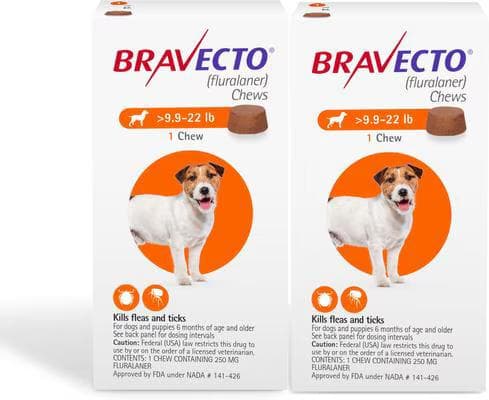
A prescription fluralaner chew that protects against fleas and most ticks for up to 12 weeks per dose, so one chew covers a full season quarter. A low-frequency option for owners who forget monthly doses.
Webvet may earn a commission when you click through to Chewy, at no extra cost to you.
Drug Facts
Fluralaner is a systemic ectoparasiticide. It is the active ingredient in several veterinary prescription products and is used to prevent and treat flea and tick infestations in dogs and cats. It is not a dewormer and does not treat heartworm by itself, although some products combine fluralaner with other active ingredients.After one dose, fluralaner reaches effective blood levels and remains in the body long enough to provide up to 12 weeks of protection (and up to 12 months for the injectable dog product in some markets).
Common Brands
Bravecto
Drug Class
Isoxazoline ectoparasiticide
Substance Classification
Not a controlled medication
Generic Status
Generics are limited
Availability
Prescription
Available forms
Fluralaner for Dogs and Cats Dosage Forms
Fluralaner is available in several formulations. All are given less often than most monthly flea and tick products, which many owners find convenient.
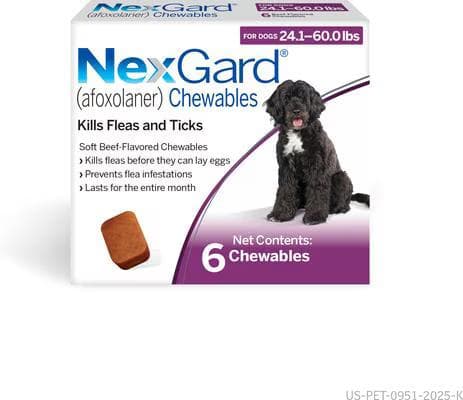
A monthly beef-flavored prescription chew (afoxolaner) that kills fleas before they lay eggs and kills ticks. A popular oral pick for dogs who do better with a chew than a topical.
Webvet may earn a commission when you click through to Chewy, at no extra cost to you.
Oral chewable tablets
| Qty/Size | Price as low as | Price per unit |
|---|---|---|
| 112.6 mg | $29.00 | $0.26 |
| 500 mg | $35.00 | $0.07 |
| 1000 mg | $38.00 | $0.038 |
Topical fluralaner (per tube)
| Qty/Size | Price as low as | Price per unit |
|---|---|---|
| 0.4 mL | $65.00 | $162.50 |
| 1 mL | $34.00 | $34.00 |
| 2 mL | $35.00 | $17.50 |
Typical Dosing For Fluralaner for Dogs and Cats
Your veterinarian will calculate the dose based on your pet's body weight and the product used.
Most chew and topical products provide approximately 25 to 56 mg of fluralaner per kilogram of body weight, given once every 12 weeks for fleas and most ticks. The injectable product is typically given at about 15 mg per kilogram once yearly.
Oral Dosage
| Group | Typical Dose | Notes |
|---|---|---|
| Dogs and puppies 6 months and older, over 4.4 lb | One chew every 12 weeks, strength chosen by weight band to give about 25 to 56 mg per kg | Give with food to improve absorption. Do not split chews between dogs. |
Topical Solution
| Group | Typical Dose | Notes |
|---|---|---|
| Dogs and puppies 6 months and older, over 4.4 lb | One tube applied to skin every 12 weeks | Apply to dry skin on back of neck. Do not bathe or swim for several days after application, as directed on label. |
| Cats and kittens 6 months and older, minimum weight varies by product | One tube applied to skin about every 12 weeks | Apply only to cats. Prevent other pets from grooming the application site until dry. |
Reported side effects
Risks and Warnings for Fluralaner for Dogs and Cats
In general, fluralaner has a wide safety margin in healthy dogs and cats when used as directed. However, as with any medication, there are possible side effects and precautions.
Compare coverage choices for your pet, then request a quote directly on Lemonade.
- Check a price for your pet
- Review available coverage choices
- See the terms before you decide
Eligibility, waiting periods, limits and exclusions apply.
Webvet may earn a commission when you click through to Lemonade, at no extra cost to you.
Common side effects reported in dogs include vomiting, decreased appetite, diarrhea, lethargy and itching. In cats, reported side effects include vomiting, itching, hair loss, decreased appetite, lethargy and skin lesions at the application site.
Fluralaner and other isoxazolines have been associated with neurologic reactions, including muscle tremors, ataxia and seizures, particularly in pets that already have a history of seizures or neurologic disease. The FDA and product labels include warnings about this risk, so you should always discuss any neurologic history with your veterinarian before starting the medication.
Neurologic risk in sensitive pets
Some dogs and cats with a history of seizures or neurologic problems may have a higher risk of neurologic side effects when given fluralaner. Many pets with controlled neurologic disease still receive isoxazoline products without problems, but the decision should be made case by case between you and your veterinarian.
Use in breeding, pregnant and lactating animals
Labeling and safety studies vary by product and country. Some fluralaner products have not fully established safety in breeding, pregnant or lactating pets. Your veterinarian will weigh risks and benefits and may suggest a different flea and tick product if your pet is pregnant or used for breeding.
Fluralaner for Dogs and Cats Warnings and Precautions
The following are key warnings and precautions owners should know:
- Use only in the species listed on the label
- Do not use in pets with a known allergy to fluralaner or other isoxazolines
- Use caution in pets with a history of seizures or neurologic disease
- Use only the correct product and strength for your pet's weight and species
- Do not split chews or tubes between pets
- Keep out of reach of children and other animals
- Store as directed and do not use after the expiration date
- Report any unusual signs such as tremors, stumbling, severe vomiting or behavior changes to your veterinarian right away
Disclaimer: This information is for educational purposes only and should not replace professional veterinary advice. Always consult your veterinarian before using or combining any medications for your pet.
Frequently Asked Questions (FAQ)
How fast does fluralaner start working?
Fluralaner usually starts
killing fleas within a few hours
after the first dose, and tick killing begins soon after. Most products provide strong protection within the first day and maintain high efficacy for the full labeled period.
Can I give fluralaner with other medications?
In many cases, fluralaner can be safely used with other common medications, including heartworm preventives. However, you should
always tell your veterinarian about all medicines and supplements
your pet is taking so they can check for any concerns.
Is fluralaner safe for puppies and kittens?
Most fluralaner products are labeled for
dogs and cats 6 months of age or older
and over a
minimum body weight
, which varies by product. Your veterinarian will advise you when your puppy or kitten is old and heavy enough to start fluralaner and which product is best.
What happens if I miss a dose?
If you miss a scheduled dose, give it as soon as you remember,
as long as your veterinarian agrees
, and then restart the schedule based on that new date. During gaps in protection, your pet may be at risk of flea and tick infestation, so it is important to get back on track quickly.
Can fluralaner be used all year round?
Yes. Many veterinarians recommend
year round flea and tick prevention
, especially in areas with mild winters or indoor flea issues. Fluralaner products are designed for long term, repeated use when supervised by a veterinarian.
Related Medications and Supplements
Dogs being treated for flea and tick infestations may also benefit from other fast acting or long lasting parasite control options. These related treatments are commonly used alongside systemic preventive medications like Fluralaner.
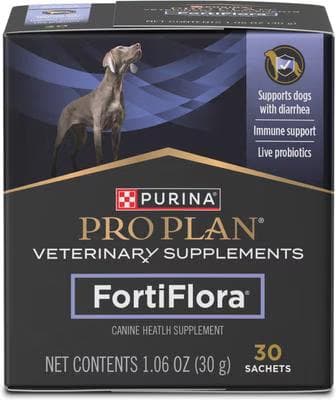
The #1 vet-recommended probiotic for dogs. Daily powder sachets with live probiotics support healthy digestion and firmer stools, and can help dogs coping with diarrhea or GI upset.
Webvet may earn a commission when you click through to Chewy, at no extra cost to you.
- Afoxolaner - oral flea and tick preventive in the isoxazoline class
- Selamectin - topical monthly parasite preventive covering fleas, ticks, mites, and some worms
- Nitenpyram - rapid kill oral flea treatment often used for quick relief
- Permethrin - topical insecticide for flea and tick control (dogs only)
- Moxidectin - broad spectrum parasite preventive used in combination products
References
- Berny, P. J., Belhadj, D., España, B. and Lécu, A. 2024. Fecal elimination of fluralaner in different carnivore species after oral administration. Frontiers in Veterinary Science, 11: 1279844. DOI: 10.3389/fvets.2024.1279844.
- Dryden, M. W., Canfield, M. S., Kalosy, K., Smith, A., Crevoiserat, L., McGrady, J. C., Foley, K. M., Green, K., Tebaldi, C., Smith, V., Bennett, T., Heaney, K., Math, L., Royal, C. and Sun, F. 2016. Evaluation of fluralaner and afoxolaner treatments to control flea populations, reduce pruritus and minimize dermatologic lesions in naturally infested dogs in private residences in west central Florida USA. Parasites & Vectors, 9: 360. DOI: 10.1186/s13071-016-1654-7.
- Lavan, R. P., Armstrong, R., Newbury, H., Normile, D. and Hubinois, C. 2021. Flea and tick treatment satisfaction, preference, and adherence reported by cat owners in the US, UK, or France who treated their cats with transdermal fluralaner. Open Veterinary Journal, 11(3): 458–467. DOI: 10.5455/OVJ.2021.v11.i3.19.
- Lavan, R. P., Armstrong, R., Normile, D., Zhang, D. and Tunceli, K. 2017. Results from a U.S. Dog Owner Survey on the Treatment Satisfaction and Preference for Fluralaner against Flea and Tick Infestations. J Vet Sci Technol, 8(3): 439. DOI: 10.4172/2157-7579.1000439.
- Merck Animal Health. 2025. Merck Animal Health Presents New Data Demonstrating the Safety, Efficacy and Quick Onset of Injectable Formulation of BRAVECTO® (fluralaner) at World Small Animal Veterinary Association Congress. Rahway, NJ: Merck Animal Health.
- U.S. Food and Drug Administration (FDA) Center for Veterinary Medicine (CVM). 2019. Animal Drug Safety Communication: FDA Alerts Pet Owners and Veterinarians About Potential for Neurologic Adverse Events Associated with Certain Flea and Tick Products. (Updated August 8, 2019).
- Walther, F. M., Allan, M. J. and Roepke, R. K. A. 2015. Plasma pharmacokinetic profile of fluralaner (Bravecto™) and ivermectin following concurrent administration to dogs. Parasites & Vectors, 8: 508. DOI: 10.1186/s13071-015-1123-8.
- Walther, F. M., Paul, A. J., Allan, M. J., Roepke, R. K. A. and Nuernberger, M. C. 2014. Safety of fluralaner, a novel systemic antiparasitic drug, in MDR1(−/−) Collies after oral administration. Parasites & Vectors, 7: 86. DOI: 10.1186/1756-3305-7-86.
$65 · no membershipNeed a prescription for Fluralaner?
A licensed vet can assess your pet over video and prescribe Fluralaner online when it's appropriate.
Talk to a vet- Licensed vets
- All 50 states
- same-day Rx
Webvet may earn a commission if you book.

Editor
The Webvet Editorial Team is the in-house group of pet-care editors and writers behind Webvet, operated by Smart Pet Collective. The team researches, writes, and maintains Webvet's pet health, behavior, and medication content. Every article follows a defined editorial process: research from reputable veterinary and scientific sources, careful drafting, mandatory review of medical content by a credentialed veterinarian, and dated publication. Health and medication articles are medically reviewed by a licensed veterinary professional before they go live and are kept current over time.
Veterinarian · BVMS MRCVS
Dr. Pippa Elliott, BVMS, MRCVS, is a veterinarian with nearly 30 years of experience in companion animal practice. Dr. Elliott earned her Bachelor of Veterinary Medicine and Surgery from the University of Glasgow. She was also designated a Member of the Royal College of Veterinary Surgeons. Married with 2 grown-up kids, Dr. Elliott has a naughty Puggle named Poggle, 3 cats and a bearded dragon.


