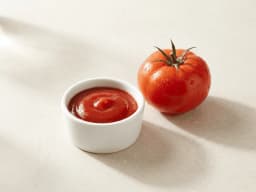
Can dogs eat ketchup?
Not recommendedA small ketchup lick is usually low risk for a dog. Check the exact label, amount, wrapper, xylitol, alliums, sodium, and symptoms.


Medically reviewed by Dr. Athena Gaffud, DVM · Last reviewed
Can Dogs Eat Ketchup?
- 1Do not feed ketchup to dogs. It is a salty, sugary condiment, and many recipes contain onion powder.
- 2Garlic is not universal, so the exact ingredient list determines the Allium risk.
- 3Sugar-free does not mean xylitol. If a dog product lists xylitol or birch sugar, call immediately.
- 4A swallowed packet is a separate foreign-body concern whose risk depends on the wrapper, dog, and symptoms.
Can dogs eat ketchup? Do not offer it. Ketchup is a processed condiment with sugar, sodium, vinegar, and seasonings that vary by recipe. Many products include onion powder, while garlic is not universal, so the exact ingredient label determines the Allium risk.
That said, the most common real world version of this question is not whether to serve it. It is that a dog just cleaned a plate, stole a fry, or swallowed a packet whole, and the owner wants to know how worried to be. The honest answer varies enormously depending on which of those happened.

Why ketchup is bad for dogs
Onion, garlic, leek, and chive contain sulfur-based oxidants that can damage canine red blood cells, form Heinz bodies, and cause hemolytic anemia. Many ketchup recipes include onion powder, while garlic is not universal. Concentrated powders make home dose calculations unreliable, so check the exact label.
Webvet may earn a commission when you click through to Chewy, at no extra cost to you.
Formulations vary, so use the current product label and an official composition record rather than treating one database value as universal. Sugar and sodium add dietary load, but composition alone does not establish a ketchup-specific clinical threshold.
None of that adds up to an emergency for a dog who licked a plate. It adds up to a food with several small downsides and no upside, which is why the answer is simply not to offer it.
My dog ate ketchup: how worried should I be?
| Check | Why it matters | Next step |
|---|---|---|
| Exact product and label | Onion, garlic, xylitol, and sodium vary | Photograph or keep the package |
| Estimated amount and time | No ketchup-specific home threshold exists | Give the estimate to a clinician |
| Dog's weight and history | Risk is individual | Mention diabetes, kidney, GI, or pancreatic disease |
| Wrapper swallowed | Plastic or foil can become a foreign body | Tell the veterinarian |
| Symptoms | Vomiting, weakness, tremors, pale gums, or pain changes urgency | Contact your veterinarian or poison control |
Keep fresh water available. If vomiting, abdominal pain, poor appetite, weakness, tremors, or other signs occur, call your veterinarian for case-specific care and feeding advice. Do not prescribe fasting as universal home care; early nutrition is preferred in most pancreatitis treatment unless vomiting is uncontrolled.
My dog swallowed a ketchup packet
A swallowed fast-food packet is a different problem from the condiment. Plastic or foil can act as a gastrointestinal foreign body. Risk depends on the wrapper's size and material, how it was swallowed, the dog's size and history, and symptoms, so provide those details to a veterinarian.
There is no sourced rule that one packet will pass in a large dog or a fixed number that predicts obstruction. Contact your veterinarian with the packet type, estimated number, time, your dog's weight and history, and any symptoms. They can decide whether examination, imaging, or monitoring is appropriate.
Do not induce vomiting unless a veterinarian or poison-control clinician directs it. Some emetics can be used in dogs in specific circumstances, but the swallowed material, time, symptoms, and aspiration risk determine whether emesis is appropriate. A wrapper may also create injury on the way back up.

Are tomatoes and ketchup the same risk?
Ripe tomato flesh is generally non-toxic. Leaves, stems, and unripe fruit contain tomato glycoalkaloids, particularly tomatine, and should not be fed. A dog chewing a tomato plant needs a different assessment from a dog exposed to ripe flesh.
So ketchup is not worse because of the tomato. It is worse because of everything added to the tomato. If your dog enjoys the taste, a small piece of plain ripe tomato is the version that is actually fine.
What about ketchup on french fries?
Fast-food fries add fat and sodium. Dietary indiscretion is associated with canine pancreatitis, but a single serving has no reliable dose-response and should not be described as a predictable trigger. Ketchup adds sugar and may add onion powder, depending on the recipe.
One stolen fry with a smear of ketchup is not going to hurt a healthy dog. Making it a habit, or sharing a whole carton, is how dogs end up at the emergency vet on holiday weekends.
This is an optional dog treat. Review its current label, ingredients, calories, and feeding directions, and count it within the total daily extras.
Webvet may earn a commission when you click through to Chewy, at no extra cost to you.
Which condiments are safe for dogs?
Very few, and the reason is consistent: condiments exist to add salt, sugar, fat, and aromatics, and aromatics in a human kitchen usually means onion and garlic. Ketchup, mustard, ranch, barbecue sauce, mayonnaise, and soy sauce all fail on at least one of those counts, and several fail on all of them.
Safer sharing options still require a label check. Any broth must be free of onion and garlic, and pumpkin, yogurt, and other toppers do not suit every dog or medical condition. Plain cooked unseasoned meat or a measured dog treat is often simpler, within the total calorie plan.

This is an optional dog treat. Review its current label, ingredients, calories, and feeding directions, and count it within the total daily extras.
Webvet may earn a commission when you click through to Chewy, at no extra cost to you.
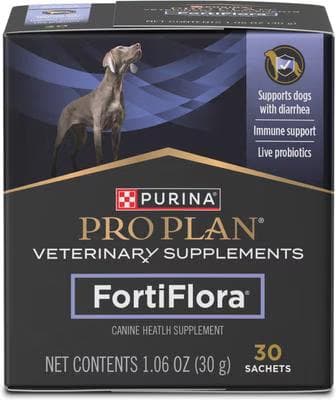
Product effects and directions are product-specific. Ask your veterinarian whether this supplement fits your dog's diagnosis, diet, medications, and treatment plan.
Webvet may earn a commission when you click through to Chewy, at no extra cost to you.
How much ketchup is actually a problem?
Clinical signs have been reported in dogs after about 15 to 30 grams of raw onion per kilogram of body weight. That figure describes raw onion reports, not a safe ketchup threshold. Concentrated powders, repeated exposure, unknown recipes, and uncertain serving sizes make label-based home calculations unreliable.
Do not convert the raw-onion report into reassurance about a ketchup serving. Repeated Allium exposures can add risk, and product concentrations are not interchangeable with raw onion. Check the exact label and provide the exposure details to a clinician rather than calculating a home safety threshold.
Salt is the more realistic near term concern with a large single serving. Sodium toxicity becomes a risk when a dog eats a lot of a salty food and cannot drink enough water, and the early signs are heavy thirst, vomiting, and unsteadiness. Always leave water down after any salty incident rather than restricting it.
Frequently Asked Questions
Will a little ketchup hurt a dog?
No universal amount guarantees that an exposure is harmless. Check the exact product and contact your veterinarian with the estimated amount and time, your dog's weight and history, packaging exposure, and symptoms. Xylitol or birch sugar on the label requires an immediate call.
Are dogs allowed tomato ketchup?
Ketchup is not recommended. Many recipes include onion powder, while garlic is not universal, and the product also adds sugar and sodium. Check the exact label after an exposure. Plain ripe tomato flesh is a different food and is generally non-toxic.
Can dogs eat French fries with ketchup?
Fries add fat and sodium, while ketchup adds sugar and may contain onion powder. Dietary indiscretion is associated with canine pancreatitis, but one serving has no predictable dose-response. Provide the product, amount, time, weight, history, and symptoms to a veterinarian when advice is needed.
What condiments are ok for dogs?
Almost none of the standard ones. Ketchup, mustard, ranch, barbecue sauce, mayonnaise, and soy sauce all bring salt, sugar, fat, or allium. Plain canned pumpkin, a spoonful of plain unsweetened yogurt, and low sodium bone broth are the safer ways to make a bowl more appealing.
What should I do if my dog ate a ketchup packet?
Contact your veterinarian with the packet type, estimated number and time swallowed, your dog's weight and history, and any symptoms. The wrapper can act as a gastrointestinal foreign body. Do not induce vomiting unless a veterinarian or poison-control clinician directs it.
Is Heinz ketchup bad for dogs?
A brand name does not replace the exact label. Standard and no-sugar-added recipes can use different seasonings and sweeteners, and sugar-free does not automatically mean xylitol. If a dog product lists xylitol or birch sugar, call immediately.
Safe alternatives
More pantry & other for dogs
Sources
- USDA FoodData Central: Catsup Search
FoodData Central provides current composition records returned for catsup; exact branded recipes still require their own labels.
- VCA: Onion, Garlic, Chive, and Leek Poisoning in Dogs
Supports ingredient- and dose-specific allium assessment and replaces the broken legacy VCA URL.
- Merck Veterinary Manual: Garlic and Onion Toxicosis in Animals
Allium risk depends on the ingredient, concentration, dose, and susceptible patient.
- Merck Veterinary Manual: Xylitol Toxicosis in Dogs
Xylitol can cause dose-dependent hypoglycemia and liver injury in dogs; a confirmed canine exposure needs prompt assessment.
- Merck Veterinary Manual: Salt Toxicosis in Animals
Salt toxicosis requires a sufficient dose and depends on exposure and water access.
- Merck Veterinary Manual: Gastrointestinal Obstruction in Small Animals
Foreign-body risk and outcome depend on the object, amount, patient, and clinical signs.
Reviewed by Dr. Athena Gaffud, DVM
General guidance based on credible veterinary sources; not a diagnosis or a substitute for your veterinarian. If your pet ate something toxic or is unwell, contact your vet or a pet poison line right away.