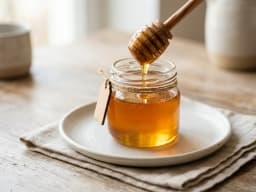
Can dogs eat honey?
Safe in moderationPlain honey is not a dog toxin, but it is calorie dense. No puppy-under-one rule or universal teaspoon schedule is established for dogs.


Medically reviewed by Dr. Athena Gaffud, DVM · Last reviewed
Can Dogs Eat Honey?
Plain honey is not a recognized canine toxin, yet it is concentrated in sugar and calories and is unnecessary in a complete diet. Separate a plain taste from raw honey, honeycomb, baked goods, tea, cough products, supplements, infused honey, topical wound products, and a broken jar or packet. Added chocolate, caffeine, alcohol, xylitol, medicines, essential oils, or packaging may change the case, so keep the exact label. Honey should not be used at home to treat cough, allergies, wounds, low energy, constipation, or gastrointestinal illness without a veterinary plan. A diabetic dog, a dog on calorie restriction, or one with swallowing difficulty needs individual guidance rather than a general spoon amount. After an accident, record the largest possible amount, time, dog's weight, vomiting, stool, appetite, drinking, activity, coordination, breathing, and any container pieces. Sticky texture can complicate cleanup but does not by itself establish choking. For training or medication, a measured food already approved for the dog is easier to count and avoids turning honey into a daily supplement. If a jar breaks, keep the dog away from glass and describe any possible shard exposure separately. Skin or coat contamination should be cleaned with product-appropriate guidance so licking does not extend access to medicines, essential oils, or other infused ingredients.
- 1Plain honey is not a recognized canine toxin, but it is calorie dense.
- 2There is no evidence-based honey-by-size or weekly teaspoon schedule.
- 3Merck does not establish a puppy-under-one honey rule for dogs.
- 4Trace nutrients do not prove antioxidant or health benefits from a taste.
- 5Check blended and sugar-free product labels; confirmed xylitol exposure is urgent in dogs.

Treats should stay under 10% of your dog's daily calories. JustFoodForDogs makes the rest of it.
- Recipes developed by veterinary nutritionists
- Whole-food ingredients you can recognise
- Fresh meals delivered to your door
Webvet may earn a commission when you click through to JustFoodForDogs, at no extra cost to you.
Is honey safe for dogs?
A small plain honey exposure is usually assessed from amount, dog, and signs. Honey calories can be substantial for a dog, but no universal serving or disease-wide zero-dose rule is established.

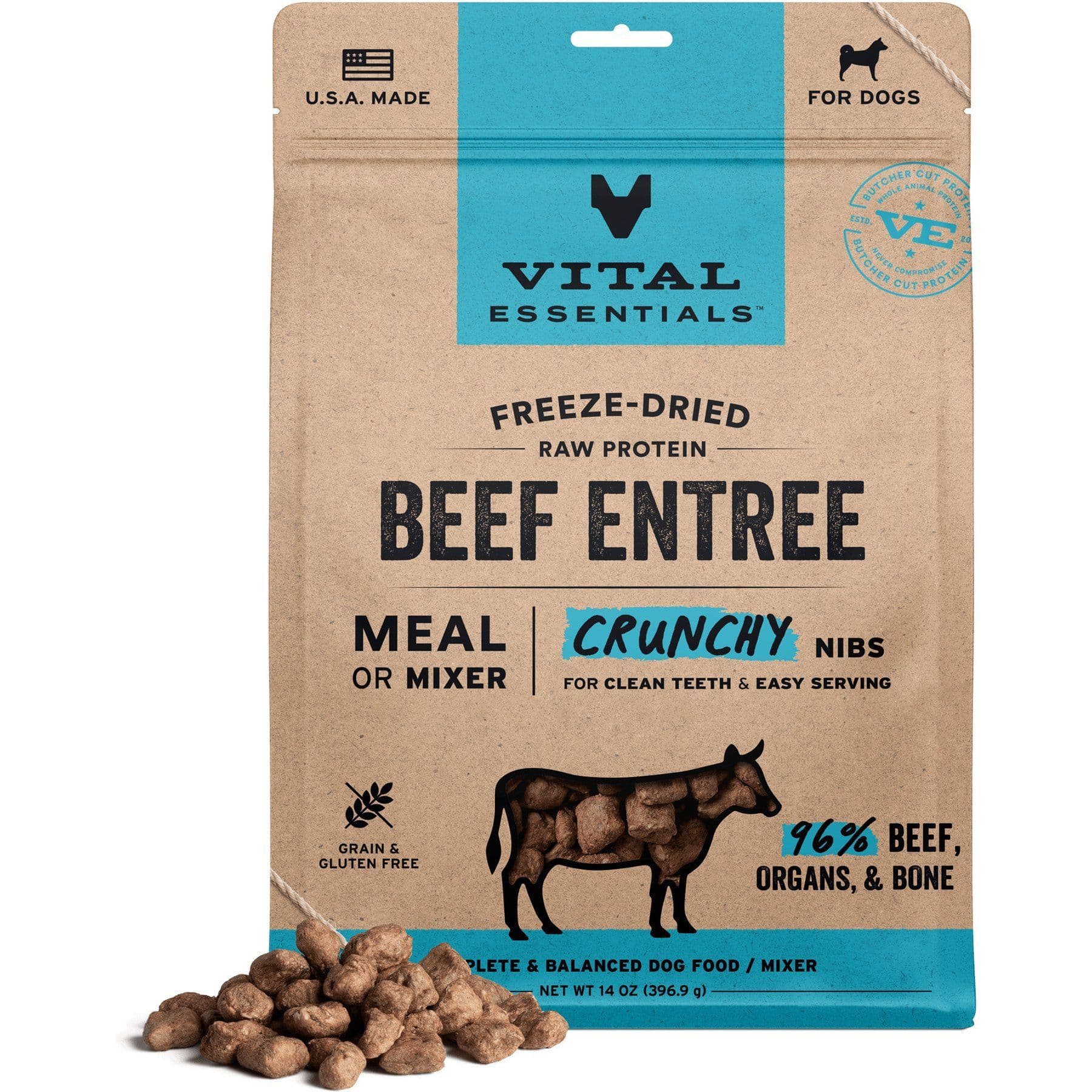
This is an optional dog treat. Review its current label, ingredients, calories, and feeding directions, and count it within the total daily extras.
Webvet may earn a commission when you click through to Chewy, at no extra cost to you.
Puppies, dogs with diabetes or obesity, and immunocompromised dogs need patient-specific feeding advice. Human infant guidance should not be copied into a canine age cutoff without canine evidence.
Why honey is mostly just sugar
Honey consists mainly of sugars and contains trace nutrients. Listing vitamins, minerals, enzymes, or antioxidants does not establish a clinical benefit from treat-level honey.
Honey adds calories and can affect an individual glucose plan, but routine honey does not by itself prove obesity, dental disease, or a glucose disorder. Evaluate the complete diet and patient.

What veterinary evidence says about botulism and honey
Raw honey can contain Clostridium botulinum spores, but canine susceptibility is not the same as human infant botulism. Merck says dogs and cats are comparatively resistant to oral toxin challenge and does not establish a canine age cutoff. The familiar under-one-year warning belongs to human infant medicine and should not be copied to puppies without canine evidence. Merck describes dogs and cats as comparatively resistant to botulinum toxin given by mouth, while naturally occurring botulism in animals is still a serious neurologic disease associated with exposure to toxin. Those points can coexist. They do not prove that every jar of raw honey is sterile, and they do not create a puppy birthday cutoff. If a dog has an immune disorder, a swallowing problem, a therapeutic diet, or another medical concern, the veterinarian can judge the exact product and reason for considering it.
Pasteurization and processing are product facts, not proof of a universal canine risk category. A dog with immune disease or a therapeutic diet needs advice from the treating veterinarian.
How much honey can a dog have?
There is no universal teaspoon schedule for honey by body size. If an optional taste fits the dog, count it within the individual treat-calorie allowance.

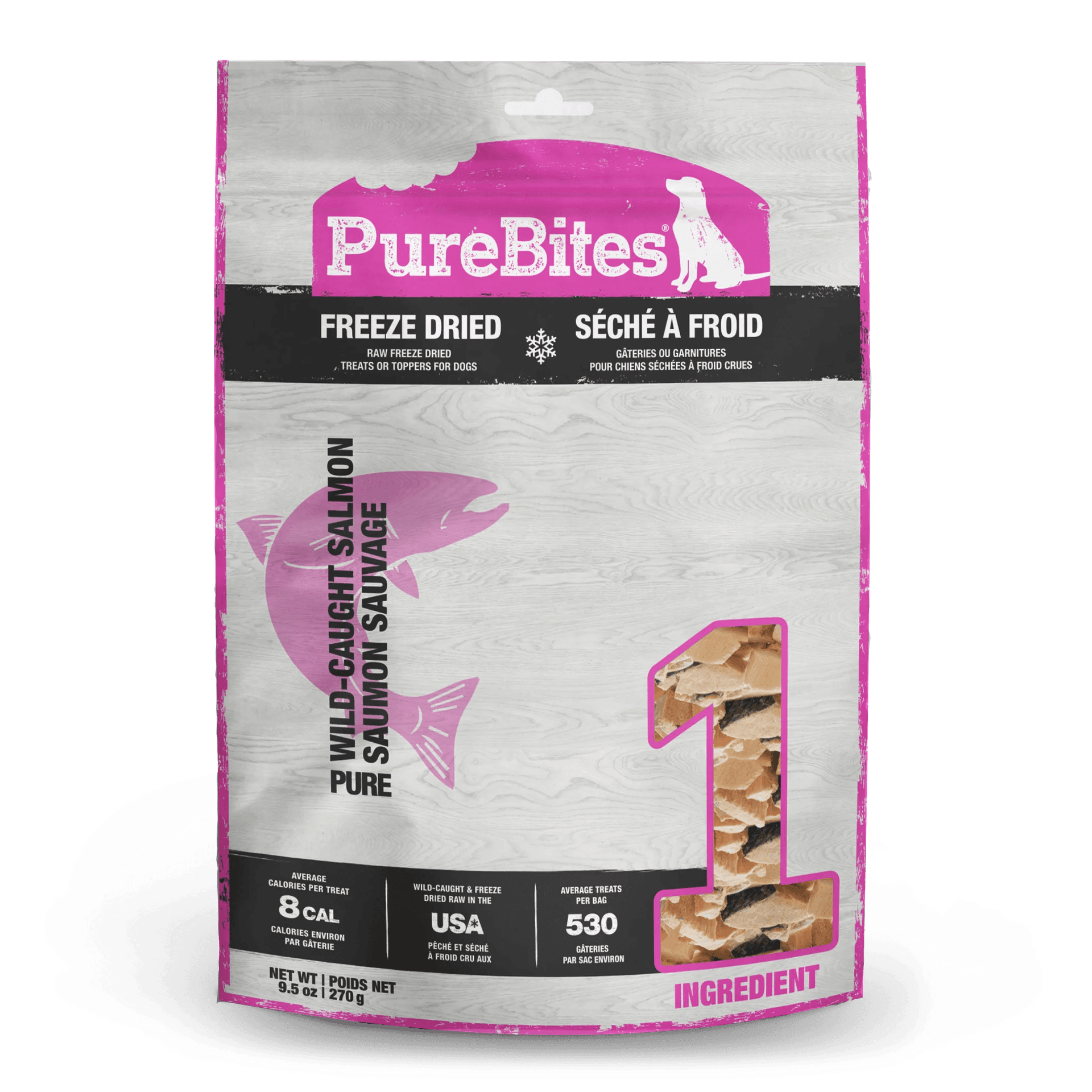
This is an optional dog treat. Review its current label, ingredients, calories, and feeding directions, and count it within the total daily extras.
Webvet may earn a commission when you click through to Chewy, at no extra cost to you.
All extras share the dog's calorie allowance. Do not compensate for honey with an improvised reduction that could unbalance the complete diet; calculate the plan with the veterinary team when weight or disease is relevant.
How to prepare and serve honey
Use the actual product label. Plain honey and blended spreads, glazed foods, supplements, or sugar-free products have different ingredients and uses; there is no required way to serve honey.
A product called honey does not ordinarily imply xylitol. Check blended or sugar-free labels without suggesting common contamination. In dogs, confirmed or plausible xylitol exposure needs prompt professional assessment. Plain honey, a honey-flavored spread, a supplement, and a sugar-free syrup are different products. Owners should read the complete ingredient list instead of assuming honey commonly contains xylitol. If xylitol or birch sugar is actually listed, or the package is missing and exposure is plausible, urgent canine advice is appropriate because the established dog syndrome can include hypoglycemia and liver injury. If the ingredient is absent, that emergency warning should not be used to frighten owners about ordinary honey. The same label review may identify chocolate, raisins, medications, concentrated botanicals, or other ingredients that require their own assessment.
Risks and what to watch for
An unsuitable amount may cause gastrointestinal signs or add excess calories. Honey alone is not established as a direct cause of obesity, dental disease, or glucose disorders; total diet and patient factors matter.
Do not apply a puppy botulism cutoff copied from humans. For a processed product, identify every ingredient; urgent canine xylitol guidance applies only when xylitol exposure is confirmed or plausible.

What about honey for allergies or a cough?
Honey is not an evidence-based treatment for canine seasonal allergy, cough, or throat disease. A nutrient or pollen theory does not establish clinical efficacy or dose.
Persistent itching, cough, nausea, or other signs need diagnosis and veterinarian-selected treatment rather than honey as a home remedy.
Safer everyday treat alternatives
If you want to give your dog something sweet and a little more useful than honey, reach for whole fruit instead. Blueberries are a great low-calorie option packed with fiber and antioxidants, and their small size makes them easy to portion out as training rewards. Bananas deliver natural sweetness along with potassium and vitamins, though they too are fairly high in sugar, so a few thin slices are plenty. Both give you the sweet payoff dogs enjoy while carrying real nutrients that honey lacks.
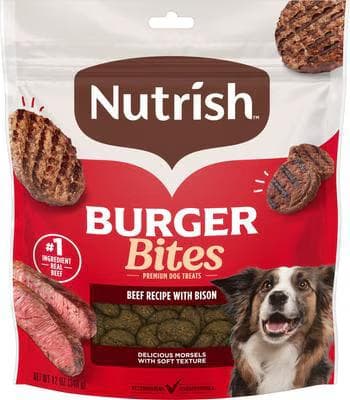
This is an optional dog treat. Review its current label, ingredients, calories, and feeding directions, and count it within the total daily extras.
Webvet may earn a commission when you click through to Chewy, at no extra cost to you.
Honey is optional and unnecessary. Any treat must fit the complete diet and individual calorie plan; no health benefit is promised from routine use.

Frequently Asked Questions
Can dogs eat honey every day?
Daily honey is unnecessary and adds calories. There is no universal frequency or amount; use the individual treat plan.
Can puppies have honey?
Veterinary guidance does not establish a puppy-under-one prohibition. Ask the veterinarian about the individual puppy and product.
Will honey settle my dog's upset stomach?
Honey is not a validated treatment for canine gastrointestinal disease. Persistent signs need diagnosis.
Is raw honey or pasteurized honey better for dogs?
Processing does not create a universal canine serving rule. Check the exact product and ask the veterinary team when immune disease or another condition is relevant.
More safe treats
More pantry & other for dogs
Sources
- Merck Veterinary Manual: Botulism in Animals
Dogs and cats are comparatively resistant to orally challenged botulinum toxin; no puppy- or kitten-under-one honey cutoff is established.
- WSAVA: Feeding Treats to Your Dog
All treats share an individual calorie allowance and should not displace complete nutrition.
- Merck Veterinary Manual: Overview of Nutrition in Small Animals
Complete and balanced feeding and patient-specific calorie planning are the nutritional baseline for dogs and cats.
- Merck Veterinary Manual: Xylitol Toxicosis in Dogs
Xylitol can cause dose-dependent hypoglycemia and liver injury in dogs; a confirmed canine exposure needs prompt assessment.
Reviewed by Dr. Athena Gaffud, DVM
General guidance based on credible veterinary sources; not a diagnosis or a substitute for your veterinarian. If your pet ate something toxic or is unwell, contact your vet or a pet poison line right away.