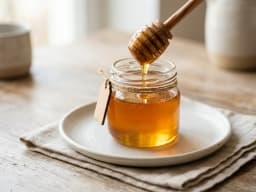
Can cats eat honey?
Safe in moderationA lick of plain honey is unlikely to poison a healthy cat, but honey is calorie dense and unnecessary; assess mixed products by their full label.


Medically reviewed by Dr. Athena Gaffud, DVM · Last reviewed
Can Cats Eat Honey?
A lick of plain honey is unlikely to poison a healthy cat, although honey is calorie dense, unnecessary, and not made nutritionally invisible by feline sweet-taste biology. Identify plain, raw, infused, medicated, baked, beverage, supplement, and topical products separately. Raw honey may contain botulinum spores, but current feline evidence provides no kitten-under-one cutoff copied from human infant guidance; that uncertainty is a reason to avoid inventing an age rule, not a reason to feed honey. Check mixed products for chocolate, caffeine, alcohol, alliums, medicines, essential oils, sweeteners, and broken packaging. Record the amount, time, appetite, vomiting, stool, activity, swallowing, breathing, weakness, and any underlying illness. Honey is not an established feline treatment for cough, wounds, constipation, appetite, immunity, or hairballs. A kitten needs complete growth food, and an ill cat needs nutrition or fluid support selected for the actual diagnosis. Use measured complete feline food when a repeatable reward or medication vehicle is needed. A broken jar adds a glass hazard that must be reported separately from the honey. If a topical or infused product reached the coat, prevent grooming and obtain label-specific cleanup advice rather than letting the cat continue to lick the residue. Put sweetened medicines, lozenges, cosmetics, and wound products back in closed storage immediately after use. For a cat that refuses food or needs medication, ask the veterinary team for an appropriate strategy instead of relying on honey to stimulate eating or disguise repeated doses.
- 1A small plain honey exposure is unlikely to poison a healthy cat.
- 2Cats can metabolize dietary glucose; sweet-taste biology is not sugar intolerance.
- 3Merck does not establish a kitten-under-one honey cutoff.
- 4Limited feline data did not reproduce the canine xylitol syndrome.
- 5Assess every mixed product from its full label, amount, and clinical signs.

Treats should stay under 10% of your cat's daily calories. Smalls makes the rest, built around the meat an obligate carnivore actually needs.
- Human-grade ingredients, protein first
- Built for obligate carnivores
- Fresh meals delivered to your door
Webvet may earn a commission when you click through to Smalls, at no extra cost to you.
So can cats have honey or not?
Plain honey is not a recognized feline toxin. It contains sugars, calories, and trace nutrients, but remains unnecessary in a complete feline diet. An individual exposure should be assessed from amount and signs.

How cats metabolize honey, without meat-only myths
Cats require animal-derived nutrients and complete feline nutrition, but obligate carnivory does not make every carbohydrate or plant-derived nutrient unusable. Obligate carnivory describes the nutrients cats must obtain and the metabolic adaptations that shape a complete feline diet. It does not mean a cat is unable to absorb glucose or that every non-meat molecule has zero nutritional value. Cats can use dietary carbohydrate even though they lack a functional canonical sweet receptor. Those are separate biological facts. Honey is still unnecessary because a balanced feline food already supplies required nutrients and because a concentrated source of sugar and calories can consume part of a small animal's daily allowance quickly. The reason to skip routine honey is diet quality and calorie planning, not a claim that the cat's body cannot process it.
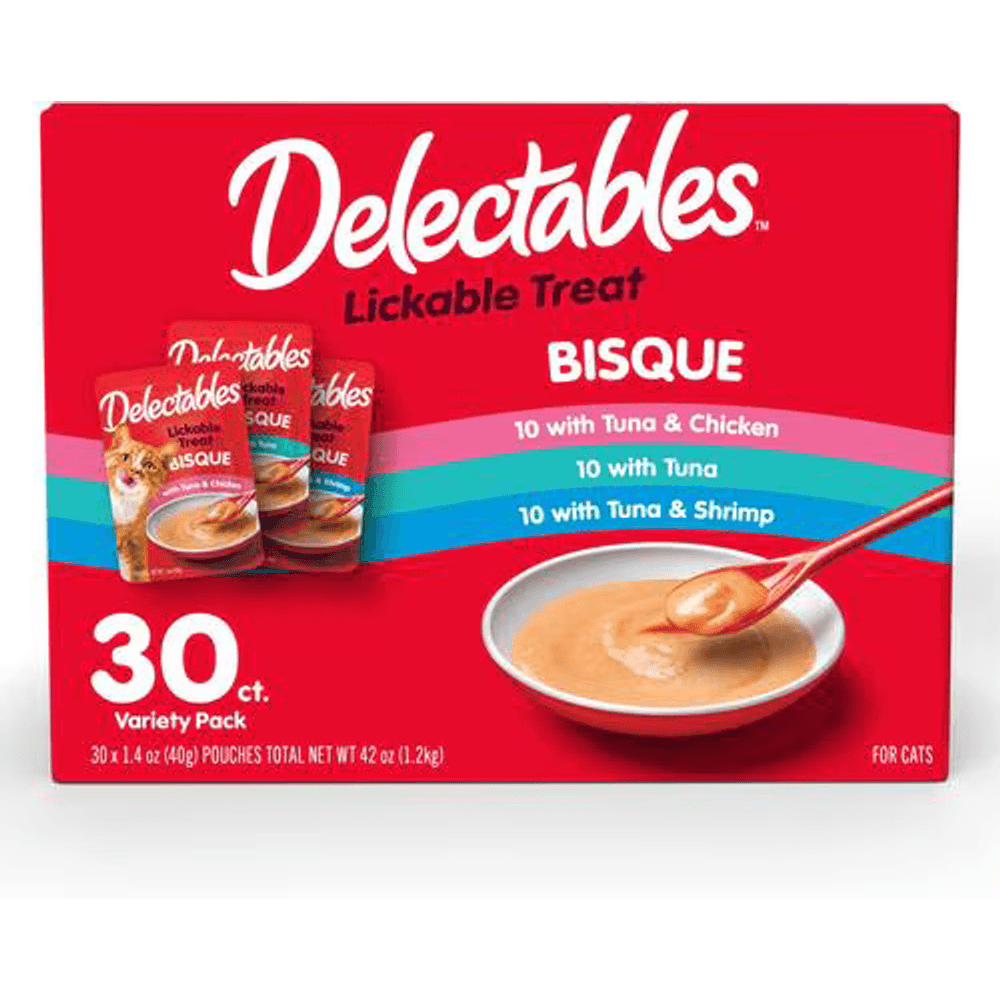
This is an optional cat treat. Review its current label, ingredients, calories, and feeding directions, and count it within the total daily extras.
Webvet may earn a commission when you click through to Chewy, at no extra cost to you.
Cats can metabolize dietary glucose. An unsuitable amount of honey may cause gastrointestinal signs in an individual, but vomiting or diarrhea is not a predictable result of every taste.
The risks of feeding honey to cats
Plain honey is not a recognized feline toxin. Gastrointestinal response varies; vomiting, diarrhea, and a symptom timeline are not inevitable after a small exposure.

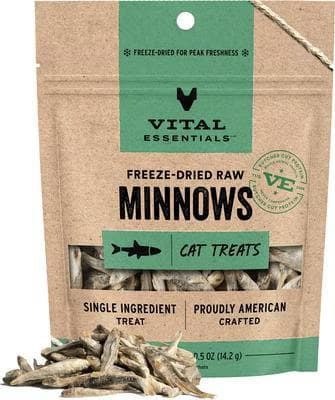
This is an optional cat treat. Review its current label, ingredients, calories, and feeding directions, and count it within the total daily extras.
Webvet may earn a commission when you click through to Chewy, at no extra cost to you.
Honey adds calories, but repeated sugar intake does not by itself establish feline diabetes, pancreatitis, or obesity. Evaluate the complete calorie and medical plan.
Raw honey may contain Clostridium botulinum spores. Merck describes cats as comparatively resistant to botulinum toxin taken by mouth and provides no kitten-under-one or immunocompromised-cat honey cutoff. That does not make contaminated food harmless or honey appropriate for kittens. A kitten needs complete growth food, and a cat with immune disease or a swallowing disorder needs individual advice. Neurologic weakness, difficulty swallowing, or breathing changes require urgent veterinary care.
How much honey is too much?
There is no evidence-based dab or serving ceiling for cats. Honey is unnecessary; if an optional exposure is being considered, use the individual calorie and therapeutic-diet plan.
What to do if your cat eats honey
For a small plain honey exposure, note the amount and monitor the individual cat. No universal symptom or observation window applies; contact the veterinarian for illness or a concerning mixed product. For a lick of plain honey, record roughly how much was available and watch the individual cat rather than promising vomiting, diarrhea, or a particular symptom window. A mixed product needs a different review. Save the label and check sweeteners, chocolate, medications, supplements, and other ingredients. Limited research in six healthy cats did not reproduce the well-established canine xylitol hypoglycemia and liver-injury syndrome, but that small study cannot validate every dose, patient, or multi-ingredient product. A cat that is weak, repeatedly vomiting, refusing food, trembling, or otherwise abnormal should be assessed on its symptoms and complete exposure, not managed from the dog rule alone.

Better treats to give your cat instead
Choose treats that fit the cat's complete diet, calorie allowance, medical needs, and ingredient tolerance. Honey has no established feline health benefit, while animal-based or commercial options are not automatically complete or suitable.
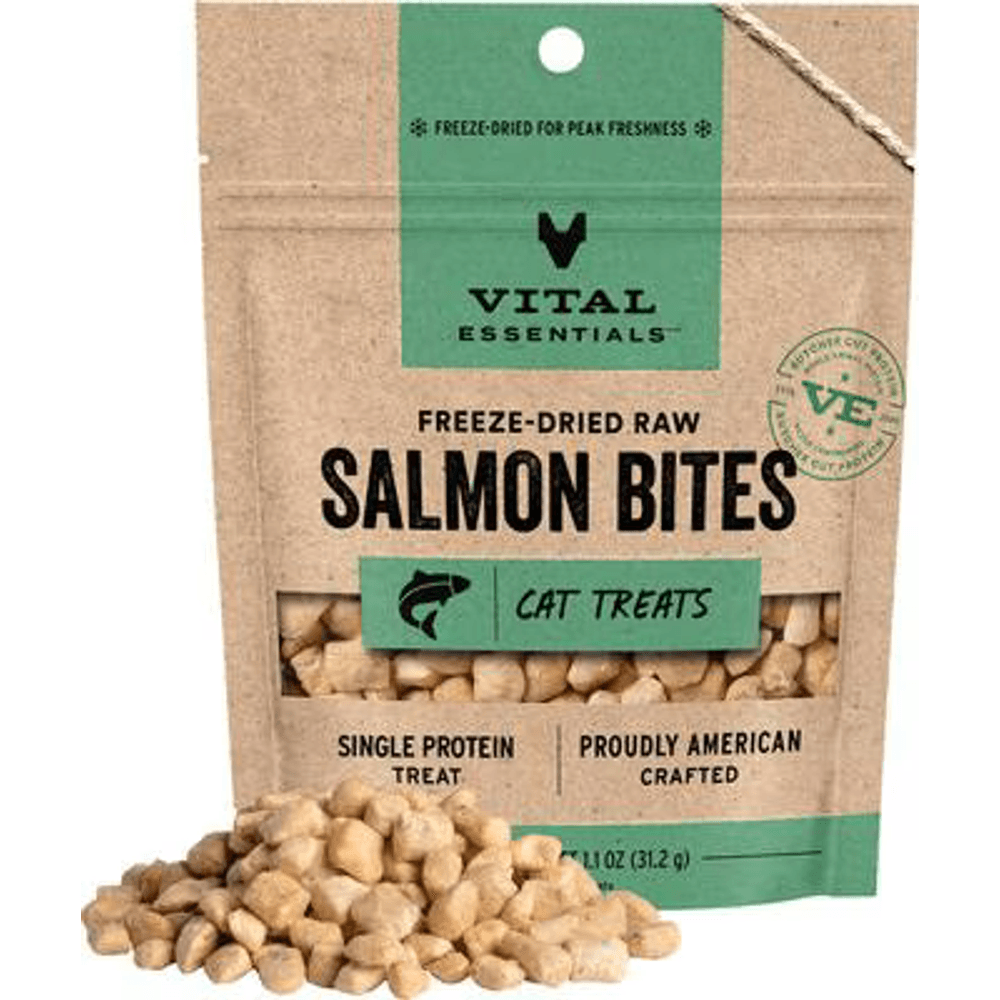
This is an optional cat treat. Review its current label, ingredients, calories, and feeding directions, and count it within the total daily extras.
Webvet may earn a commission when you click through to Chewy, at no extra cost to you.
Keep all extras within the individual calorie allowance and complete diet. Treat choice does not need an invented biological motive. Adding honey to water is not an evidence-based hydration strategy and there is no basis for predicting that it will make every cat refuse to drink. A cat drinking less than normal may have nausea, oral pain, urinary disease, kidney disease, fever, or another problem that honey cannot diagnose. Keep plain fresh water available and discuss a meaningful change in intake with the veterinary team. Wet food, water placement, bowl preference, and a medically appropriate hydration plan may be considered for an individual cat. The goal is to address the reason for reduced intake, not disguise water with an unnecessary sweetener.
Frequently asked questions
What happens if a cat eats a bit of honey?
A small plain exposure is unlikely to poison a healthy cat. Monitor the individual and seek advice for illness or a concerning amount.
Is honey good for sick cats or a cat with a cough?
Honey is not an evidence-based treatment for cough or illness. A sick cat needs diagnosis and veterinarian-selected care.
Can cats drink honey water?
Adding honey to water has no established benefit and does not prove a cat will refuse water. Maintain normal access to fresh water and contact a veterinarian for reduced drinking.
Can kittens have honey?
Veterinary guidance does not establish a kitten-under-one cutoff. Ask the veterinarian about the individual kitten, product, and reason for use.
What is a better treat than honey for my cat?
Choose a treat that fits the cat's calorie and medical plan; do not use meat-only claims to rank every option.

More safe treats
More pantry & other for cats
Sources
- Merck Veterinary Manual: Botulism in Animals
Dogs and cats are comparatively resistant to orally challenged botulinum toxin; no puppy- or kitten-under-one honey cutoff is established.
- Jerzsele et al.: Effect of Xylitol on Blood Glucose and Liver Function in Cats
A small controlled study did not reproduce canine hypoglycemia or liver injury in six healthy cats, leaving broader product safety assessment necessary.
- WSAVA: Feeding Treats to Your Cat
All treats share an individual calorie allowance and should not displace complete feline nutrition.
- Merck Veterinary Manual: Overview of Nutrition in Small Animals
Complete and balanced feeding and patient-specific calorie planning are the nutritional baseline for dogs and cats.
Reviewed by Dr. Athena Gaffud, DVM
General guidance based on credible veterinary sources; not a diagnosis or a substitute for your veterinarian. If your pet ate something toxic or is unwell, contact your vet or a pet poison line right away.