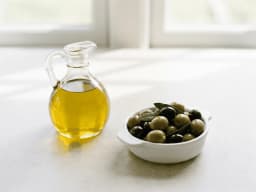
Can dogs eat olive oil?
Safe in moderationPlain olive oil is not a known dog toxin, but it adds about 119 calories per tablespoon and has no established canine dose or routine benefit.


Medically reviewed by Dr. Athena Gaffud, DVM · Last reviewed
Can Dogs Eat Olive Oil?
- 1Plain olive oil is not a known canine toxin.
- 2There is no established universal canine dose or proven routine benefit.
- 3One tablespoon contains about 119 calories and is not a treat target.
- 4Gastrointestinal signs may occur, but they are not guaranteed after every exposure.
- 5Check infused products for actual ingredients such as garlic or onion.
Plain olive oil is not a known canine toxin, but it is calorie-dense fat with no established veterinary dose or proven routine benefit for dogs. Identify the exact form, ingredients, amount, and dog before deciding whether home observation or veterinary advice fits. If the preparation is uncertain, save the package, recipe, or remaining food; a category name alone cannot reveal every ingredient or swallowed object.
The familiar treat ceiling is a maximum for all extras, not a target for added oil. One tablespoon alone is about 119 calories, so a household spoon can consume a meaningful share of a dog's daily energy allowance without proving any health benefit. Planned feeding and accidental exposure are different questions. For planned use, the food must fit the complete diet and calorie allowance. After an accident, identify the product or plant part, estimate the largest plausible amount, note the time, and watch the actual dog rather than assuming a fixed outcome. List each food, ingredient, and swallowed object separately instead of combining them into one estimate. Mixed products need extra review because infusions and flavored oils require a complete ingredient review. During observation, record appetite, drinking, activity, vomiting, stool, coordination, breathing, and comfort with the time each change began. A symptom after olive oil does not by itself identify the cause, but a clear timeline helps the veterinary team judge urgency and possible alternatives.

Can dogs eat olive oil?
No routine canine olive-oil supplement or treatment dose is established, while USDA lists one tablespoon at approximately 119 calories and 14 grams of fat. A one-time taste of plain oil is different from daily supplementation, a large accidental exposure, force-feeding oil, or an infused product containing another ingredient. The conclusion applies to the identified form and does not predict the response to every preparation, amount, or patient. A food can be non-toxic yet remain a poor routine choice because of calories, texture, individual tolerance, or a prescribed diet. A low-risk accidental taste and repeated feeding therefore need separate decisions.
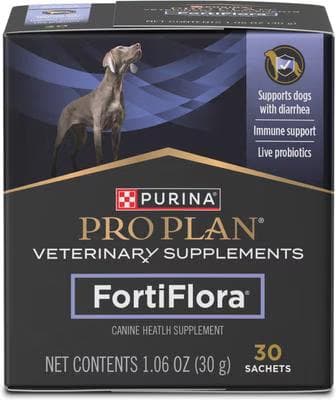
The #1 vet-recommended probiotic for dogs. Daily powder sachets with live probiotics support healthy digestion and firmer stools, and can help dogs coping with diarrhea or GI upset.
Webvet may earn a commission when you click through to Chewy, at no extra cost to you.
A useful safety assessment names the exact item. Fresh food, a sweetened or seasoned product, a peel, pit, plant, powder, concentrate, and discarded packaging can create different questions. Read flavored and infused-oil labels for garlic, onion, and other ingredients. The exact allium concentration and amount matter; the word infused is a prompt to investigate, not a complete toxicology calculation.
More oil may cause vomiting, loose or greasy stool, or appetite change in an individual dog, but those effects are possible rather than universal. No reliable single-serving threshold predicts pancreatitis from olive oil. Use the product details, amount, timing, symptoms, and patient history to decide when veterinary advice is needed.
How product form changes the answer
For olive oil, the higher-concern situation is a large amount, persistent signs, force-feeding, or a hazardous ingredient changes triage. Age, body size, chewing behavior, health history, current diet, and medications can change the practical decision for this dog. A prescription-diet patient or one with ongoing signs needs case-specific advice; have the current food and medication list available when calling.
| Situation | What it means | Owner action |
|---|---|---|
| Plain intended form | Plain oil is calorie-dense fat, not a proven routine treatment | Keep complete food primary and count any calories |
| Mixed or packaged product | Infusions and flavored oils require a complete ingredient review | Read and save the complete label |
| Concerning part or ingredient | A large amount, persistent signs, force-feeding, or a hazardous ingredient changes triage | Obtain case-specific veterinary or poison-service advice |
| Clinical signs | Symptoms change urgency even when the amount is uncertain | Call promptly for persistent or severe signs |
Because infusions and flavored oils require a complete ingredient review, store olive oil, discarded parts, mixed dishes, and packaging securely. Before cleanup, record the brand, ingredients, missing amount, and time.
When a large amount, persistent signs, force-feeding, or a hazardous ingredient changes triage, include the dog's weight, age, diagnoses, medications, normal diet, and current symptoms when requesting veterinary advice.
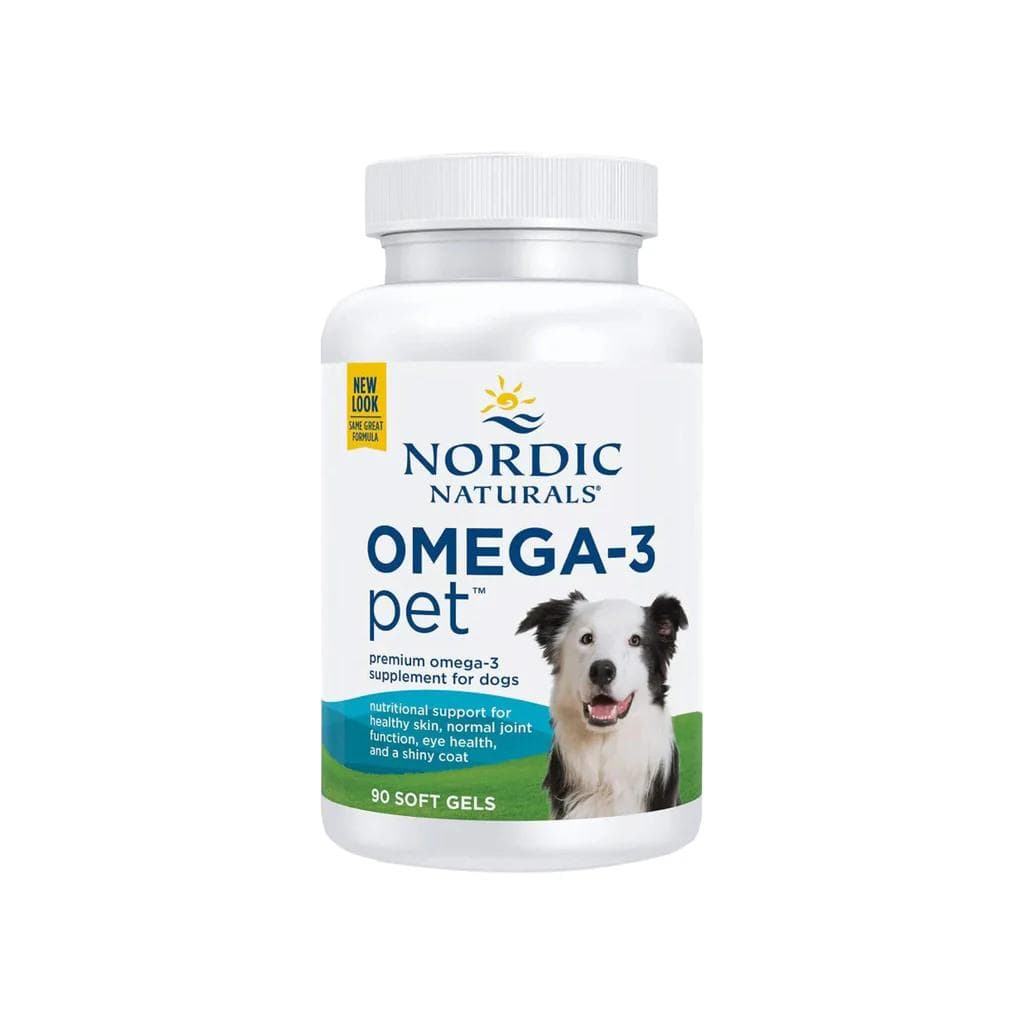
Product effects and directions are product-specific. Ask your veterinarian whether this supplement fits your dog's diagnosis, diet, medications, and treatment plan.
Webvet may earn a commission when you click through to Chewy, at no extra cost to you.
What the narrow safety statement means
The plain-form assessment is that plain oil is calorie-dense fat, not a proven routine treatment. Routine tolerance, calories, texture, gastrointestinal response, and prescription-diet fit still depend on the actual olive oil form and patient.
If the dog develops signs after olive oil, avoid assuming the ingredient proves the diagnosis. Record timing and progression, stop further access, and let the veterinary team consider other foods, underlying disease, medications, and unrelated causes.
Recurrent exposure is a feeding-plan issue even when no emergency occurs. Secure the food, review household habits, and choose a predictable reward that fits the dog's complete diet and medical needs.

Patient factors that can change the plan
When the label is incomplete, contact the manufacturer or a veterinary poison service rather than guessing from flavor, color, or product style. An accurate ingredient list is more useful than a broad claim about olive oil.
Keep separate notes for the food and any object swallowed with it. A wrapper, skewer, pit, packet, or other foreign material can require different follow-up from the edible ingredients.
Accidental exposure versus routine feeding
Do not postpone care solely because an online list calls the item non-toxic. Active choking, severe signs, a hazardous co-ingredient, or a foreign object can matter even when olive oil itself is not an established toxin.
Because infusions and flavored oils require a complete ingredient review, store olive oil, discarded parts, mixed dishes, and packaging securely. Before cleanup, record the brand, ingredients, missing amount, and time. For olive oil, keep the original container or recipe until the exposure question is resolved so names, concentrations, and co-ingredients can be checked accurately.
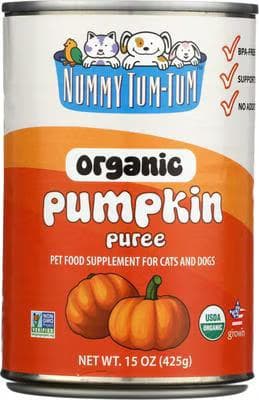
Pumpkin is not a universal treatment for digestive signs. Ask your veterinarian whether added fiber fits this dog, then follow the exact product and amount advised.
Webvet may earn a commission when you click through to Chewy, at no extra cost to you.
Questions the product name cannot answer
When a large amount, persistent signs, force-feeding, or a hazardous ingredient changes triage, include the dog's weight, age, diagnoses, medications, normal diet, and current symptoms when requesting veterinary advice. For olive oil, keep the original container or recipe until the exposure question is resolved so names, concentrations, and co-ingredients can be checked accurately.
The plain-form assessment is that plain oil is calorie-dense fat, not a proven routine treatment. Routine tolerance, calories, texture, gastrointestinal response, and prescription-diet fit still depend on the actual olive oil form and patient. For olive oil, keep the original container or recipe until the exposure question is resolved so names, concentrations, and co-ingredients can be checked accurately.
Choose the food for the individual situation
| Situation | What it means | Owner action |
|---|---|---|
| Plain intended form | Plain-form context: Plain oil is calorie-dense fat, not a proven routine treatment | Keep complete food primary and count any calories |
| Mixed or packaged product | Prepared-product context: Infusions and flavored oils require a complete ingredient review | Read and save the complete label |
| Concerning part or ingredient | Higher-concern context: A large amount, persistent signs, force-feeding, or a hazardous ingredient changes triage | Obtain case-specific veterinary or poison-service advice |
Compare oils by the veterinary indication, evidence, formulation, calories, and patient, not by human wellness claims or labels such as extra virgin. The better choice depends on the reason for feeding it, the complete diet, and the patient's tolerance. Neither food should be promoted as a universal home treatment for gastrointestinal signs.

What to watch for after an exposure
For an accidental exposure, record the product, largest plausible amount, time, and symptoms. A normal dog after a small plain taste can usually be observed while the veterinary team helps interpret larger or uncertain amounts. Do not predict a complication from the food name alone. Record what was eaten, the part or recipe, the estimated amount, the time, and whether the dog is acting normally. If a pit, core, wrapper, skewer, packet, or other object may be missing, report it separately from the edible ingredients because physical and toxicology concerns require different follow-up.
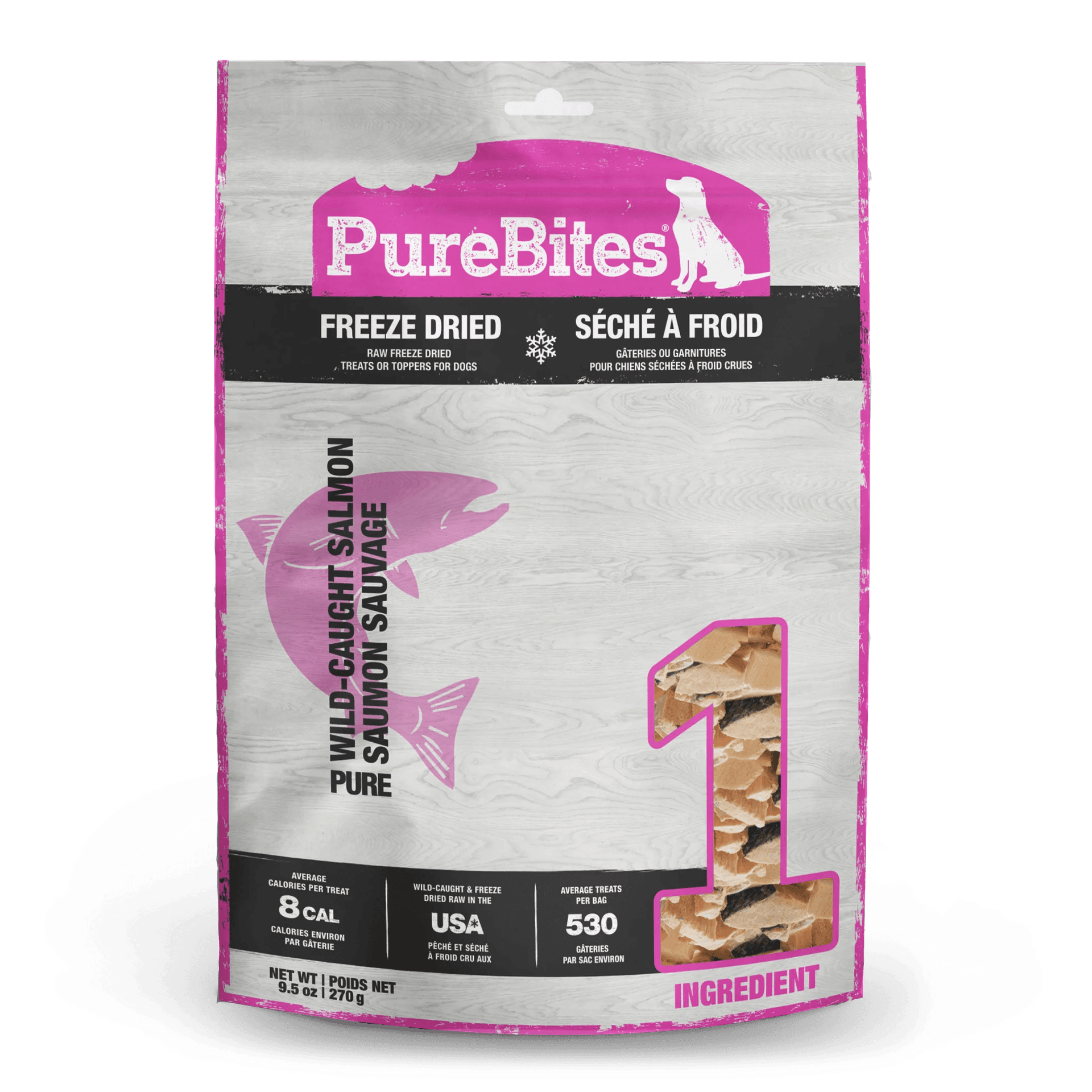
This is an optional dog treat. Review its current label, ingredients, calories, and feeding directions, and count it within the total daily extras.
Webvet may earn a commission when you click through to Chewy, at no extra cost to you.
Keeping mixed foods and packaging in context
If the dog develops signs after olive oil, avoid assuming the ingredient proves the diagnosis. Record timing and progression, stop further access, and let the veterinary team consider other foods, underlying disease, medications, and unrelated causes. For olive oil, keep the original container or recipe until the exposure question is resolved so names, concentrations, and co-ingredients can be checked accurately.
Recurrent exposure is a feeding-plan issue even when no emergency occurs. Secure the food, review household habits, and choose a predictable reward that fits the dog's complete diet and medical needs. For olive oil, keep the original container or recipe until the exposure question is resolved so names, concentrations, and co-ingredients can be checked accurately.
Prevention and case-specific assessment
When the label is incomplete, contact the manufacturer or a veterinary poison service rather than guessing from flavor, color, or product style. An accurate ingredient list is more useful than a broad claim about olive oil. For olive oil, keep the original container or recipe until the exposure question is resolved so names, concentrations, and co-ingredients can be checked accurately.
Keep separate notes for the food and any object swallowed with it. A wrapper, skewer, pit, packet, or other foreign material can require different follow-up from the edible ingredients. For olive oil, keep the original container or recipe until the exposure question is resolved so names, concentrations, and co-ingredients can be checked accurately.
Do not postpone care solely because an online list calls the item non-toxic. Active choking, severe signs, a hazardous co-ingredient, or a foreign object can matter even when olive oil itself is not an established toxin. For olive oil, keep the original container or recipe until the exposure question is resolved so names, concentrations, and co-ingredients can be checked accurately.
Preparation and product checks for olive oil
Do not create a home dose from teaspoons per body weight. If a veterinarian recommends a measured amount for an individual reason, follow that plan and mix it with food rather than improvising from internet charts. Preparation should reduce a specific, plausible concern rather than create a ritual that implies the plain food is medicinal. Match texture and piece size to the individual dog's chewing and swallowing behavior, and supervise any unfamiliar food.
For mixed olive oil, infusions and flavored oils require a complete ingredient review. Butter, oil, sugar, ordinary starch, and salt are nutritional or dose questions, not automatic equivalents of an established toxin.
Commercial or restaurant versions need a current label because infusions and flavored oils require a complete ingredient review. Keep the container when an exposure has already occurred.
Prevention and case-specific assessment: 9
Because infusions and flavored oils require a complete ingredient review, store olive oil, discarded parts, mixed dishes, and packaging securely. Before cleanup, record the brand, ingredients, missing amount, and time. If several household items were involved, list them separately instead of estimating one combined amount; the veterinary team may triage each ingredient and object differently.
When a large amount, persistent signs, force-feeding, or a hazardous ingredient changes triage, include the dog's weight, age, diagnoses, medications, normal diet, and current symptoms when requesting veterinary advice. If several household items were involved, list them separately instead of estimating one combined amount; the veterinary team may triage each ingredient and object differently.
Frequently Asked Questions
Is plain olive oil safe for dogs?
For the identified plain form, plain oil is calorie-dense fat, not a proven routine treatment. Other parts, recipes, and amounts need their own assessment.
What should I check before sharing olive oil?
For a mixed or packaged olive oil product, infusions and flavored oils require a complete ingredient review. Check the current label or recipe rather than relying on the product name.
How much olive oil can dogs have?
No universal serving is established. Fit any planned taste to the individual calorie allowance, complete diet, and medical needs.
What if my dog ate olive oil?
Save the exact olive oil product details, estimate the largest plausible amount and time, and monitor the actual dog.
When should I call a veterinarian?
Seek veterinary advice when a large amount, persistent signs, force-feeding, or a hazardous ingredient changes triage, or when signs are severe, persistent, or worsening.
Is plain olive oil safe for dogs?
For the identified plain form, plain oil is calorie-dense fat, not a proven routine treatment. Other parts, recipes, and amounts need their own assessment. For a different olive oil preparation or exposure, recheck the current product, amount, patient, and symptoms instead of assuming the same answer applies.
More safe treats
More pantry & other for dogs
Sources
- USDA Agricultural Research Service: Nutritive Value of Foods
USDA's household-measure table lists one tablespoon of olive oil at approximately 119 kcal and 14 g fat.
- Merck Veterinary Manual: Overview of Nutrition in Small Animals
Complete and balanced feeding and patient-specific calorie planning are the nutritional baseline for dogs and cats.
- WSAVA: Feeding Treats to Your Dog
Treats share an individual calorie allowance and should not displace complete canine nutrition.
- Merck Veterinary Manual: Pancreatitis in Dogs and Cats
Dietary indiscretion is an associated canine risk factor, whereas feline pancreatitis has a different and less clearly diet-linked context; neither supports a food-piece threshold for diagnosis.
- Merck Veterinary Manual: Garlic and Onion Toxicosis in Animals
Allium risk depends on the actual ingredient, concentration, dose, species, and patient.
Reviewed by Dr. Athena Gaffud, DVM
General guidance based on credible veterinary sources; not a diagnosis or a substitute for your veterinarian. If your pet ate something toxic or is unwell, contact your vet or a pet poison line right away.