
Can dogs eat french fries?
Not recommendedA plain fry is not a toxin, but fries are poor routine treats. Salt, allium, and pancreatitis concerns require dose and clinical assessment.


Medically reviewed by Dr. Athena Gaffud, DVM · Last reviewed
Can Dogs Eat French Fries?
A plain fry is not a recognized canine toxin, but fries are calorie dense and may cause gastrointestinal upset, so they are a poor routine treat. Seasoning varies by product; check the actual label or restaurant ingredients for onion, garlic, and sodium rather than assuming every fry contains them.
- 1A stolen plain fry is not poisonous, but french fries are a poor treat and should not be a habit.
- 2The three real problems are fat, salt, and toxic garlic or onion seasoning.
- 3Fatty dietary indiscretion may be relevant in some pancreatitis cases, but fry count does not predict or diagnose pancreatitis.
- 4Confirmed onion or garlic seasoning can cause dose-dependent allium toxicosis; do not assume it is present without product evidence.
- 5For a real potato treat, offer a small piece of plain cooked potato or sweet potato instead.

Treats should stay under 10% of your dog's daily calories. JustFoodForDogs makes the rest of it.
- Recipes developed by veterinary nutritionists
- Whole-food ingredients you can recognise
- Fresh meals delivered to your door
Webvet may earn a commission when you click through to JustFoodForDogs, at no extra cost to you.
Are French Fries Safe for Dogs?

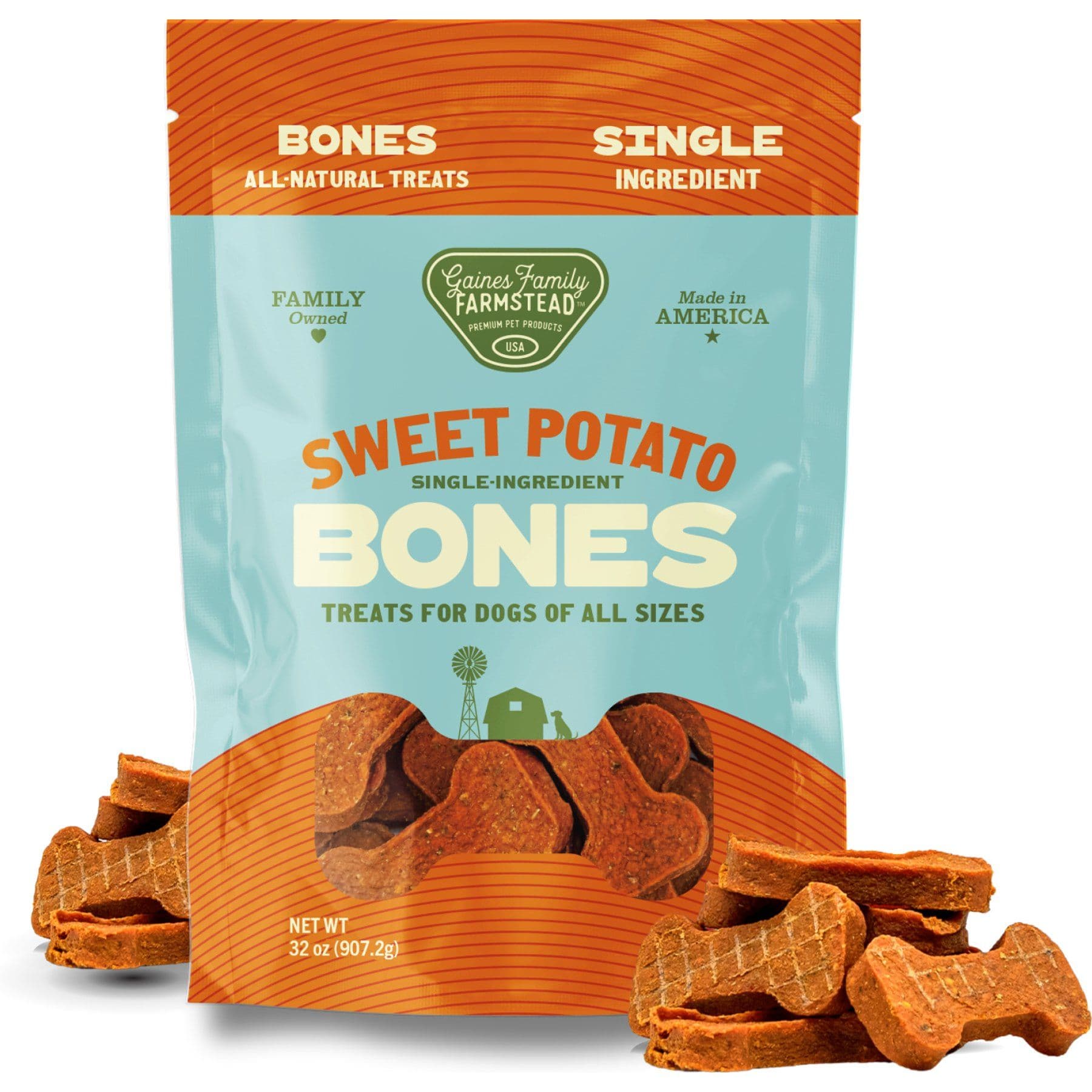
This is an optional dog treat. Review its current label, ingredients, calories, and feeding directions, and count it within the total daily extras.
Webvet may earn a commission when you click through to Chewy, at no extra cost to you.
The plain potato inside a french fry is not toxic to dogs. Cooked potato is actually safe in small, plain servings, which is why one fry sneaking off the table rarely does any harm. The problem is not the potato itself but what happens to it on the way to becoming a fry. Potatoes are cut, submerged in hot oil, salted, and frequently dusted with seasoning blends. By the time a fry reaches your dog, it is a high-fat, high-sodium, sometimes toxic package that shares little in common with a plainly cooked potato.
This is why veterinary sources consistently place french fries in the not-recommended column rather than calling them safe. They are not an emergency food the way grapes or chocolate are, but they are firmly a food to avoid offering on purpose. The distinction matters: if your dog grabs a fry, you can relax and simply watch them. If you are deciding whether to hand fries over as a treat, the answer is a clear no.
Why French Fries Are Bad for Dogs
French fries combine three things dogs handle poorly, and each one is a good enough reason on its own to skip them. Stack them together and fries become a snack with plenty of downside and no real benefit. Understanding each risk helps you judge how worried to be when your dog does get into them.
The first problem is fat. Fries are cooked in oil, so they carry a lot of it, and dogs are not built for rich, greasy food. A sudden hit of fat can cause vomiting and diarrhea. A fatty dietary indiscretion may be one factor considered during a pancreatitis evaluation, but a greasy exposure alone does not establish diagnosis or causation.


This is an optional dog treat. Review its current label, ingredients, calories, and feeding directions, and count it within the total daily extras.
Webvet may earn a commission when you click through to Chewy, at no extra cost to you.
The second problem is salt. Fries are among the saltiest foods most people eat, and dogs need far less sodium than we do. Sodium risk depends on the salt concentration, amount eaten, water access, and dog. Salt toxicosis requires a sufficient dose; fry count or salty taste alone cannot establish it.
The third and most serious problem is seasoning. Seasoning varies across products; verify the ingredient list or restaurant information before claiming onion or garlic exposure. Garlic and onion belong to the allium family, and they are toxic to dogs because they damage red blood cells and can lead to anemia. The danger is dose-dependent, so a lightly seasoned fry is unlikely to poison a large dog, but there is no way to know exactly how much seasoning is on a batch. That uncertainty is one more reason to keep fries off the menu entirely.
How Many French Fries Are Too Many?
French fries are unnecessary, and no daily serving or body-size fry count is established. After an accidental exposure, identify the recipe, amount, time, dog, and signs. Assess confirmed sodium or allium by dose rather than labeling one or two fries a non-event or using breed comparisons as a substitute for calculation.

Fry count cannot diagnose salt toxicosis, pancreatitis, or allium poisoning. Triage from the product ingredients, sodium and allium dose, the dog's history, and current signs; therapeutic diets need individualized advice.
What to Do if Your Dog Ate French Fries
If your dog swiped a plain fry or two, there is no need to panic. Make sure fresh water is available, since the salt will make them thirsty, and keep an eye on them for the next day. Most dogs show no ill effects at all. You do not need to make your dog vomit or rush to the clinic over a small amount of plain fries.
Call your veterinarian if your dog ate a large quantity, if the fries were coated in garlic or onion seasoning, or if you see vomiting, repeated diarrhea, a painful or bloated belly, unusual tiredness, tremors, or pale gums warrants veterinary assessment. Those signs are not diagnostic by themselves; provide the exact product, amount, timing, and dog weight to the veterinarian or poison service.
Better Alternatives to French Fries
The good news is that your dog can enjoy the potato behind the fry without any of the frying, salt, or seasoning. A small piece of plain, cooked potato with no butter, oil, or salt is a safe occasional treat, and baked or steamed sweet potato is even better, offering fiber and vitamins in a form dogs digest well. Serve either one plain and in moderation, and you get all of the potato appeal with none of the downside of a fry.


This is an optional dog treat. Review its current label, ingredients, calories, and feeding directions, and count it within the total daily extras.
Webvet may earn a commission when you click through to Chewy, at no extra cost to you.
If your dog just loves a warm, starchy snack, cut a plain cooked potato or sweet potato into small cubes and use them as training rewards. They feel like a treat to your dog but keep fat and salt out of the picture. As with any new food, introduce a small amount first and make sure treats stay under roughly ten percent of your dog's daily calories so their balanced diet still does the heavy lifting.
Frequently Asked Questions
Can dogs eat McDonald's fries?
It is best not to share them. A single McDonald's fry will not poison a healthy dog, but fast-food fries are cooked in oil and salted, so they are exactly the kind of fatty, salty snack dogs do not need. If your dog snags one, just offer water and watch for stomach upset rather than making a habit of it.
Can dogs eat french fries without salt or seasoning?
Unsalted, unseasoned fries remove the two biggest hazards, but they are still deep-fried and high in fat, so they are not a healthy choice. If you want to give the potato itself, a small piece of plain cooked or baked potato is a much better option than any fry.
Are french fries toxic to dogs?
Plain fries are not toxic in the way chocolate or grapes are, but fries seasoned with garlic or onion do contain toxic ingredients. The fat and salt add their own risks. So while a plain fry is not poisonous, fries as a whole are still a food to avoid.
Can puppies eat french fries?
No. Puppies have small bodies and developing digestive systems, so the fat and salt in fries hit them harder than an adult dog. Stick to a complete puppy diet and vet-approved treats, and save the potato experiments for plain cooked pieces once they are older.
My dog eats a fry every day. Is that a problem?
A daily fry adds calories and is a poor routine treat. Long-term weight effect depends on total intake, and a daily fry has not been shown to cause pancreatitis by itself. Swap the routine for a plain potato or sweet potato cube if your dog expects a starchy reward.

The bottom line is simple. French fries are not a poison, but they are not a treat either. Between the frying oil, the salt, and the garlic or onion seasoning that so often coats them, there is nothing about a fry that benefits your dog and several things that can hurt one. Keep them off the menu, do not panic over the occasional stolen fry, and reach for a plain piece of potato or sweet potato when your dog wants a taste of what you are having.
Safe alternatives
More pantry & other for dogs
Sources
- Merck Veterinary Manual: Salt Toxicosis in Animals
Salt toxicosis requires sufficient exposure and cannot be assigned from a few-versus-large-order table.
- Merck Veterinary Manual: Garlic and Onion Toxicosis
Allium risk depends on confirmed ingredients and dose.
- Merck Veterinary Manual: Pancreatitis in Dogs and Cats
Pancreatitis is multifactorial and is not diagnosed from a fry quantity.
- WSAVA: Feeding Treats to Your Dog
Fries can remain discouraged as a routine calorie-dense treat without being called poison.
Reviewed by Dr. Athena Gaffud, DVM
General guidance based on credible veterinary sources; not a diagnosis or a substitute for your veterinarian. If your pet ate something toxic or is unwell, contact your vet or a pet poison line right away.