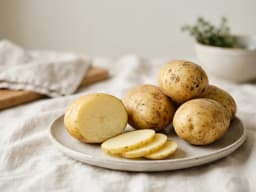
Can dogs eat potatoes?
Safe in moderationGreen or sprouted potatoes and potato plant material pose the clearest glycoalkaloid concern. An ordinary non-green raw bite is not equivalent.


Medically reviewed by Dr. Athena Gaffud, DVM · Last reviewed
Can Dogs Eat Potatoes?
Dogs can encounter potatoes as non-green raw tuber, green or sprouted tuber, peel, cooked potato, fried products, or potato plant material. Those exposures are not equivalent, so identify the form before deciding what to do.
- 1Green or sprouted tubers and potato plant material have the clearest glycoalkaloid concern.
- 2An ordinary non-green raw potato bite is not equivalent to a green tuber, sprout, leaf, or stem.
- 3Peeling and processing can reduce glycoalkaloids, but effects of cooking vary by method.
- 4Butter, oil, milk, and salt are nutritional or tolerance questions, not one toxin category.
- 5There is no evidence-based cube or body-size serving; use the dog's complete calorie and medical plan.

Treats should stay under 10% of your dog's daily calories. JustFoodForDogs makes the rest of it.
- Recipes developed by veterinary nutritionists
- Whole-food ingredients you can recognise
- Fresh meals delivered to your door
Webvet may earn a commission when you click through to JustFoodForDogs, at no extra cost to you.
Which potato exposures concern dogs?
Potato glycoalkaloids such as alpha-solanine and alpha-chaconine can cause gastrointestinal and neurologic illness at sufficient exposure. Concentrations vary across cultivars, storage conditions, greening, sprouting, and different parts of the plant. Greening is a sign that a tuber has been exposed to light, but the green pigment itself is not the toxin and color cannot quantify the dose. Glycoalkaloids may be unevenly distributed, and bitterness can be another warning sign. Because owners cannot measure concentration at home, the practical prevention step is to discard green, heavily sprouted, damaged, or bitter potatoes and keep growing plants and garden waste out of reach.

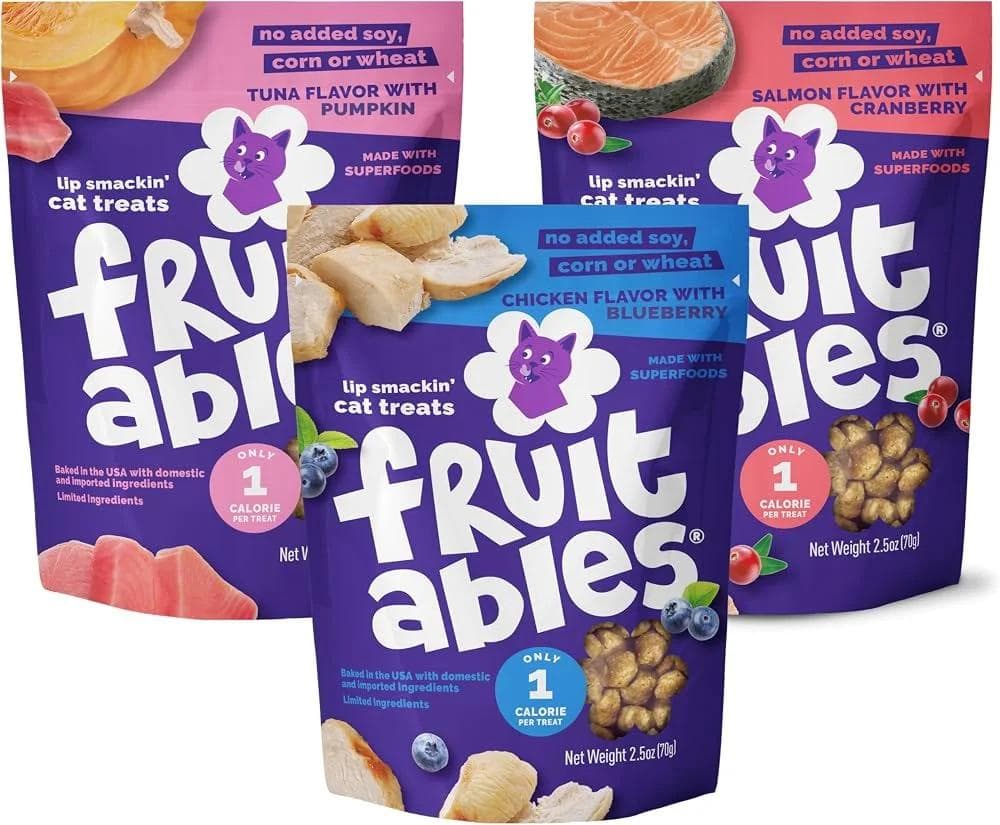
This is an optional dog treat. Review its current label, ingredients, calories, and feeding directions, and count it within the total daily extras.
Webvet may earn a commission when you click through to Chewy, at no extra cost to you.
Green or sprouted tubers, sprouts, leaves, and stems deserve prompt dose-based advice. A bite of ordinary non-green raw potato is not automatically safe, but it is not equivalent to a green or sprouted tuber or to plant material. If the amount is uncertain, describe what remains and whether the dog had access to a single tuber, a bag, a garden bed, or discarded plant material. A photograph of color and sprouts is more useful than calling the exposure raw potato without context.
Why color, sprouting, peeling, and cooking matter
EFSA found that peeling, boiling, and frying can reduce glycoalkaloid exposure, but reported reductions span broad ranges. That does not justify saying cooking destroys most solanine in every potato or method. Inspect the potato rather than classifying it only as raw or cooked. Green skin, sprouts, eyes, bitter taste, damaged tubers, garden leaves, stems, and berries create a different glycoalkaloid concern from an ordinary non-green grocery potato. Photograph the plant or tuber, save a sample, and estimate the greatest amount missing. Cooking and peeling can reduce exposure in some circumstances, but neither makes visibly green or sprouted material a suitable dog food. A dog that dug in a garden may also have reached fertilizer, pesticide, mulch, or another plant, so include the whole scene in the history.
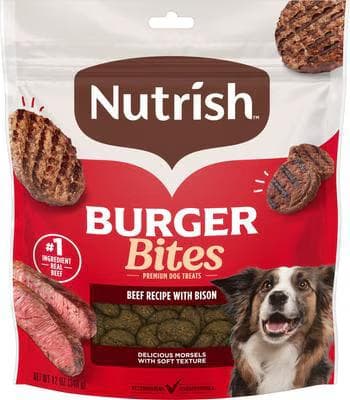
This is an optional dog treat. Review its current label, ingredients, calories, and feeding directions, and count it within the total daily extras.
Webvet may earn a commission when you click through to Chewy, at no extra cost to you.
Avoid visibly green or sprouted potatoes rather than trying to rescue them for a pet. Peeling can reduce exposure, but a universal peeled-only rule is not established for an ordinary non-green potato cooked for human consumption.

Can plain cooked potato be an optional treat?
A small amount of plain, non-green potato cooked for human consumption can fit some dogs. Potato is not required, and the decision should account for calories, the complete diet, individual tolerance, and any veterinary diet restrictions. Potato can also appear in complete commercial diets where its amount, processing, and contribution are part of a formulated recipe. That does not validate a kitchen serving, but it shows why ingredient presence alone cannot answer whether a finished diet is appropriate. Evaluate the whole food and the whole patient.
| Decision factor | How to use it |
|---|---|
| Appearance | Do not offer green, sprouted, damaged, or bitter tubers |
| Plant part | Treat sprouts, leaves, and stems as a distinct concern |
| Preparation | Identify raw, boiled, baked, fried, mashed, or seasoned form |
| Dog and diet | Use the individual calorie plan and prescription-diet rules |
Preparing potato without overpromising safety
Choose a firm non-green, unsprouted potato, wash it, remove damaged areas, and cook it for human consumption. Do not rely on one cooking method to neutralize an unusually green or sprouted tuber. Store potatoes in a cool, dark place and inspect them before cooking. Remove sprouts and visibly damaged areas for human food preparation, but do not prepare a green or heavily sprouted tuber for the dog. Keep peelings, garden trimmings, compost, and discarded plants secured. A dog that digs up a plant may consume much more than a kitchen bite, so describe the scene and plant parts when asking for advice.
Plain boiled, baked, or mashed potato differs from fries, chips, gratin, and seasoned leftovers. Oil, butter, dairy, salt, onion, and garlic must be assessed as separate ingredients and calorie or tolerance issues. Prepared potato dishes require an ingredient-level review. Fries, chips, hash browns, mashed potatoes, gratin, soup, pierogi filling, and leftovers can contain salt, oil, dairy, onion, garlic, chives, bacon, or other additions. Record the recipe or package, the dog's weight and medical conditions, the amount missing, and current signs. Vomiting, diarrhea, drooling, weakness, confusion, tremors, abnormal heart rate, collapse, or persistent gastrointestinal distress warrants prompt advice, especially after green plant material or an unknown quantity. Plain cooked potato used as an occasional extra should still be counted with all other calories and kept separate from any prescription or elimination diet.

Potatoes, starch, diabetes, and weight
Potato contributes digestible starch and calories. That fact does not create a universal ban for every dog with diabetes, obesity, pancreatitis, or another condition; the treating veterinarian should decide whether it fits the full diet. For a dog with diabetes or another condition, one ingredient cannot be judged outside the prescribed meal plan. Carbohydrate amount, fiber, energy density, medications, feeding schedule, body condition, and glucose response may all influence the recommendation. The same principle applies to weight loss and pancreatitis histories: follow the treating veterinarian's diet rather than building broad forbidden-food rules from the word starch.
Fried or richly prepared potato products can be calorie dense, and labels or recipes vary. A taste does not automatically cause pancreatitis or salt poisoning, but a large exposure or concerning clinical signs needs patient-specific assessment.
Are sweet potatoes automatically better?
Sweet potato and white potato are different foods, but nutrient lists do not prove that one is clinically superior as a treat. Compare calories, preparation, total diet, and the dog's medical needs. Store green or sprouted potatoes, garden cuttings, and compost where a scavenging dog cannot reach them, and remove dropped plant material promptly.
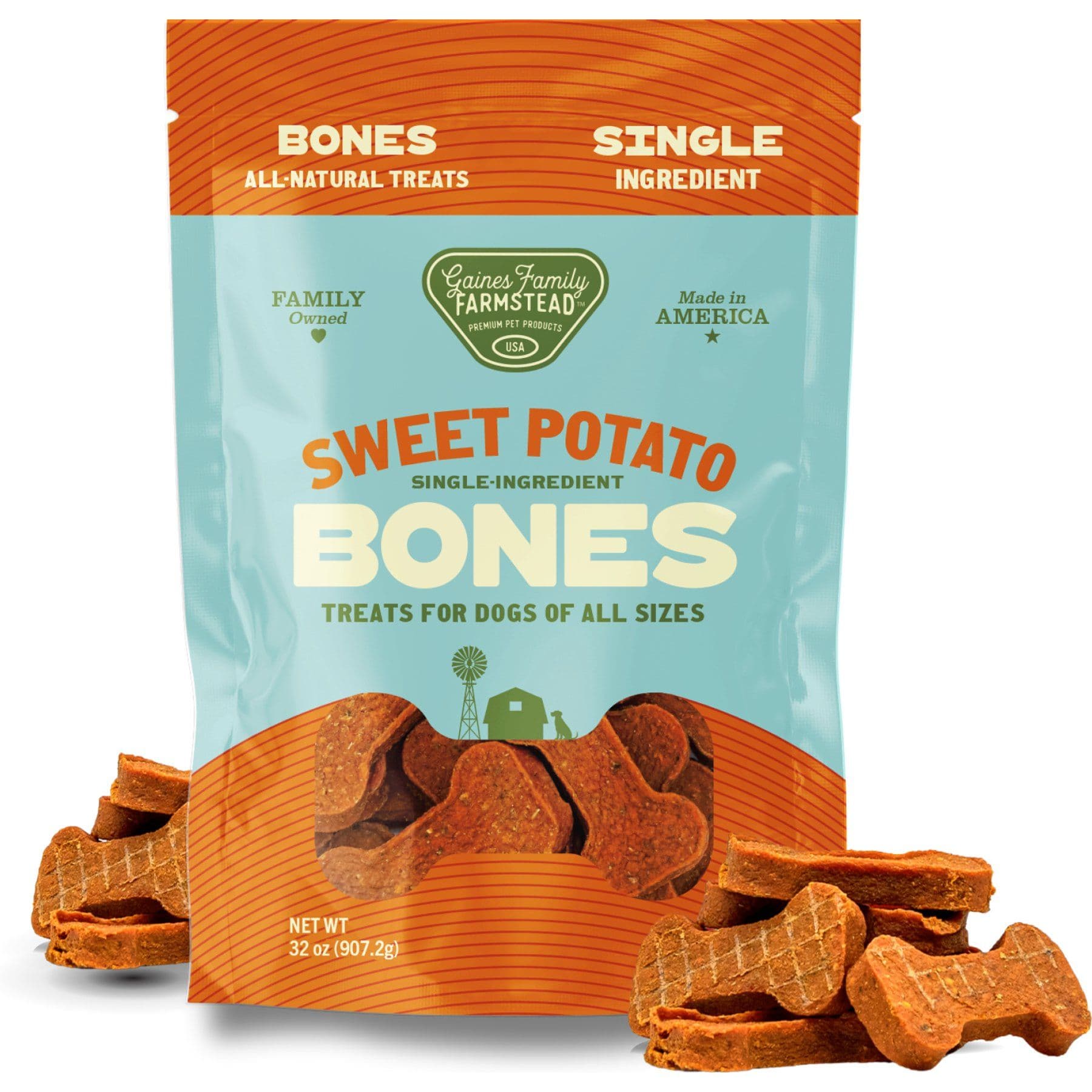
This is an optional dog treat. Review its current label, ingredients, calories, and feeding directions, and count it within the total daily extras.
Webvet may earn a commission when you click through to Chewy, at no extra cost to you.

Frequently asked questions
Can dogs eat cooked potatoes?
Plain cooked non-green potato can be an optional extra for some dogs. It does not require a universal peeled-only rule, but avoid green or sprouted tubers.
Can dogs eat raw potatoes?
An ordinary non-green raw bite is not equivalent to green potato, sprouts, leaves, or stems. Identify the form and amount and watch for signs.
Which is better for dogs, potato or sweet potato?
Potato skin is not uniformly toxic. Greening, sprouting, damage, and total glycoalkaloid exposure matter more than a blanket skin rule.
Can dogs eat mashed potatoes or fries?
Fries and mashed potato vary in calories, fat, dairy, sodium, and seasoning. Check the actual recipe rather than treating the category as a poison.
More safe treats
More vegetables for dogs
Sources
- EFSA: Glycoalkaloids in Potatoes
Potato glycoalkaloid concentration and reduction vary; peeling, boiling, and frying can reduce exposure, while green or sprouted tubers warrant avoidance.
- Merck Veterinary Manual: Range Plants of Temperate North America
Solanum plant leaves, shoots, and green material are relevant glycoalkaloid hazards; that evidence does not make every non-green raw potato bite equivalent.
- AAHA: Nutritional Risk Factors
Noncomplete foods above 10 percent of daily calories can dilute essential nutrients; individual medical and life-stage factors require assessment.
- Merck Veterinary Manual: Garlic and Onion Toxicosis
Allium risk depends on the actual ingredient, concentration, amount, species, and patient rather than a food category alone.
- Merck Veterinary Manual: Salt Toxicosis in Animals
Salt toxicosis is dose-dependent and strongly influenced by fresh-water access; sodium's presence alone does not establish poisoning.
Reviewed by Dr. Athena Gaffud, DVM
General guidance based on credible veterinary sources; not a diagnosis or a substitute for your veterinarian. If your pet ate something toxic or is unwell, contact your vet or a pet poison line right away.