
Can cats eat french fries?
Not recommendedA plain fry is not a toxin, but fries are poor routine treats. Salt and allium risks are dose-dependent; one fry does not diagnose pancreatitis.


Medically reviewed by Dr. Athena Gaffud, DVM · Last reviewed
Can Cats Eat French Fries?
A plain fry is not a recognized feline toxin, but it is calorie dense and a poor routine treat. Potato contributes nutrients, so it is inaccurate to call a fry nutritionally zero. Seasoning varies by product; confirm onion, garlic, and sodium exposure from the actual ingredients and amount rather than assuming every fry is toxic.
- 1A single plain, unsalted fry is not toxic, but french fries are a poor treat for cats.
- 2An unsuitable amount may cause gastrointestinal upset; fry fat alone does not predict or diagnose pancreatitis.
- 3Sodium risk depends on concentration, amount, water access, and the individual cat; small body size is not a dose calculation.
- 4Garlic and onion seasoning is especially toxic to cats and can damage red blood cells.
- 5Choose treats for safety, calorie fit, and individual tolerance rather than claiming one ingredient category is always superior.

Treats should stay under 10% of your cat's daily calories. Smalls makes the rest, built around the meat an obligate carnivore actually needs.
- Human-grade ingredients, protein first
- Built for obligate carnivores
- Fresh meals delivered to your door
Webvet may earn a commission when you click through to Smalls, at no extra cost to you.
Are French Fries Safe for Cats?
A plain fry is not itself a named feline toxin; hazards such as chocolate or onion require ingredient- and dose-specific assessment. Do not guarantee a benign outcome from one fry or a lick. Fries are calorie dense and unnecessary; the exact recipe, amount, patient, and signs determine whether veterinary advice is needed.

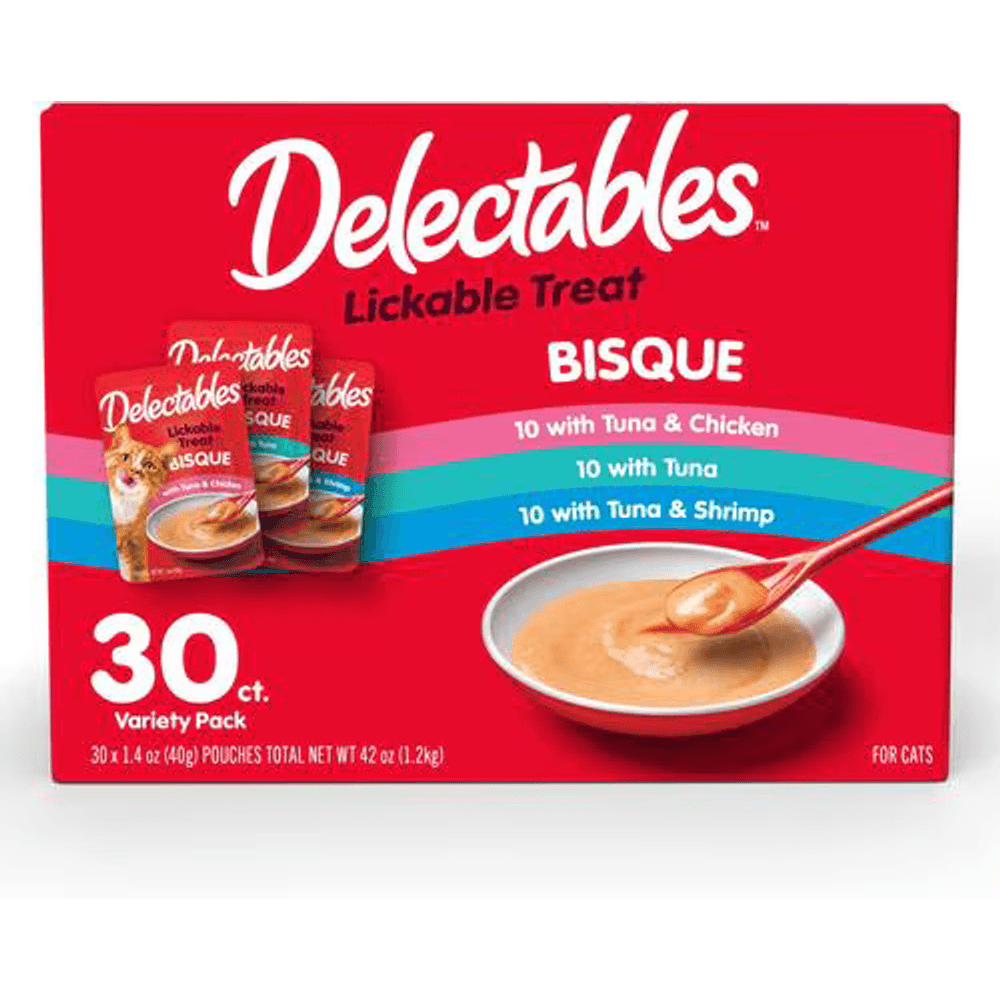
This is an optional cat treat. Review its current label, ingredients, calories, and feeding directions, and count it within the total daily extras.
Webvet may earn a commission when you click through to Chewy, at no extra cost to you.
Fry recipes vary. Oil and salt add calories or sodium, while confirmed onion or garlic requires dose-based toxicology assessment; ketchup and other dips have their own labels. Avoid fries as routine treats, but appearance alone does not reveal the recipe, severity, or outcome.
Why fries are poor routine treats
Cats have species-specific nutrient requirements that a complete feline diet must meet. That does not mean their digestive tract cannot handle starch or that plant-derived nutrients are unusable. A fried potato supplies carbohydrate, fat, calories, and some nutrients but is not complete feline nutrition. Sweet-receptor biology does not prove why an individual cat investigates a fry.
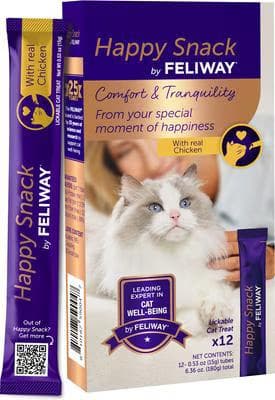
This is an optional cat treat. Review its current label, ingredients, calories, and feeding directions, and count it within the total daily extras.
Webvet may earn a commission when you click through to Chewy, at no extra cost to you.
Fries are calorie dense, unnecessary, and can displace complete nutrition if extras are overused. Body weight or a count of fries does not create a universal safe serving. Excess treat calories can contribute to weight gain; one or a few fries are not established causes of diabetes or joint disease.

The Real Dangers: Fat, Salt, and Seasoning
Fries are calorie dense, and an unsuitable amount may cause gastrointestinal signs such as vomiting or diarrhea in an individual cat. Pancreatitis is multifactorial and cannot be predicted from a single greasy exposure. Sodium risk depends on concentration, amount, water access, and body weight; the presence of salt alone does not establish toxicosis.
The third layer is the one people underestimate: seasoning. If a product actually contains onion or garlic, risk depends on concentration and dose. Alliums can cause oxidative red-cell injury. Risk assessment requires the actual product, concentration, amount, cat's weight, timing, and signs rather than an unquantified sensitivity comparison. Dips can add sodium, calories, or confirmed alliums. Save the label or recipe after an exposure because appearance alone cannot establish which ingredients or doses were present.
What If My Cat Ate a Single Fry?
After a stolen fry, identify the recipe, estimated amount, timing, packaging, and symptoms. Do not guarantee a benign outcome or impose a universal one-day observation window. Contact a veterinarian or poison service for a confirmed concerning allium or sodium dose, repeated vomiting or diarrhea, drooling, weakness, pale gums, breathing changes, or other worsening signs.
Fast-Food and Seasoned Fries to Especially Avoid
Fast-food, curly, seasoned, and loaded fry recipes vary. Check current ingredient and nutrition information before claiming an allium or sodium exposure. Products containing cheese, bacon, sauce, chili, or spice blends need ingredient-specific review. Fries are generally poor routine treats because they are calorie dense and may contain substantial sodium, but the product category alone does not prove poisoning.

Better Treats: Cat-Safe Alternatives
Choose treats by the cat's complete diet, calorie allowance, medical needs, and tolerance. Options may include plain cooked chicken, a little plain cooked egg, or a few flakes of plain cooked fish such as salmon when those foods fit the individual plan. Animal-based extras are not automatically superior for every cat, and therapeutic diets or allergies may exclude them. Verify baby-food and commercial-treat labels, then count all extras within the complete diet.
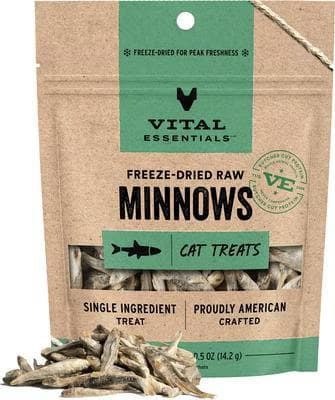
This is an optional cat treat. Review its current label, ingredients, calories, and feeding directions, and count it within the total daily extras.
Webvet may earn a commission when you click through to Chewy, at no extra cost to you.
The Bottom Line
French fries are unnecessary, calorie dense, and often contain sodium or other ingredients that need product-specific review. One nibble, body size, or the label seasoned cannot establish a harmless or emergency outcome. Save the recipe or package and seek veterinary or poison-service advice for a concerning confirmed dose or clinical signs. Keep the complete feline diet primary.
Frequently Asked Questions
Will my cat be OK if she ate a French fry?
A vague one-fry description cannot predict outcome. Identify the recipe, amount, time, cat, and signs; ask a veterinarian or poison service about confirmed allium or sodium exposure or any concerning symptoms.
Can cats eat McDonald's or fast-food fries?
Fast-food fry recipes and sodium content vary. Check the chain's current ingredient and nutrition information, then assess confirmed sodium or allium exposure by dose; avoid fries as routine treats because they are calorie dense.
Can French fries kill a cat?
A plain fry is not a recognized toxin. Assess a larger or seasoned exposure from the actual sodium and allium dose, the cat's weight, water access, and clinical signs. Contact a veterinarian or poison service when that assessment is concerning.
Are seasoned fries worse than plain fries for cats?
Seasoned products may contain confirmed onion or garlic, which can cause oxidative red-cell injury at sufficient doses. Check the actual recipe and amount; appearance and the word seasoned do not establish an allium exposure or its severity.
Can cats eat sweet potato fries instead?
Sweet potato fries have their own recipe, calorie, sodium, and ingredient profile. Plain cooked sweet potato is a separate food, but No evidence-based French-fry serving is established, and white potato, fries, and animal-based treats cannot be ranked without the actual product and patient. When a cat steals fries, save the package or restaurant receipt and record the number that may be missing, whether they were plain or seasoned, the time, and the cat's current appetite, activity, vomiting, stool, breathing, and coordination. Salt, onion or garlic seasoning, cheese sauce, chili, ketchup, bones, skewers, foil, and wrappers require separate assessment; appearance alone cannot reveal them. A greasy or salty food may be a poor routine choice without guaranteeing pancreatitis, dehydration, or another diagnosis from a nibble. Active choking, repeated vomiting, marked weakness, tremors, seizures, collapse, or a confirmed hazardous ingredient warrants prompt care. For prevention, clear dropped fries and takeout packaging promptly and ask household members not to share them. A measured part of complete feline food is easier to use for training because its calories and ingredients are already part of the diet plan..

Safe alternatives
More pantry & other for cats
Sources
- Merck Veterinary Manual: Salt Toxicosis in Animals
Salt toxicosis requires a sufficient mg/kg exposure and cannot be inferred from small body size or salty taste.
- Merck Veterinary Manual: Garlic and Onion Toxicosis
Allium red-cell injury is dose-dependent and requires confirmed ingredient exposure.
- Merck Veterinary Manual: Pancreatitis in Dogs and Cats
Pancreatitis is multifactorial and cannot be predicted from a single fry.
- WSAVA: Feeding Treats to Your Cat
Fries can be discouraged as a routine calorie-dense treat without being treated as poison.
- Merck Veterinary Manual: Overview of Nutrition in Small Animals
Cats have species-specific nutrient requirements, but obligate carnivory does not make all starch or plant-derived nutrients unusable.
Reviewed by Dr. Athena Gaffud, DVM
General guidance based on credible veterinary sources; not a diagnosis or a substitute for your veterinarian. If your pet ate something toxic or is unwell, contact your vet or a pet poison line right away.