
Can cats eat cheese?
Not recommendedPlain cheese is not automatically poisonous to cats, but many cats poorly tolerate dairy and every product adds concentrated calories.


Medically reviewed by Dr. Athena Gaffud, DVM · Last reviewed
Can Cats Eat Cheese?
Plain cheese is not automatically poisonous to an adult cat, but it is unnecessary, calorie-dense, and often a poor routine treat. WSAVA notes that many cats are lactose intolerant and advises avoiding dairy treats. Individual tolerance still varies, and a brief digestive sign does not identify the mechanism without veterinary assessment.
A small taste of plain cheese may cause no signs in one cat and vomiting, gas, or diarrhea in another. Cheese type matters: fresh, aged, smoked, mold-ripened, spreadable, and flavored products differ in fat, sodium, lactose, and added ingredients. Keep the label for garlic, onion, herbs, or sweeteners, and count cheese used to hide medication with every other extra. That variability supports caution, not a claim that every adult cat will become ill. Assess the exact product, amount, cat, diet, and symptoms rather than applying a universal bite-size threshold. For mixed products containing cheese, keep the package and report every ingredient, amount, time, cat's weight, history, and signs.
- 1Assess cheese by its exact form, amount, added ingredients, and the individual cat.
- 2A treat portion of cheese must fit the complete diet and the cat's remaining calorie allowance.
- 3Prepare cheese plainly and choose a size and texture suited to how this cat eats.
- 4Rich foods may cause gastrointestinal upset, and pancreatitis is a complex feline disease without a cheese-specific dose-response. Do not tell owners that one fatty bite predicts pancreatitis. Persistent vomiting, appetite loss, pain, hiding, or lethargy requires veterinary assessment because those signs have many possible causes.
- 5Contact a veterinarian for persistent vomiting or diarrhea, marked lethargy, abdominal discomfort, breathing or swallowing difficulty, neurologic signs, a large exposure, or a product containing a concerning ingredient. Keep the label and report the cat's weight, timing, amount, health history, and current behavior.


Treats should stay under 10% of your cat's daily calories. Smalls makes the rest, built around the meat an obligate carnivore actually needs.
- Human-grade ingredients, protein first
- Built for obligate carnivores
- Fresh meals delivered to your door
Webvet may earn a commission when you click through to Smalls, at no extra cost to you.
Nutritional Context for Cheese
Cheese contains animal protein, fat, minerals, and calories. It is therefore inaccurate to describe the food as nutritionally empty, but its nutrients are not needed as an extra when a cat eats a complete diet. The concern is calorie displacement and individual tolerance; dairy does not cause the same response in every cat. This food adds optional calories and nutrients, but the complete cat food remains responsible for meeting dietary requirements. Related guidance: diarrhea; vomiting.
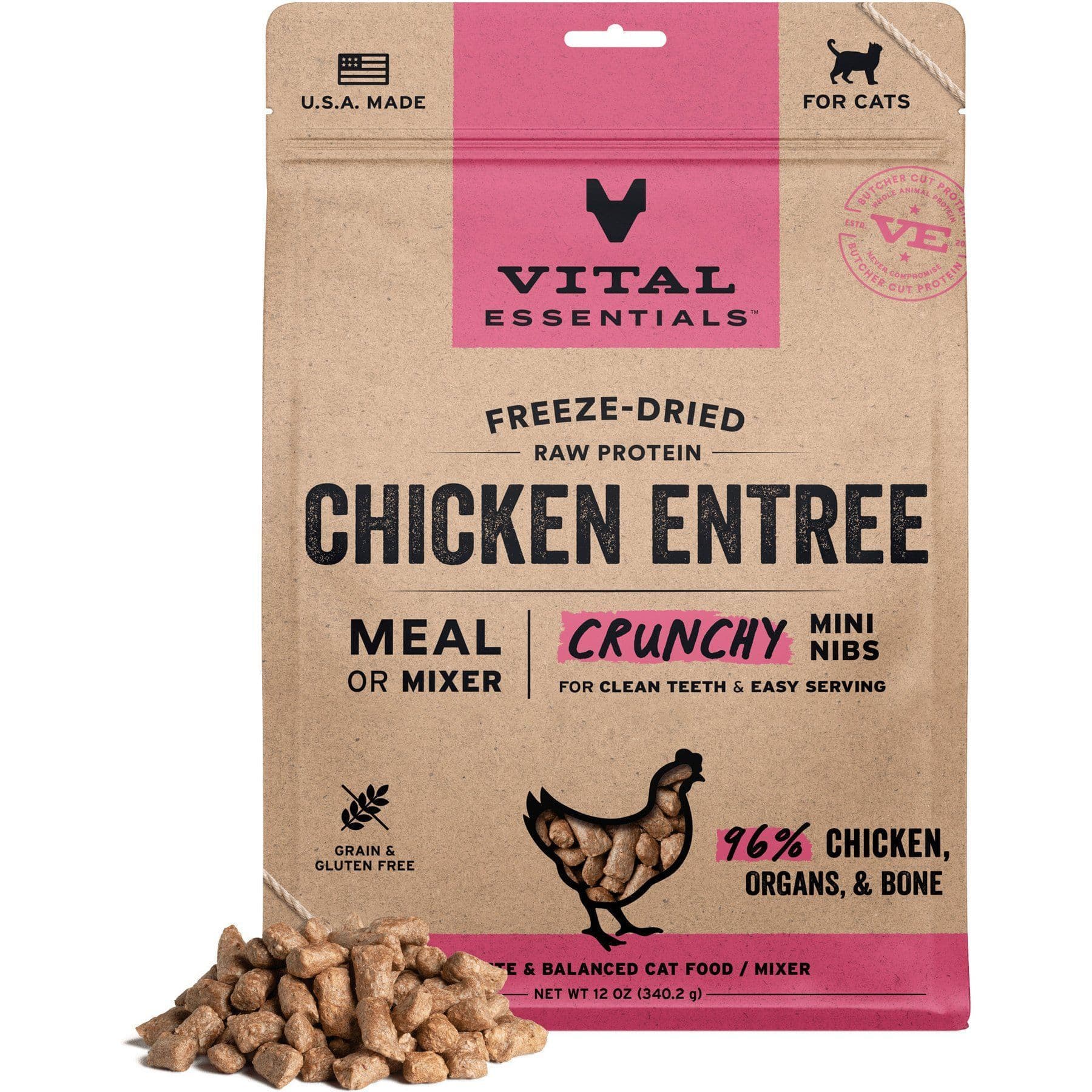
This is an optional cat treat. Review its current label, ingredients, calories, and feeding directions, and count it within the total daily extras.
Webvet may earn a commission when you click through to Chewy, at no extra cost to you.
There is no evidence-based cheese cube or spoon allowance for cats. If the veterinary team approves the specific product, count its calories with all other extras and protect the complete diet. A cat's body weight alone does not account for body condition, activity, illness, or the energy density of the main food.
Why a Cat May Show Interest in Cheese
Use the calories in cheese and the individual cat's remaining treat allowance; body weight alone is not a serving chart. Check the label for calories, fat, sodium, sweeteners, herbs, and seasoning, then offer only a plain product if it fits the plan. Refrigerate and handle it properly. Avoid assuming reduced-fat, cottage, goat, or hard cheese is suitable from the name alone because brands and formulations differ.

The one place a little cheese can help: hiding pills
A soft smear used to give medication can be licked incompletely, while a firm piece may be swallowed whole. The right texture depends on the cat and purpose. Confirm the full amount was eaten when medication is involved and do not re-dose without prescriber guidance. Related guidance: cream cheese.
Rich foods may cause gastrointestinal upset, and pancreatitis is a complex feline disease without a cheese-specific dose-response. Do not tell owners that one fatty bite predicts pancreatitis. Persistent vomiting, appetite loss, pain, hiding, or lethargy requires veterinary assessment because those signs have many possible causes. Onion and garlic in cheese spreads or sauces are distinct toxicology concerns. Salt toxicity is dose-dependent and influenced by water access; ordinary sodium or fat in a tiny taste is not equivalent to Allium poisoning. Use the complete ingredient list and amount instead of labeling every prepared cheese bite toxic. Related guidance: plain cooked chicken.
What about mozzarella, cheddar, and cheesy human foods?
Cats with a veterinary therapeutic diet, food trial, obesity, diabetes, kidney disease, heart disease, or gastrointestinal illness should follow the treating team's plan. Those conditions do not create a single cheese rule, but they make unplanned calories, sodium, fat, or ingredients more likely to conflict with treatment.
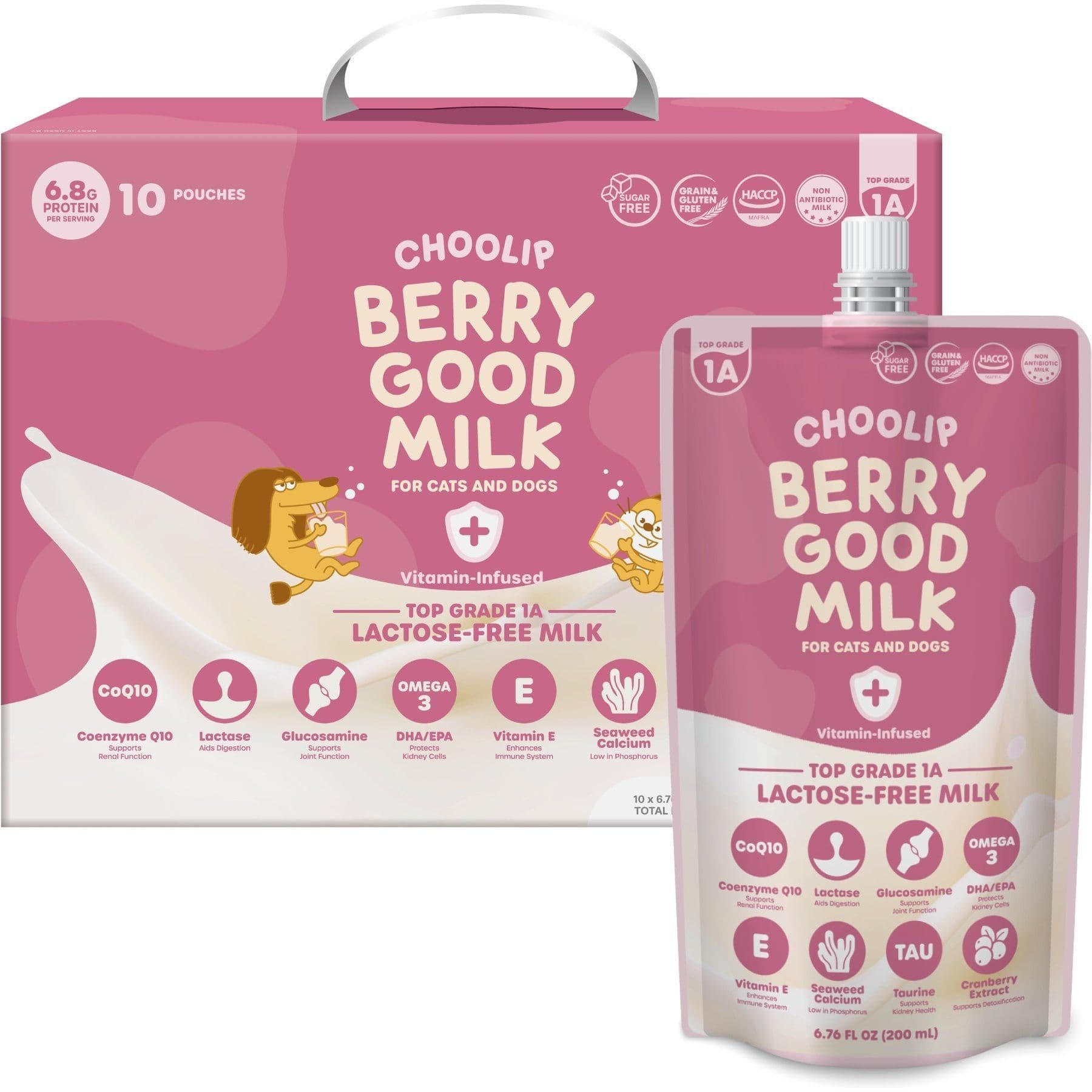
This is an optional cat milk treat. Review its current label, calories, serving directions, and the individual pet's tolerance before use.
Webvet may earn a commission when you click through to Chewy, at no extra cost to you.
| Decision point | Evidence-based guidance |
|---|---|
| Plain food | Assess plain cheese by form, amount, tolerance, and the individual cat. |
| Portion | Use the individual calorie allowance, not a fixed piece or spoon table |
| Preparation | Serve it plain and choose a manageable size and texture. |
| Mixed product | Read every ingredient and keep the package or recipe for advice. |
| Medical diet | Ask the treating team before adding it to a therapeutic diet. |
After an Unplanned Exposure

Contact a veterinarian for persistent vomiting or diarrhea, marked lethargy, abdominal discomfort, breathing or swallowing difficulty, neurologic signs, a large exposure, or a product containing a concerning ingredient. Keep the label and report the cat's weight, timing, amount, health history, and current behavior. Cheese can serve as a pill aid only if the prescriber confirms that the medication may be given with that dairy product and food. Some medicines require an empty stomach, have food interactions, or should not be crushed. The cat must consume the complete medicated portion before the dose is considered delivered.
If this food does not fit the plan, choose another veterinarian-approved treat and count it within the same calorie allowance. Related guidance: garlic.
Choosing Other Treats
For cats, cheese is an optional food rather than a nutritional need. Many cats are lactose intolerant, but plain cheese is not automatically a poison. Check the exact label, calculate any portion from the individual calorie plan, follow medication instructions, and use symptom- and dose-aware advice. The practical decision is individualized: confirm the exact food, use a manageable texture, keep extras within the calorie plan, and watch the actual cat rather than a fixed schedule. Contact a veterinarian for persistent vomiting or diarrhea, marked lethargy, pain, breathing or swallowing trouble, inability to pass stool or urine, neurologic signs, or any ingredient-specific toxicology concern. Related guidance: plain cooked chicken; plain cooked egg.
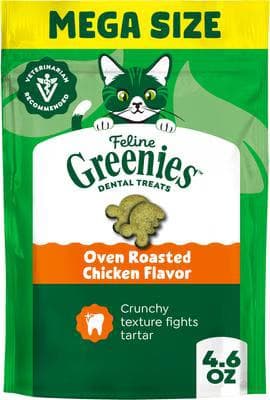
This is a dental cat treat. Follow the current label and ask your veterinarian how it fits alongside tooth brushing and professional dental care.
Webvet may earn a commission when you click through to Chewy, at no extra cost to you.
Frequently Asked Questions
Is plain cheese poisonous to cats?
Plain cheese is not automatically poisonous, but many cats are lactose intolerant and dairy may cause gastrointestinal upset.
Are all cats lactose intolerant?
No universal statement fits every cat. Tolerance varies, and a veterinarian should assess persistent digestive signs rather than diagnosing from one taste.
Can cheese hide a cat's medication?
Only if the prescriber confirms that the medicine can be given with dairy or food and the cat consumes the complete dose.
Does one salty or fatty bite cause poisoning?
No. Salt and fat effects are dose- and patient-dependent. Onion or garlic in a product is a separate toxicology concern.
When should I call a veterinarian?
Call for persistent gastrointestinal signs, pain, marked lethargy, swallowing trouble, neurologic signs, a substantial amount, or a hazardous co-ingredient.

Safe alternatives
More dairy & eggs for cats
Sources
- WSAVA: Feeding Treats to Your Cat
Supports keeping cat treats within about 10% of daily calories without imposing universal piece, spoon, or frequency tables.
- ASPCA: People Foods to Avoid Feeding Your Pets
Supports checking flavored or mixed cheese products for separate ingredients that may be hazardous to cats.
- Merck Veterinary Manual: Overview of Nutrition in Small Animals
Supports complete and balanced feeding and patient-specific nutrition; it does not establish clinical benefit from a treat portion.
- Merck Veterinary Manual: Garlic and Onion Toxicosis in Animals
Supports dose-dependent oxidative red-cell injury from Allium ingredients and separates that toxicology from ordinary fats, salt, or dairy ingredients.
- Merck Veterinary Manual: Salt Toxicosis in Animals
Supports dose- and hydration-dependent salt toxicosis rather than treating one salted bite as a defined toxic dose.
- Merck Veterinary Manual: Pancreatitis in Dogs and Cats
Supports dietary indiscretion as a canine risk factor while not establishing a food-specific dose or predictable outcome from one exposure.
Reviewed by Dr. Athena Gaffud, DVM
General guidance based on credible veterinary sources; not a diagnosis or a substitute for your veterinarian. If your pet ate something toxic or is unwell, contact your vet or a pet poison line right away.