
Can cats eat cream cheese?
Safe in moderationA small lick of plain cream cheese is usually low risk. It is unnecessary dairy; check allium ingredients and medication food restrictions.


Medically reviewed by Dr. Athena Gaffud, DVM · Last reviewed
Can Cats Eat Cream Cheese?
A lick of plain cream cheese is not expected to poison most cats. It contains animal-derived fat, protein, and micronutrients, but it is unnecessary, calorie dense, and may cause gastrointestinal upset in a cat that tolerates dairy poorly. Do not use it for medication unless the prescriber or drug label confirms that the medicine may be given with food and dairy.
- 1Plain cream cheese is not a recognized feline toxin, but it is unnecessary and calorie dense.
- 2Most adult cats are lactose intolerant, so dairy often causes gas or loose stool.
- 3There is no evidence-based fingertip serving; any optional taste must fit the individual cat's calorie allowance.
- 4Check flavored-product labels for onion, garlic, or chive; the risk depends on the ingredient and amount eaten.
- 5Use it as a pill vehicle only after confirming that the medication may be given with food and dairy.

Treats should stay under 10% of your cat's daily calories. Smalls makes the rest, built around the meat an obligate carnivore actually needs.
- Human-grade ingredients, protein first
- Built for obligate carnivores
- Fresh meals delivered to your door
Webvet may earn a commission when you click through to Smalls, at no extra cost to you.
Is Cream Cheese Safe for Cats?
Plain cream cheese is not a recognized feline toxin, so a small accidental lick is usually a monitoring situation rather than a poisoning emergency. It is still an unnecessary, calorie-dense dairy food, and individual tolerance varies. A cat that develops vomiting, diarrhea, or loss of appetite after eating it should be assessed according to the severity and duration of signs.

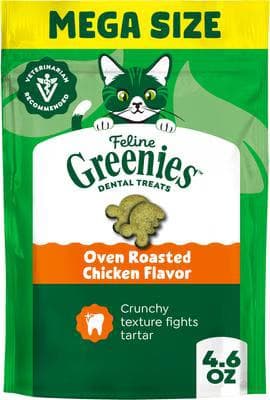
This is a dental cat treat. Follow the current label and ask your veterinarian how it fits alongside tooth brushing and professional dental care.
Webvet may earn a commission when you click through to Chewy, at no extra cost to you.
There is one hard line worth drawing before anything else. The cream cheese has to be completely plain. Many flavored tubs are made with garlic, onion, or chive. These alliums can cause oxidative red-cell injury at sufficient doses, but a flavor name and the cat's small size do not establish a toxic dose. Avoid intentionally offering allium-containing products and seek dose-based veterinary or poison-service guidance when the ingredient or amount is concerning.
Why Cats Do Not Need Dairy
Cream cheese contains animal-derived fat, protein, calcium, and vitamin A, so it is inaccurate to call it nutritionally empty or unusable. Those nutrients do not make it necessary: a complete and balanced cat food already supplies the required nutrient profile without relying on a calorie-dense dairy extra.
The bigger issue is lactose. Kittens produce plenty of lactase, the enzyme that breaks down the sugar in milk, because they live on their mother's milk. Once a cat is weaned, lactase production usually drops sharply, and most adult cats become at least partly lactose intolerant. When a lactose intolerant cat eats a soft, high-lactose cheese like cream cheese, the undigested sugar ferments in the gut and pulls water into the intestine. The result is often gas, bloating, cramping, and loose stool within a day. Cream cheese carries more lactose than many aged, harder cheeses, which is exactly why it tends to bother cats more than a tiny crumb of a firm cheese would.
How Much Cream Cheese Can a Cat Have?

There is no evidence-based fingertip serving. If an optional taste is appropriate, count its calories within the individual cat's treat allowance and keep the complete and balanced diet primary. Stop offering dairy if gastrointestinal signs follow, and ask the veterinarian before adding it to a prescription diet.
Risks of Feeding Cats Cream Cheese
The most common problem is digestive upset from lactose. In a lactose intolerant cat, even a small serving can trigger gas, an unhappy belly, and diarrhea a few hours later. Cream cheese is also very high in fat and calories for such a small animal. Its calories can contribute to weight gain when they exceed the cat's needs; pancreatitis is multifactorial and cannot be predicted from a cream-cheese serving pattern. Extra calories from human food are one of the easiest ways for an indoor cat to slide into obesity, which brings its own long list of health problems.
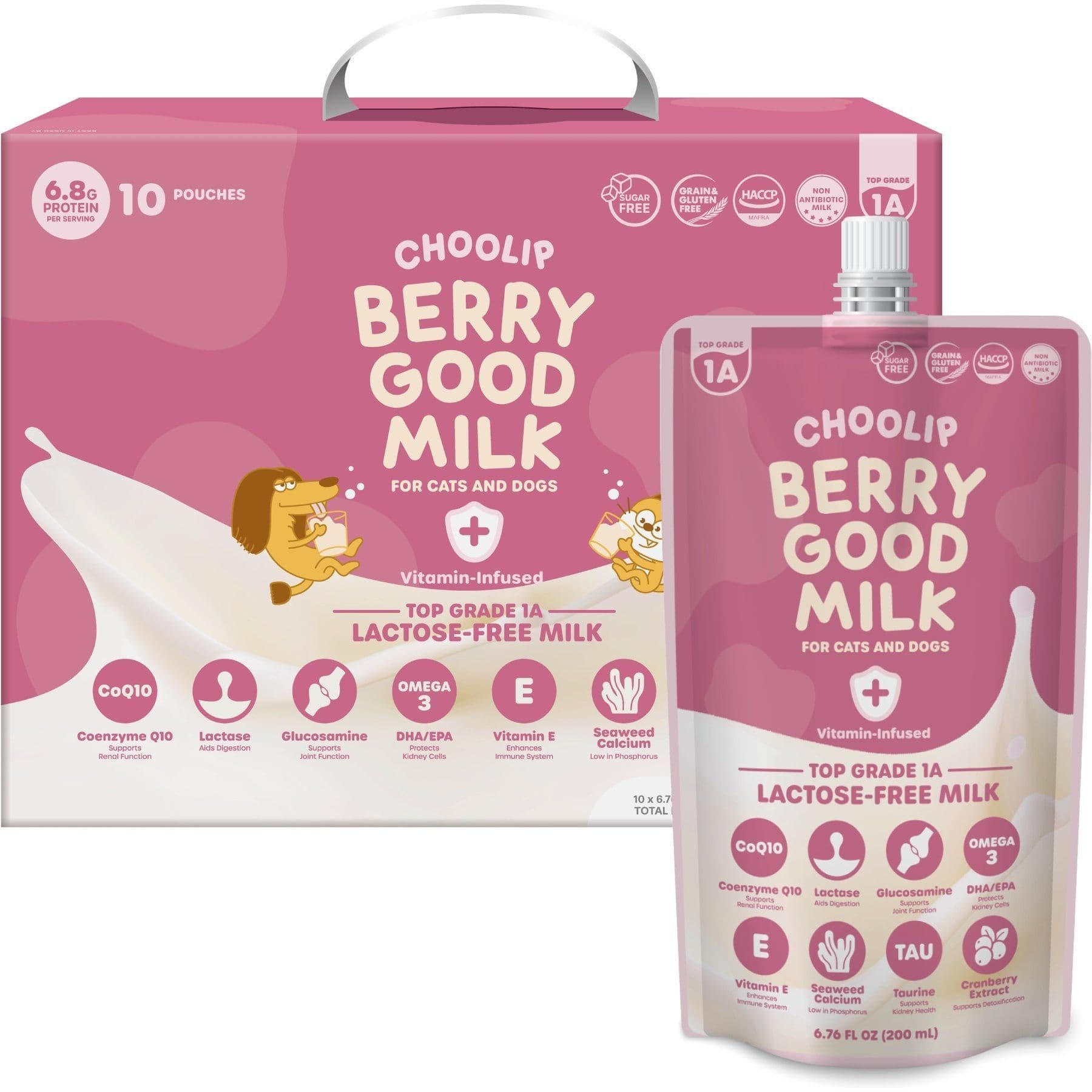
This is an optional cat milk treat. Review its current label, calories, serving directions, and the individual pet's tolerance before use.
Webvet may earn a commission when you click through to Chewy, at no extra cost to you.
The most serious risk, though, is the flavored versions. A garlic and herb or onion and chive tub is not just empty calories, it contains ingredients that are genuinely toxic to cats. Allium risk depends on the ingredient, concentration, amount eaten, and the individual cat; body size alone is not a dose assessment. There is also a subtler risk worth naming. Cats can become fixated on a rich human food and start begging for it or refusing their balanced meals, so even a harmless plain smear can create a habit that works against good nutrition.

What About Flavored, Whipped, and Related Dairy?
Plain Philadelphia-style cream cheese follows the same rules as any other plain cream cheese: a tiny occasional lick is unlikely to hurt, but it is still dairy your cat does not need. Sweetened flavors add calories without making cream cheese necessary; evaluate the actual ingredient label rather than calling sweetness toxic. Sour cream shares the same lactose and fat concerns as cream cheese and belongs in the same rare-taste category. If you are looking for a dairy your cat may tolerate slightly better, plain cottage cheese is generally lower in lactose than cream cheese, but it is still an occasional novelty and not a food any cat requires. A bit of bread with cream cheese adds empty carbohydrate on top of the dairy, so it is best skipped entirely.
Safe Treat Alternatives for Cats
Because cats are meat eaters, the best treats are protein, not dairy. A little plain cooked chicken, with no salt, butter, or seasoning, is a treat most cats love and their bodies actually recognize as food. A small amount of cooked egg is another safe, protein-rich option, and plain cooked fish in tiny portions makes a satisfying occasional treat. A lick of plain meat-only baby food with no onion or garlic works well too, as does a proper cat treat made for feline nutrition. Any of these gives your cat the flavor reward it is chasing without the lactose and fat load of cream cheese.
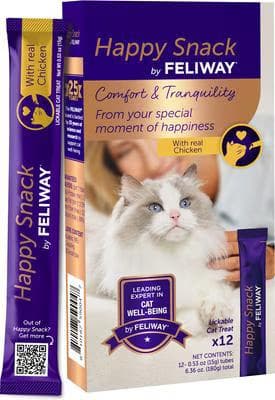
This is an optional cat treat. Review its current label, ingredients, calories, and feeding directions, and count it within the total daily extras.
Webvet may earn a commission when you click through to Chewy, at no extra cost to you.
What to Do If Your Cat Ate Cream Cheese
If your cat licked up a small amount of plain cream cheese, there is usually no need to panic. Offer fresh water and watch for the next day or so for signs of stomach upset such as gas, vomiting, or diarrhea, which typically pass on their own. Hold off on any more dairy while you see how the stomach settles. The situation is different if your cat ate a garlic or onion flavored variety, or got into a large amount of any kind. In that case, call your vet, the Pet Poison Helpline at 855-764-7661, or the ASPCA Animal Poison Control Center at 888-426-4435 for guidance. Also reach out to your vet if the digestive upset is severe, lasts more than a day, or your cat seems lethargic, since a small body can become dehydrated quickly.
Frequently Asked Questions
My cat ate cream cheese, what should I do?
If it was a small amount of plain cream cheese, offer water and watch for mild gas or loose stool over the next day, which usually resolves on its own. Skip further dairy while the stomach settles. If it was a garlic or onion flavored kind, or a large amount, call your vet or the Pet Poison Helpline at 855-764-7661.
Can cats eat Philadelphia cream cheese?
Plain Philadelphia-style cream cheese is treated like any other plain cream cheese. A tiny occasional lick is unlikely to hurt a cat that tolerates dairy, but it offers no nutrition and many cats will get an upset stomach. Only ever use plain, never the garlic, herb, or sweet flavored tubs.
Why does my cat love cream cheese so much?
Cats are drawn to the fat and creamy texture, not the milk sugar, since cats cannot taste sweetness at all. The rich mouthfeel is appealing, but a strong craving is not a sign your cat needs the food. It is easy for that craving to turn into begging, so it is best kept to a rare taste.
Is cream cheese a good way to give my cat a pill?
Before using cream cheese around a pill, confirm with the prescriber or drug label that the medication may be given with food and dairy. Use only the smallest permitted amount, verify that the full dose was swallowed, and ask the veterinary team about alternatives if needed.
Can kittens eat cream cheese?
It is best to avoid it. Kittens have very specific nutritional needs met by kitten food or mother's milk, and their small size makes the fat and lactose in cream cheese more likely to cause diarrhea. There is no benefit to offering it, so save any treats for a properly formulated kitten diet.

More safe treats
More dairy & eggs for cats
Sources
- WSAVA: Feeding Treats to Your Cat
Treats must fit the cat's calorie allowance and should not replace a complete and balanced diet.
- Merck Veterinary Manual: Garlic and Onion Toxicosis
Allium toxicosis is dose-dependent; body size alone is not an exposure assessment.
- FDA: Medications for Your Pet, Questions for Your Vet
Medication food instructions vary and should come from the label or prescriber.
- Merck Veterinary Manual: Overview of Nutrition in Small Animals
Cats require complete and balanced feline diets; obligate carnivory does not mean every non-meat nutrient is unusable.
- Merck Veterinary Manual: Pancreatitis in Dogs and Cats
Feline pancreatitis has variable clinical features and requires patient-specific assessment; a cream-cheese amount is not a diagnostic threshold.
Reviewed by Dr. Athena Gaffud, DVM
General guidance based on credible veterinary sources; not a diagnosis or a substitute for your veterinarian. If your pet ate something toxic or is unwell, contact your vet or a pet poison line right away.