
Can dogs eat cream cheese?
Safe in moderationPlain cream cheese is not a toxin, but calories and dairy tolerance matter. Check labels for alliums and medication food restrictions.


Medically reviewed by Dr. Athena Gaffud, DVM · Last reviewed
Can Dogs Eat Cream Cheese?
Plain cream cheese is not a recognized toxin for dogs, but it is calorie dense and individual dairy tolerance varies. If a veterinarian or drug label permits giving a medication with food, use only the smallest amount needed; otherwise do not use cream cheese as a pill vehicle. Check flavored products for onion, garlic, or chive and assess the actual ingredient and amount.
- 1Plain cream cheese in tiny amounts is safe for most healthy adult dogs.
- 2It can sometimes hide a pill, but first confirm that the medication may be given with food or dairy.
- 3It is high in calories and fat, and dairy can cause gastrointestinal upset in some dogs; no cream-cheese amount predicts pancreatitis by itself.
- 4Read flavored-product labels and avoid onion, garlic, or chive; risk depends on the ingredient and amount eaten.
- 5Keep all treats, cream cheese included, under 10 percent of daily calories.

Treats should stay under 10% of your dog's daily calories. JustFoodForDogs makes the rest of it.
- Recipes developed by veterinary nutritionists
- Whole-food ingredients you can recognise
- Fresh meals delivered to your door
Webvet may earn a commission when you click through to JustFoodForDogs, at no extra cost to you.
Is cream cheese safe for dogs?
Plain cream cheese is not on the list of foods that are toxic to dogs. It is made from milk and cream, cultures, salt, and a stabilizer, and none of those ingredients poison a dog the way chocolate, grapes, or xylitol. Its practical concerns are calories, fat, lactose, and added ingredients. There is no universal serving threshold: fit any treat to the dog's calorie allowance and assess a flavored exposure from the product label and amount eaten.


This is an optional dog treat. Review its current label, ingredients, calories, and feeding directions, and count it within the total daily extras.
Webvet may earn a commission when you click through to Chewy, at no extra cost to you.
Cream cheese is calorie and fat dense, so even a small amount must fit the dog's total calorie allowance. Some adult dogs tolerate dairy poorly and may develop gas, bloating, or loose stool. A rich dietary indiscretion may be relevant in a dog evaluated for pancreatitis, but the diagnosis is multifactorial and this food has no evidence-based smear-versus-tub dose response.
Why dogs love it, and why it works so well
Dogs are drawn to fat and salt, and cream cheese delivers both in a soft, creamy package that clings to whatever it touches. That same stickiness is what makes it so useful in the real world. Owners of dogs on long-term medication often say cream cheese is the only thing that reliably gets a stubborn tablet down. Smeared on a lick mat or stuffed into a rubber toy, a thin layer can also keep a dog calm during nail trims, baths, or a thunderstorm, because licking is naturally soothing and the small amount stretches out over several minutes of licking rather than one quick swallow.
There is a modest nutritional side too, though it should never be the reason you feed it. Cream cheese contains a little protein, some calcium, vitamin A, and a few B vitamins. Those are nice extras, but your dog already gets everything it needs from a complete and balanced dog food, so think of cream cheese purely as a delivery vehicle or a reward rather than a supplement. If you want the benefits without the fat load, plain low-fat cream cheese cuts some of the calories while keeping the sticky texture that makes it handy.

How much cream cheese can a dog have?
There is no evidence-based cream-cheese portion by body size. If it is appropriate for the individual dog, count it within the dog's treat-calorie allowance and use less for a small dog or a dog on a calorie- or fat-restricted plan. The main diet should remain complete and balanced.
A veterinarian can help decide whether this food fits a dog with pancreatitis, gastrointestinal disease, obesity, or a prescription diet. For medication, follow the prescriber's food instructions rather than a generic serving table.
How to serve cream cheese safely
Start by reading the label. You want plain cream cheese with nothing added beyond the basic dairy ingredients. Skip anything labeled garlic, onion, chive, herb, jalapeno, or smoked salmon, because those flavorings are where the real danger hides. The first time you offer cream cheese, give only a tiny lick and then watch for the next day. If your dog has gas, a rumbling stomach, or loose stool, the lactose is not agreeing with them and you should stop. If they tolerate it well, you can keep it in the rotation as an occasional treat or a pill-hider.

Presentation matters more than you might expect. Spreading a thin layer on a lick mat or freezing a small amount inside a rubber toy turns a quick swallow into several minutes of enrichment, which is better for both digestion and behavior. Avoid serving cream cheese on a bagel, cracker, or toast, since the bread adds calories and some spreads on prepared foods contain onion or garlic powder. And never leave a whole tub or foil-wrapped block where a dog can steal it, because a dog that eats the lot can end up with a serious stomachache and, occasionally, swallowed packaging.
Risks and what to watch for
The most common problem is simple digestive upset from lactose. A dog that is sensitive to dairy may show gas, a gurgling belly, or diarrhea within a day of eating cream cheese. Stop offering it if signs follow. Fat intake is one factor a veterinarian may consider, especially in a dog with previous pancreatitis or a prescribed low-fat diet, but a cream-cheese amount does not diagnose or predict pancreatitis. Repeated vomiting, a hunched or painful posture, loss of appetite, and lethargy. Those signs warrant a call to your vet, because pancreatitis can escalate.
Weight is the slow-burn risk. Because cream cheese is so calorie-dense, small daily servings can quietly push a dog toward obesity, especially a small breed where a teaspoon represents a big share of the day's calories. Overweight dogs face higher risks of joint disease, diabetes, and heart trouble, so keeping treats occasional protects far more than your dog's waistline. Finally, watch for the packaging problem: dogs that steal a foil-wrapped block sometimes swallow the wrapper, which can cause an obstruction, so store cream cheese well out of reach.

Is Philadelphia cream cheese ok for dogs?
Plain Philadelphia cream cheese follows the same rules as any other brand: a tiny amount of the original, unflavored version is fine for most dogs, while the flavored tubs are not. Philadelphia and similar brands sell many varieties, including garlic and herb, chive and onion, and various sweetened or whipped flavors. The garlic and onion ones are the ones to avoid entirely, and the sweetened flavors add sugar you do not want to feed. Whipped plain cream cheese is fine in the same tiny portions, and low-fat plain versions are actually a slightly better choice because they trim some of the fat while keeping the sticky texture that makes cream cheese so useful.

This is an optional dog milk treat. Review its current label, calories, serving directions, and the individual pet's tolerance before use.
Webvet may earn a commission when you click through to Chewy, at no extra cost to you.
Safe alternatives
If your dog does not tolerate dairy, or you would rather skip the fat, there are leaner high-value treats that work just as well for training and pill time. A little plain cooked chicken is lean, protein-rich, and irresistible to most dogs, and a small piece can be molded around a tablet much like cream cheese. A bite of cooked egg is another wholesome, low-lactose option that delivers protein without the heavy fat of dairy. For dogs that do fine with dairy, a spoonful of plain yogurt is lower in lactose than cream cheese and brings a little probiotic benefit. Rotate a few of these so no single treat becomes a daily calorie problem.
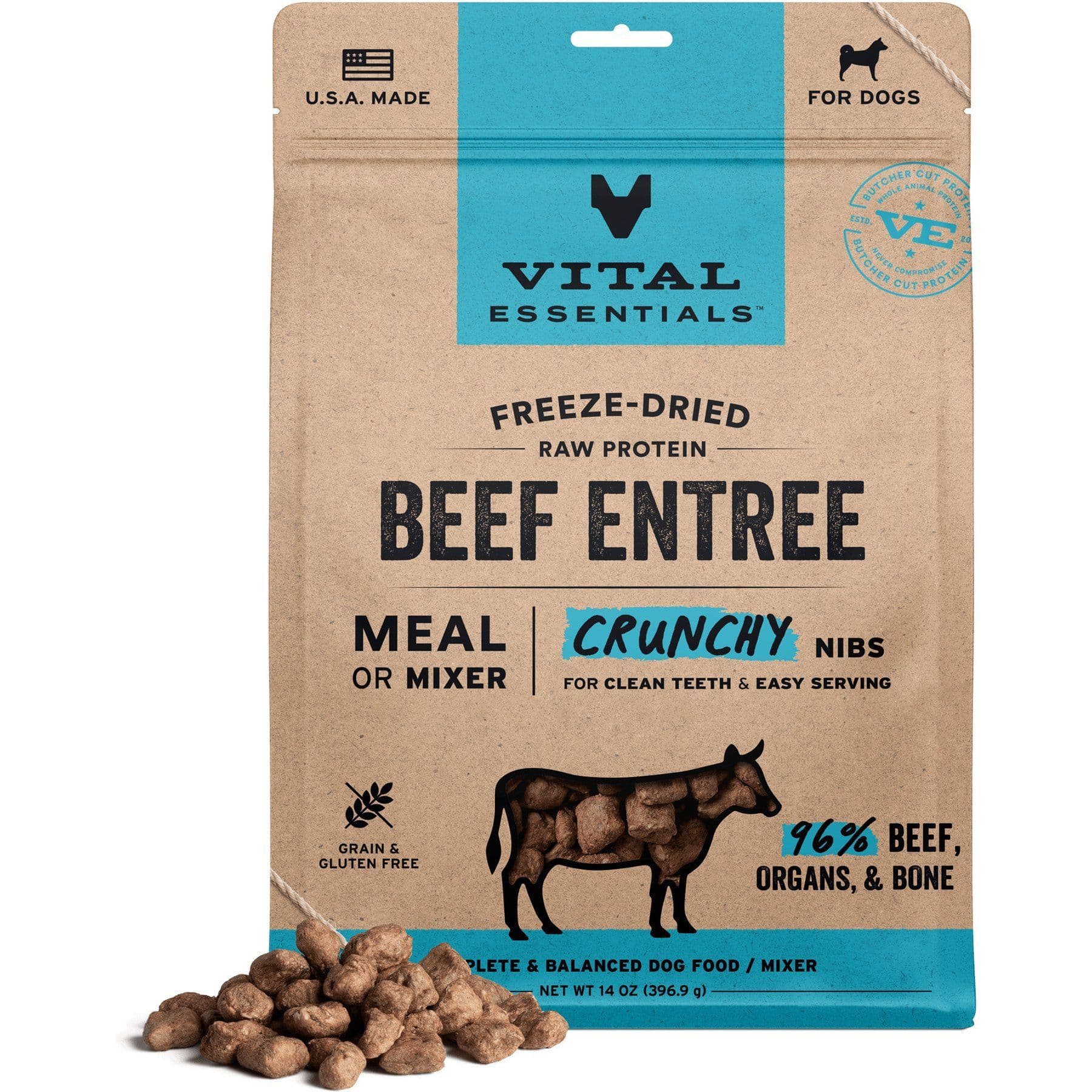
This is an optional dog treat. Review its current label, ingredients, calories, and feeding directions, and count it within the total daily extras.
Webvet may earn a commission when you click through to Chewy, at no extra cost to you.
Frequently Asked Questions
How much cream cheese can I give my dog?
There is no universal serving by size. If cream cheese fits the dog's diet, use a small amount within the individual treat-calorie allowance. Confirm first that any medication may be given with food or dairy.
What happens if my dog ate a lot of cream cheese?
A dog that eats a large amount of plain cream cheese may get an upset stomach, gas, or diarrhea from the fat and lactose. Watch for vomiting, a painful or hunched posture, loss of appetite, or lethargy, which can signal pancreatitis and warrant a vet call. If the cream cheese was garlic or onion flavored, contact your vet or Pet Poison Helpline at 855-764-7661 right away.
Can dogs eat cream cheese every day?
It is best kept occasional rather than daily. The high fat and calories add up fast, especially for small dogs, and daily dairy raises the odds of digestive upset. If your dog needs a daily pill, a leaner option like plain cooked chicken is a better everyday choice.
Can puppies have cream cheese?
A tiny lick of plain cream cheese is unlikely to harm a puppy, but their growing bodies do best on a complete puppy food and simple, low-fat treats. Rich, fatty foods can upset a puppy's sensitive stomach, so keep cream cheese to a rare, very small taste and never the flavored kinds.

More safe treats
More dairy & eggs for dogs
Sources
- WSAVA: Feeding Treats to Your Dog
Treats should fit the individual dog's calorie allowance and should not replace a complete and balanced diet.
- Merck Veterinary Manual: Garlic and Onion Toxicosis
Allium risk is exposure- and dose-dependent and primarily involves oxidative red-cell injury.
- FDA: Medications for Your Pet, Questions for Your Vet
Some medicines should be given with food and others on an empty stomach; owners should follow the label and prescriber.
- Merck Veterinary Manual: Pancreatitis in Dogs and Cats
Pancreatitis is multifactorial and cannot be assigned to an invented cream-cheese serving threshold.
Reviewed by Dr. Athena Gaffud, DVM
General guidance based on credible veterinary sources; not a diagnosis or a substitute for your veterinarian. If your pet ate something toxic or is unwell, contact your vet or a pet poison line right away.