
Can dogs eat cheese?
Safe in moderationPlain cheese is not a dog toxin, but lactose, fat, sodium, calories, and tolerance vary by product and by the individual dog.


Medically reviewed by Dr. Athena Gaffud, DVM · Last reviewed
Can Dogs Eat Cheese?
Plain cheese is not recognized as a canine toxin, but it is a concentrated food whose lactose, fat, sodium, and calories vary widely by type and brand. Lactose tolerance varies among dogs, so a previous comfortable taste does not guarantee that a larger amount will agree, and one episode of loose stool does not by itself diagnose lactose intolerance.
- 1Assess cheese by its exact form, amount, added ingredients, and the individual dog.
- 2There is no evidence-based cube count or body-weight table for cheese. If a veterinarian considers a particular product appropriate, use its calories per gram or serving and include every reward, topper, and pill aid in the dog's total treat allowance. Dense cheeses can add more calories than their size suggests.
- 3Prepare cheese plainly and choose a size and texture suited to how this dog eats.
- 4Cheese risks depend on product form, amount, texture, and the individual dog.
- 5Call for persistent illness, swallowing trouble, a possible foreign body, or a hazardous co-ingredient.

Treats should stay under 10% of your dog's daily calories. JustFoodForDogs makes the rest of it.
- Recipes developed by veterinary nutritionists
- Whole-food ingredients you can recognise
- Fresh meals delivered to your door
Webvet may earn a commission when you click through to JustFoodForDogs, at no extra cost to you.
Is Cheese Safe for Dogs?
A small plain-cheese exposure in a dog acting normally is usually assessed as a food-tolerance and calorie question, not automatically as poisoning. The exact cheese, amount, dog size, medical history, and signs matter. Products containing onion, garlic, alcohol, xylitol, or other hazardous ingredients require separate ingredient-specific assessment. For mixed products containing cheese, keep the package and report every ingredient, amount, time, dog's weight, history, and signs.

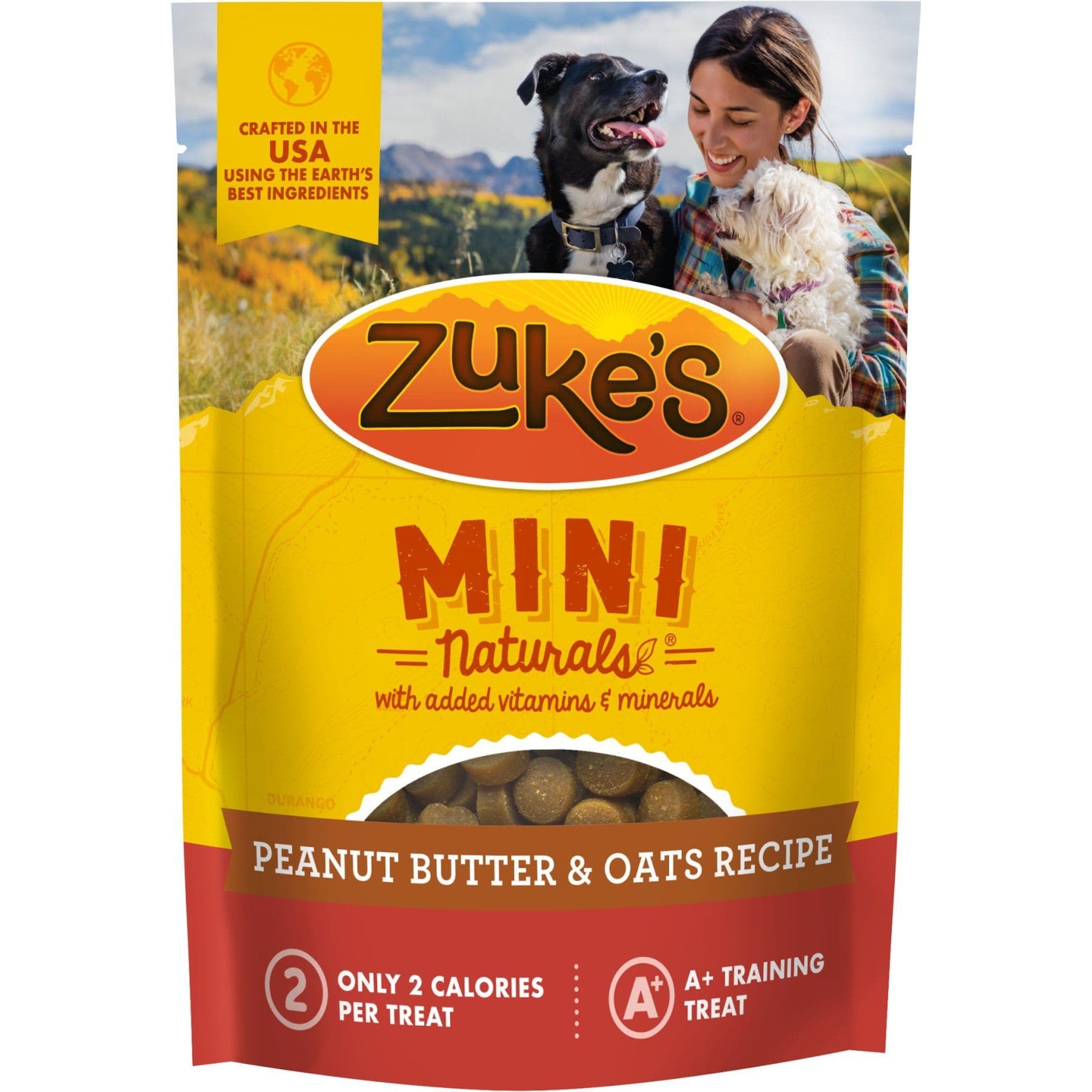
This is an optional dog treat. Review its current label, ingredients, calories, and feeding directions, and count it within the total daily extras.
Webvet may earn a commission when you click through to Chewy, at no extra cost to you.
Cheese supplies protein, fat, minerals, and energy, but a treat amount is not needed to complete a balanced canine diet. Its nutrient content does not prove a benefit for bones, muscles, training, or medication delivery. The practical issue is whether its calories and composition fit the dog's full feeding plan.
Why fat and lactose are the real concerns
This food adds optional calories and nutrients, but the complete dog food remains responsible for meeting dietary requirements.
There is no evidence-based cube count or body-weight table for cheese. If a veterinarian considers a particular product appropriate, use its calories per gram or serving and include every reward, topper, and pill aid in the dog's total treat allowance. Dense cheeses can add more calories than their size suggests. Related guidance: diarrhea.

Low-fat vs high-fat cheeses
Use the calories in cheese and the individual dog's remaining treat allowance; body weight alone is not a serving chart. Related guidance: cottage cheese.
Offer only a plain product whose ingredient list and nutrition panel have been checked. Cut or crumble it into a texture the dog can swallow comfortably, refrigerate it as directed, and discard spoiled food. Do not assume cottage, goat, hard, or reduced-fat cheese has a predictable lactose, fat, or sodium profile without reading that product's label. Soft cheese may smear or be swallowed quickly, while firm cubes may be gulped by some dogs. Choose a form that suits the dog's chewing pattern and use supervision. Texture is a mechanical consideration, not a reason to promise that a particular cube size is universally safe. Related guidance: Cream cheese.
| Decision point | Evidence-based guidance |
|---|---|
| Plain food | Assess plain cheese by form, amount, tolerance, and the individual dog. |
| Portion | Use the individual calorie allowance, not a fixed piece or spoon table |
| Preparation | Serve it plain and choose a manageable size and texture. |
| Mixed product | Read every ingredient and keep the package or recipe for advice. |
| Medical diet | Ask the treating team before adding it to a therapeutic diet. |
| Concerning signs | Call for persistent illness, swallowing trouble, or a hazardous co-ingredient. |
| Concerning signs | Call for persistent illness, swallowing trouble, or a hazardous co-ingredient. |
How to Portion Cheese
High-fat dietary indiscretion is associated with pancreatitis in dogs, but veterinary evidence does not establish a cheese-specific trigger dose or a guaranteed outcome. Prior pancreatitis, a prescribed low-fat diet, or recurrent digestive disease warrants advice from the treating veterinarian rather than a breed rule or universal lifetime prohibition.

| Decision point | Evidence-based guidance |
|---|---|
| Plain food | Assess plain cheese by form, amount, tolerance, and the individual dog. |
| Portion | Use the individual calorie allowance, not a fixed piece or spoon table |
| Preparation | Serve it plain and choose a manageable size and texture. |
| Mixed product | Read every ingredient and keep the package or recipe for advice. |
Using cheese as a training treat and pill-hider
Fat and sodium differ substantially among cheeses and prepared cheese foods. Salt toxicosis is dose- and hydration-dependent, so ordinary sodium content should not be described as poisoning without the amount and clinical context. Sauces, dips, and spreads also need review for Allium ingredients and other additions.
Dogs with heart, kidney, gastrointestinal, endocrine, weight, or allergy concerns may have individualized restrictions. A diagnosis does not create the same cheese rule for every patient. The treating team can compare the specific label with the goals of a therapeutic diet and decide whether any extra is compatible.
Forms and Ingredients of Cheese
Call a veterinarian promptly for repeated vomiting, marked abdominal pain, tremors, seizures, loss of coordination, breathing or swallowing trouble, or a substantial exposure involving an unknown recipe. Bring the label and describe whether the food was an intentionally ripened cheese, visibly spoiled or moldy dairy, or another discarded food. Related guidance: vomiting.
Visibly spoiled or moldy dairy belongs in the trash. Merck documents tremorgenic illness in dogs after access to moldy foods, including dairy, while also noting that toxin-specific dose relationships are not established. Commercially ripened blue cheese and spoiled garbage are not interchangeable exposures, so identify the product and seek case-specific advice.

How to Prepare Cheese
If this food does not fit the plan, choose another veterinarian-approved treat and count it within the same calorie allowance.
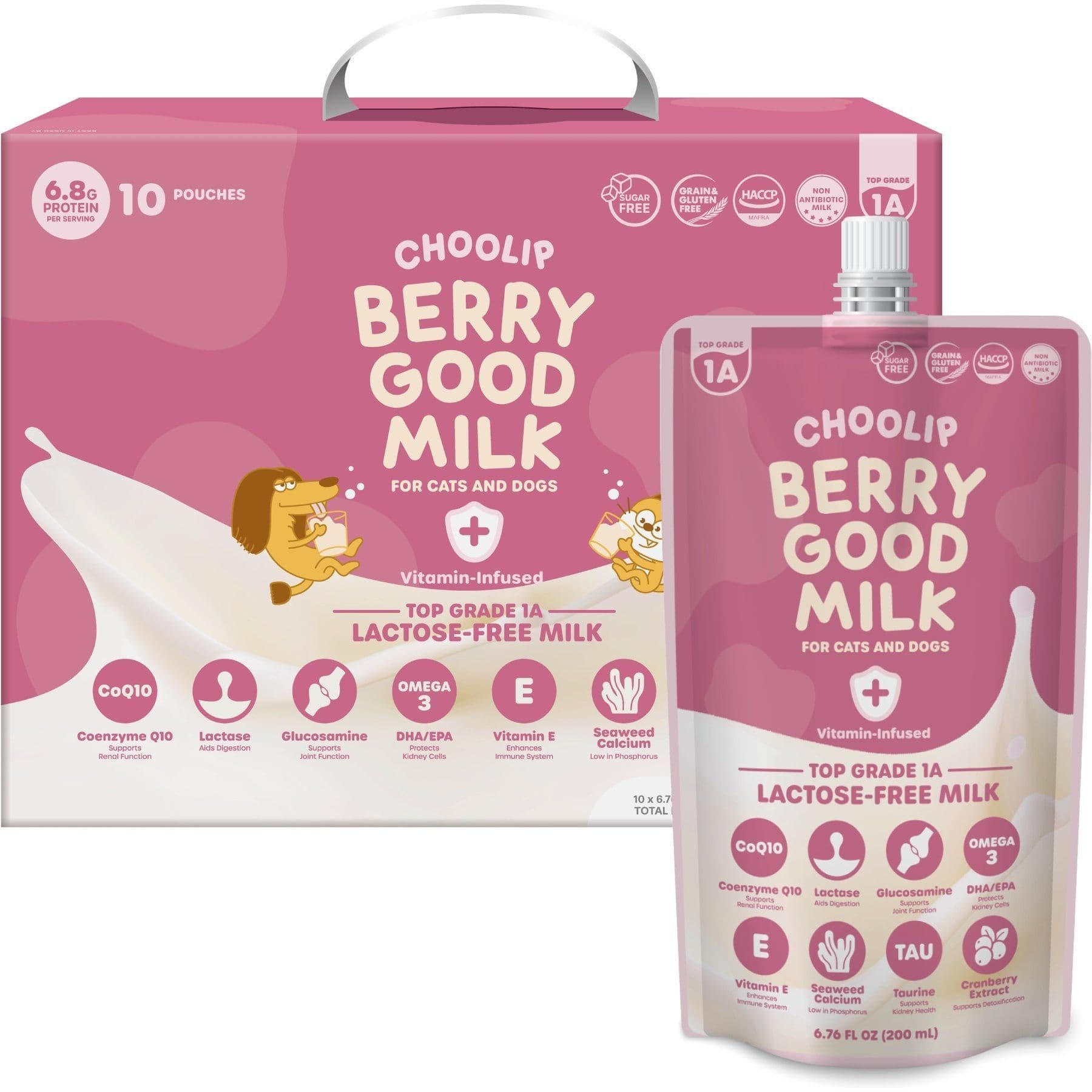
This is an optional dog milk treat. Review its current label, calories, serving directions, and the individual pet's tolerance before use.
Webvet may earn a commission when you click through to Chewy, at no extra cost to you.
Choosing Other Treats
Cheese can be an optional reward for some dogs, but the actual label and the individual dog matter more than a cheese-name ranking. Use the dog's calorie allowance instead of a fixed cube table; nutrient content does not guarantee clinical benefit, and a medical diet or significant exposure warrants veterinary guidance. The practical decision is individualized: confirm the exact food, use a manageable texture, keep extras within the calorie plan, and watch the actual dog rather than a fixed schedule. Contact a veterinarian for persistent vomiting or diarrhea, marked lethargy, pain, breathing or swallowing trouble, inability to pass stool or urine, neurologic signs, or any ingredient-specific toxicology concern. Related guidance: Plain cooked chicken; plain scrambled egg.
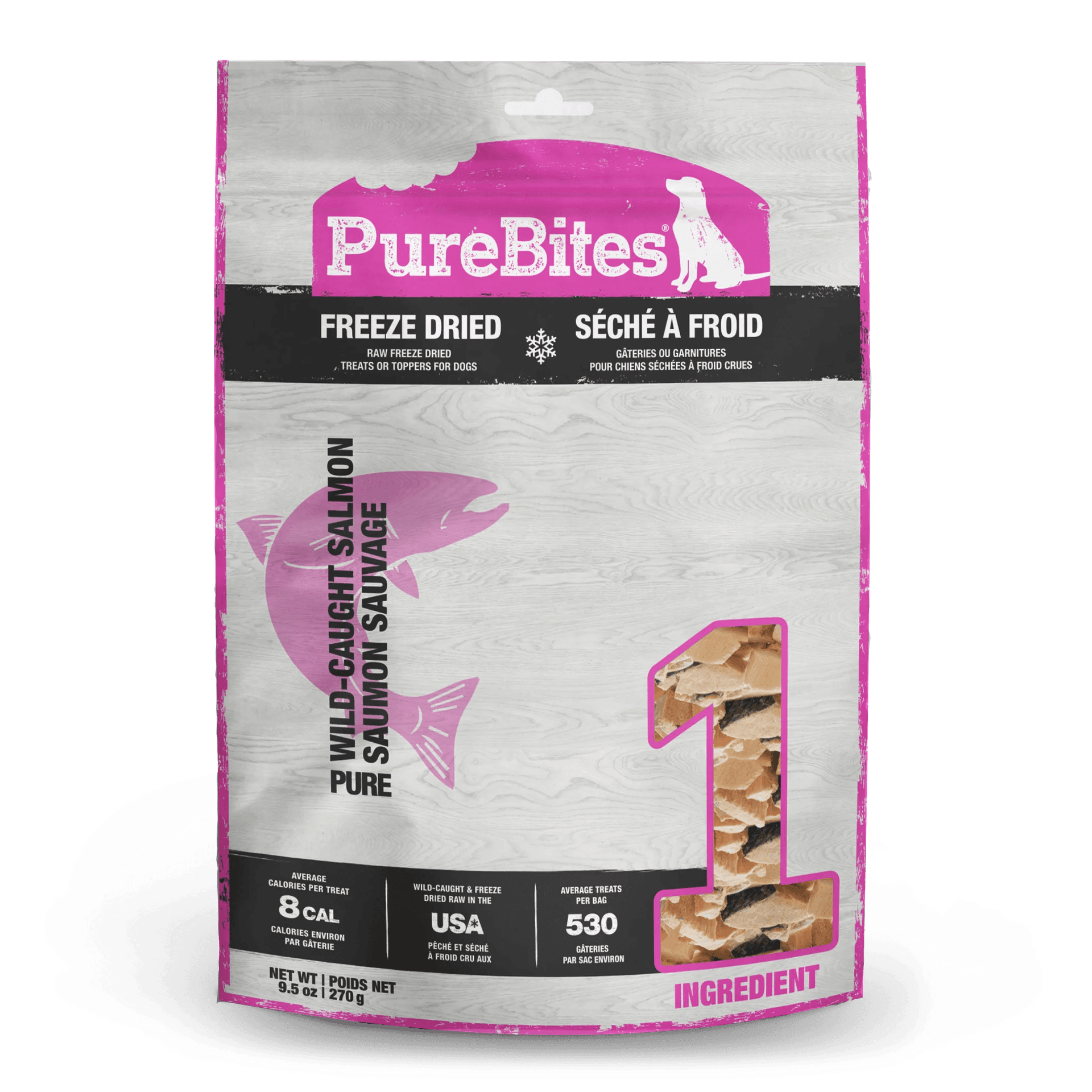
This is an optional dog treat. Review its current label, ingredients, calories, and feeding directions, and count it within the total daily extras.
Webvet may earn a commission when you click through to Chewy, at no extra cost to you.
Frequently Asked Questions
Is plain cheese poisonous to dogs?
Plain cheese is not recognized as a canine toxin, but lactose, fat, sodium, calories, and individual digestive tolerance vary.
How much cheese can a dog have?
There is no universal cube count. Use the specific product's calories and the dog's complete treat allowance if the veterinary team considers it appropriate.
Are all low-fat or aged cheeses alike?
No. Read the exact nutrition label. Product style alone does not guarantee low fat, low sodium, or a particular lactose content.
Can cheese trigger pancreatitis?
High-fat dietary indiscretion is associated with canine pancreatitis, but no cheese-specific dose guarantees disease. Susceptible dogs need individualized advice.
What should I do after a moldy-cheese exposure?
Keep the package, prevent further access, and call for case-specific advice, especially if the cheese was spoiled or the dog has tremors, poor coordination, seizures, or persistent vomiting.

More safe treats
More dairy & eggs for dogs
Sources
- ASPCA: People Foods to Avoid Feeding Your Pets
Supports checking flavored or mixed cheese products for separate ingredients that may be hazardous to dogs.
- WSAVA: Feeding Treats to Your Dog
Supports keeping dog treats within about 10% of daily calories and calculating portions from individual energy needs.
- Merck Veterinary Manual: Pancreatitis in Dogs and Cats
Supports dietary indiscretion as a canine risk factor while not establishing a food-specific dose or predictable outcome from one exposure.
- Merck Veterinary Manual: Salt Toxicosis in Animals
Supports dose- and hydration-dependent salt toxicosis rather than treating one salted bite as a defined toxic dose.
- Merck Veterinary Manual: Tremorgenic Neuromycotoxicosis in Dogs
Supports neurologic risk after dogs ingest moldy foods, including dairy products, while noting that toxin-specific cause-effect and dose-effect relationships are not established.
Reviewed by Dr. Athena Gaffud, DVM
General guidance based on credible veterinary sources; not a diagnosis or a substitute for your veterinarian. If your pet ate something toxic or is unwell, contact your vet or a pet poison line right away.