
Can dogs eat ginger?
Not recommendedCulinary ginger has no established home treatment dose for dogs. Check the full product and seek veterinary advice for symptoms or intentional use.


Medically reviewed by Dr. Athena Gaffud, DVM · Last reviewed
Can Dogs Eat Ginger?
A small accidental amount of plain culinary ginger is not an established canine poisoning syndrome, but no evidence-based home dose or treatment role is established for nausea, motion sickness, gastrointestinal disease, or joint pain. Limited experimental work with a specific ginger extract does not validate culinary ginger or self-treatment. Assess a ginger product from its recipe, amount, and the dog's signs.
- 1Fresh grated ginger and plain ginger powder are non-toxic and safe for dogs in tiny amounts.
- 2No evidence-based culinary ginger dose by dog size is established here; ask the veterinarian before intentional use.
- 3Limited extract research does not establish that culinary ginger or gingerol treats canine nausea, motion sickness, or digestive upset.
- 4Check gingerbread, candied, and pickled products for actual ingredients, calories, and sodium; these categories are not automatically toxic.
- 5Ask the veterinarian before intentional ginger use, especially when a dog has a medical condition or takes medication; specific contraindications require canine evidence and patient-specific veterinary advice.

Treats should stay under 10% of your dog's daily calories. JustFoodForDogs makes the rest of it.
- Recipes developed by veterinary nutritionists
- Whole-food ingredients you can recognise
- Fresh meals delivered to your door
Webvet may earn a commission when you click through to JustFoodForDogs, at no extra cost to you.

Is ginger safe for dogs?
Ginger, the knobby root of the tropical plant Zingiber officinale, is not on the list of foods that are poisonous to dogs. It contains no compound that is toxic to them, which is why you will see it turn up in some commercial dog treats and supplements marketed for joint and gut support. Both the fresh root and plain dried ginger powder are considered safe when the amount is kept tiny. No safe culinary dose or veterinary consensus establishes ginger as a home remedy for canine nausea.
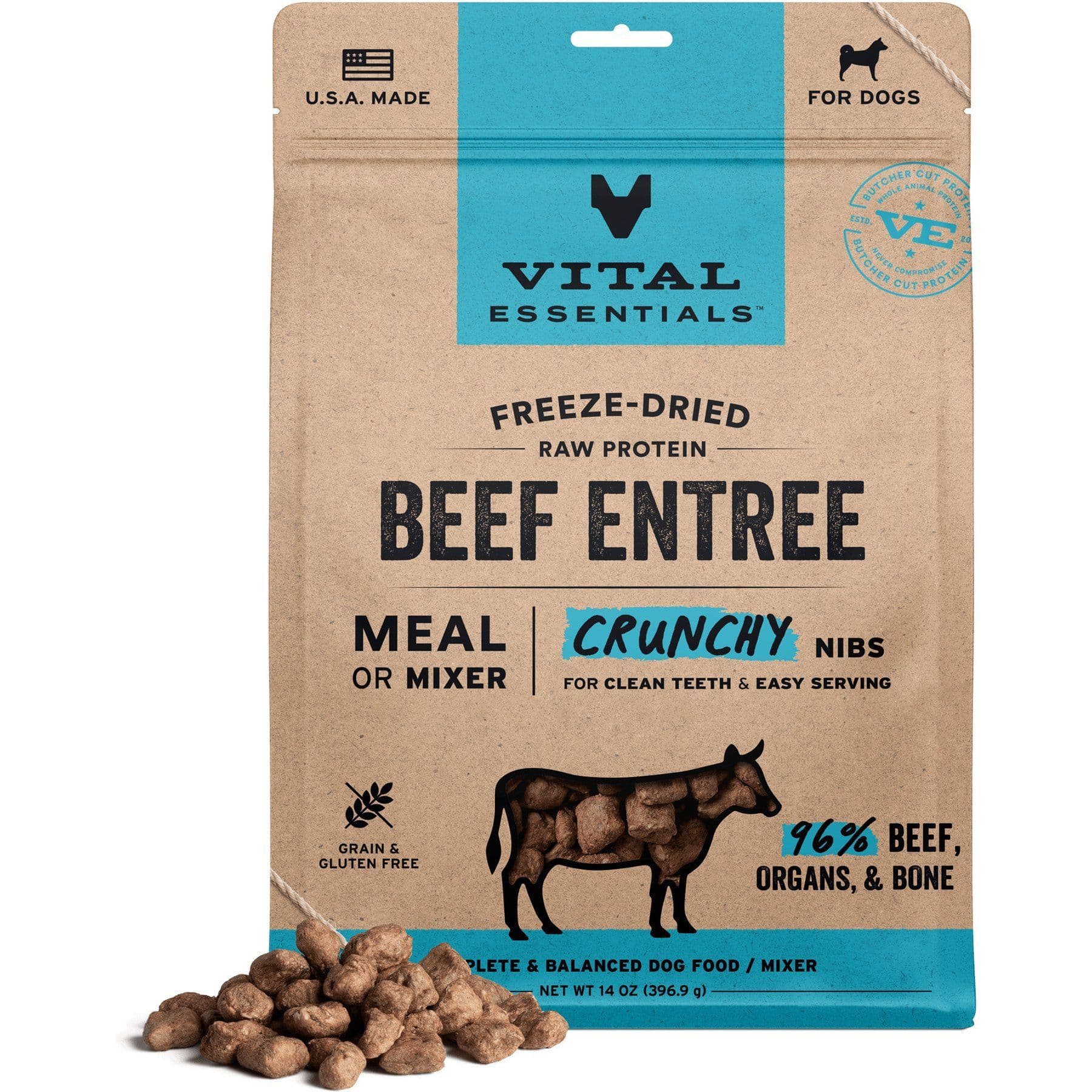
This is an optional dog treat. Review its current label, ingredients, calories, and feeding directions, and count it within the total daily extras.
Webvet may earn a commission when you click through to Chewy, at no extra cost to you.
That said, safe is not the same as unlimited. Ginger is potent and spicy, and a dog's digestive tract is far more sensitive to strong flavors and concentrated plant compounds than ours. A pinch is not an established therapeutic dose, and no safe therapeutic trace is defined. Drug-interaction and disease warnings require product- and dog-specific evidence, so intentional use belongs with the veterinarian rather than a kitchen trial.
The health benefits of ginger for dogs
Ginger contains gingerols, but human use and compound-level mechanisms do not establish clinical efficacy or a culinary dose for dogs. Do not test ginger at home as a nausea or motion-sickness treatment; recurrent nausea needs diagnosis and a veterinarian-selected plan.
Marketing and preclinical mechanisms do not prove that culinary ginger improves canine joints, oxidative status, gastric emptying, gas, or digestion. Persistent or recurrent vomiting or other gastrointestinal signs require veterinary assessment. Limited experimental extract evidence is preliminary and does not make culinary ginger a treatment for minor symptoms.

How much ginger can dogs have?
No authoritative veterinary evidence establishes a pinch-to-quarter-teaspoon dose by body size. Ginger still contributes to intake and is not exempt from the diet plan because it is called a supplement-style add-in. Ask the veterinarian before intentional therapeutic use.
How to prepare and serve ginger
Preparing ginger for a dog is refreshingly simple. Take a small piece of fresh root, peel off the papery skin, and finely grate or mince it so there are no fibrous chunks to swallow. Mix that pinch straight into your dog's food so the strong flavor is diluted and easier to accept. Plain ground ginger powder works too; just dust a very small amount over the meal. If you would rather use a liquid, a weak, cooled, sugar-free and caffeine-free ginger tea can be offered in tiny amounts, but plain grated root is the most straightforward route.
Keep the recipe boring on purpose. Do not cook the ginger into anything with onion, garlic, salt, butter, or added sugar, since those extras range from unhelpful to genuinely toxic for dogs. Peeling is a texture choice, not a proven safety requirement. Whether a product should be given with food depends on the purpose, dog, and veterinary instructions; no home protocol is established.
Forms of ginger: which are safe and which to avoid
Not all ginger is created equal in a dog's bowl. The fresh root and plain dried powder are the two forms to trust. Gingerbread, ginger snaps, and other baked goods are a different story: they are packed with sugar and fat and often contain nutmeg, which is unsafe for dogs, so those belong nowhere near your pet. Candied and pickled ginger vary by recipe. They are not useful therapeutic products, but risk depends on actual calories, sodium, ingredients, amount, and the dog rather than the category name. Ginger ale is no help either, since it is mostly sugar and carbonation with little real ginger. When in doubt, stick to the plain, unsweetened root or powder.

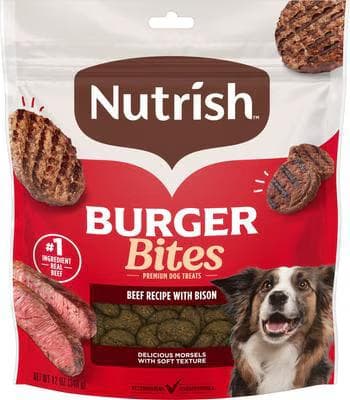
This is an optional dog treat. Review its current label, ingredients, calories, and feeding directions, and count it within the total daily extras.
Webvet may earn a commission when you click through to Chewy, at no extra cost to you.
Risks and what to watch for
An unsuitable amount of a ginger product may cause gastrointestinal signs. No canine clinical evidence establishes that culinary ginger thins blood, lowers blood pressure or glucose, or creates specific surgery, bleeding, heart, or diabetes contraindications.
Pregnancy, nursing, surgery, disease, and drug-interaction advice must come from a veterinarian with product- and patient-specific evidence; categorical contraindications are not established. Introduce it slowly and watch for signs of intolerance such as drooling, vomiting, or diarrhea; if you see them, stop and let the stomach settle. A little extra plain ginger usually just leads to mild, short-lived tummy trouble. But if your dog got into sugary ginger baked goods or ate a large quantity and seems lethargic, keeps vomiting, or is clearly uncomfortable, contact your veterinarian or an animal poison control line for advice.
Safe alternatives to ginger
If your goal is a calmer, healthier gut rather than the specific anti-nausea effect of ginger, a couple of gentler foods do the job with far less intensity. Plain pumpkin is a vet favorite for loose stools and mild digestive upset thanks to its soluble fiber, and most dogs happily eat a spoonful of the plain, unsweetened puree. Green beans are another low-calorie, fiber-rich option that makes a satisfying crunchy snack without any of the caution ginger requires. Both are easy to portion, easy on the stomach, and safe as a regular part of the treat rotation, which makes them a good default when you just want something wholesome to share.


This is an optional dog treat. Review its current label, ingredients, calories, and feeding directions, and count it within the total daily extras.
Webvet may earn a commission when you click through to Chewy, at no extra cost to you.
Frequently asked questions
How much ginger is safe for a dog?
No evidence-based culinary ginger dose by dog size is established here. Ask the veterinarian before intentional use rather than testing a pinch-to-quarter-teaspoon range at home.
Can dogs eat ginger biscuits or gingerbread?
No. Ginger biscuits and gingerbread are full of sugar and fat and often contain nutmeg, which is unsafe for dogs. The ginger benefit does not survive being baked into a sugary cookie, so stick to plain fresh root or powder instead.
Can dogs eat pickled ginger from a sushi restaurant?
It is best avoided. Pickled ginger is high in salt, vinegar, and sometimes sugar or additives that can upset a dog's stomach. A single accidental slice is unlikely to be an emergency, but it is not something to offer on purpose.
Does ginger really help a dog's upset stomach?
Limited experimental extract evidence does not establish that culinary ginger treats canine nausea or motion sickness, and no home dose is supplied here. If your dog has ongoing vomiting or digestive trouble, see your veterinarian rather than relying on ginger.
Can puppies have ginger?
It is safest to wait and ask your vet. Puppies have delicate digestive systems, and their food and any supplements should be cleared with your veterinarian first. Stick to a complete puppy diet and save experiments like ginger for a healthy adult dog.
Safe alternatives
More pantry & other for dogs
Sources
- Experimental study of ginger extract and canine gastric motility
A limited experiment with a particular ginger extract in dogs does not validate culinary ginger, a quarter-teaspoon dose, or generalized nausea and joint-treatment claims.
- Merck Veterinary Manual: Overview of Nutrition in Small Animals
A nutrient or plant compound does not become an evidence-based veterinary treatment without appropriate dosing and clinical evidence.
- Pet Poison Helpline: Nutmeg and Cinnamon Toxicity
Risk from a baked ginger product depends on its actual recipe, ingredient dose, and clinical signs; the product category alone is not a diagnosis.
- WSAVA: Feeding Treats to Your Dog
Optional foods should fit the individual diet; no home therapeutic dose is supplied for ginger.
- Merck Veterinary Manual: Salt Toxicosis in Animals
Salt risk depends on dose and water access; pickled ginger should be assessed from its actual sodium concentration and amount eaten.
Reviewed by Dr. Athena Gaffud, DVM
General guidance based on credible veterinary sources; not a diagnosis or a substitute for your veterinarian. If your pet ate something toxic or is unwell, contact your vet or a pet poison line right away.