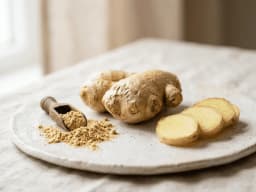
Can cats eat ginger?
Not recommendedCulinary ginger has no established feline treatment dose or proven nausea benefit. Check the full product and seek advice for symptoms or a large exposure.


Medically reviewed by Dr. Athena Gaffud, DVM · Last reviewed
Can Cats Eat Ginger?
Do not use culinary ginger to treat feline nausea without a veterinary diagnosis and a feline-specific product and dose. No safe trace amount or clinical benefit is established, and a cat's interest does not reveal a nutritional or therapeutic need. For an accidental exposure, assess the actual product, amount, and signs rather than assuming every plain or processed form has one risk level.
- 1No feline clinical evidence establishes a therapeutic trace dose for culinary ginger.
- 2Ginger is unnecessary in a complete feline diet, but its nutrients are not categorically unusable because cats are obligate carnivores.
- 3Feline clinical efficacy and dosing have not been established for culinary ginger or gingerol.
- 4No universal culinary-ginger amount is established; intentional use requires a veterinarian-selected product and dose.
- 5Check gingerbread, candied, and pickled products for the actual recipe, sodium, calories, amount, and any toxic ingredient; the category name alone does not establish poisoning.

Treats should stay under 10% of your cat's daily calories. Smalls makes the rest, built around the meat an obligate carnivore actually needs.
- Human-grade ingredients, protein first
- Built for obligate carnivores
- Fresh meals delivered to your door
Webvet may earn a commission when you click through to Smalls, at no extra cost to you.
Is ginger safe for cats?
No feline culinary-ginger poisoning syndrome, harmless dose, or predictable response has been established. They also do not establish anti-nausea, anti-inflammatory, or motion-sickness efficacy for culinary ginger or gingerol in cats. Assess the exact form, amount, cat, concurrent ingredients, and signs.

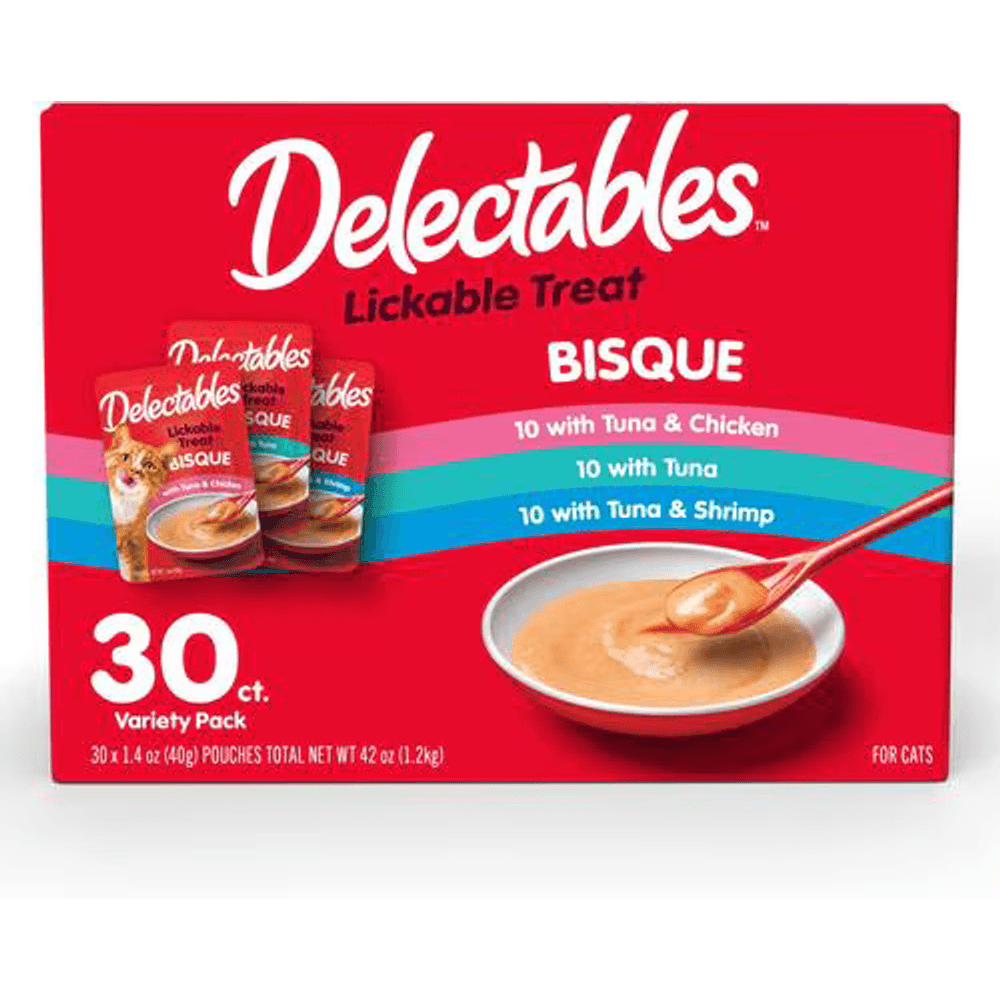
This is an optional cat treat. Review its current label, ingredients, calories, and feeding directions, and count it within the total daily extras.
Webvet may earn a commission when you click through to Chewy, at no extra cost to you.
Feline dietary and clinical evidence for culinary ginger is limited. Obligate carnivory does not make every plant-derived nutrient unusable, and sweet-receptor biology does not prove why an individual investigates or ignores ginger. Evidence gaps do not create a universal safe amount, benefit, or contraindication.
How much ginger can I give my cat?
A veterinary conversation does not create a universal trace, pinch, dusting, or body-weight dose. Use only a veterinarian-selected product and dose for the individual cat. Adverse signs can include drooling, vomiting, or diarrhea in some sensitive cats.
Culinary ginger should not be prepared or dosed at home as a feline treatment. If a veterinarian selects a product and dose, follow those exact instructions rather than improvising with root or powder. Oil, butter, salt, onion, and garlic are not one hazard category; assess confirmed ingredients and amounts without unsupported cat-to-dog sensitivity comparisons.

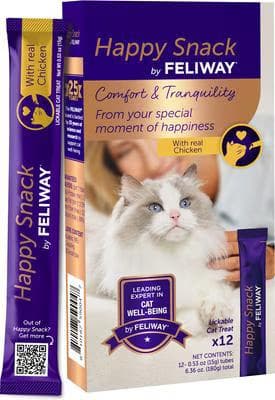
This is an optional cat treat. Review its current label, ingredients, calories, and feeding directions, and count it within the total daily extras.
Webvet may earn a commission when you click through to Chewy, at no extra cost to you.
Why feline nausea needs veterinary diagnosis
Nausea and vomiting have many causes. No feline clinical evidence establishes that culinary ginger or gingerol treats nausea, motion sickness, or gastrointestinal disease, and no home dose is supplied. Diagnosis and treatment should come from the veterinarian managing the individual cat.
Persistent or repeated vomiting, refusal to eat, lethargy, or weight loss require veterinary assessment. Urgency depends on the frequency, duration, patient, concurrent signs, and ability to keep food or water down. Do not delay diagnosis by trying culinary ginger or rely on a universal one-day threshold.
Risks and forms of ginger to avoid
An unsuitable amount of a ginger product may cause gastrointestinal signs. No feline clinical evidence establishes that culinary ginger thins blood, changes blood pressure or glucose, interacts with medication, or creates categorical pregnancy, nursing, surgery, bleeding, heart, or diabetes contraindications.

Root, powder, candied, pickled, and baked ginger products have different recipes and concentrations. Check for nutmeg, alliums, sodium, calories, medicines, and other ingredients, then assess the dose and signs. The category name alone does not rank toxicity or establish a harmless exposure.
Better treats for a cat than ginger
Choose treats by the cat's complete diet, calorie allowance, medical needs, and tolerance. Options may include plain cooked chicken, a little plain cooked egg, or a flake or two of plain cooked salmon when those foods fit the individual plan. Verify baby-food and commercial-treat labels, and do not assume an animal-based extra is superior or appropriate for every cat.
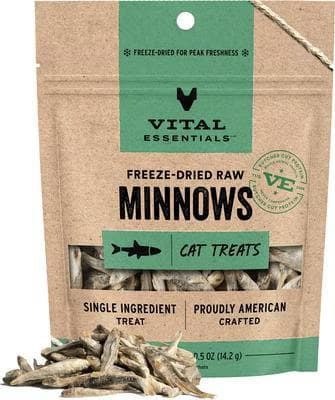
This is an optional cat treat. Review its current label, ingredients, calories, and feeding directions, and count it within the total daily extras.
Webvet may earn a commission when you click through to Chewy, at no extra cost to you.
Keep the complete and balanced feline diet primary, and count all extras within the individual calorie plan. Ingredient choice depends on medical needs, allergies, texture, and the full recipe. A cat's interest in one food does not establish motivation, need, or a reason to prefer every animal-based treat.
Frequently asked questions
Is ginger toxic to cats?
No feline culinary-ginger poisoning syndrome or universally harmless trace has been established. Processed products require review of the actual recipe, amount, patient, and signs; sugar, nutmeg, and alliums are not one equivalent hazard category.
How much ginger can I give my cat?
No feline clinical evidence establishes a universal trace, pinch, dusting, or weight-based ceiling. Use only a veterinarian-selected product and dose for the individual cat.
Do cats like the taste of ginger?
How most cats respond to ginger, or why an individual investigates or ignores it, has not been established. Aroma, texture, prior learning, and context may matter, but they do not establish safety or need.
Can ginger help a cat with nausea or car sickness?
Culinary ginger and gingerol have no established feline anti-nausea dose or proven treatment effect. Identify whether the cat contacted fresh root, dried powder, tea, candy, a supplement, essential oil, a topical product, a human medication, or a seasoned dish. Those forms can differ greatly in concentration and co-ingredients, so keep the label and avoid converting a kitchen pinch or human supplement direction into a feline dose. Check mixed products for alliums, alcohol, caffeine, chocolate, sweeteners, medicines, and packaging. After an accidental exposure, note the largest plausible amount, time, vomiting, drooling, appetite, stool, activity, coordination, breathing, and any ongoing medical conditions or medications. Do not use ginger as a home substitute for diagnosing vomiting, nausea, motion-related signs, poor appetite, or pain. Persistent vomiting, refusal of normal food, marked weakness, breathing changes, tremors, seizures, collapse, or a concentrated product needs prompt veterinary advice. If a veterinarian is considering a ginger-containing veterinary product, its formulation and patient-specific plan should control; that clinical decision does not establish a household preparation or universal serving. Store powders, oils, supplements, and tea bags securely, since their concentration and other ingredients differ from a trace of culinary root in food. Bring the veterinary team a photo of the ingredient panel and the cat's current medication and supplement list. That information is especially useful when the product was marketed for people, since flavorings and concentrated extracts may be more relevant than the word ginger.; nausea requires diagnosis and veterinarian-selected treatment. Persistent vomiting or a cat who feels sick for more than a day needs a real diagnosis, not a kitchen remedy. Let your vet decide whether ginger fits into a proper plan.
Can cats eat gingerbread or ginger snaps?
Do not make a poisoning judgment from the name gingerbread. Check the actual recipe and amount for nutmeg, alliums, or other hazards; sugar and fat mainly add calories. Contact a veterinarian or poison service for a concerning ingredient dose or illness.

Feline evidence does not establish a harmless culinary-ginger trace, clinical benefit, or home dose. Do not use ginger for nausea without diagnosis and a veterinarian-selected product and amount. For an accidental exposure, identify the full recipe, amount, time, patient, and signs.
Safe alternatives
More pantry & other for cats
Sources
- Merck Veterinary Manual: Vomiting in Cats
Vomiting and nausea have many causes and require diagnosis; a kitchen-spice treatment can delay appropriate care.
- Merck Veterinary Manual: Overview of Nutrition in Small Animals
Obligate carnivory does not justify saying all plant-derived nutrients are useless.
- Pet Poison Helpline: Nutmeg and Cinnamon Toxicity
Baked-product risk depends on recipe and dose; sugar and fat are not themselves proof of poisoning.
- WSAVA: Feeding Treats to Your Cat
Optional foods must fit the individual diet; this source supplies no feline ginger dose or therapeutic claim.
- Merck Veterinary Manual: Garlic and Onion Toxicosis in Animals
Onion and garlic in a prepared ginger product can cause dose-dependent oxidative red-cell injury and require ingredient- and amount-specific assessment.
- Merck Veterinary Manual: Salt Toxicosis in Animals
Salt risk depends on dose and water access; pickled ginger should be assessed from its sodium concentration, amount, and the individual cat.
Reviewed by Dr. Athena Gaffud, DVM
General guidance based on credible veterinary sources; not a diagnosis or a substitute for your veterinarian. If your pet ate something toxic or is unwell, contact your vet or a pet poison line right away.