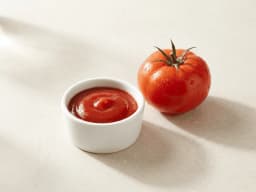
Can cats eat ketchup?
Not recommendedA small ketchup lick is usually low risk for a cat. Check the exact label, amount, wrapper, alliums, sodium, medical history, and symptoms.


Medically reviewed by Dr. Athena Gaffud, DVM · Last reviewed
Can Cats Eat Ketchup?
- 1Do not feed ketchup to cats. It is a salty, sugary condiment, and many recipes contain onion powder.
- 2Recipes vary, and cats are especially susceptible to Allium-related red-cell injury, so check the exact label.
- 3Cats lack a functional canonical sweet receptor, but that does not mean sugar is physiologically unusable.
- 4A swallowed packet is a separate foreign-body concern whose risk depends on the wrapper, cat, and symptoms.
Can cats eat ketchup? Do not offer it. Ketchup is a processed condiment with sugar, sodium, vinegar, and seasonings that vary by recipe. Many products include onion powder, so the exact ingredient label determines the Allium risk.
Cats lack a functional canonical sweet taste receptor. That does not prove they can perceive no sweet cue through any pathway or that sugar is physiologically unusable. A cat drawn to ketchup may be responding to aroma, texture, fat, salt, tomato compounds, or the food served with it.

Why ketchup is a problem for cats
Onion powder is the ingredient that matters most. Onion, garlic, and their relatives contain organosulfur compounds that oxidize feline hemoglobin, producing Heinz bodies and destroying red blood cells. Cats are notably more susceptible to this than dogs, and powdered forms are more concentrated than fresh by weight.
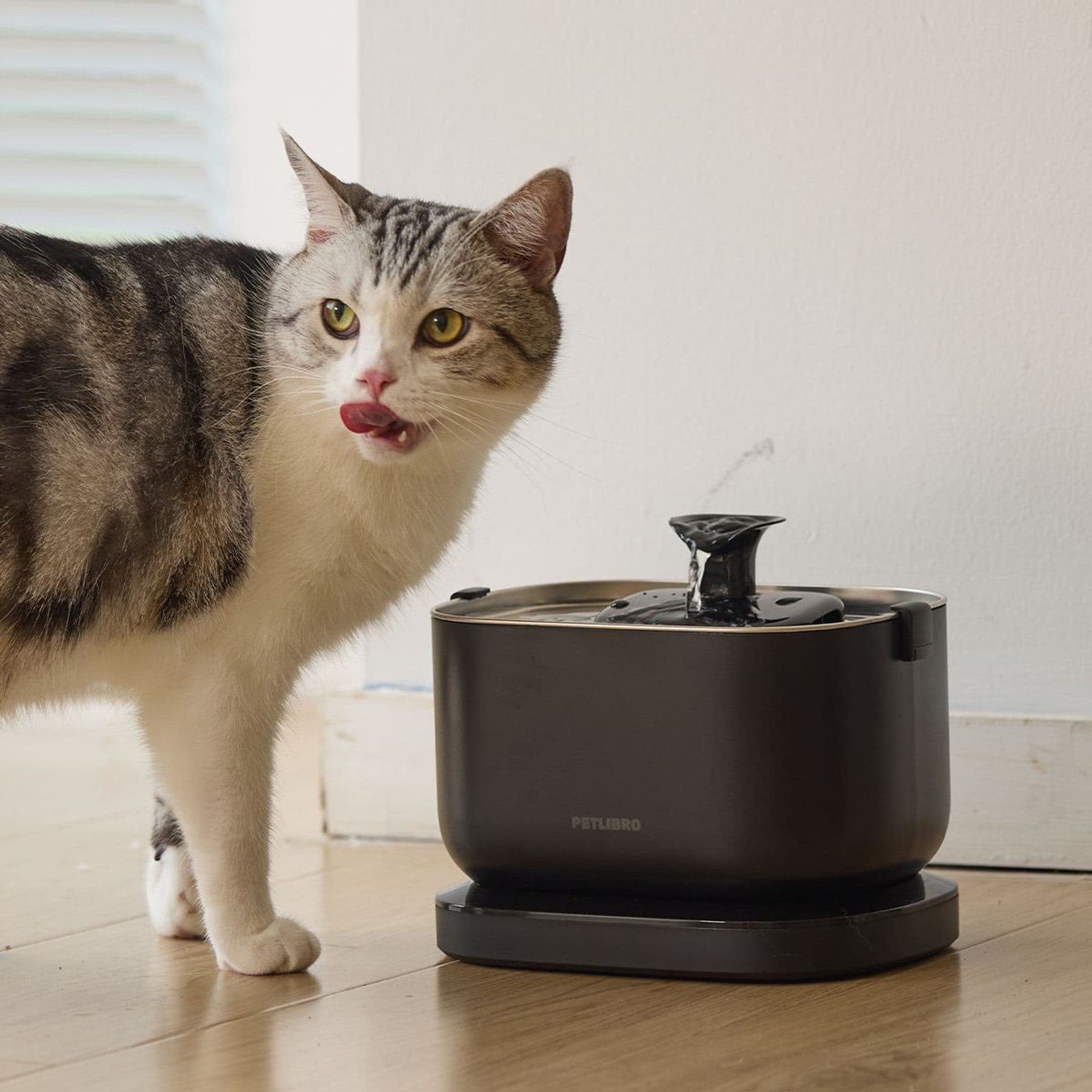
Webvet may earn a commission when you click through to Chewy, at no extra cost to you.
Products vary, so use the current label and an official composition record rather than treating one database value as universal. Cats can metabolize glucose; sugar and sodium add dietary load, but composition alone does not establish a ketchup-specific clinical threshold.
Put together, that is a food with three small problems and no upside for a cat. The practical takeaway is not panic over a lick, but simply never offering it.
My cat licked ketchup: how worried should I be?
| Check | Why it matters | Next step |
|---|---|---|
| Exact product and label | Onion, garlic, sodium, and other ingredients vary | Photograph or keep the package |
| Estimated amount and time | No ketchup-specific home threshold exists | Give the estimate to a clinician |
| Cat's weight and history | Cats are susceptible to Allium red-cell injury | Mention illness and medications |
| Wrapper swallowed | Plastic or foil can become a foreign body | Tell the veterinarian |
| Symptoms | Vomiting, poor appetite, weakness, pale gums, or pain changes urgency | Contact your veterinarian |
Do not use a lick or teaspoon cutoff to decide that an exposure is harmless. Check the exact label and estimate the amount and time. Contact your veterinarian with your cat's weight, history, packaging exposure, and symptoms; repeated Allium exposure is also different from a single event. Keep the bottle, packet, or a clear label photograph. The clinician may need the ingredient list and package size to interpret an uncertain amount.
A swallowed fast-food packet is a foreign-body concern separate from the sauce. Plastic or foil can lodge in the gastrointestinal tract, but there is no sourced rule that cats have a quantifiably higher risk solely because of intestinal width. Contact your veterinarian with the wrapper type, time, cat's size and history, and symptoms.

Can cats eat tomatoes instead?
Ripe tomato flesh is generally non-toxic. Leaves, stems, and unripe fruit contain tomato glycoalkaloids, particularly tomatine, and should not be fed. A cat chewing a tomato plant needs a different assessment from a cat exposed to ripe flesh.
So the tomato is not why ketchup is off the menu. Cooked tomato sauces are a bigger concern than ketchup in many households, because pasta sauce is usually built on onion and garlic in quantity rather than as a trace seasoning.
Signs of allium poisoning in cats
Oxidative red-cell changes can begin within 24 hours, while anemia-related signs generally take a few days to appear. Watch for pale or yellow gums, lethargy, weakness, rapid breathing, an elevated heart rate, reduced appetite, or dark urine, and contact a veterinarian rather than relying on a fixed five-day window. The absence of early vomiting does not rule out delayed red-cell injury after an Allium exposure.
Diagnosis can include bloodwork for anemia, Heinz bodies, and other changes. A veterinarian may repeat testing because clinically important anemia can lag behind the exposure. Severe cases may need oxygen, fluids, or transfusion. Outcome depends on the exposure and clinical condition, so recovery and timing must be assessed individually; contact a veterinarian with the case details.
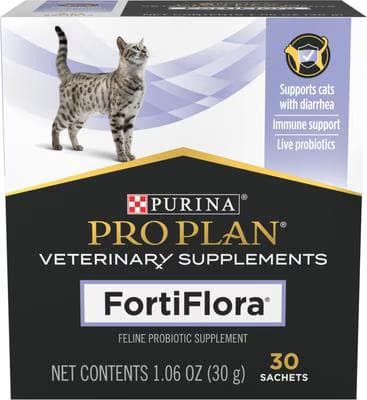
Product effects and directions are product-specific. Ask your veterinarian whether this supplement fits your cat's diagnosis, diet, medications, and treatment plan.
Webvet may earn a commission when you click through to Chewy, at no extra cost to you.
What can I share with my cat instead?
Plain cooked chicken, turkey, or white fish with no salt, butter, or seasoning is the gold standard for sharing with a cat. Small pieces of plain cooked egg work too. All of these fit what a cat is actually built to eat, which is more than can be said for any condiment.
If a cat eats 200 to 250 calories daily, the 10 percent treat limit is 20 to 25 calories. Individual energy needs vary with body condition, age, activity, health, and the main diet. The 10 percent figure is an upper limit for all extras combined, not a target for ketchup or any one treat. Weigh food or use label calories rather than treating one tablespoon of chicken as a standard serving, because packing and preparation change the amount.

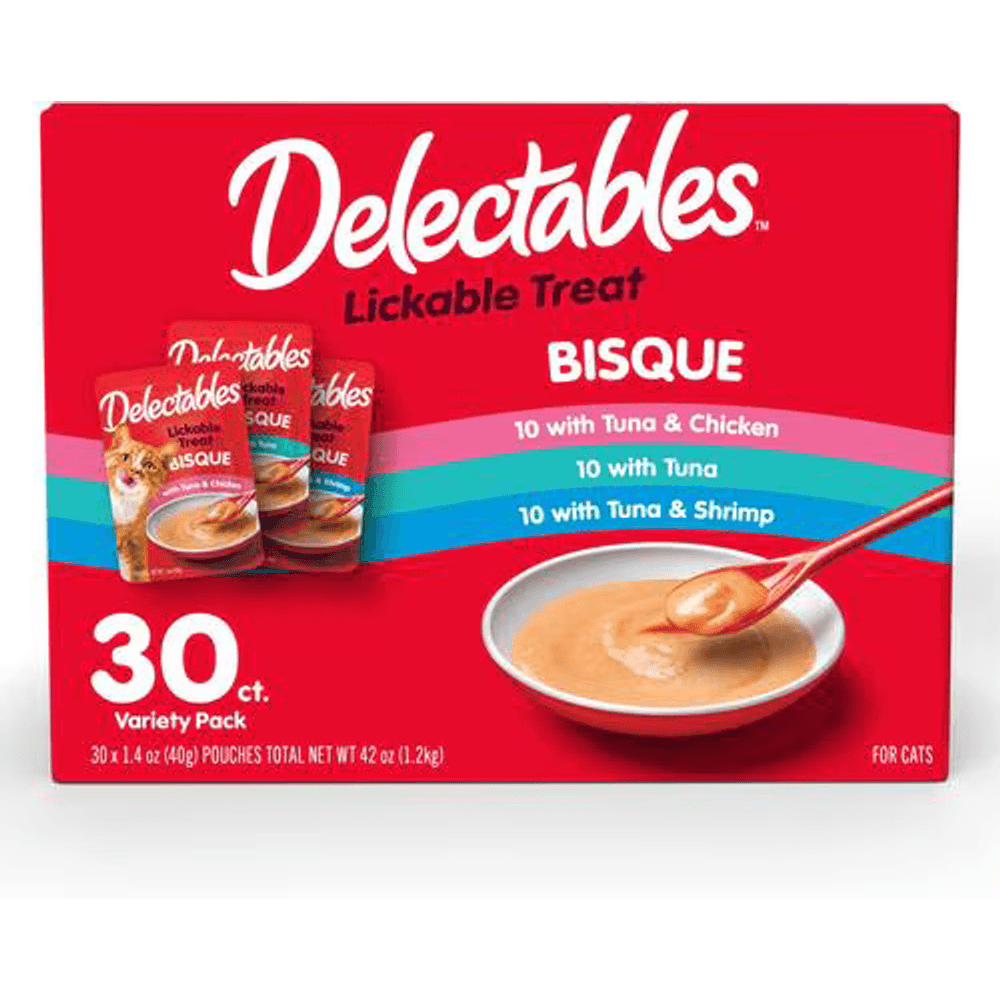
This is an optional cat treat. Review its current label, ingredients, calories, and feeding directions, and count it within the total daily extras.
Webvet may earn a commission when you click through to Chewy, at no extra cost to you.
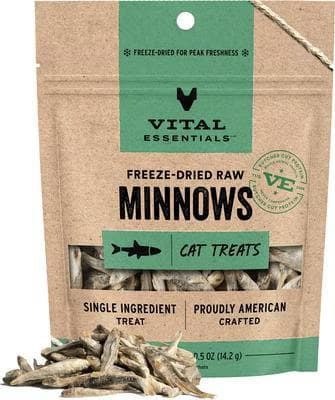
This is an optional cat treat. Review its current label, ingredients, calories, and feeding directions, and count it within the total daily extras.
Webvet may earn a commission when you click through to Chewy, at no extra cost to you.
Why salt matters more in cats
Cats evolved eating prey that is roughly 65 to 75 percent water, and higher-moisture diets can increase total water intake and urine volume. Individual drinking response varies, so avoid claiming that every cat has a fixed weak thirst drive or that salt necessarily goes uncompensated. Ketchup remains an unnecessary sodium source.
Diet moisture can affect total water intake and urine volume, but dry food does not prove that an individual cat is chronically dehydrated. Urinary and kidney diets are medical decisions. Ketchup remains an unnecessary sodium source without needing a broad dehydration claim.
Keep fresh water available, but individual cats differ in bowl, location, fountain, and diet preferences. A fountain does not increase intake in every or most cats by rule. Ask your veterinarian about hydration when urinary, kidney, vomiting, or appetite concerns are present.
Frequently Asked Questions
Will a little ketchup hurt my cat?
No universal amount guarantees that an exposure is harmless. Check the exact product and contact your veterinarian with the estimated amount and time, your cat's weight and history, packaging exposure, and symptoms. Repeated Allium exposure also changes the assessment.
Why does my cat like ketchup?
It is not the sweetness. Cats lack a functional sweet taste receptor and cannot taste sugar at all. A cat drawn to ketchup is usually responding to the salt, the umami from tomato glutamates, or the smell of the meat it was served alongside.
Can cats eat tomatoes?
Ripe tomato flesh is generally non-toxic. Avoid leaves, stems, and unripe fruit, which contain tomato glycoalkaloids, particularly tomatine. Prepared tomato sauces can contain onion or garlic, so check the exact recipe.
What should I do if my cat ate a ketchup packet?
Contact your veterinarian with the wrapper type, estimated number and time swallowed, your cat's weight and history, and any symptoms. Plastic or foil can act as a gastrointestinal foreign body. Do not induce vomiting at home.
How much onion is dangerous for a cat?
Cats are especially susceptible, and clinical signs have been reported after about 5 grams of raw onion per kilogram. That figure is not a safe ketchup threshold. Concentrated powders, repeated exposures, uncertain recipes, and serving-size estimates make home dose calculations unreliable.
What condiments are safe for cats?
Essentially none. Ketchup, mustard, ranch, mayonnaise, barbecue sauce, and soy sauce all bring salt, sugar, fat, or allium seasoning. If you want to make food more appealing for a cat, a spoonful of the water from a can of tuna packed in water, or a plain freeze dried meat topper, does the job without any of that.
Safe alternatives
More pantry & other for cats
Sources
- USDA FoodData Central: Catsup Search
FoodData Central provides current composition records returned for catsup; exact branded recipes still require their own labels.
- Merck Veterinary Manual: Garlic and Onion Toxicosis in Animals
Allium risk depends on the ingredient, concentration, dose, and susceptible patient.
- Jerzsele et al.: Effect of Xylitol on Blood Glucose and Liver Function in Cats
A small controlled study did not reproduce canine hypoglycemia or liver injury in six healthy cats, leaving broader product safety assessment necessary.
- Merck Veterinary Manual: Gastrointestinal Obstruction in Small Animals
Foreign-body risk and outcome depend on the object, amount, patient, and clinical signs.
Reviewed by Dr. Athena Gaffud, DVM
General guidance based on credible veterinary sources; not a diagnosis or a substitute for your veterinarian. If your pet ate something toxic or is unwell, contact your vet or a pet poison line right away.