
Are roses toxic to cats?
Not toxic, monitorTrue roses are non-toxic to cats, but chewing can upset the stomach and thorns can injure. Contact your vet for pain, repeated vomiting, or an unknown exposure.
Confirm the plant and monitor for problems
The identified plant is non-toxic, but injury, swallowed objects, and products on it need separate assessment. Contact your vet for symptoms or uncertainty.


Medically reviewed by Dr. Athena Gaffud, DVM · Last reviewed
What to do right now
- Move the flowers out of reach. Look for thorn injuries without forcing your cat's mouth open.
- Identify every plant in the arrangement; if it included lilies or a plant you cannot identify, call your vet or a poison line now.
- Check for missing packaging or floral materials and any product applied to the flowers. Contact your vet about those exposures or any symptoms.
What not to do
- Do not induce vomiting; roses do not need it and it can cause harm.
- Do not assume every flower labeled rose is safe. Desert rose, Christmas rose, and moss rose are different plants with real toxicity.
What to tell the vet or poison line
- Which parts were eaten and roughly how much
- Whether the bouquet came with a preservative packet or floral foam
- Every other plant in the same arrangement
- 1True roses (genus Rosa) are not toxic to cats. Petals or leaves may cause a vomit or loose stool; there is no poison to treat.
- 2The real risks ride along with the bouquet: thorns, floral foam, the flower-food packet, and pesticide residue.
- 3Plants sold with rose in the name are often toxic non-roses, and mixed arrangements hide lilies, which kill cats.
Are roses toxic to cats? No. True roses, every plant in the genus Rosa, are listed as non-toxic to cats by the ASPCA Animal Poison Control Center. That covers garden roses, hybrid teas, spray roses, miniature roses, and the long-stem roses in a florist bouquet.
Roses rarely arrive alone, though. A bouquet brings thorny stems, floral foam, a flower-food packet, and often pesticide residue, and several plants sold as some kind of rose are not roses at all. Those are the risks this guide covers.
Are roses toxic to cats? The short answer
Roses are listed as non-toxic to cats. Chewing plant material can still cause digestive upset, and thorns can injure the mouth or paws. Products applied to flowers and other plants in a bouquet need separate assessment. Check the rest of the arrangement against our cat plant hub.
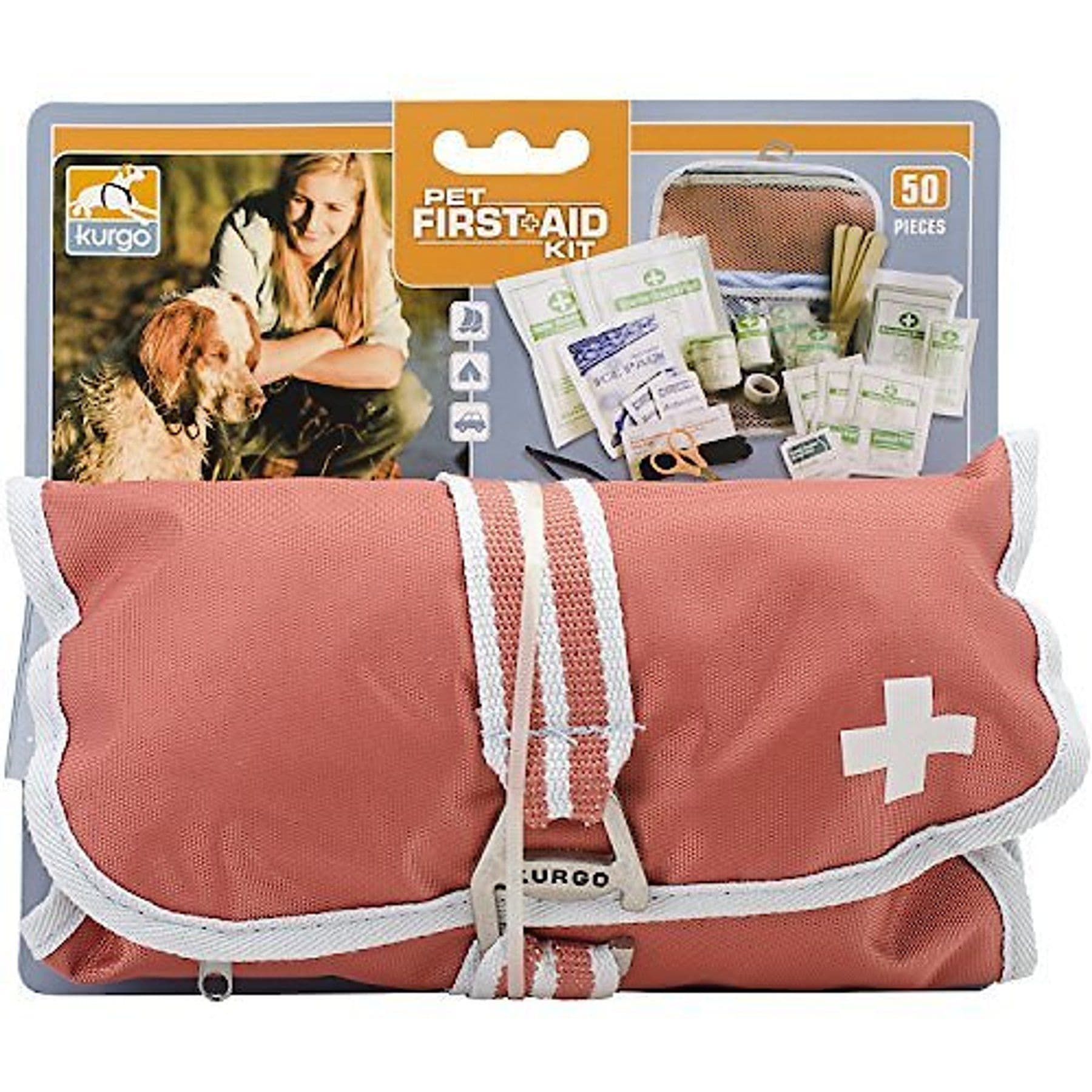
An optional kit for supplies your veterinary team recommends. It does not treat poisoning or a swallowed object; follow the clinic's instructions.
Webvet may earn a commission when you click through to Chewy, at no extra cost to you.

What to do right now
Move the flowers away and check for visible injury without forcing your cat's mouth open. A pet first-aid kit can help organize supplies, but it does not replace assessment of a painful mouth, eye, or paw. Leave embedded thorns for the veterinarian, especially near the eye or inside the mouth.
Find out what came with the flowers: a flower-food sachet, vase water, or floral foam. If your cat may have swallowed these, have the product details ready for your vet or a poison line. The advice depends on the product, concentration, amount, and any swallowed packaging.
What not to do
Do not induce vomiting at home. Roses do not call for it, hydrogen peroxide burns a cat's esophagus, and a vomiting cat can inhale stomach contents. Do not pull out a thorn embedded in the mouth, tongue, or near an eye; your vet can remove it under sedation.
Do not assume every plant called rose is a rose; the unrelated plants below have different risks. Avoid yelling or punishment. Move the bouquet somewhere inaccessible and consider cat grass as a separate chewing outlet, while continuing to supervise.
How much is dangerous: risk factors, not doses
There is no toxic dose of rose to calculate. What was chewed, and what was on it, matters far more than how much.
| What your cat did | Concern | Signs to watch for | What to do |
|---|---|---|---|
| Sniffed or brushed a confirmed rose | Thorns or accompanying plants/products | Any injury or irritation | Check the whole arrangement and restrict access |
| Chewed petals, leaves, or thornless stem | Digestive upset is possible | Vomiting, loose stool, poor appetite | Contact your vet if signs recur, persist, or worsen |
| Chewed a thorny stem | Possible mouth or other injury | Drooling, pawing, pain, blood | Ask your vet; leave an embedded thorn alone |
| Drank vase water or chewed foam | Contents and swallowed material vary | Vomiting, diarrhea, other changes | Contact your vet with the details |
| Licked or ate flower food or its packet | Product and packaging matter | Drooling, vomiting, irritation | Contact a poison line with the label |
| Chewed a treated rose | Risk depends on the applied product | Drooling, weakness, tremors, other signs | Contact a poison line with the treatment label |
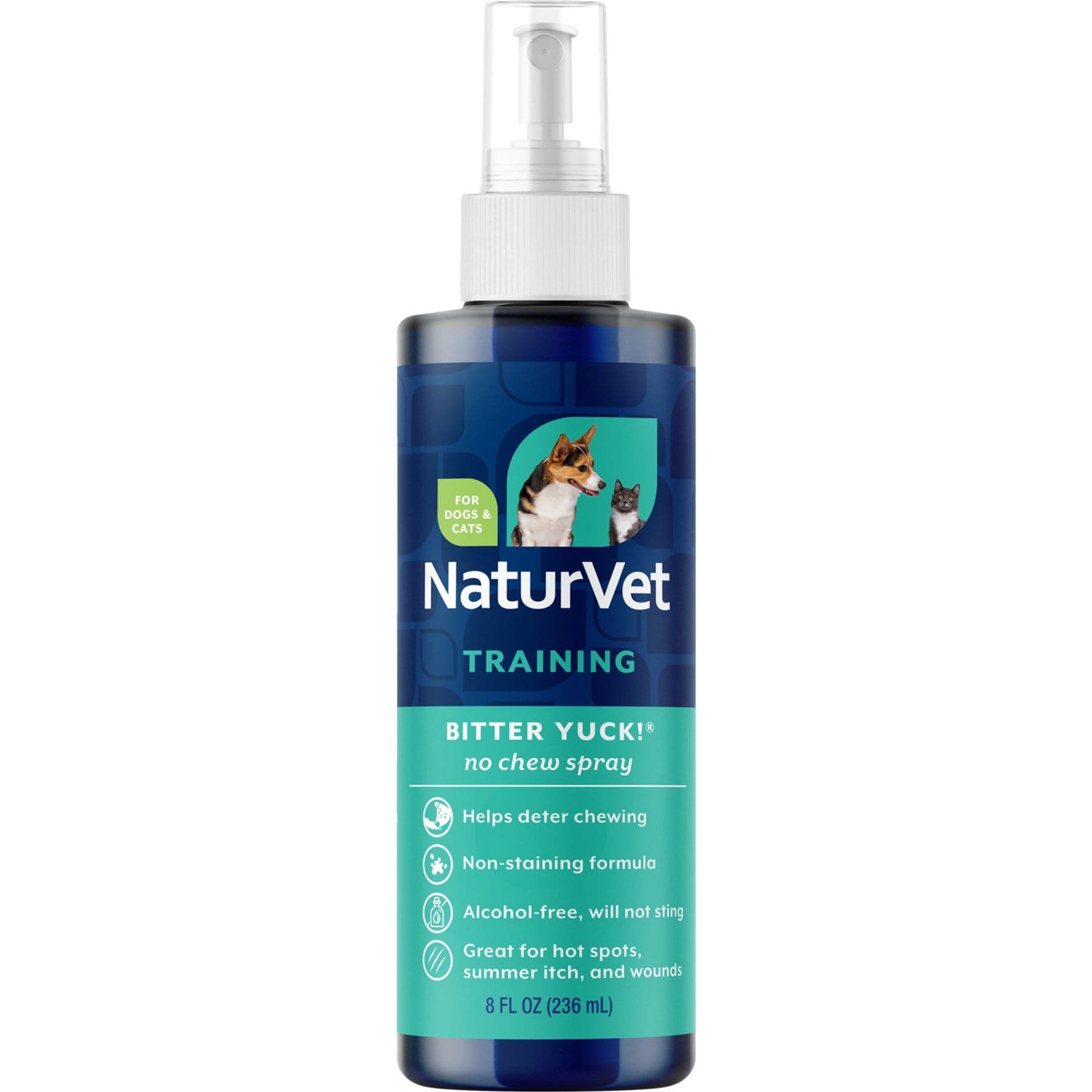
A taste deterrent is an optional preventive aid. Follow its label and keep hazardous plants inaccessible; a spray cannot guarantee chewing will stop.
Webvet may earn a commission when you click through to Chewy, at no extra cost to you.
Tell your vet about age, health conditions, repeated chewing, and anything applied to the flowers. These details help interpret the exposure; they do not establish a fixed severity category. A taste deterrent spray labeled for the intended use may be a preventive aid, but physical separation is more reliable than expecting it to stop every cat.

Symptoms and when they start
What happens if your cat eats roses? There may be no signs, or digestive upset may occur. Thorns can cause a separate injury. Report drooling, pawing at the mouth, blood-tinged saliva, swelling, squinting, or a painful paw; the signs do not identify the exact cause without examination.
Optional equipment or enrichment for your cat. Check suitability, condition, and directions, and supervise use. This product does not treat a hazardous exposure.
Webvet may earn a commission when you click through to Chewy, at no extra cost to you.
Call your vet for persistent or repeated vomiting, poor appetite, pain, injury, or worsening signs, regardless of the suspected cause. Severe weakness or breathing trouble needs urgent care. Have any product labels ready. Our symptom checker can help you describe the signs, but it cannot rule out an injury or poisoning.
Rose lookalikes that are toxic
Common names are where this topic gets dangerous. None of the plants below belong to the genus Rosa, and most can genuinely poison a cat.
- Desert rose (Adenium obesum): a succulent whose cardiac glycosides make it toxic to cats per the ASPCA: vomiting, diarrhea, an irregular heartbeat, death.
- Christmas rose, Lenten rose, and Easter rose (Helleborus): winter perennials the ASPCA lists as toxic to cats: drooling, abdominal pain, diarrhea, depression.
- Primrose (Primula vulgaris): listed as toxic to cats; mild vomiting is the expected sign.
Optional equipment or enrichment for your cat. Check suitability, condition, and directions, and supervise use. This product does not treat a hazardous exposure.
Webvet may earn a commission when you click through to Chewy, at no extra cost to you.
- Rosebay (Rhododendron, including azalea): grayanotoxin; a small amount can cause vomiting, weakness, low blood pressure, and collapse. An emergency.
- Moss rose (Portulaca oleracea): soluble calcium oxalates; drooling, tremors, and rarely kidney damage.
- Rose of Sharon (Hibiscus syriacus): the exception. Not a rose, but the ASPCA lists it as non-toxic to cats.

A mixed bouquet can contain roses and true lilies or daylilies. Even a small lily exposure, including pollen or vase water, can cause life-threatening kidney injury in cats. Check every plant in the arrangement; our lily guide covers that emergency.
What the vet will do
The veterinarian may examine the mouth, paws, and any other painful area. An eye injury or embedded thorn needs particular care. Removal, pain relief, and any further treatment depend on the location and severity of the injury; a rose-only label does not predict the length of a visit.
Avoid home remedies. Activated charcoal is a veterinary treatment decision, not a universal antidote. Contact the clinic about the actual exposure and follow its instructions.
Prevention and safer alternatives
Most of the risk leaves with a few habits: strip thorns from the lower half of each stem, discard the flower-food sachet unopened and change the water every couple of days instead, skip floral foam, ask for untreated stems, and put the vase out of reach with mesh over its mouth.
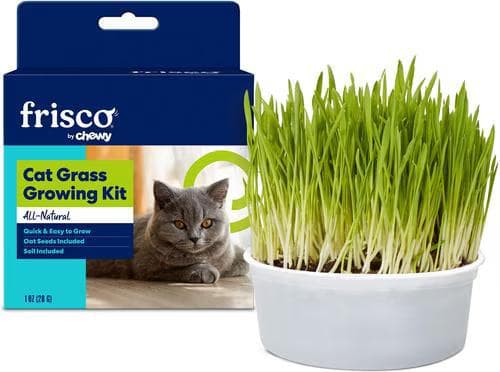
Cat grass may provide an alternative chewing outlet, but it does not guarantee a cat will stop investigating flowers. Check the product and growing materials, and keep thorns, packaging, and plant treatments inaccessible. A taste deterrent spray must follow its label and cannot replace physical separation. Our orchid and tulip guides cover other common flowers.
Why cats chew roses
Why do cats chew roses? Moving petals, scents, and access to plant material may attract investigation. A cat's interest does not establish that the plant is safe. Supervised play and an appropriate chewing alternative can offer enrichment, but keep the bouquet inaccessible.
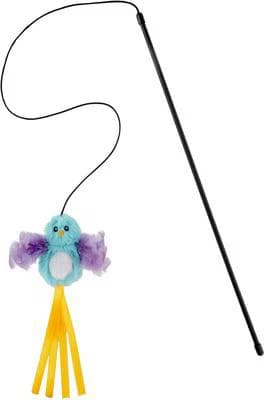
Prevent access to the flowers rather than relying on a verbal command. A supervised wand toy session offers another activity; put the toy away afterward so its string and attachments do not become a swallowing hazard.

Frequently Asked Questions
Are rose leaves toxic to cats?
No. Leaves, stems, buds, and hips of a true rose are non-toxic, though tough leaves may come back up. The exception is pesticide residue on sprayed garden or florist roses.
Are mini roses and spray roses toxic to cats?
No. Miniature, spray, and small potted roses are Rosa cultivars with the same non-toxic status. Potted supermarket roses are often treated with growth regulators and pesticides, so residue is the concern.
Are red, white, pink, or yellow roses toxic to cats?
The ASPCA non-toxic classification applies to Rosa plants and is not limited to one flower color. Dyes or other treatments on a particular bouquet need separate consideration. Ask the florist what products were used and keep vase water inaccessible.
Are preserved roses toxic to cats?
Preservation products vary. The non-toxic status of Rosa does not establish the safety of every dye, coating, or preservative. If your cat chews a preserved rose, contact your vet with the product name and ingredients when available.
Can cats be allergic to roses?
The rose references here do not establish how common allergy is in cats or the cause of sneezing near a bouquet. Remove access and contact your veterinarian for persistent irritation, facial swelling, or other concerning signs. Breathing difficulty needs urgent care.
Are roses toxic to dogs?
No. The ASPCA lists roses as non-toxic to dogs, cats, and horses. Dogs face the same thorn, flower-food, foam, and residue risks, plus one more: a whole woody stem can cause a gut blockage.
Can cats be around roses at all?
A confirmed true rose can be kept with cats if access to thorns, plant material, vase water, and accompanying products is controlled. Contact your vet for injury, recurrent or persistent symptoms, or an uncertain exposure; suspected lily exposure is an emergency.
More plants and cats
Sources
- ASPCA Animal Poison Control: Rose
Lists the rose (Rosa species, family Rosaceae) as non-toxic to cats, dogs, and horses with no toxic principle.
- ASPCA Animal Poison Control: Desert Rose
Lists desert rose (Adenium obesum) as toxic to cats because of cardiac glycosides, with vomiting, diarrhea, anorexia, depression, irregular heartbeat, and death as clinical signs.
- ASPCA Animal Poison Control: Hellebore
Lists hellebore (Helleborus niger), also called Christmas rose, Lenten rose, and Easter rose, as toxic to cats, with drooling, abdominal pain, diarrhea, colic, and depression as clinical signs.
- ASPCA: Mother's Day bouquets and pet safety
Lists roses as non-toxic while noting possible digestive upset and thorn injury to the mouth or paws.
Reviewed by Dr. Athena Gaffud, DVM
General guidance based on credible veterinary sources; not a diagnosis or a substitute for your veterinarian. If your pet ate something dangerous or is unwell, contact your vet or a pet poison line right away.