
Are orchids toxic to cats?
Not toxic, monitorOrchids such as the moth orchid are not toxic to cats. A chew may cause mild vomiting; fertilizer residue, moss and wire in the pot are the real risks.
Confirm the plant and monitor for problems
The identified plant is non-toxic, but injury, swallowed objects, and products on it need separate assessment. Contact your vet for symptoms or uncertainty.


Medically reviewed by Dr. Athena Gaffud, DVM · Last reviewed
What to do right now
- Move the orchid out of reach and look for missing plant material, moss, or clips without forcing a mouth examination.
- Identify the orchid from its botanical label; if you cannot identify it, contact your veterinarian.
- Check the labels of any fertilizer, pesticide, or other product used on the plant. A fixed waiting period does not establish safety.
- Contact your vet about swallowed pot materials, product exposure, repeated vomiting, poor appetite, or worsening signs.
What not to do
- Do not induce vomiting at home; leave decontamination decisions to your veterinarian.
- Do not assume all orchids are documented. Cymbidium is covered by ASPCA guidance, but an unidentified orchid still needs identification.
- Do not let your cat drink drainage water that may contain fertilizer or other products. Follow each product label and keep the plant inaccessible.
What to tell the vet or poison line
- The orchid type, from the tag or label, or a photo if you are not sure.
- Whether any fertilizer, pesticide, or leaf-shine product was used on the plant, and when.
- Whether moss, sphagnum, a stake, a clip, or a wire could have been swallowed.
- When the chewing happened and any vomiting, diarrhea, or drooling since.
- 1Common named orchids, including Phalaenopsis, are considered non-toxic to cats. Confirm the plant rather than assuming every store label is complete.
- 2Chewed plant material can still cause digestive upset. Repeated vomiting, poor appetite, or discomfort needs veterinary advice.
- 3Fertilizer, pesticides, moss, bark, wire, and clips require separate consideration if swallowed.
Are orchids toxic to cats? Common houseplant orchids such as the moth orchid (Phalaenopsis) are listed as non-toxic by the ASPCA. That classification does not guarantee every chewing episode is harmless: plant material can upset the stomach, and the pot can contain products or parts that need separate assessment.
Non-toxic is not harmless, though. An orchid arrives with a pot full of things that are not plant: sphagnum moss, bark, a wire stake, plastic clips, and often fresh fertilizer or a systemic pesticide.
Are orchids toxic to cats?
The ASPCA lists Phalaenopsis as non-toxic to cats, dogs, and horses, and its bouquet guidance names several other common orchid genera. That is not evidence that every orchid species or every nursery treatment has been individually tested. If you cannot identify the plant, ask your vet or a poison line for help.
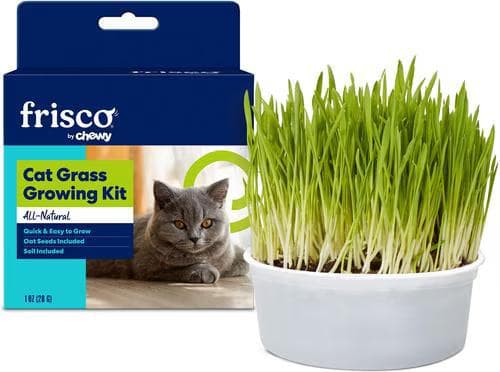
Optional equipment or enrichment for your cat. Check suitability, condition, and directions, and supervise use. This product does not treat a hazardous exposure.
Webvet may earn a commission when you click through to Chewy, at no extra cost to you.
Which orchid species are safe for cats
Are orchids pet friendly? The common genera are. Here is how the likely suspects compare.

- Phalaenopsis (moth orchid): broad leaves, long arching spike. Non-toxic on the ASPCA list.
- Dendrobium (cane orchid): jointed stems, flowers along the top. Non-toxic, per the ASPCA leopard orchid record.
- Oncidium (dancing lady): sprays of small yellow flowers. Non-toxic, per the ASPCA dancing doll orchid record.
- Cattleya (corsage orchid): large ruffled blooms. On the ASPCA non-toxic list.
- Cymbidium: included with Dendrobium, Oncidium, and Phalaenopsis in ASPCA's non-toxic bouquet guidance. For other species or an uncertain label, seek identification help rather than extending one record to every orchid.
- Lady's slipper (Cypripedium): a garden orchid whose hairy stems irritate human skin; no cat record, so keep cats off it.
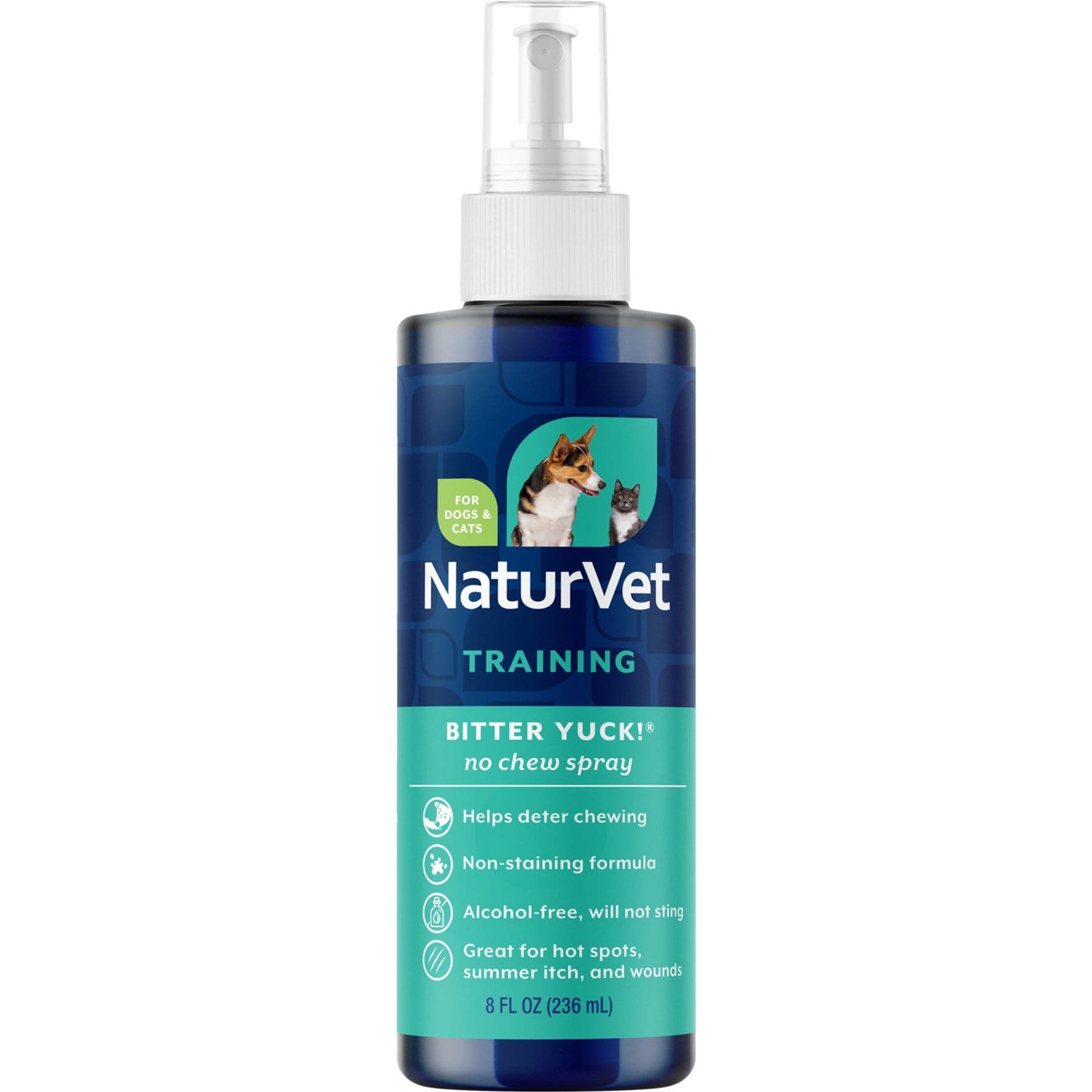
A taste deterrent is an optional preventive aid. Follow its label and keep hazardous plants inaccessible; a spray cannot guarantee chewing will stop.
Webvet may earn a commission when you click through to Chewy, at no extra cost to you.
What to do right now
The mouth check is for the parts that hurt: a clip snapped off the spike, a piece of wire or a wad of moss. If the orchid came in a florist arrangement with a lily, call your vet now; our guide to lilies and cats explains why even pollen on the fur is an emergency.
For a confirmed non-toxic orchid exposure, your veterinarian may recommend observation depending on the amount and signs. Contact the clinic for repeated vomiting, reduced appetite, or possible ingestion of pot components. Cat grass or a treat puzzle may offer enrichment, but neither rules out illness nor reliably prevents repeat chewing.
What not to do
Do not induce vomiting at home; it can cause aspiration, and a non-toxic plant does not justify the risk. Skip milk, oil and every other home remedy.

Optional equipment or enrichment for your cat. Check suitability, condition, and directions, and supervise use. This product does not treat a hazardous exposure.
Webvet may earn a commission when you click through to Chewy, at no extra cost to you.
Do not assume non-toxic covers the whole pot: fertilizer, systemic insecticides, leaf shine, moss, wire, and clips need separate assessment. Never use a pesticide as a chewing deterrent. A taste deterrent spray must be labeled for the intended use, and it should not replace keeping the plant inaccessible.
How much is dangerous
There is no established toxic dose for a confirmed non-toxic orchid. The concern instead is what was swallowed, how much, and whether pot components or applied products were involved. Tell the vet if roots, leaves, pseudobulbs, moss, bark, clips, or wire are missing. Appearance alone does not predict whether material will pass.
| What your cat got | Concern | Information to gather | Contact your vet if |
|---|---|---|---|
| Leaf, root, or pseudobulb | Digestive upset or swallowed bulk | Plant identity, amount, and signs | Vomiting repeats, appetite falls, or discomfort develops |
| Sphagnum moss or bark | Possible swallowed pot material | Amount and any applied products | Ingestion is suspected, especially with retching or pain |
| Wire stake, clip, or tie | Possible foreign body; sharp parts add concern | Which pieces are missing | Any part may have been swallowed |
| Saucer water or unknown treatment | Product-dependent exposure | Label, concentration, amount, and time | A product exposure is possible or signs develop |
Symptoms and when they start
What happens if my cat eats an orchid? A confirmed non-toxic plant may cause no signs or digestive upset. Drooling, lip smacking, or vomiting does not identify whether the cause was plant material, an applied product, or another problem. Give the veterinarian the exposure details and describe any changes.
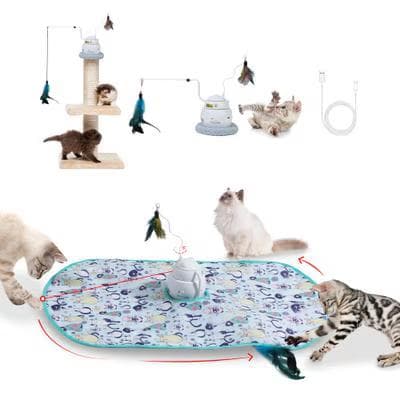
Optional equipment or enrichment for your cat. Check suitability, condition, and directions, and supervise use. This product does not treat a hazardous exposure.
Webvet may earn a commission when you click through to Chewy, at no extra cost to you.
Repeated vomiting, poor appetite, retching, pain, or blood in the saliva warrants veterinary advice. These signs do not follow a dependable 12–48 hour timetable or prove that moss, bark, or a clip is lodged somewhere. Our symptom checker can help you describe the signs while arranging care.
Hidden hazards: fertilizer, pesticides, leaf shine, moss, wire and clips
Fertilizer and other applied products need their own assessment. Pet Poison Helpline suggests keeping a moth orchid inaccessible for a day or two after fertilizing to prevent licking, but product directions and veterinary advice take priority. A systemic insecticide is taken into the plant; rinsing does not establish that it is safe to chew.

Pot hazards vary. A cat may swallow moss, bark, a clip, or wire, and drainage water may contain fertilizer or other residues. Tell your vet what is missing and which products were used. Do not assume every clip is sharp, or that a particular symptom identifies leaf shine or fertilizer as the cause.
What the vet will do
The veterinarian assesses the mouth, abdomen, hydration, and exposure history. Persistent signs or a suspected swallowed component may lead to imaging or other tests. Some objects are difficult to see directly on radiographs. Treatment and any removal procedure depend on the findings; a photograph or a single symptom does not settle the diagnosis.
Prevention and safer alternatives
Moving stems and accessible leaves may attract a cat's attention. Cat grass can provide a separate chewing outlet, and supervised play can offer enrichment. Neither guarantees a cat will leave the orchid alone, so keep the plant inaccessible.

Should I remove orchids if I get a cat? Not if you can name the genus and hang the pot above jump range. Do cats know not to eat toxic plants? No; nothing tells them a lily from a safe leaf, so the rule has to come from you.
Identify products used on a new orchid and follow their labels and veterinary advice. Remove loose components only when practical for the plant, and keep the pot inaccessible. Repotting, rinsing, or waiting an arbitrary two weeks does not establish pesticide safety.

Roses, sunflowers, and gerbera daisies are also on non-toxic lists. Tulips are toxic, with the highest concentration in the bulb; our tulip guide explains that exposure. True lilies and daylilies can cause life-threatening kidney injury in cats. See our guide to plants toxic to cats before choosing a bouquet.
Frequently Asked Questions
Are orchids toxic to dogs as well as cats?
The same ASPCA records list these orchids as non-toxic to dogs and horses. The pot hazards apply to any pet that digs in it.
Can cats be allergic to orchids?
The cited veterinary references do not establish how common orchid allergy is in cats. Sneezing near an orchid does not identify the cause. Ask your veterinarian about persistent irritation or other signs rather than assuming bark dust or mold is responsible.
My cat drank from the orchid's saucer. Is that a problem?
Plain water is nothing. Water that carried fertilizer, a preservative or a systemic product is a call to your vet, product name in hand.
Are orchids in a bouquet safe for cats?
The orchid is. Floral foam, preservative in the water and any lily in the vase are not, and a lily makes it an emergency.
Is a Phalaenopsis safe on a windowsill my cat uses?
Safe in the toxic sense, yes. In practice a windowsill is a launch point and the spike will get chewed, so hang it above jump height.
More plants and cats
Sources
- ASPCA Animal Poison Control: Phalaenopsis Orchid
Lists Phalaenopsis sp. (moth orchid, moon orchid) as non-toxic to cats, dogs, and horses.
- ASPCA Animal Poison Control: Leopard Orchid (Dendrobium)
Lists Dendrobium gracilicaule as non-toxic to cats, dogs, and horses.
- ASPCA Animal Poison Control: Dancing Doll Orchid (Oncidium)
Lists Oncidium flexuosum as non-toxic to cats, dogs, and horses.
- Pet Poison Helpline: Pet Safe Plants
Names the Phalaenopsis orchid as a pet-safe houseplant and advises keeping it out of a cat's or dog's reach for a day or two after fertilizing so the pet does not lick the fertilizer.
- ASPCA: A safe bouquet for Mother's Day
Names Cymbidium, Dendrobium, Oncidium, and Phalaenopsis among non-toxic bouquet flowers; any plant material may cause digestive upset.
- ASPCA: Easter Cattleya
Lists Cattleya mossiae as non-toxic to cats, dogs, and horses.
Reviewed by Dr. Athena Gaffud, DVM
General guidance based on credible veterinary sources; not a diagnosis or a substitute for your veterinarian. If your pet ate something dangerous or is unwell, contact your vet or a pet poison line right away.