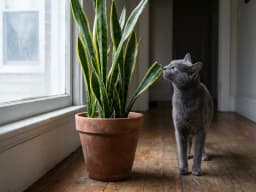
Are snake plants toxic to cats?
Needs a vetSnake plants are toxic to cats. Contact your vet promptly after ingestion; repeated vomiting, marked weakness, or wobbliness needs urgent assessment.
Contact your veterinarian or a pet poison line promptly
Describe the exposure and any signs so they can advise on care. Trouble breathing, collapse, seizures, or severe weakness needs immediate emergency care.


Medically reviewed by Dr. Athena Gaffud, DVM · Last reviewed
What to do right now
- Move your cat away from the plant and pick up any chewed pieces.
- Check for missing leaf material and note the time.
- Contact your veterinarian or a pet poison line promptly, even if your cat seems fine.
- Watch for worsening signs while arranging advice. Marked weakness, wobbliness, or repeated vomiting needs urgent assessment.
What not to do
- Do not induce vomiting at home or give any home remedy; let your veterinarian decide what is needed.
- Do not assume a small nibble is harmless because the plant is common; saponins still irritate the stomach and gut.
- Do not leave the plant where your cat can return to it while you wait for the vet to call back.
What to tell the vet or poison line
- The plant name (snake plant, Sansevieria, or Dracaena trifasciata) and a photo of the chewed leaves.
- Roughly how much leaf is missing and when your cat most likely ate it.
- Your cat's weight and any signs so far, such as drooling, vomiting, or diarrhea.
- Any other plants, medications, or foods your cat could have reached.
- 1Snake plants (Dracaena trifasciata, also called Sansevieria) contain saponins and are toxic to cats.
- 2Reported signs include drooling, vomiting, and diarrhea; Pet Poison Helpline also reports dilated pupils and a wobbly gait in cats.
- 3Contact your veterinarian promptly after suspected ingestion. Severe signs require urgent assessment, without waiting for a fixed recovery period.
If you are searching are snake plants toxic to cats after finding tooth marks on a leaf, the answer is yes. Snake plant, also sold as mother-in-law's tongue, contains saponins. The ASPCA lists nausea, vomiting, and diarrhea; Pet Poison Helpline also reports drooling, dilated pupils, and a wobbly gait in cats.
Contact your veterinarian promptly after suspected ingestion. The amount, your cat's size and health, and any signs help determine whether observation or a clinic visit is appropriate. This guide covers the exposure details to gather, symptoms to report, prevention, and the plant's air-purifier reputation.
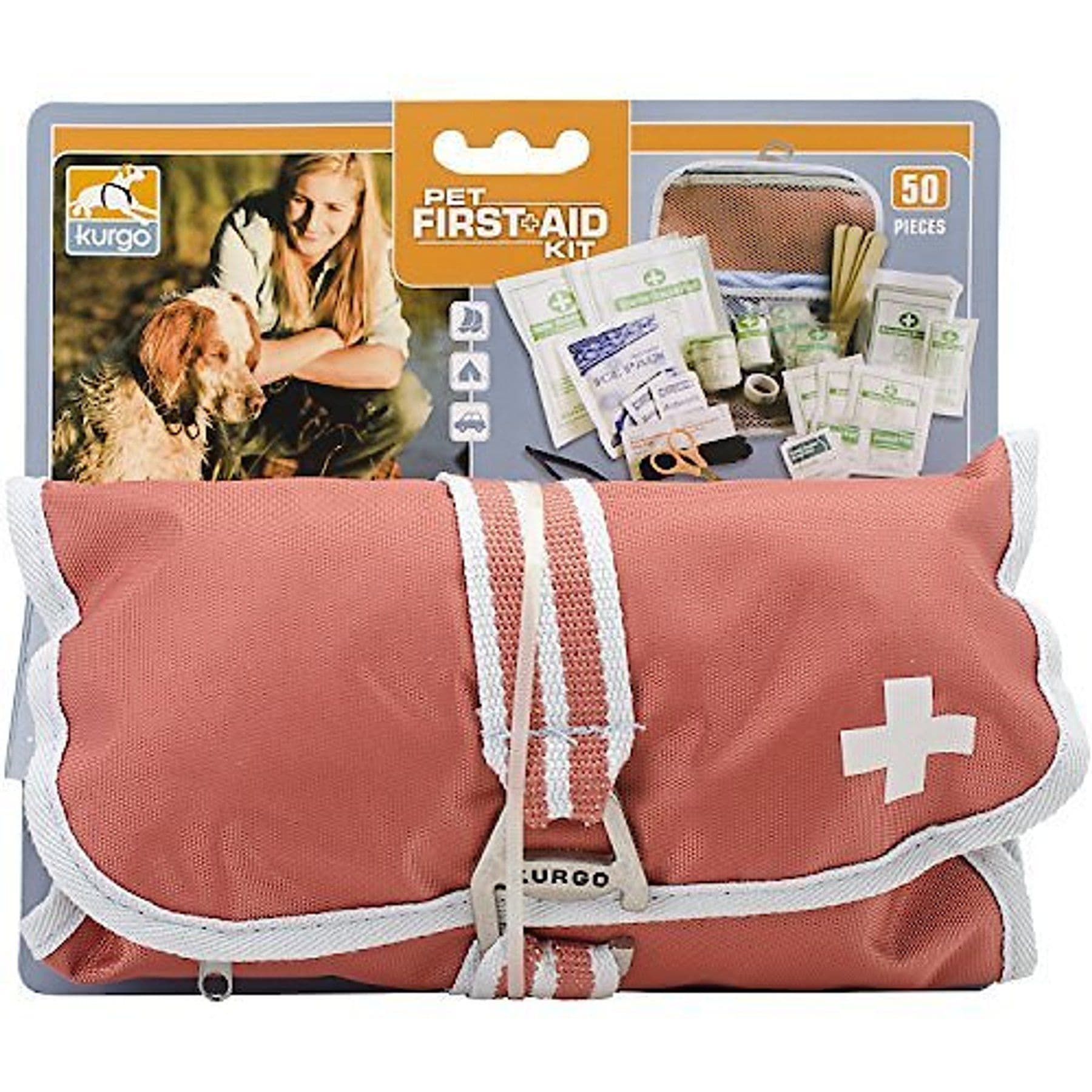
An optional kit for supplies your veterinary team recommends. It does not treat poisoning or a swallowed object; follow the clinic's instructions.
Webvet may earn a commission when you click through to Chewy, at no extra cost to you.
Are snake plants toxic to cats? Yes: saponins and what they do
Saponins sit in every leaf and stem, and the ASPCA's snake plant entry names them as the toxic principle. They act like a detergent on the cells they touch: burning and drooling in the mouth, then nausea, vomiting, and diarrhea. Merck's houseplant toxicology table lists the same three signs for Sansevieria.

Gastrointestinal irritation is a recognized effect, but the amount actually swallowed can be hard to estimate. Do not assume thick leaves mean a harmless exposure. Dilated pupils or an unsteady gait need urgent assessment; Pet Poison Helpline does not restrict those reported signs to a particular known amount.
What to do right now
Move the plant away and note the time. Photograph the whole plant, its label, and any damage to help your veterinarian identify it and assess what might be missing. A bite-mark photo helps, but it does not settle the species or prove how much was swallowed.
Expect questions about weight, age, health conditions, timing, and symptoms. A pet first-aid kit can keep contact numbers and supplies organized, but it is not treatment for poisoning. Avoid forcing the mouth open or probing for fibers. The veterinarian decides whether your cat should be examined.
What not to do
- Do not induce vomiting at home. Your veterinarian or a poison line should decide whether decontamination is appropriate.
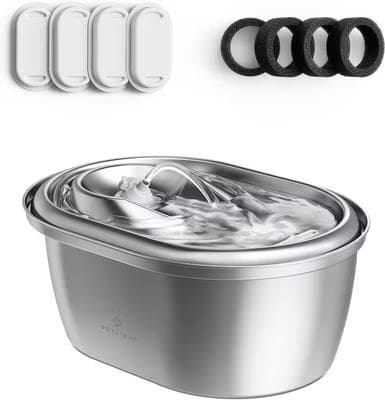
Optional equipment or enrichment for your cat. Check suitability, condition, and directions, and supervise use. This product does not treat a hazardous exposure.
Webvet may earn a commission when you click through to Chewy, at no extra cost to you.
- Do not pour milk, oil, or bread into your cat. Nothing in the kitchen binds saponins.
- Do not wait out repeated vomiting, marked weakness, wobbliness, collapse, or breathing difficulty. Seek urgent veterinary assessment now.
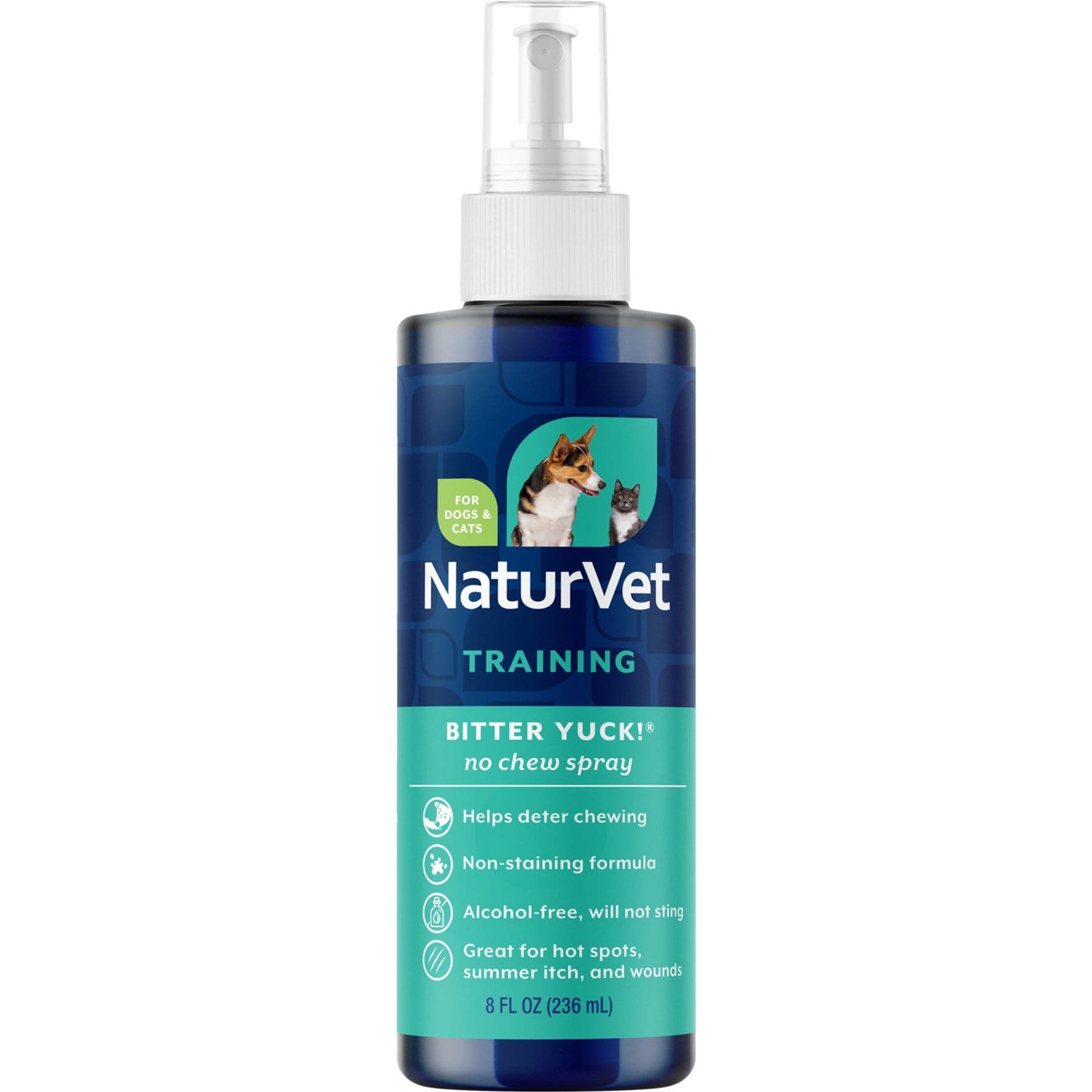
A taste deterrent is an optional preventive aid. Follow its label and keep hazardous plants inaccessible; a spray cannot guarantee chewing will stop.
Webvet may earn a commission when you click through to Chewy, at no extra cost to you.
- Do not assume a nibble is harmless in a kitten or a small, elderly, or sick cat. Their margin for fluid loss is thin.
How much is dangerous: a lick versus a chew
There is no leaf count that is safe; what matters is what went in and who ate it. A lick collects a trace of sap, a chew that is spat out leaves saponins mostly in the mouth, and swallowed pieces put the irritant where it does the most work. A kitten gets a bigger exposure from the same fragment, a senior with early kidney disease cannot spare the fluid vomiting costs, and repeated grazing keeps the irritation going.
| Exposure or signs | Information to gather | Timing | Your move |
|---|---|---|---|
| Licked or mouthed a leaf | Plant identity and any signs | Note when it happened | Contact your vet promptly |
| Chewed and spat out material | Amount that may still have been swallowed | Note when it happened | Contact your vet promptly |
| Swallowed leaf pieces | Approximate amount and product treatments | Signs and duration vary | Contact your vet promptly |
| Unknown amount or an unwell cat | Weight, health conditions, and missing material | Do not wait for a set interval | Contact your vet promptly |
| Wobbliness, collapse, or severe illness | Any other exposures as well as the plant | Any time | Urgent veterinary assessment now |
Describe what you saw and follow the veterinarian's plan. Keep the plant behind a closed door the cat cannot open. Cat grass may offer a chewing outlet, and a taste deterrent spray must follow its label, but neither guarantees prevention or makes a toxic plant safe to reach.
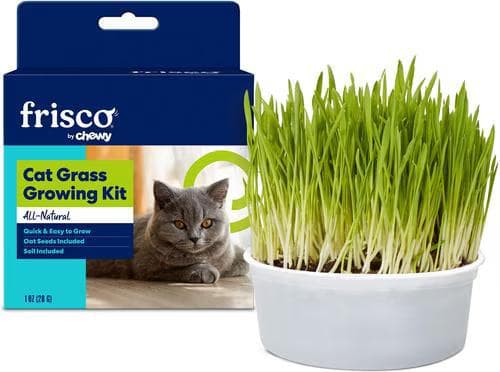
Optional equipment or enrichment for your cat. Check suitability, condition, and directions, and supervise use. This product does not treat a hazardous exposure.
Webvet may earn a commission when you click through to Chewy, at no extra cost to you.

Symptoms and when they start
What happens if a cat eats a snake plant? Reported signs include nausea, drooling, vomiting, and diarrhea. Pet Poison Helpline also reports dilated pupils and wobbliness in cats, without establishing a leaf-count threshold. Do not infer anemia or other specific organ effects from laboratory properties of saponins alone.
Recovery depends on the exposure and symptoms; these sources do not establish a universal 24–72 hour recovery period. Follow the veterinarian's advice about monitoring and hydration. A water fountain may be a familiar water source, but do not force fluids or rely on it to treat dehydration. Severe or worsening signs need prompt reassessment. Our symptom checker can help describe signs while arranging care; it cannot diagnose the cause.
What the vet will do
Treatment depends on the exposure and examination. The veterinarian may assess the mouth and abdomen, hydration, and any neurological signs. Nausea or fluid loss may need supportive treatment. Any decontamination decision belongs to the clinic; do not assume an antidote is available or attempt home treatment.

Tests, treatment, and the need for hospitalization depend on the findings and response. Bloodwork may help evaluate an unwell cat or another possible cause. Do not use a promised same-day discharge as a reason to delay calling.
Prevention and safer alternatives
Can you have a snake plant if you have a cat? Only behind a door the cat cannot open, and it may not be worth it. The air-purifier reputation rests on a 1989 NASA experiment in sealed chambers; later reviews found that ordinary ventilation clears a real room far faster than any realistic number of houseplants, so the clean-air benefit does not offset a plant that sends cats to the vet.
Keep snake plants out of any area your cat can reach, including windowsills, low shelves, side tables, and climbable cabinets. Sharp leaf tips can also cause injury. A closed room may prevent access; a hanging planter is not a guarantee. Snake plants are also toxic to dogs. Veterinary plant records do not establish the effects of human exposure; contact a human poison service for that question.
The safest plants for cats are on the ASPCA non-toxic list and survive a chew: spider plant, Boston fern, areca and parlor palms, calathea, peperomia, and cat grass grown from wheat or oat seed. Swap carefully: pothos, ZZ plant, and dieffenbachia are also toxic. Check our cat plant hub before you buy, and the lilies guide before any bouquet comes in.

Frequently Asked Questions
What happens if a cat licks a snake plant?
A lick or mouthing exposure may cause no signs or irritation, but the amount is often uncertain. Contact your veterinarian promptly, describe the plant and any symptoms, and follow the monitoring advice.
Are snake plants toxic to dogs?
Yes. ASPCA also lists snake plant as toxic to dogs, with nausea, vomiting, and diarrhea among the signs. Contact your veterinarian or a poison line promptly about a dog's exposure.
Are snake plants toxic to humans or kids?
This page uses veterinary sources and cannot establish the effects of a human exposure. If a child chews the plant or gets sap in an eye, contact a human poison service with the plant identity and any product details.
Can a cat get sick from touching a snake plant?
Brushing an intact leaf differs from chewing or swallowing plant material. Avoid sap contact and sharp leaf tips, and contact your vet for irritation, an eye injury, or uncertainty about ingestion. A visible scratch or symptom needs its own assessment.
How long does snake plant poisoning last in cats?
Recovery time varies. Follow your veterinarian's monitoring and treatment plan. Repeated vomiting, poor appetite, worsening weakness, or wobbliness warrants prompt reassessment; do not wait until a full day has passed.
Is a ZZ plant or pothos a safer swap?
No. ZZ plant, pothos, and dieffenbachia contain calcium oxalate crystals that cause intense mouth pain in cats. Choose spider plant, Boston fern, or cat grass instead.
More plants and cats
Sources
- ASPCA Animal Poison Control: Snake Plant
Lists saponins as the toxic principle of snake plant (Sansevieria trifasciata) and nausea, vomiting, and diarrhea as the clinical signs in cats and dogs.
- Pet Poison Helpline: Sansevieria
States that Sansevieria contains saponins in its leaves and stems and that ingestion causes drooling and vomiting, with cats also showing dilated pupils and a wobbly gait.
- Pet Poison Helpline: Mother-in-Law's Tongue
Describes ingestion of mother-in-law's tongue by pets as causing gastrointestinal distress such as drooling, vomiting, and diarrhea.
- Merck Veterinary Manual: Houseplants and Ornamentals Toxic to Animals
Lists Sansevieria among houseplants toxic to animals, with saponins causing vomiting, salivation, and diarrhea.
- Cummings and Waring: Potted plants and indoor air quality
Reviews plant VOC removal studies and concludes that realistic numbers of passive potted plants do not match ordinary building ventilation for pollutant removal.
Reviewed by Dr. Athena Gaffud, DVM
General guidance based on credible veterinary sources; not a diagnosis or a substitute for your veterinarian. If your pet ate something dangerous or is unwell, contact your vet or a pet poison line right away.