
Are tulips toxic to cats?
Needs a vetTulips are toxic to cats, especially the bulbs. Contact your veterinarian or a poison line promptly after ingestion, even if your cat seems well.
Contact your veterinarian or a pet poison line promptly
Describe the exposure and any signs so they can advise on care. Trouble breathing, collapse, seizures, or severe weakness needs immediate emergency care.


Medically reviewed by Dr. Athena Gaffud, DVM · Last reviewed
What to do right now
- Move your cat away from the plant and pick up any bulbs, petals, or leaves within reach.
- Note the part eaten, amount missing, and time. Do not force the mouth open or reach into the throat.
- Contact your veterinarian or a pet poison line promptly, even if your cat looks normal.
- Seek immediate care for breathing changes, collapse, marked weakness, or other severe signs.
What not to do
- Do not induce vomiting at home; leave that decision to your veterinarian.
- Do not assume a small petal or leaf exposure is safe to monitor without advice.
- Do not wait for a full day of symptoms before calling. Bulb ingestion is especially concerning.
What to tell the vet or poison line
- Which part of the tulip was eaten (bulb, petals, leaves, or stem) and about how much.
- When it happened and whether your cat has vomited, drooled, or had diarrhea since.
- Your cat's weight, age, and any health conditions or medications.
- Whether the tulips or bulbs were treated with fertilizer, fungicide, or a bulb coating.
- 1Tulips are toxic to cats. Tulipalin A and B are among the irritating compounds, with the highest concentration in the bulb.
- 2Contact your veterinarian or a pet poison line promptly after suspected ingestion, including petals or leaves. They can advise whether monitoring is appropriate.
- 3Tulips differ from true lilies and daylilies, which can cause life-threatening kidney injury in cats. Confirm the plant identity.
Are tulips toxic to cats? Yes. The ASPCA Animal Poison Control Center lists Tulipa species as toxic to cats, and the toxic principles, tulipalin A and B, occur in every part of the plant. The bulb holds the most, so a petal and a bulb are very different exposures.
Most tulip exposures are mild, but the first job is working out which part was eaten and how much. This guide covers when signs start, what your vet will do, how tulips differ from the lilies that kill cats, and which spring flowers are safe.
Are tulips toxic to cats? The short answer
Tulipalin A and B are lactones that irritate tissue on contact. Pet Poison Helpline puts it plainly: small amounts of leaf, stem, or flower cause mild nausea and vomiting, while the bulb can cause persistent vomiting, diarrhea, drooling, loss of appetite, and lethargy.

An optional kit for supplies your veterinary team recommends. It does not treat poisoning or a swallowed object; follow the clinic's instructions.
Webvet may earn a commission when you click through to Chewy, at no extra cost to you.
So are tulips pet friendly? No. Are tulips poisonous to cats the way lilies are? Also no. Tulips sit in the lily family, which causes endless confusion: true lilies (Lilium) cause acute kidney failure from a tiny exposure, while tulips cause treatable mouth and gut irritation.

What to do right now
Move your cat away from the tulips and note the part eaten, amount, and time. Do not force a mouth examination or reach into the throat. Ask your veterinarian how to handle visible residue. A first-aid kit can hold the clinic's number and supplies the veterinary team recommends; it does not treat the exposure.
Then call with your cat's weight, the part eaten, the amount, and the time ready; that decides between home monitoring and a same-day visit. A pet first-aid kit by the door with the poison-line numbers taped inside the lid saves minutes.
What not to do
Do not induce vomiting at home. Hydrogen peroxide burns a cat's esophagus, and bringing an irritant plant back up doubles the exposure. Do not wait overnight after a bulb was chewed, and do not assume a sniff was a bite. A weak, wobbly, or oddly breathing cat needs to be seen now; for anything less clear, our symptom checker helps.
How much is dangerous: risk factors, not doses
No reliable safe amount of tulip for a cat is established by these sources. Plant part, amount, the cat's size and health, and any product applied to the plant all matter. Tell your veterinarian what you saw rather than using a petal count as a safety rule.
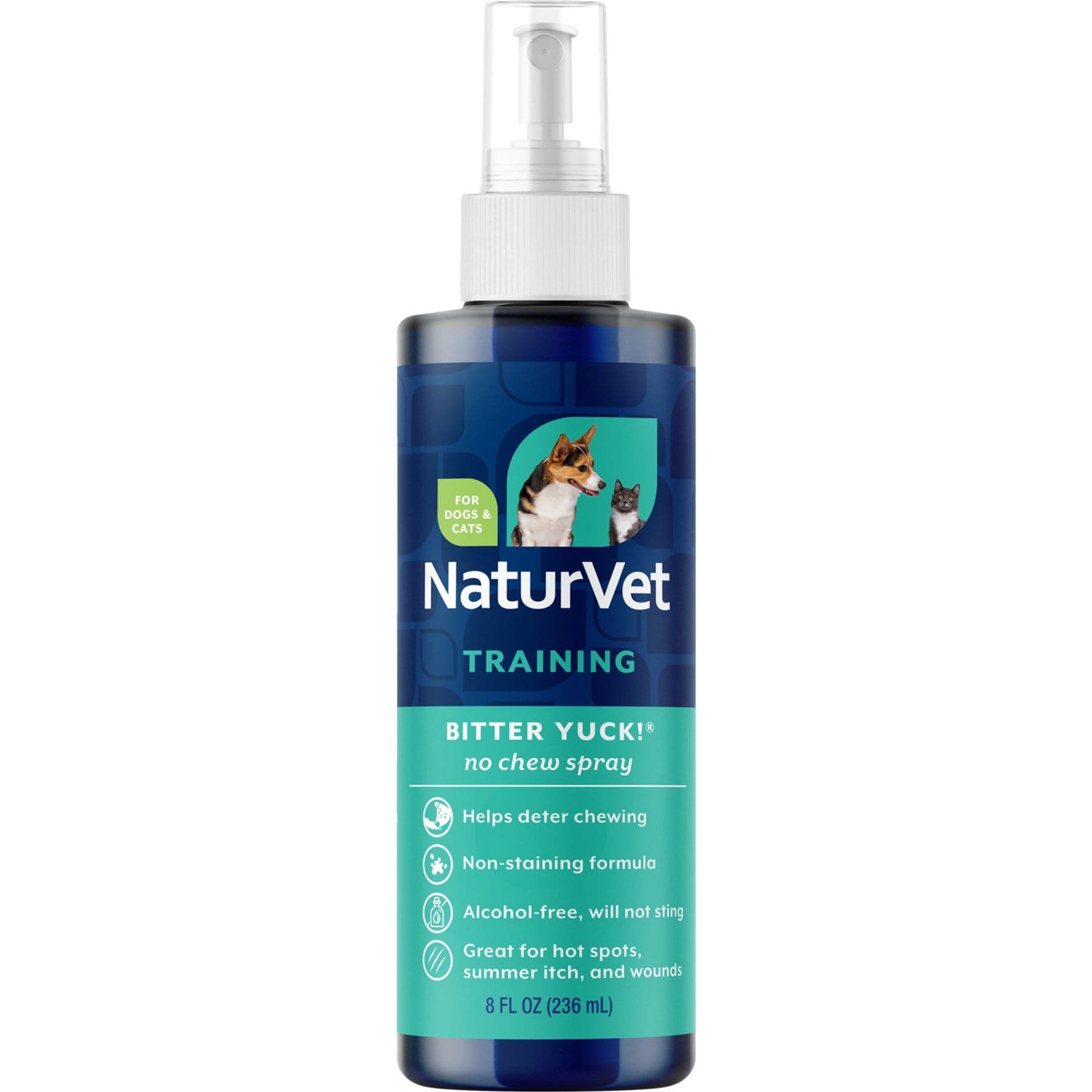
A taste deterrent is an optional preventive aid. Follow its label and keep hazardous plants inaccessible; a spray cannot guarantee chewing will stop.
Webvet may earn a commission when you click through to Chewy, at no extra cost to you.
| What happened | Concern | Signs to report | Action |
|---|---|---|---|
| Sniffed flowers or pollen on fur | Confirm plant and any contact or ingestion | Irritation or any change in behavior | Prevent grooming of residue; ask how to clean it if uncertain |
| Chewed a petal or leaf | Lower toxin concentration than bulb, but still toxic | Drooling, vomiting, diarrhea | Contact vet or poison line promptly |
| Ate a flower or several leaves | Amount may increase irritation | Repeated vomiting or diarrhea | Contact vet or poison line promptly |
| Chewed bulb material | More concentrated exposure | Vomiting, drooling, poor appetite, lethargy | Call promptly, even without signs |
| Ate several bulbs or has severe signs | Potentially serious exposure | Weakness, breathing changes, collapse | Emergency veterinary care now |
| Drank tulip vase water | Plant residues and added products vary | Drooling, vomiting, other changes | Contact vet or poison line with product details |
Risk also rises with a bag of unplanted bulbs in the garage, an outdoor cat that digs fresh beds, a kitten or small cat, repeated nibbling from a vase, and existing kidney, heart, or bowel disease. A taste deterrent spray on planters and vase rims is a stopgap while you move the plants.
What happens if a cat sniffs tulips or gets pollen on its fur?
Sniffing a tulip is different from swallowing it, but contact with plant material may irritate, and residue on fur may be swallowed during grooming. Keep the plant away and ask your vet about cleaning any residue. If the flower could be a true lily, pollen contact warrants an immediate emergency call.
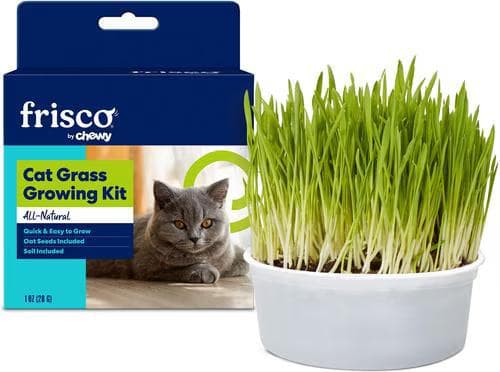
Optional equipment or enrichment for your cat. Check suitability, condition, and directions, and supervise use. This product does not treat a hazardous exposure.
Webvet may earn a commission when you click through to Chewy, at no extra cost to you.

Symptoms and when they start
Signs usually begin within a few hours of chewing the plant, often sooner, because tulipalin irritates the mouth on contact. Drooling comes first, then vomiting, diarrhea in some cats, and a dropped appetite; the ASPCA lists vomiting, depression, diarrhea, and hypersalivation as the clinical signs.
Small leaf or flower exposures may produce mild gastrointestinal signs, but that is not a guarantee for an individual cat. UC Davis warns that fluid loss can cause dehydration and that larger bulb ingestions can affect heart rate and breathing. Contact your vet promptly; severe vomiting, weakness, or breathing changes needs immediate care.
What the vet will do
There is no antidote for tulipalin and no confirmatory test, so treatment limits absorption and supports your cat through the signs. If the ingestion was recent and significant, your vet may decide to induce vomiting in the clinic, then may follow with activated charcoal to bind toxin still in the gut; gastric lavage is uncommon.

Optional equipment or enrichment for your cat. Check suitability, condition, and directions, and supervise use. This product does not treat a hazardous exposure.
Webvet may earn a commission when you click through to Chewy, at no extra cost to you.
Supportive care addresses the signs present, including nausea and dehydration. Your veterinarian decides which treatments and monitoring are needed based on the exposure, examination, and response. A cat with breathing or heart-rate changes may need hospital care. The length of treatment is individual, not a fixed one- or two-day stay.

Tulips versus true lilies and other spring bulbs
Spring bulbs share a season, which is why tulips get lumped with lilies. In a cat they behave very differently, and that decides how urgent the call is.
- Tulip: irritating compounds including tulipalin A and B, most concentrated in the bulb. Tulips do not cause the characteristic true-lily kidney-toxic syndrome, but significant illness still requires veterinary care.
- Hyacinth: similar compounds concentrated in the bulb; drooling, vomiting, diarrhea. Pet Poison Helpline groups it with tulips.
- Daffodil: lycorine and calcium oxalate crystals, bulb most toxic; severe vomiting and, after a large bulb dose, heart-rhythm and blood-pressure changes.
- True lily (Lilium) and daylily: every part, including pollen and vase water, can cause acute kidney failure within days. Pollen on the fur is an emergency.
If you cannot identify the flower, contact your veterinarian or poison line promptly. Treat possible true-lily exposure as an emergency. Our lily guide explains that kidney hazard, and the cat plant hub covers the other plants in this first group of guides.
Prevention and safer alternatives
The most reliable way to prevent tulip exposure is to exclude tulips and loose bulbs from areas your cat can access. Store planting bulbs securely behind a closed door and restrict access to fresh beds. A high shelf is not a dependable barrier for a climbing cat.
A tray of cat grass may provide an alternative chewing outlet, and a play tunnel or supervised play can offer enrichment. These options do not reliably stop every cat from chewing plants. A cat that keeps investigating tulips needs physical separation from them.
Cat-safe spring flowers
What flowers can I get if I have a cat, and what plants are safe? Plenty, all listed as non-toxic to cats by the ASPCA: roses (thorns removed), sunflowers, snapdragons, gerbera daisies, zinnias, freesia, orchids, and alstroemeria (Peruvian lily, not a true lily). Safe windowsill plants include spider plants, Boston ferns, and African violets.

Frequently Asked Questions
Are tulips toxic to dogs?
Yes. The same tulipalin affects dogs, which are the ones most likely to eat a whole bag of bulbs. Signs match: drooling, vomiting, diarrhea, and after a big bulb dose, heart and breathing changes.
Can tulips kill a cat, and how fast?
Severe tulip exposure can cause serious illness, particularly after bulb ingestion. The sources here do not establish a reliable fatality rate or time to death. Do not use a petal-only exposure as a guarantee of safety; contact your veterinarian, and seek immediate care for severe signs.
Are peony tulips or parrot tulips any different?
No. Peony, parrot, fringed, and species tulips are all Tulipa cultivars with the same toxins. Double flowers carry more petal mass per stem, but the bulb is still the dangerous part.
Can cats be allergic to tulips?
Tulip compounds can cause contact reactions in people, but that does not establish the cause of a cat's red or itchy skin. Remove access to the plant and ask your veterinarian about irritation or other symptoms rather than diagnosing an allergy at home.
Is tulip vase water dangerous for cats?
Vase water may contain plant residues and added flower products. Risk depends on the contents and amount, so contact your vet or a poison line with those details. A small number of laps is not an established safety threshold. Keep the vase inaccessible.
My cat ate a tulip petal and seems fine. Do I still need to call?
Contact your veterinarian or a pet poison line promptly, even if your cat looks normal. Describe the part and amount eaten; they can advise whether home monitoring is appropriate. Do not wait for a full day of symptoms before calling.
Are tulips toxic to humans?
Mildly. Bulbs mistaken for onions have caused nausea and vomiting, and handling them gives some people a rash. The bag a cat can reach is the bag a toddler can, so store it sealed and high.
More plants and cats
Sources
- ASPCA Animal Poison Control: Tulip
Lists Tulipa spp. as toxic to cats, names tulipalin A and B as the toxic principles, states the highest concentration of toxin is in the bulb, and gives vomiting, depression, diarrhea, and hypersalivation as clinical signs.
- Pet Poison Helpline: Tulips and Hyacinths
States that small amounts of leaves, stems, or flowers may cause mild nausea and vomiting, while bulb ingestion risks persistent gastrointestinal distress and lethargy.
- UC Davis School of Veterinary Medicine: Garden Plants Toxic to Pets
Describes irritating lactones in tulips, concentrated in bulbs, with gastrointestinal signs and dehydration; larger bulb ingestions may also affect heart rate and breathing.
Reviewed by Dr. Athena Gaffud, DVM
General guidance based on credible veterinary sources; not a diagnosis or a substitute for your veterinarian. If your pet ate something dangerous or is unwell, contact your vet or a pet poison line right away.