
Are lilies toxic to cats?
EmergencyLilies and daylilies can cause fatal kidney failure in cats. Call an emergency vet now after any suspected exposure, including pollen or vase water.
Call a poison line or emergency vet now
Do not wait for symptoms.


Medically reviewed by Dr. Athena Gaffud, DVM · Last reviewed
What to do right now
- Call a pet poison control line or an emergency veterinarian right now, before any signs appear.
- Move the lily and its vase out of the house and confine your cat so it cannot go back to it.
- Check your cat's fur, face, and paws for pollen and note whether the vase water was within reach; tell the vet about both.
- Take the plant, a cutting, or a clear photo of the flower with you so the species can be confirmed.
What not to do
- Do not wait for symptoms; early signs can look mild and can even improve for a while before the kidneys fail.
- Do not induce vomiting at home or give any home remedy.
- Do not assume a lily is safe because your cat only licked it; pollen on the fur and vase water count as exposure.
What to tell the vet or poison line
- The type of lily if you know it, or bring the plant, a cutting, or a photo of the flower.
- How your cat was exposed: chewed leaf or petal, pollen on the fur, or vase water, and roughly when.
- Your cat's weight, age, and any signs so far, such as vomiting, drooling, or not eating.
- Whether your cat has any known kidney problems or takes any medication.
- 1True lilies (Lilium) and daylilies (Hemerocallis) can cause life-threatening kidney injury in cats. Pollen and vase water count as exposures.
- 2Peace, calla, and Peruvian lilies are different plants with different risks. Confirm the plant instead of relying on the common name.
- 3Call a poison line or emergency vet now, before signs appear. Seek care regardless of how long ago the exposure occurred.
If you are asking are lilies toxic to cats, the answer is yes, and suspected exposure is an emergency. A cat that chews a leaf, grooms pollen off its coat, or drinks from the vase of a true lily or daylily can develop kidney injury. Treatment should begin as soon as possible.
The word lily is the problem: florists apply it to several unrelated plants, and only two attack the kidneys. This guide sorts them, explains why pollen and vase water count, walks the timeline, and says what is known about survival.
Which lilies kill and which only irritate
True lilies belong to Lilium; Hemerocallis are daylilies. Both groups can cause kidney injury in cats. Lilium includes Easter, tiger, Asiatic, Oriental, stargazer, and rubrum lilies. Use the botanical name and photographs of the whole plant to help your veterinarian identify the exposure.

Optional equipment or enrichment for your cat. Check suitability, condition, and directions, and supervise use. This product does not treat a hazardous exposure.
Webvet may earn a commission when you click through to Chewy, at no extra cost to you.
| Plant | Sold as | Recognize it by | Risk to cats | Action |
|---|---|---|---|---|
| True lily (Lilium) | Cut flowers, Easter pots, bulbs | Star or trumpet blooms, heavy orange pollen | Kidney failure | Poison line or ER now |
| Daylily (Hemerocallis) | Garden perennial | Grassy clumps, blooms on leafless stalks | Kidney failure | Poison line or ER now |
| Lily of the valley | Groundcover, bouquets | Tiny white bells, two broad leaves | Heart rhythm toxin | Poison line or ER now |
| Gloriosa lily | Climbing vine, bouquets | Red and yellow swept-back petals | Multi-organ toxin | Poison line or ER now |
| Peace lily, calla lily | Potted plant, weddings | One hood wrapped around a spike | Mouth pain; rarely airway swelling | Contact your vet promptly; ER if breathing changes |
| Peruvian lily (Alstroemeria) | Supermarket bouquets | Small speckled blooms, several per stem | Mild stomach upset at most | Vet if signs appear |
Lily of the valley carries cardiac glycosides that disturb heart rhythm; gloriosa contains colchicine, which damages several organs. Peace and calla lilies hold insoluble calcium oxalate crystals, which the ASPCA says cause burning, drooling, vomiting, and difficulty swallowing: painful rather than kidney-threatening, though throat swelling can rarely narrow the airway, an emergency in itself.

Pollen, leaves, petals, and vase water: every exposure route
The FDA states that stems, leaves, flowers, pollen, and vase water are all hazardous; the Pet Poison Helpline adds the root. What happens if a cat sniffs a lily? Sniffing is not poisoning, but a nose pressed into a bloom comes away dusted with pollen, swallowed at the next grooming. Smelling one from across the room is harmless; up close is contact. Can touching a lily hurt a cat? Only through what follows: fur gets licked, and a petal batted to the floor gets chewed.
Are lilies safe for cats if you cut the pollen off? No. Removing the anthers does not remove the risk from petals, leaves, stems, or vase water. A water fountain offers a separate drinking source, but it cannot make a lily arrangement safe. Remove lilies from a home with cats.

What to do right now
The steps above prioritize an immediate call, preventing further contact, and identifying the plant. Early treatment offers the best outlook, so do not wait for symptoms. Tell the clinic about pollen on the fur, missing plant material, or vase water; seek care regardless of elapsed time.
Bring the plant, a cutting, or a clear photo. Note when you last saw your cat away from the flowers, check the muzzle, chest, and paws for pollen, and mention any kidney history.

Optional equipment or enrichment for your cat. Check suitability, condition, and directions, and supervise use. This product does not treat a hazardous exposure.
Webvet may earn a commission when you click through to Chewy, at no extra cost to you.
What not to do
- Do not wait for symptoms. The first signs look like a routine upset stomach and can ease before the kidneys fail.
- Do not induce vomiting at home. Your veterinarian will decide whether decontamination is appropriate for the exposure and timing.
- Do not bathe pollen off at home instead of going in. The clinic can wash the coat while treatment begins.
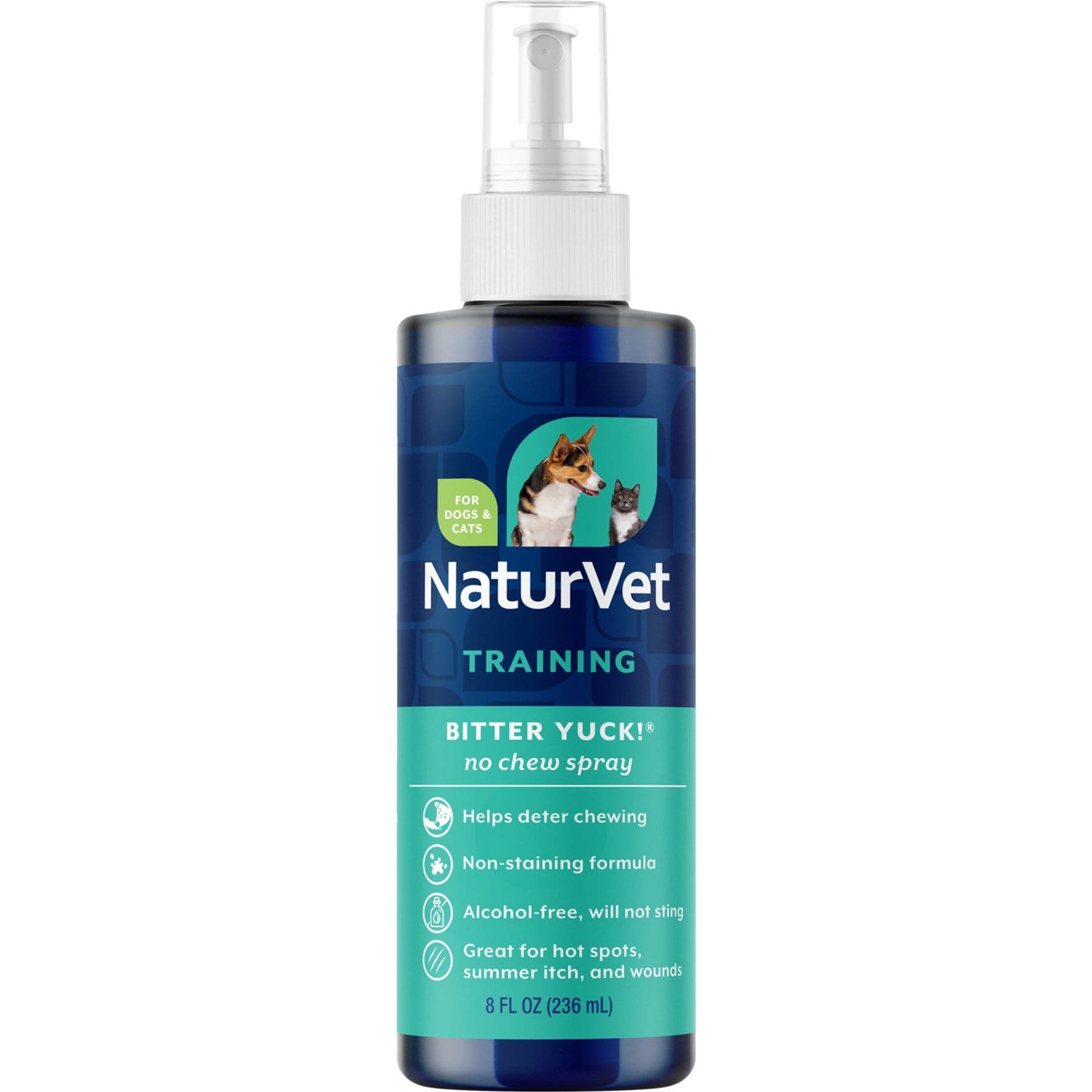
A taste deterrent is an optional preventive aid. Follow its label and keep hazardous plants inaccessible; a spray cannot guarantee chewing will stop.
Webvet may earn a commission when you click through to Chewy, at no extra cost to you.
- Do not assume a vase on a mantel is out of reach. If the cat can see it, the cat can get to it.
How much is dangerous
Every source on this page agrees: any part, any amount. A bite of one leaf, a mouthful of pollen, or a few laps of vase water has been enough, and no safe threshold exists. Risk runs higher when the exposure was not seen, in kittens and indoor cats drawn to a novel arrangement, and in a cat with existing kidney disease.
Symptoms and when they start
How long after exposure to lilies do cats get sick? The FDA puts the first signs at 0 to 12 hours, Merck at 1 to 3. The untreated sequence:
First 12 hours
Vomiting, drooling, refusing food, and lethargy.
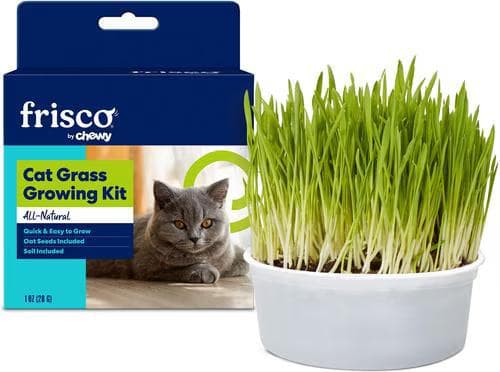
Optional equipment or enrichment for your cat. Check suitability, condition, and directions, and supervise use. This product does not treat a hazardous exposure.
Webvet may earn a commission when you click through to Chewy, at no extra cost to you.
12 to 24 hours: the false recovery
Vomiting often eases and the cat seems better while kidney values climb, urination increases, and dehydration sets in. This lull makes owners cancel the visit.
24 to 72 hours: kidney failure
Urine output falls and can stop, vomiting returns, and the cat weakens. Veterinary references put death in untreated cats at roughly three to seven days.

A peace lily or calla lily looks different: pawing at the mouth, drooling, and head shaking within minutes of chewing, usually settling with veterinary pain relief. Noisy breathing or an open mouth means go now.
The 18-hour window and survival: what the sources say
The FDA warns that when treatment is delayed 18 hours or more, kidney failure is generally irreversible. That is a warning to act early, not a cutoff for seeking care. A veterinarian must assess kidney function and urine production; seek emergency care regardless of how long ago the exposure occurred.
What percentage of cats survive lily poisoning? There is no single percentage that predicts an individual cat's outcome. Early treatment offers the best outlook. Kidney injury worsens the prognosis, especially when urine production falls, but recovery can occur. A published clinical case documents recovery after severe injury; it does not guarantee that outcome for other cats.
What the vet will do
The plan depends on the plant, the timing, and the bloodwork. For a very recent exposure, decontamination in the clinic may come first: emptying the stomach, washing pollen from the coat, and activated charcoal may follow. Blood and urine samples set a baseline before kidney values change. The core of treatment is intravenous fluids, typically for 48 hours or more, with urine output monitored throughout.

Kidney values are rechecked during and after the fluids; the cat goes home once they are stable and it is eating. If urine stops despite fluids, your vet may discuss dialysis at a referral hospital, or the limits of what can be done.
Prevention and safer alternatives
Is it okay to have lilies in the house with a cat? Keep true lilies and daylilies out of the home and any garden the cat can reach. A high shelf or removal of pollen does not eliminate exposure. Ask florists to leave them out of deliveries; our cat plant hub covers other plants and their risks.
What flowers look like lilies but are safe for cats? Peruvian lily gives the silhouette with mild stomach upset at most, and orchids, roses, gerbera daisies, sunflowers, and snapdragons are on the ASPCA non-toxic list. Skip tulips, toxic in their own right.
Frequently Asked Questions
Are peace lilies toxic to cats?
Yes, but differently. Peace lilies contain calcium oxalate crystals that burn the mouth and cause drooling and vomiting, not kidney failure. Contact your vet promptly; go now if breathing changes.
Are calla lilies toxic to cats?
Calla lilies carry the same calcium oxalate crystals as peace lilies: mouth pain, drooling, and vomiting rather than kidney injury. Contact your vet promptly.
My cat ate a lily and nothing happened. Is it okay?
A normal appearance does not rule out lily poisoning. Signs may be delayed or temporarily ease while kidney injury develops. Contact an emergency veterinarian now, regardless of how long ago the exposure occurred.
Are lilies toxic to dogs?
According to the FDA, dogs that eat true lilies may get an upset stomach but do not develop kidney failure. Lily of the valley is dangerous to dogs too.
What if I do not know what kind of lily it was?
Treat it as a true lily until proven otherwise. Take a photo or a cutting and call a poison line; a wasted trip costs far less than an 18-hour delay.
Can a cat recover fully from lily poisoning?
Recovery can occur, including after kidney injury, but the outlook depends on severity, urine production, and treatment. Some cats have lasting kidney disease or do not survive. Seek emergency care after suspected exposure; do not use elapsed time or a normal appearance to decide treatment is unnecessary.
More plants and cats
Sources
- FDA: Lovely Lilies and Curious Cats
States that true lilies and daylilies are very dangerous to cats, that stems, leaves, flowers, pollen, and vase water are all hazardous, that early signs appear within 0 to 12 hours, and that treatment delayed 18 hours or more generally leaves irreversible kidney failure.
- Pet Poison Helpline: Lilies
States that all parts of Lilium lilies, including leaf, stem, flower, pollen, vase water, and root, are toxic to cats and that early treatment is vital after any exposure.
- Merck Veterinary Manual: Houseplants and Ornamentals Toxic to Animals
States that Lilium and Hemerocallis cause kidney injury in cats, that signs begin within 1 to 3 hours of ingestion, that untreated toxicosis progresses to acute renal failure, and that prognosis is excellent when treatment starts early.
- ASPCA Animal Poison Control: Peace Lily
Lists insoluble calcium oxalates as the toxic principle of peace lily, with oral irritation, drooling, vomiting, and difficulty swallowing in cats rather than kidney injury.
- Frontiers in Veterinary Science: Recovery after lily-associated acute kidney injury
Reports recovery in one cat with severe lily-associated acute kidney injury; a single case cannot establish a general survival rate or treatment guarantee.
Reviewed by Dr. Athena Gaffud, DVM
General guidance based on credible veterinary sources; not a diagnosis or a substitute for your veterinarian. If your pet ate something dangerous or is unwell, contact your vet or a pet poison line right away.