
Are lilies toxic to dogs?
Needs a vetSome lilies can seriously poison dogs; others mainly irritate the mouth or stomach. Call a veterinarian or poison service after exposure.
Call a poison line or emergency vet now
Do not wait for symptoms.


Medically reviewed by Dr. Athena Gaffud, DVM · Last reviewed
What to do right now
- Call a pet poison line or veterinarian now with the plant's botanical label or clear photos; do not delay the call while trying to identify it yourself.
- Keep your dog away from the plant, loose flowers, bulbs or tubers, and vase water. Keep any household cats away too.
- Record the time, plant part, and estimated amount involved, including missing material or products from a bouquet.
- Seek emergency care immediately for trouble breathing, difficulty swallowing, collapse, seizures, or severe weakness.
What not to do
- Do not induce vomiting at home or give any home remedy.
- Do not assume every lily causes the same illness or that dogs have the same true-lily kidney risk as cats.
- Do not wait for symptoms when the lily type is unknown or a dangerous lily is suspected.
What to tell the vet or poison line
- The botanical name, plant label, and photos of the flowers, leaves, and whole plant if available.
- Whether a flower, leaf, bulb, tuber, pollen, or vase water was involved, and about how much.
- When the exposure happened, your dog's weight, and any symptoms or health conditions.
- Any other flowers or care products involved, and whether a cat could also have been exposed.
Are lilies toxic to dogs? Some can cause serious poisoning, while others mainly irritate the mouth or stomach. The name “lily” covers unrelated plants. If your dog chewed one, call your veterinarian or a pet poison service with the plant's name or label. Do not assume that a dog has the same risk as a cat.
Keep bouquets and bulbs away from your dog
For future flower arranging, give your dog a separate, comfortable space before you unpack the bouquet. A MidWest Wire Dog Exercise Pen with Step-Thru Door, Black E-Coat, 36-in can create a temporary boundary for a dog that already settles in a pen. Choose a suitable height and supervise; a pen that your dog climbs or pushes aside does not separate them from flowers.
Can you keep lilies in a house with a dog? Physical access is the practical issue. A closed room is more dependable than a low table, and fallen petals still need collecting. Consider avoiding dangerous or unidentified lilies altogether if visitors, children, or other pets regularly leave doors open. Never rely on a dog's previous lack of interest.

Optional equipment or enrichment for your dog. Check suitability, condition, and directions, and supervise use. This product does not treat a hazardous exposure.
Webvet may earn a commission when you click through to Chewy, at no extra cost to you.

Store unopened gardening supplies and loose bulbs behind a closed cabinet door. The Qdos Adhesive Double Door Dog Cabinet Lock, 4 count is one option where the cabinet and adhesive surface suit its installation instructions. Check that the doors stay secured, and keep original plant labels with the supplies. Neither a latch nor training replaces checking that a curious dog cannot get inside.
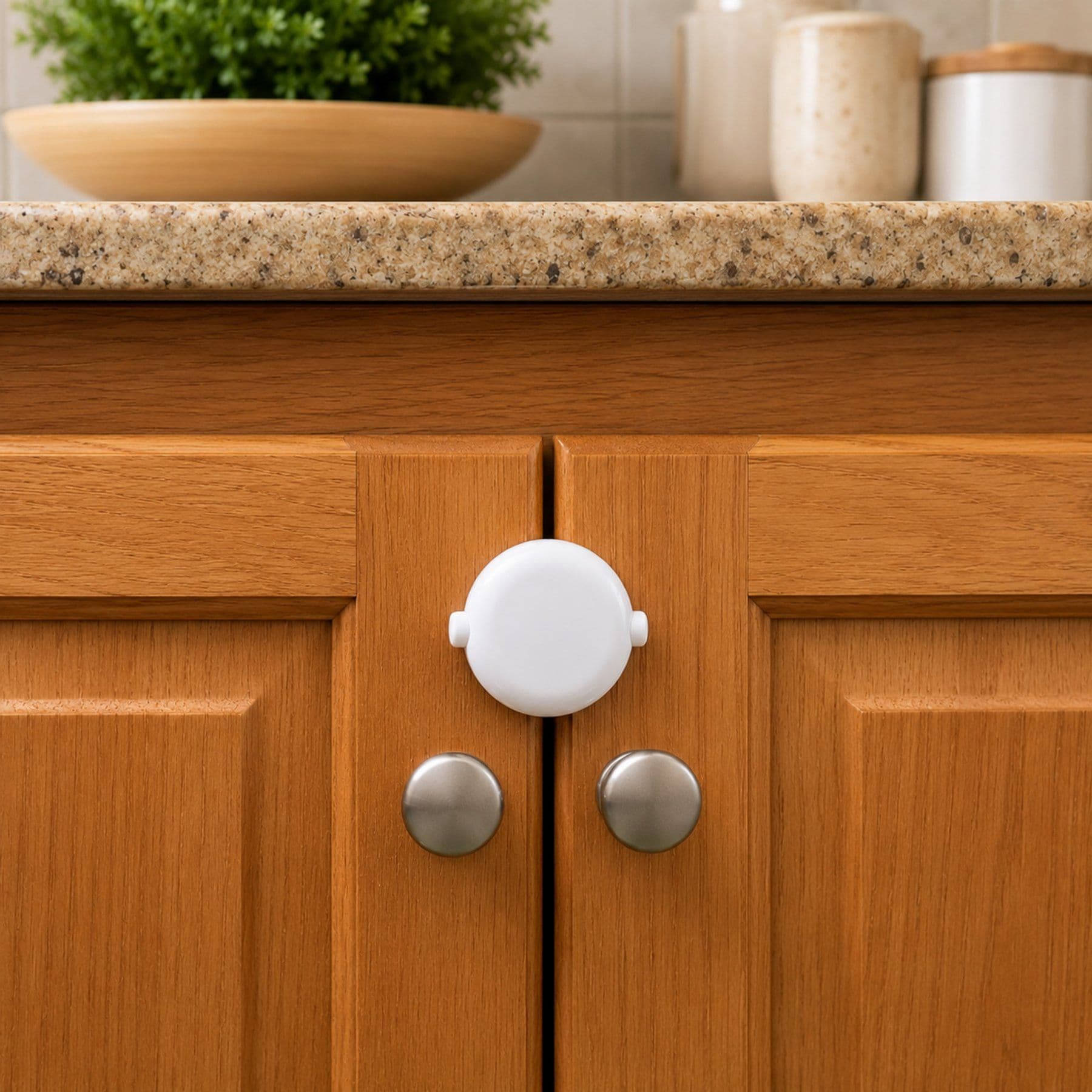
Optional equipment or enrichment for your dog. Check suitability, condition, and directions, and supervise use. This product does not treat a hazardous exposure.
Webvet may earn a commission when you click through to Chewy, at no extra cost to you.
Agree on the routine with everyone in the household. The person changing vase water should collect cut stems and leaves before reopening the room, and flower waste belongs in a bin the dog cannot reach. Tell visitors where arrangements can go. A plan that depends on one person remembering every fallen petal is difficult to maintain.
Start with the botanical name
The botanical name establishes the dog-specific risk more reliably than the bouquet's color or a nickname. The FDA's lily guidance distinguishes true lilies, including Easter, Asiatic, Oriental, stargazer, and tiger lilies, from other plants called lilies. True lilies belong to Lilium; daylilies belong to Hemerocallis. Eating them can upset a dog's stomach. The characteristic severe kidney injury seen in cats is not the expected dog effect.
Plan a dog-safe home and garden

For routine walks around planted beds, a properly fitted EliteField Padded Reflective No Pull Dog Harness, Blue, Small gives a handler an attachment point for a lead. Select the correct size for your dog and keep the lead short enough to prevent reaching the bed without pulling constantly. A harness does not stop a dog eating a plant within reach. Our dog-friendly yard guide can help you plan separated paths and planting areas.

Optional equipment or enrichment for your dog. Check suitability, condition, and directions, and supervise use. This product does not treat a hazardous exposure.
Webvet may earn a commission when you click through to Chewy, at no extra cost to you.
Repeat the access check when bouquets arrive, bulbs are planted, or pots move indoors. For other plants, use our plant safety guides and the separate guide to snake plants and dogs. A plant's membership in the lily group tells you nothing about an unrelated houseplant.
Which lilies are dangerous to dogs?
Two different groups need separate attention:
- Peace lilies and calla lilies: Spathiphyllum and Zantedeschia contain insoluble calcium oxalates. Chewing releases irritating crystals that can cause mouth pain, drooling, vomiting, or swallowing difficulty. These are not cardiac glycosides. Pet Poison Helpline explains this distinction.
- Lily of the valley and gloriosa lily: Convallaria majalis contains cardiac glycosides that can disturb heart rhythm. Gloriosa can cause severe poisoning affecting several organs. Neither belongs in the “only a stomach upset” category; the FDA identifies both as dangerous to dogs as well as cats.
| Label or exposure detail | What to tell the clinic |
|---|---|
| Lilium or Hemerocallis | Exact name and missing plant parts |
| Peace or calla lily | Chewing, mouth pain, drooling |
| Lily of the valley or gloriosa | Suspected exposure immediately |
| Unidentified “lily” | Identity and amount remain uncertain |
Practice everyday skills away from plants
Practice turning away from harmless objects before trying that skill near garden distractions. For a healthy dog that tolerates them, Fruitables Skinny Minis Pumpkin & Berry Flavor Dog Treats, 12-oz bag can reward returning to you. Training rewards belong in ordinary practice, never as something to feed after poisoning or as a way to neutralize a plant.

Optional dog training treats for routine use. Check the label and calories. After suspected ingestion, ask the treating veterinarian before giving food or treats.
Webvet may earn a commission when you click through to Chewy, at no extra cost to you.
Keep identifying the whole exposure
An identification app or this article's photographs cannot confirm that your plant belongs to one of these groups. Ask the florist or nursery for its botanical name while another person calls, if possible. Do not delay care while comparing pictures. Leaves, flowers, pollen, bulbs, and vase contents are different exposure details; tell the clinician what you actually observed instead of choosing a “safe” plant part yourself.
Mixed bouquets create another uncertainty: a label naming one flower may not describe everything in the vase. Photograph the arrangement as well as the damaged stem. “Lily of the valley” and “calla lily” are different plants, so do not shorten either name to “lily” when the full label is available.

What to do if your dog ate a lily
Move your dog away from the plant and call promptly, even if you have not noticed symptoms. In the United States, contact Pet Poison Helpline at 855-764-7661 or ASPCA Poison Control at 888-426-4435; consultation fees may apply. Outside the U.S., contact your local veterinarian or poison service.
Pet Poison Helpline's first-aid guidance advises calling before treatment. Describe the time, your dog's weight, symptoms, and any missing leaf, flower, bulb, or other material. Save the label and photograph the whole plant; uncertainty about what was swallowed is useful information, not a reason to postpone calling.
Separate what you witnessed from what you inferred. “I saw a chewed peace lily leaf” is different from “my dog swallowed the whole leaf.” Mention pollen on the coat, access to vase water, or damage to another plant too. Let the professional decide which details change the assessment.
Symptoms and veterinary care
Signs depend on the plant. Peace lily poisoning may start with obvious mouth discomfort, while other exposures produce vomiting or diarrhea. A dog that seems normal immediately afterward has not proved the exposure harmless. ASPCA's overview recommends contacting a veterinarian or poison service when a pet may have eaten a toxic lily.
The veterinary team needs the plant identity, likely quantity, timing, and your dog's condition to decide on care. There is no single treatment plan for every lily. Ask what observations to record, whether your dog needs an examination now, and which changes require an emergency visit.
- Record new drooling, mouth pain, vomiting, diarrhea, unusual weakness, or breathing changes.
- Keep the case number and instructions where everyone caring for your dog can find them.
- If monitoring is recommended, confirm its duration and who to call overnight.
Do not substitute an online “wait this many hours” rule for those instructions.
Tell the team about existing illnesses, current medicines, and any vomiting that started before the suspected exposure. These details help them interpret your observations. Keep recording changes after the call, and report a new symptom rather than trying to decide whether it fits a particular lily's usual pattern.
Frequently Asked Questions
Is it okay for dogs to smell lilies?
Smelling a flower is different from chewing or licking it. A brief sniff alone does not establish that your dog swallowed a toxin, but getting close makes nibbling or contacting pollen possible. Move the bouquet away and describe any contact or missing material when you call. Breathing problems need urgent care regardless of the suspected cause; identifying the flower still matters.
What lilies are not toxic to dogs?
ASPCA lists Canna generalis as nontoxic to dogs. Peruvian lilies, Alstroemeria, also differ from the more dangerous namesakes; eating enough plant material can still cause gastrointestinal upset. A nontoxic classification does not make a plant an edible snack. Confirm the botanical name before choosing an alternative, and keep bulbs, cut stems, and loose leaves out of reach.
Can dogs and cats share a home with lilies?
Use the cat's risk when choosing flowers for a mixed-pet home. True lilies and daylilies can cause severe kidney injury in cats, even though dogs do not share that characteristic response. The FDA identifies pollen and vase water as cat exposure concerns too. Keeping these lilies out of the home avoids depending on separate rooms or a cat never reaching the arrangement.
More plants and dogs
Sources
- FDA lily species and pet risks
True/daylily dog GI distinction from feline kidney injury; lily of valley cardiac risk; gloriosa multisystem risk; peace/calla oral irritation.
- ASPCA lily overview
Common-name differences and prompt veterinary advice; do not transfer feline kidney effects to dogs.
- PPH lily toxicology
Dog true-lily GI effects; insoluble oxalates in peace/calla; cardiac glycosides in lily of valley; Peruvian lily distinction.
- ASPCA canna
Canna generalis classified nontoxic to dogs; classification does not establish safe edible portions.
- PPH first aid
Call before home treatment or inducing vomiting; gather the plant/product details and supervise the pet.
Reviewed by Dr. Athena Gaffud, DVM
General guidance based on credible veterinary sources; not a diagnosis or a substitute for your veterinarian. If your pet ate something dangerous or is unwell, contact your vet or a pet poison line right away.