Choosing the Perfect Ground Cover for Your Dog-Friendly Yard: Why Grass Is King
Discover the best grass options for your dog-friendly yard and learn essential tips for maintaining a healthy, comfortable outdoor space for your pup


BVMS MRCVS
Medically reviewed by Dr. Pippa Elliott, BVMS MRCVS · Last reviewed

This article contains affiliate links. Webvet may earn a commission when you buy through them, at no extra cost to you.
Creating a comfortable and safe outdoor space for your dog is an important aspect of responsible pet care. One consideration is selecting the best ground cover.
In this guide, you will explore the benefits of grass as a ground cover for dogs, discuss the drawbacks of other options, and provide guidance on maintaining a healthy and comfortable lawn for your pet.
Let’s get started!
The Benefits of Grass as a Ground Cover for Dogs
Grass offers several advantages when it comes to providing a comfortable and safe surface for your dog to play and rest on:
- Cooling Effect: Grass has a natural cooling effect, helping to regulate your dog’s body temperature on hot days. The evaporation of moisture from the grass blades can significantly lower the temperature of the surface, providing a refreshing environment for your dog.
- Soft Surface: Grass provides a cushioned, soft surface that is gentle on your dog’s paws and joints, reducing the risk of injury. The natural padding of grass can help prevent joint issues and minimize wear and tear on your dog’s body during play.
- Natural Instincts: Grass satisfies your dog’s natural instincts to dig, sniff, and explore their environment. Dogs enjoy the tactile sensations and scents that grass provides, which can contribute to their overall mental well-being.
- Environmental Benefits: Grass helps reduce soil erosion, absorbs pollutants, and improves air quality, creating a healthier environment for both you and your dog.
The Drawbacks of Other Ground Cover Options
Although alternative ground cover options are available, many come with drawbacks that may affect your dog’s comfort and safety:
- Mulch or Pea Gravel: These materials can be uncomfortable for your dog to walk on and may cause injury if caught between their paws. Mulch can also become slimy and develop splinters over time. Additionally, some types of mulch, like cocoa mulch, can be toxic to dogs if ingested [1].
- Patio Stones or Concrete Slabs: These surfaces can become hot in the sun, causing discomfort and potential burns on your dog’s paws. They also don’t provide a soft surface for your dog to play on, increasing the risk of joint and muscle strain.
- Hay: Hay is not ideal for moist areas, as it can quickly become damp and moldy, posing health risks to your dog. Hay also may not provide adequate cushioning, leading to potential discomfort or injuries during play.
- Artificial Turf: Although it may seem like a low-maintenance alternative, artificial turf can become hot in direct sunlight and may harbor bacteria, causing an unsanitary environment for your dog.
Ideal Grass Varieties for Dogs
When choosing the right type of grass for your dog’s outdoor space, consider the following dog-friendly varieties:
- Tall Fescue: This grass variety grows low, fills in quickly, and recovers well from foot traffic. It is also shade-tolerant and resistant to urine damage. Tall fescue is known for its deep root system, which helps it access water and nutrients even during dry periods, making it a low-maintenance option [2].
- Perennial Ryegrass: Like tall fescue, perennial ryegrass is durable and recovers quickly from foot traffic. It is also resistant to urine damage. Perennial ryegrass is known for its rapid germination and establishment, which makes it ideal for repairing damaged lawns quickly.
- Kentucky Bluegrass: This popular grass variety is known for its dense root system and self-repairing properties, making it an excellent choice for lawns with dogs. It’s not only resistant to wear and tear from foot traffic but also adapts well to varying climate conditions. While Kentucky bluegrass may require a bit more maintenance than other varieties, its lush appearance and durability make it an attractive option for those with dogs.
Preventing and Repairing Urine Damage to Your Lawn
Dog urine can cause burn spots and discoloration on your lawn because of its high nitrogen content. To prevent and repair urine damage, consider the following tips:
- Encourage Dilution: Provide your dog with plenty of fresh drinking water to help dilute their urine, reducing the nitrogen concentration and minimizing its impact on your grass.
- Designate a “Potty Area”: Train your dog to use a specific area of the yard for their bathroom needs, limiting the damage to a single spot [3]. Choose a less visible location and consider using a different ground cover in this area, such as pea gravel or mulch for easy cleanup.
- Repair Brown Spots: Rake out the dead grass and apply a layer of topsoil to the affected area. Then, overseed with a dog-friendly grass variety and water regularly until the new grass is established.
- Use Dog-Friendly Lawn Care Products: Opt for lawn fertilizers and other care products specifically designed for use in yards with pets. These products can help minimize the risk of additional damage to your lawn.
 $65 · no membership
Have a health question about your dog?
A licensed vet can assess your dog over video and prescribe online when it's appropriate.
 Talk to a vet
- Licensed vets
- All 50 states
- same-day Rx

Webvet may earn a commission if you book.
Addressing Dog-Related Lawn Damage
Besides urine damage, dogs can cause other types of lawn damage, such as digging, trampling, and wearing paths. To address these issues, consider the following strategies:
- Provide Enrichment: Offer your dog toys, games, and activities to keep them entertained and reduce destructive behaviors, like digging.
- Create a Dog Run: If your dog tends to wear paths in your yard, consider creating a designated dog run area with a more durable ground cover.
- Use Barrier Fencing: Install temporary or permanent fencing to protect sensitive areas of your yard and prevent your dog from trampling or digging in those particular spots.
Tips for Maintaining a Healthy and Comfortable Lawn for Your Dog
To keep your lawn healthy and comfortable for your dog, follow these maintenance tips:
- Conduct Regular Watering and Fertilizing: Keep your lawn well hydrated and nourished by watering and fertilizing it regularly. This will promote healthy growth and help the grass recover from any damage caused by your dog.
- Promptly Clean Up Waste: Pick up your dog’s waste promptly to prevent it from harming the grass and to maintain a clean and sanitary play area.
- Aerate and Overseed: Aerate your lawn to improve soil structure and promote healthy root growth. Overseed your lawn with dog-friendly grass varieties to help fill in any bare spots and improve its overall appearance and durability [4].
- Mow at the Proper Height: Mowing your grass at the recommended height for the specific variety can help promote a denser, healthier turf that is more resistant to damage.
Enhancing Your Dog’s Outdoor Space
In addition to selecting the right ground cover, consider adding features that will make your dog’s outdoor space more enjoyable and stimulating:
- Shade: Provide shaded areas using trees, pergolas, or shade sails to protect your dog from the sun’s harsh rays and prevent overheating.
- Water Source: Install a water feature or provide a dog-friendly water bowl to ensure your dog has access to fresh drinking water while playing outside.
- Play Equipment: As mentioned earlier, consider adding dog-friendly play equipment like agility courses, ramps, or tunnels to keep your dog engaged and active.
- Comfortable Resting Areas: Create comfortable resting spots with outdoor dog beds or elevated platforms to give your dog a cozy place to relax.
A Green Oasis for Your Canine Companion
In conclusion, grass stands out as the premier choice for ground cover in a dog-friendly yard, thanks to its numerous benefits, including a soothing, soft surface; fulfillment of your dog’s natural instincts; and eco-friendly properties.
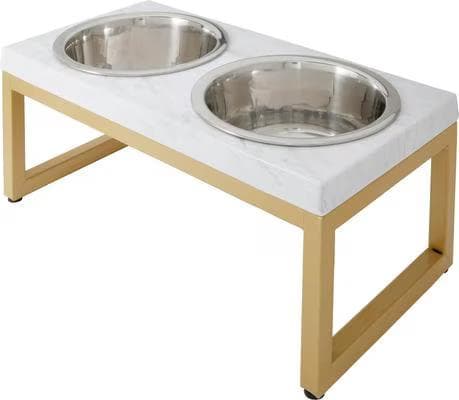
Raised stainless steel double bowl on a marble-look stand. Easier on the neck and joints and a clean, tip-resistant way to keep fresh water available all day.
Webvet may earn a commission when you click through to Chewy, at no extra cost to you.
Opting for the most suitable grass variety, tackling urine damage and other pet-related lawn challenges, and implementing effective lawn care practices will help you cultivate a thriving and inviting outdoor sanctuary for your cherished furry friend.
As responsible pet parents, our goal is to create an environment where our dogs can flourish and enjoy their time outdoors. With the right ground cover, you can transform your yard into a green oasis that offers comfort, safety, and endless fun for your canine companion.
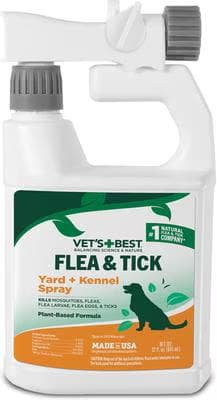
Outdoor yard and kennel treatment for tick habitat, not for use on pets. Peppermint oil and eugenol, so it treats the leaf litter and tall grass where ticks wait.
Webvet may earn a commission when you click through to Chewy, at no extra cost to you.
Ready to discover more about creating the perfect outdoor space for your dog and understanding their unique needs? Click the link below for additional information and resources on dog behavior, training, and care.
[Click Here To Learn More]
Callout Box:
🌿 Top 3 Grass Varieties for Dog-Friendly Yards 🌿
- Tall Fescue: Durable, low-maintenance, and urine-resistant.
- Perennial Ryegrass: Fast-growing and resilient to foot traffic.
- Kentucky Bluegrass: Self-repairing with a dense root system.
Choose the right grass for your yard and create a safe, enjoyable outdoor environment for your furry friend!
References/External Links:
FAQs
How Can I Prevent My Dog From Digging Up My Lawn?
Provide alternative digging outlets, like a designated digging area or sandbox. Make sure your dog has plenty of mental and physical stimulation to minimize boredom-related digging.
Is There a Type of Grass That Is Resistant to Dog Urine?
While no grass is completely immune to urine damage, some varieties, such as tall fescue and perennial ryegrass, are more resistant and recover more quickly from damage.
How Often Should I Water My Lawn To Keep It Dog-Friendly?
The frequency of watering depends on the specific grass variety, soil type, and climate. Generally, water your lawn deeply and infrequently to encourage deep root growth and a more resilient turf.
Can I Use Chemical Treatments on My Lawn if I Have a Dog?
If you need to use chemical treatments like herbicides or pesticides, opt for pet-friendly products and follow the instructions carefully. Keep your dog off the treated areas until the chemicals have dried or as recommended by the manufacturer.
$65 · no membershipHave a health question about your dog?
A licensed vet can assess your dog over video and prescribe online when it's appropriate.
Talk to a vet- Licensed vets
- All 50 states
- same-day Rx
Webvet may earn a commission if you book.

Wendy Toth is an entrepreneurial writer, editor, and mom of two humans, two dogs and one cat. She’s currently Content Director here at PetFul. For the last 15 years she has held positions at Parents Magazine, NBC, PetSmart, and GreatPetCare, where she was co-founder. Her writing has appeared in many national outlets including Pet Lab Co., Retail Me Not, Ask Men, Wild Society Nutrition, and The New York Times. Because she loves her work so much, she’s obsessed with helping others find career fulfillment, and covers it regularly at PowerSuiting.
Veterinarian · BVMS MRCVS
Dr. Pippa Elliott, BVMS, MRCVS, is a veterinarian with nearly 30 years of experience in companion animal practice. Dr. Elliott earned her Bachelor of Veterinary Medicine and Surgery from the University of Glasgow. She was also designated a Member of the Royal College of Veterinary Surgeons. Married with 2 grown-up kids, Dr. Elliott has a naughty Puggle named Poggle, 3 cats and a bearded dragon.


