
Are roses toxic to dogs?
Not toxic, monitorTrue roses (Rosa species) are non-toxic to dogs, but thorns and plant-care products can cause harm. Other plants called roses may be toxic.
Confirm the plant and monitor for problems
The identified plant is non-toxic, but injury, swallowed objects, and products on it need separate assessment. Contact your vet for symptoms or uncertainty.


Medically reviewed by Dr. Athena Gaffud, DVM · Last reviewed
What to do right now
- Move the roses and any fallen stems or packaging out of reach.
- Confirm the botanical name and identify every other plant in the arrangement. Call your vet or a poison line promptly if the identification is uncertain.
- Look for missing thorny stems, floral foam, ribbon, or product packets. Contact your veterinarian about suspected swallowing, mouth pain, or other symptoms.
- Seek emergency care for trouble breathing, collapse, or inability to swallow. Do not force the mouth open or pull out embedded material.
What not to do
- Do not induce vomiting at home or give a home remedy.
- Do not treat non-toxic as a serving recommendation or assume a thornless rose cannot cause digestive problems.
- Do not apply this answer to an unidentified rose-named plant or a mixed bouquet.
What to tell the vet or poison line
- The plant label or a clear photo, including other flowers in the bouquet.
- Which parts or materials are missing, the estimated amount, and when it happened.
- Any fertilizer, pesticide, flower-food packet, or other product involved, with its label.
- Your dog's weight, health conditions, and any drooling, pain, vomiting, or appetite changes.
Are roses toxic to dogs? True roses, belonging to the genus Rosa, are listed as non-toxic by the ASPCA. That answer does not make a rosebush a suitable chew toy. Thorns can injure a dog, products used on the plant need separate assessment, and some unrelated toxic plants have “rose” in their name. After an incident, identify both the plant and what your dog actually swallowed.
Can dogs be around roses?
True roses are non-toxic to dogs, but safe placement still matters. Check the botanical name, thorny material and any plant-care products before drawing conclusions about an exposure.
For a supervised dog area away from gardening work, a MidWest Wire Dog Exercise Pen with Step-Thru Door may help. Select a secure height and arrangement suited to your dog. It is not a dependable barrier for a dog that can climb it, tip it or reach through to nearby stems.

Optional equipment or enrichment for your dog. Check suitability, condition, and directions, and supervise use. This product does not treat a hazardous exposure.
Webvet may earn a commission when you click through to Chewy, at no extra cost to you.
A rose garden can be part of a dog-friendly home when dogs have a separate route and cannot reach stems or prunings. Plan that route before planting. A narrow border beside the only path to the lawn makes supervision harder, particularly with an energetic dog.
The ASPCA's rose record applies to Rosa species. Keep the nursery tag instead of relying on a flower's color or an informal common name. A rose in a mixed bouquet also tells you nothing about the other flowers tucked around it.
Petals, leaves, thorns: what changes the risk?
Use three checks: identity, injury, and treatment. A true rose petal presents a different situation from a sharp stem or an unidentified plant sold under a rose-like name. The non-toxic designation does not certify that swallowing any amount of plant material is harmless.

| What was involved? | Main question | What to report |
|---|---|---|
| Petals or leaves | Was this a verified true rose? | Identity, amount, time and symptoms |
| Stem or thorn | Could sharp material have caused injury? | Missing stem pieces, pain or bleeding |
| Treated plant | Which product was applied? | Original product label and timing |
| Another “rose” | Is the botanical identity different? | Nursery label and whole-plant photos |
Rose petals and leaves are not treats to offer deliberately. Even when the plant is correctly identified, chewing can upset the stomach. Rose hips, extracts, scented products and supplements are separate questions; the garden plant's listing does not establish a safe serving or dose for those products.
Two names deserve particular caution. Desert rose, Adenium obesum, and Christmas rose, Helleborus niger, are toxic to dogs. They are not Rosa roses. Seek professional advice promptly if either could be involved, even if your dog initially seems well.
For routine storage, put fertilizers and sprays in a secured cupboard, with their labels intact. A Qdos Adhesive Double Door Dog Cabinet Lock can help on compatible doors. Test the fit and keep containers closed; a latch is only one layer of a storage plan.
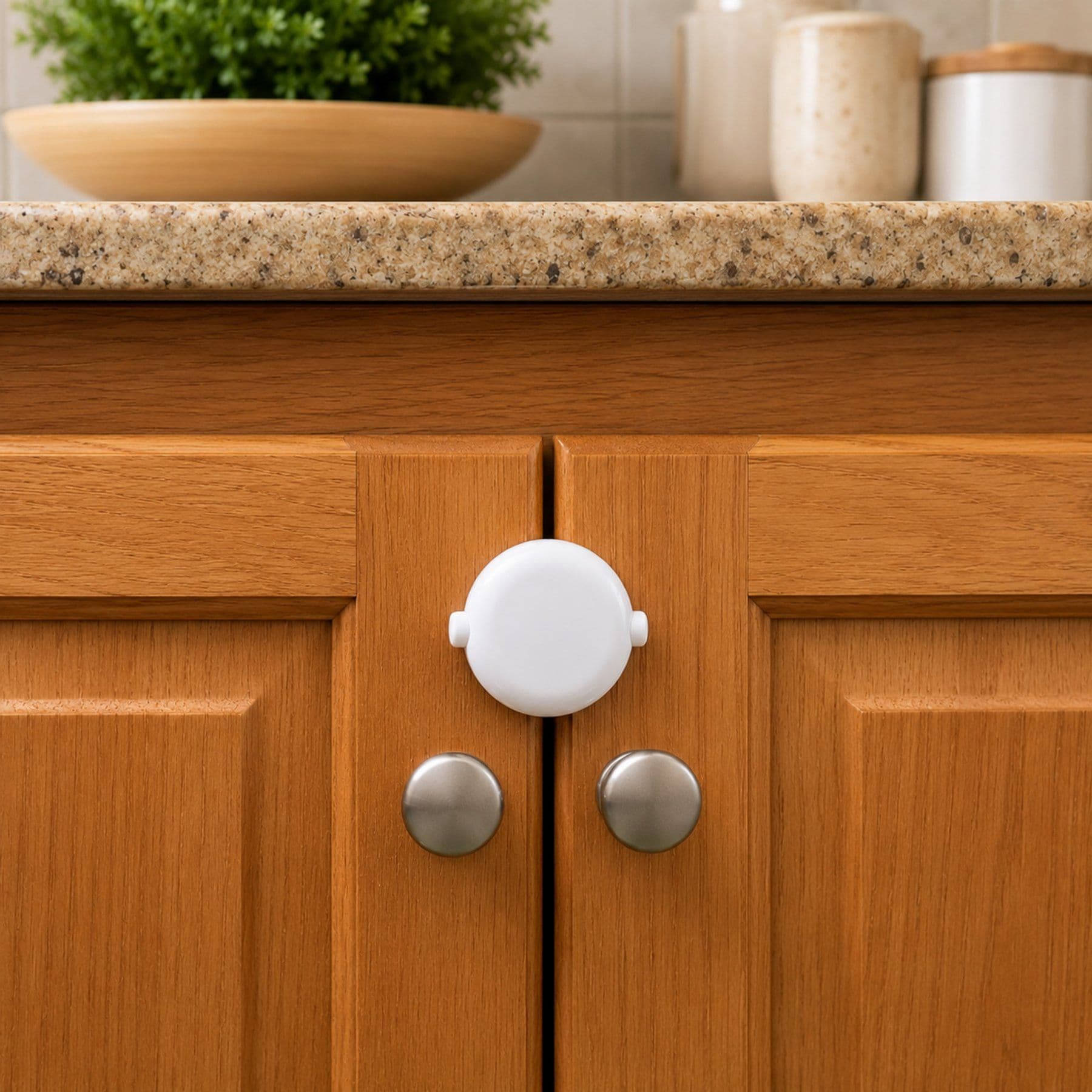
Optional equipment or enrichment for your dog. Check suitability, condition, and directions, and supervise use. This product does not treat a hazardous exposure.
Webvet may earn a commission when you click through to Chewy, at no extra cost to you.
Keep a rose garden out of chewing reach
Make the garden easier to navigate before expecting your dog to make good choices. Leave space between a walking path and thorny stems, and prevent access while pruning. Collect cuttings as you work instead of leaving a tempting pile on the grass.
Think about how the space will change through the season. New growth may extend across a path, and a dog chasing a ball may cut a corner through a bed. Put play areas where they do not require running past branches. Check the boundary after storms and gardening work, and keep cut stems inside a closed garden-waste container until they can be removed.
For supervised walks near established beds, a properly fitted Frisco Padded No Pull Dog Harness provides a lead attachment so you can guide your dog along the clear path. Choose the correct size from measurements. A harness does not stop scavenging by itself; you still need distance from reachable branches.

Optional equipment or enrichment for your dog. Check suitability, condition, and directions, and supervise use. This product does not treat a hazardous exposure.
Webvet may earn a commission when you click through to Chewy, at no extra cost to you.

Practice leave-it skills separately with safe objects. A small suitable reward such as Fruitables Skinny Minis Pumpkin & Berry Flavor Dog Treats can reinforce turning toward you, if it fits your dog's diet. Do not train by deliberately offering a thorny stem or toxic flower. The aim is a useful everyday skill alongside reliable access control.

Optional dog training treats for routine use. Check the label and calories. After suspected ingestion, ask the treating veterinarian before giving food or treats.
Webvet may earn a commission when you click through to Chewy, at no extra cost to you.
For indoor flowers, check the arrangement from the dog's perspective:
- Can the dog reach the vase from a sofa, chair or low table?
- Could a tail or an excited greeting knock the vase over?
- Are fallen petals or clipped stems landing on the floor?
- Does a guest's bouquet contain flowers you have not identified?
Keep packaging and ribbons away from the dog too. When flowers start dropping, move the arrangement or clear the debris promptly. Putting it in another open room may only move the problem. A closed door is more predictable than an instruction to “leave the flowers alone.”
For celebrations, tell guests where flower gifts belong before they arrive. Keep the florist's card or plant list with the arrangement. That simple record is useful if several kinds of flowers share one vase and a stem later goes missing.
See our dog-friendly yard guide for the larger layout. If you prefer an indoor flowering plant, compare a correctly identified moth orchid. Check species-specific advice for a different flower such as a tulip, rather than treating all bouquets alike.
What to do if your dog ate a rose
Prevent further chewing and assess what is missing. A known, untreated Rosa petal is different from a thorny branch, an unknown mixed bouquet or a recently treated bush. Contact your veterinarian if your dog has symptoms, may have swallowed sharp material, or if the plant, amount or treatment is uncertain.
If your dog ate desert rose or Christmas rose, treat that as a potentially toxic exposure and call promptly. Do not apply a true rose's non-toxic listing to either plant.
Seek emergency veterinary care for choking, trouble breathing, collapse or significant bleeding. Do not reach deep into your dog's throat, pull out embedded material or induce vomiting. A sharp object needs professional judgment, and a dog in pain may bite.

Prepare a short account for the clinic:
- Plant identity and a photo showing the whole plant.
- Whether petals, leaves, stems, thorns or packaging were involved.
- The time and estimated quantity, including what remains unknown.
- Your dog's weight and any drooling, vomiting, mouth pain or behavior changes.
- Names and labels of products used on the plant.
Do not delay the call while trying to count every petal. Photograph what is left and explain what you cannot establish. If your veterinarian recommends observation, ask which changes require another call and where to go after hours. That gives the household a specific plan rather than a vague instruction to watch the dog.
Pet Poison Helpline's fertilizer guidance explains why plant food requires its own assessment. If poisoning is possible, U.S. contacts include 855-764-7661 for Pet Poison Helpline and 888-426-4435 for ASPCA Poison Control; fees may apply.
Do not assume vomiting or diarrhea proves rose toxicity. A swallowed object, a care product or an unrelated problem may be responsible. Follow your veterinarian's advice on observation and examination instead of using a symptom-free hour as an all-clear.
Frequently Asked Questions
Are roses toxic to dogs if they smell them?
Smelling an intact true rose is not the same exposure as swallowing a plant or chewing thorny stems. Rosa roses are listed as non-toxic. Still, keep your dog's face away from sharp stems and recently applied products. Sneezing, eye irritation or other symptoms deserve attention rather than reassurance based only on the flower's name.
What flowers can I plant if I have a dog?
Start with verified plant identity, then consider your dog's access to stems and soil. True roses and Phalaenopsis orchids have non-toxic ASPCA listings, but they suit different growing conditions and neither belongs on the menu. Check other pets' needs too. A safe planting plan includes barriers, care-product storage and cleanup, not just a plant list.
Do dogs know to avoid toxic plants?
Instinct is not a safety plan. Dogs may investigate flowers, carry sticks from a bed or chew an unfamiliar pot. Reliable separation matters even if your dog has never bothered roses before. Reward-based training can support the routine, while new or persistent plant eating should prompt a discussion with your veterinarian about possible underlying causes.
Use the plant safety finder to check the next plant in your home or garden.
More plants and dogs
Sources
- aspca.org: rose
Rosa species are listed non-toxic to dogs.
- aspca.org: desert rose
Adenium obesum is a toxic plant, not a true Rosa rose.
- aspca.org: christmas rose
Helleborus niger is a toxic plant, not a true Rosa rose.
- petpoisonhelpline.com: fertilizers
Fertilizer ingredients vary; suspected exposure needs individual assessment using the product label.
- vcahospitals.com: ingestion of foreign bodies in dogs
Swallowed foreign objects may cause obstruction; vomiting, abdominal pain, appetite loss and lethargy warrant evaluation.
Reviewed by Dr. Athena Gaffud, DVM
General guidance based on credible veterinary sources; not a diagnosis or a substitute for your veterinarian. If your pet ate something dangerous or is unwell, contact your vet or a pet poison line right away.