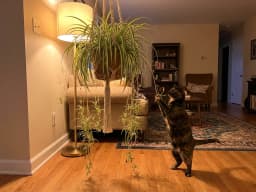
Are spider plants toxic to cats?
Not toxic, monitorSpider plants are non-toxic to cats, but chewing can cause digestive upset. Call your vet for repeated vomiting, poor appetite, or swallowed pot components.
Confirm the plant and monitor for problems
The identified plant is non-toxic, but injury, swallowed objects, and products on it need separate assessment. Contact your vet for symptoms or uncertainty.


Medically reviewed by Dr. Athena Gaffud, DVM · Last reviewed
What to do right now
- Move the plant out of reach and clear any chewed leaves or plantlets from the floor.
- Check the mouth for leaf pieces and look at how much of the plant is missing.
- Confirm it is a spider plant and not a look-alike such as Dracaena sanderiana, which is also sold as ribbon plant and is toxic to cats.
- Watch for vomiting or drooling over the next several hours, and call your veterinarian if it repeats or your cat stops eating.
What not to do
- Do not induce vomiting at home; a non-toxic plant does not justify the risk.
- Do not spray the leaves with a deterrent or pesticide that is not labeled safe for pets; the residue is a bigger risk than the plant.
- Do not assume every plant sold as ribbon plant is a spider plant; Dracaena sanderiana shares the name and is toxic to cats.
What to tell the vet or poison line
- That the plant is a spider plant (Chlorophytum comosum), or a photo if you are unsure.
- Roughly how much was eaten and whether this is a repeat habit.
- Any vomiting, drooling, retching, or loss of appetite, and when it started.
- Whether the plant was fertilized or sprayed with anything recently.
- 1ASPCA and Pet Poison Helpline classify Chlorophytum comosum as non-toxic to cats.
- 2The veterinary references used here do not establish a hallucinogenic effect.
- 3Plant material can still cause digestive upset; fertilizer and swallowed pot components need separate assessment.
Are spider plants toxic to cats? Chlorophytum comosum is listed as non-toxic by the ASPCA and Pet Poison Helpline. Chewing can still cause digestive upset. Contact your veterinarian if vomiting repeats, appetite falls, or your cat seems unwell, or if fertilizer or other pot contents may have been swallowed.
Cats do not eat spider plants once, though. A grazing habit raises two questions: what a stomach full of long fibrous leaves does, and what is in the soil and saucer of a fertilized plant. Both are covered below, plus the 'cats get high' claim.
Are spider plants toxic to cats?
No. The ASPCA record for the spider plant lists it as non-toxic to cats, dogs and horses, with no toxic principle named, under its other names too: ribbon plant, anthericum and spider ivy. Can I have a spider plant if I have cats? Yes. It will not poison your cat, but the cat will eat it, so the job is keeping leaves out of reach and redirecting the chewing.
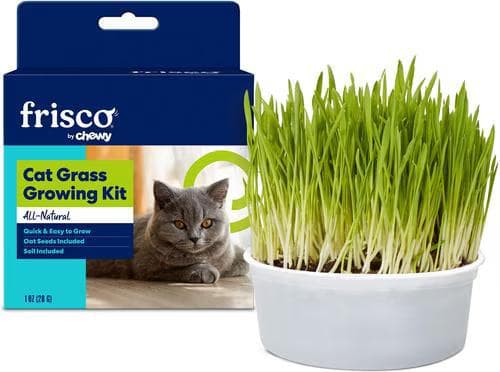
Optional equipment or enrichment for your cat. Check suitability, condition, and directions, and supervise use. This product does not treat a hazardous exposure.
Webvet may earn a commission when you click through to Chewy, at no extra cost to you.

The Merck Veterinary Manual's houseplant table reports vomiting, salivation, retching, and transient loss of appetite in cats after Chlorophytum ingestion, with an unidentified toxin or irritant and no reported deaths. This differs from ASPCA's non-toxic classification, but it does not support a guaranteed one-day recovery or a promise of no harm.
Why cats are obsessed with spider plants
Why is my cat obsessed with a spider plant? Dangling plantlets and grass-like leaves may attract investigation and play. These are possible explanations for interest, not a diagnosis of a particular cat's behavior. Move the plant out of reach and discuss persistent plant eating or repeated vomiting with your vet.
Do spider plants make cats high? The hallucinogen claim, checked
Claims that spider plants are mildly hallucinogenic circulate online. The veterinary references cited here do not establish that effect. ASPCA and Pet Poison Helpline classify the plant as non-toxic, while Merck describes gastrointestinal signs. None of those statements proves a cat is seeking a drug-like effect from chewing it.
Rolling or batting near a plant does not identify a psychoactive effect or prove one particular behavioral explanation. Treat the hallucinogen claim as unestablished, and keep the plant inaccessible if chewing causes symptoms.
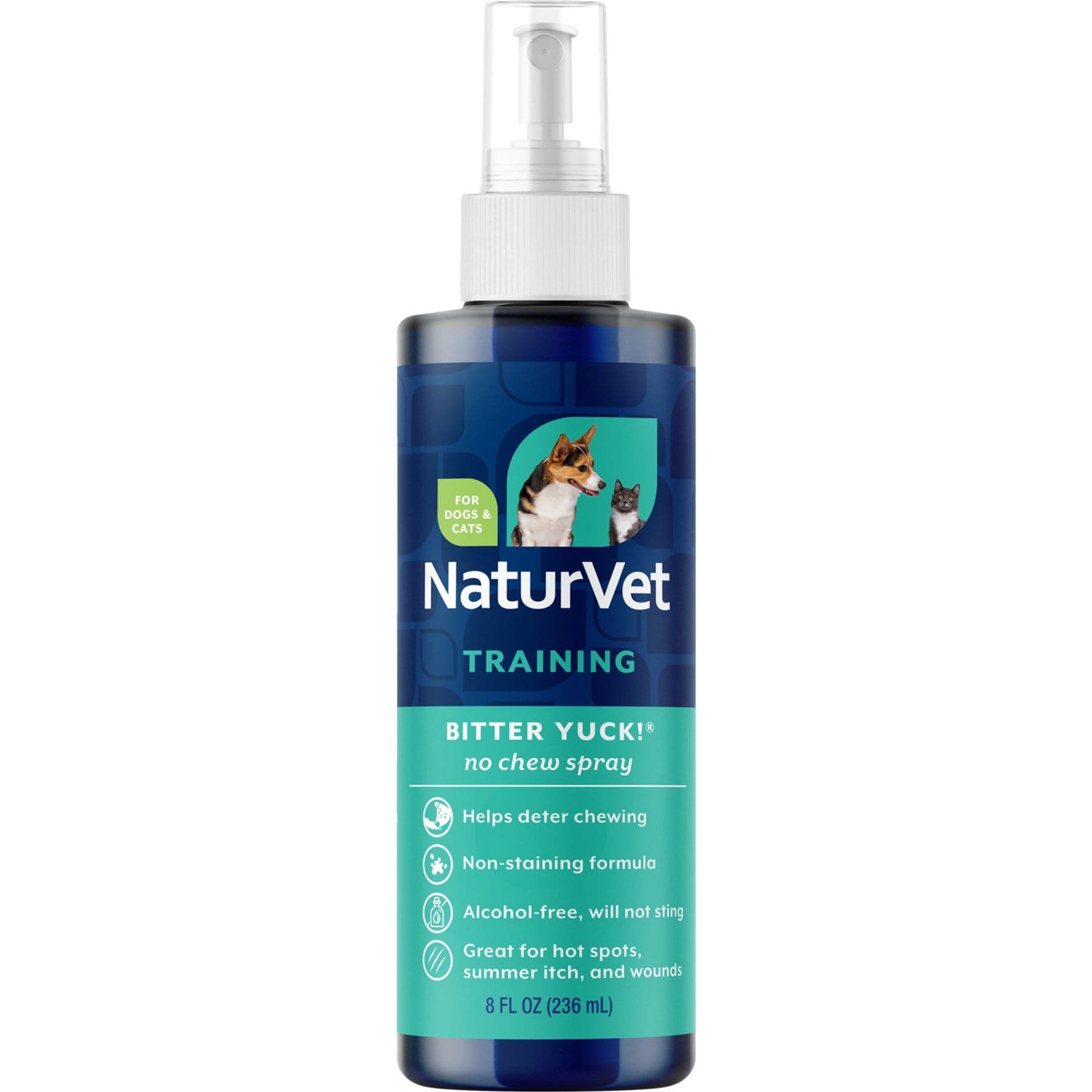
A taste deterrent is an optional preventive aid. Follow its label and keep hazardous plants inaccessible; a spray cannot guarantee chewing will stop.
Webvet may earn a commission when you click through to Chewy, at no extra cost to you.
What to do right now
The mouth check is for a half-swallowed leaf strand, which a cat will keep gagging on. Identification matters most; the box below explains why.
Contact your veterinarian for repeated vomiting or poor appetite, including recurrent episodes across a week. Moving the plant and providing cat grass may help manage access, but a grass tray does not substitute for evaluating ongoing symptoms. Follow the clinic's advice about observation after the specific exposure.

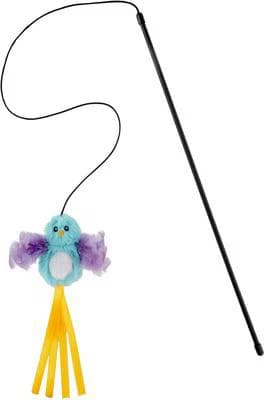
Optional equipment or enrichment for your cat. Check suitability, condition, and directions, and supervise use. This product does not treat a hazardous exposure.
Webvet may earn a commission when you click through to Chewy, at no extra cost to you.
What not to do
Do not pull a leaf from deep in the mouth or reach into the throat. A spider-plant leaf is not automatically an anchored string foreign body. If your cat is retching, seems distressed, or has material stuck in the mouth, seek veterinary assessment rather than attempting removal yourself.
Do not apply pesticides or an unsuitable deterrent to discourage chewing. If using a taste deterrent spray, follow its label and keep the plant inaccessible rather than relying on the spray alone. Fertilizer spikes, treated potting material, and saucer water need separate exposure assessment.
How much is dangerous
The amount of plant material and anything swallowed from the pot matter. A suspected foreign body requires assessment, but ordinary chewed leaves should not automatically be described as an anchored string-like obstruction. Tell your veterinarian about missing plantlets, roots, fertilizer spikes, or other components and any signs.
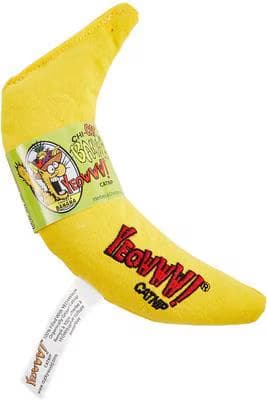
Optional equipment or enrichment for your cat. Check suitability, condition, and directions, and supervise use. This product does not treat a hazardous exposure.
Webvet may earn a commission when you click through to Chewy, at no extra cost to you.

| What your cat got | Possible concern | Information to gather | Contact your vet if |
|---|---|---|---|
| Leaf tips | Digestive upset may occur | Plant identity and symptoms | Vomiting repeats or appetite falls |
| Several whole leaves | Swallowed bulk and digestive upset | Approximate amount and any retching or pain | Symptoms persist, recur, or worsen |
| A plantlet with roots or potting material | Products or material swallowed with the plant | Amount and treatment history | Ingestion is uncertain or symptoms develop |
| Fertilizer spike or saucer runoff | Risk depends on the product | Label, concentration, amount, and time | A fertilizer or other product exposure is possible |
Symptoms and when they start
What happens if my cat eats my spider plant? Merck reports vomiting, drooling, retching, and reduced appetite within hours in cats. It does not specify a guaranteed one-day course or that a cat will eat normally at the next meal. Report the signs and follow your veterinarian's monitoring advice.
Repeated vomiting, reduced appetite, retching, or abdominal discomfort needs assessment. The pattern alone cannot diagnose a leaf obstruction, and diarrhea does not prove a different cause. Our symptom checker can help you describe what you see; it cannot exclude a swallowed foreign body or another illness.
What the vet will do
The veterinarian asks about the amount eaten, repeated access, and products used on the plant or soil. Examination and, when indicated, imaging or other tests help assess persistent signs or a suspected foreign body. Some plant material is difficult to see on radiographs; the clinician chooses the next investigation and treatment.
Prevention and safer alternatives
Hang the plant away from launch points: a ceiling hook in a corner with no shelf, dresser or curtain rod within a jump. Then deal with the spiderettes: a plant hung high still drops plantlets, and a rooted plantlet is soil, fertilizer and leaf together. Trim them or pot them up.

Cat grass and supervised play may provide alternative activities, but they do not guarantee that a cat avoids other plants. Cat grass may also be grown in soil, so choose a suitable growing product and follow its directions. Keep toxic plants inaccessible regardless of whether your cat has ignored them before.
Boston fern, parlor palm, and common named orchids are among non-toxic plant options; our orchid guide covers the pot and treatment questions. Snake plants are toxic. True lilies and daylilies can cause life-threatening kidney injury in cats; our guide to plants toxic to cats explains the distinctions.
Frequently Asked Questions
Are spider plants toxic to dogs as well as cats?
The ASPCA record lists Chlorophytum comosum as non-toxic to dogs too. A dog that digs in the pot faces the same fertilizer question.
Is a spider plant safe for a kitten?
It is not toxic to kittens, but a small stomach fills with fiber faster and a kitten may swallow a whole plantlet. Hang the plant before the kitten arrives.
Why does my cat vomit every time it eats the spider plant?
Move the plant out of reach and contact your veterinarian about recurrent vomiting. Plant material can cause digestive irritation, but repeated episodes should not be dismissed as a harmless habit. Cat grass or enrichment does not replace assessment of the symptoms.
Is a fertilized spider plant toxic to cats?
The plant's non-toxic classification does not establish fertilizer safety. Risk depends on the product, amount, and access to granules, spikes, or drainage water. Follow the product label and ask your veterinarian or a poison line about a possible ingestion.
Are spider plants toxic to humans?
The veterinary sources on this page address pets, not human exposures. They should not be used to assess a child who chewed plant or potting material. Contact a human poison service with the plant identity and any product details.
More plants and cats
Sources
- ASPCA Animal Poison Control: Spider Plant
Lists Chlorophytum comosum (ribbon plant, anthericum, spider ivy) as non-toxic to cats and dogs.
- Pet Poison Helpline: Ribbon Plant
Separates the two plants sold as ribbon plant, stating that Chlorophytum comosum is non-toxic to companion animals while Dracaena sanderiana contains saponins that cause drooling and vomiting.
- Pet Poison Helpline: Pet Safe Plants
States that cats enjoy nibbling on and sometimes eating spider plants and suggests hanging the plant out of reach in homes with cats.
- Merck Veterinary Manual: Poisonous Houseplants and Ornamentals table
Lists Chlorophytum spp. with an unknown toxin in the leaves and plantlets that causes vomiting, salivation, retching, and transient anorexia in cats within hours of ingestion, with deaths and diarrhea not reported.
Reviewed by Dr. Athena Gaffud, DVM
General guidance based on credible veterinary sources; not a diagnosis or a substitute for your veterinarian. If your pet ate something dangerous or is unwell, contact your vet or a pet poison line right away.