Mirtazapine for Dogs and Cats: Dosage Chart, Side Effects, and Cost
Mirtazapine for Dogs and Cats explained: see the vet-reviewed dosage-by-weight chart, side effects, safety warnings, cost, and when to call your veterinarian.

BVMS MRCVS
Medically reviewed by Dr. Pippa Elliott, BVMS MRCVS · Last reviewed

Drug facts
Mirtazapine
Mirtazapine is a human antidepressant used off-label in dogs and cats to stimulate appetite and reduce nausea, often in pets with chronic conditions like kidney disease or gastrointestinal problems.
Treats
 $65 · no membership
Need a prescription for Mirtazapine?
A licensed vet can assess your pet over video and prescribe Mirtazapine online when it's appropriate.
 Talk to a vet
- Licensed vets
- All 50 states
- same-day Rx
Webvet may earn a commission if you book.
Mirtazapine for dogs and cats is a prescription appetite stimulant with anti-nausea effects. Veterinarians use oral mirtazapine extra-label in dogs and cats, while Mirataz transdermal ointment has an FDA-approved feline indication for managing weight loss. The dose depends on species, weight, organ function, formulation, and interacting medicines, so the chart explains published veterinary ranges but does not replace the prescription label.
Mirtazapine Dosage for Dogs and Cats by Weight
| Species and formulation | Published veterinary reference | Key weight or formulation decision | What the owner should confirm |
|---|---|---|---|
| Dogs, oral tablet or compounded liquid | 0.6 to 1.3 mg/kg, with a published maximum of 30 mg per day | Body weight is only one input; kidney and liver function and other serotonin-active drugs can change the plan | Exact milligrams, product concentration, frequency, and duration on the veterinary label |
| Cats, oral tablet | 1.88 mg per cat is a commonly published reference | This is not a dog-style weight conversion, and cats with chronic kidney disease may clear the drug more slowly | Whether the veterinarian prescribed every 24 or 48 hours and whether the tablet must be divided or compounded |
| Cats, Mirataz transdermal ointment | 2 mg, measured as a 1.5-inch ribbon on the inner ear flap | This applies only to the labeled feline transdermal product, not an oral tablet or a compounded cream | Once-daily use for 14 days, glove use, ear rotation, and the exact label instructions |
| Any pet with a possible dosing mistake | Do not repeat or double a dose | Tablet strength and transdermal concentration make visual comparisons unreliable | Call the veterinarian or an animal poison control service with the product and estimated amount |
When considering mirtazapine for dogs, use the veterinarian-confirmed product and plan for that animal. How much mirtazapine can you give a dog? Only the amount on that dog's veterinary label. The 0.6 to 1.3 mg/kg reference helps an owner understand why body weight matters, but it cannot safely turn a human tablet into a home-calculated dose. A small dog may need a compounded concentration or a carefully dispensed tablet fraction, while illness and interactions may require a lower amount or longer interval.
Is mirtazapine 7.5 mg safe for dogs? It can be an appropriate prescription for some dogs, but the tablet strength alone cannot answer safety. A 7.5 mg tablet produces very different mg/kg exposure in a 7-pound dog and a 70-pound dog. Confirm with your vet before the first dose and whenever the product, weight, health status, or medication list changes.

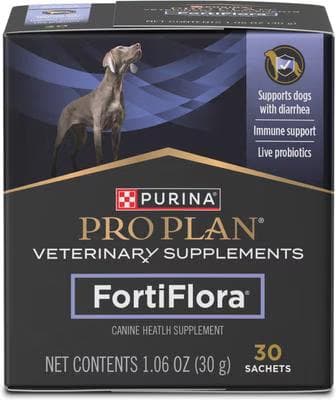
The #1 vet-recommended probiotic for dogs. Daily powder sachets with live probiotics support healthy digestion and firmer stools, and can help dogs coping with diarrhea or GI upset.
Webvet may earn a commission when you click through to Chewy, at no extra cost to you.
What Mirtazapine Does for Appetite and Nausea
- 1Mirtazapine is veterinarian prescribed and is not a substitute for diagnosis.
- 2It can increase appetite and reduce nausea, but it does not treat the disease that caused food refusal.
- 3Oral use in dogs is extra-label; Mirataz has a specific FDA-approved feline transdermal use.
- 4Tremors, marked agitation, high body temperature, seizures, or a racing heartbeat are an emergency warning.
Mirtazapine began as a human antidepressant, but veterinarians mainly use its appetite-stimulating and anti-nausea effects. It increases norepinephrine and serotonin signaling through alpha-2 receptor blockade and blocks 5-HT3 receptors involved in nausea. Histamine H1 blockade can contribute to sleepiness. That combination can make food more appealing while reducing the queasy feeling that caused a pet to turn away from a bowl.
How long does it take mirtazapine to work for appetite in dogs? Cited veterinary guidance and VCA guidance support an onset within one to two days, and some pets show interest in food sooner. If a dog remains unwilling to eat after the period the veterinarian told you to expect, call rather than increasing the amount. Failure to respond can point to uncontrolled pain, persistent nausea, obstruction, organ disease, cancer, or another problem needing treatment.
What time of day should I give my dog mirtazapine? There is no universally required clock time. Follow the label and give it consistently at the prescribed interval. Some owners and veterinarians choose evening when mild drowsiness is easier to observe at home, but changing time or frequency can alter exposure. Never add an early dose because breakfast was refused.
When appetite support is considered
Mirtazapine is commonly considered when poor appetite accompanies:
- chronic kidney disease or another illness that produces nausea
- cancer or chemotherapy treatment
- gastrointestinal disease with food refusal
- recovery from surgery or serious illness
- weight loss in cats, including the labeled Mirataz use
An appetite stimulant should not delay care for a puppy, kitten, diabetic pet, frail senior, repeated vomiting, a painful or swollen abdomen, collapse, breathing difficulty, or prolonged food refusal. Those signs can make the underlying problem more urgent than the calorie count.

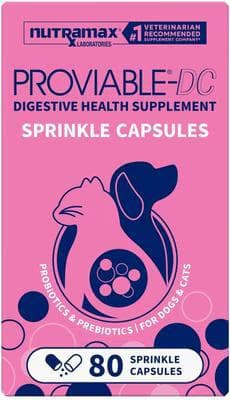
Multi-strain probiotic plus prebiotic sprinkle capsules for dogs and cats; supports digestive balance during diarrhea, diet changes, and antibiotic courses.
Webvet may earn a commission when you click through to Chewy, at no extra cost to you.
Oral mirtazapine and Mirataz are not interchangeable
Human tablets, compounded liquids, and Mirataz ointment have different concentrations, routes, and measuring instructions. A length of ointment cannot be converted to a tablet fraction, and a compounded cream is not automatically equivalent to the FDA-approved product. Check the pet's name, route, concentration, amount, and interval on the dispensed label every time.
For Mirataz, the FDA-approved label instructs caregivers to wear disposable gloves, apply the labeled ribbon to the inside of the cat's ear flap, avoid direct skin contact, and follow the 14-day course unless the veterinarian changes it. Keep children and other animals away from the treated ear. Alternate ears as directed and report redness or crusting.
When mirtazapine is not an anxiety dose
Mirtazapine is not a routine first-line anxiety medicine for dogs. Searches for a mirtazapine dosage for anxiety in dogs often import human antidepressant discussions into a veterinary appetite question. A dog with separation anxiety, noise fear, or another behavior disorder needs a behavior-specific diagnosis and plan. Do not repurpose an appetite prescription for calming.
Mirtazapine Side Effects, Serotonin Syndrome, and Overdose
What are the common side effects of mirtazapine in dogs? Drowsiness or sedation is common enough to watch for, along with restlessness, vocalization, drooling, vomiting, wobbliness, or a faster heart rate. Cats may vocalize or become agitated, and Mirataz can cause redness or crusting at the ear application site. Report effects that are marked, persistent, or different from what the veterinarian predicted.
What is the downside of mirtazapine? It can sedate some pets, it interacts with several serotonin-active drugs, and it treats poor appetite rather than the cause of poor appetite. Kidney or liver disease may slow clearance. A pet can also receive too much through a doubled dose, access to a pill bottle, use of the wrong tablet strength, or ingestion of a transdermal tube.
Tell the veterinarian about every prescription, supplement, flea collar, and topical product. Interaction concerns include:
- monoamine oxidase inhibitors such as selegiline
- amitraz in some parasite-control products
- serotonin-active antidepressants such as fluoxetine or clomipramine
- trazodone, tramadol, and other medicines that can affect serotonin
- sedatives that may add to drowsiness or impaired coordination
Serotonin syndrome is the critical interaction emergency. It can occur when excessive serotonin activity affects the brain and body, especially after an overdose or an unplanned combination. Do not stop or combine prescribed medicines on your own. A veterinarian who knows the complete list can decide whether a combination is intentional, whether timing or dose must change, and what warning signs deserve immediate care.


Pure USDA-organic pumpkin puree, no fillers or additives. Adds gentle soluble fiber to firm up loose stool and settle a mildly upset stomach. A simple vet-favorite topper.
Webvet may earn a commission when you click through to Chewy, at no extra cost to you.
Mirtazapine and Mirataz Cost
Generic oral mirtazapine is often inexpensive because human pharmacies stock multiple tablet strengths. Earlier veterinary pricing references describe a broad historical range from a few dollars to roughly $20 for a month, depending on strength, quantity, pharmacy, and discount program. That is not a current quote. A compounded liquid usually costs more because the pharmacy prepares a custom concentration.
Mirataz cost is typically higher than generic tablets because it is a branded veterinary transdermal product. Its value is not just the active ingredient: the labeled formulation can avoid a daily pill struggle in a nauseous cat. Ask the clinic or licensed pharmacy for the tube price, dispensing fee, planned course, and whether a recheck is included.
A complete cost comparison should include:
- the prescribed formulation and quantity
- pill splitting or compounding needs
- veterinary examinations and monitoring
- food waste when a pet repeatedly refuses meals
- the cost of treating the underlying disease and uncontrolled nausea
The cheapest tablet is not cheaper if the pet cannot take it reliably. Conversely, a transdermal product should not be chosen solely for convenience if the veterinarian prescribed another route. Ask for a safe formulation comparison after the diagnosis and target dose are established.
How to Give Mirtazapine and Monitor the Response
Read the veterinary label every time a refill, tablet strength, or compounded bottle changes. Confirm the pet's name, formulation, amount, route, interval, and stop date. A tablet and a transdermal ointment can contain the same active ingredient but require completely different handling, and a compounded liquid can change concentration between prescriptions.
For an oral dose, follow the clinic's food instructions and use only the measuring device supplied for a liquid. Do not estimate a tablet fraction if the veterinarian or pharmacist dispensed another method. If the pet spits out part of a dose and you cannot tell how much was swallowed, call before replacing it. Giving a full replacement could create a double dose.
For Mirataz, follow the package and veterinary directions carefully:
- wear disposable gloves during application
- measure the labeled ribbon rather than estimating a blob
- apply it to the inner surface of the cat's ear flap as directed
- prevent people and other animals from touching or licking the treated area
- alternate ears and watch for redness, crusting, or irritation
- wash hands after glove removal and store the tube securely
Do not use a cotton swab to push ointment into the ear canal. The target is the inner ear flap, not the canal. If the cat has painful, inflamed, wounded, or medicated ears, ask the veterinarian how that affects application before proceeding.
Caregiver exposure and secure storage
Mirtazapine affects people as well as pets. Caregiver precautions are especially important with transdermal ointment because the product sits on the ear after application. Wear gloves, avoid touching the treated site, and prevent a child from petting or kissing the cat near that ear. If accidental human skin contact occurs, follow the package directions and seek medical advice when needed.
Store tablets and ointment where a curious animal cannot reach them. A pill organizer on a counter is not secure, and a dog can chew through a tube or bottle. Keep products in the labeled container so an emergency team can identify the ingredient, strength, and formulation quickly.
Use a simple household system when more than one person gives medication:
- mark each dose on a paper or shared log immediately after it is given
- keep the current bottle or tube separate from discontinued medicine
- do not pre-split unlabeled tablets into a general container
- record which ear received Mirataz when the label directs ear rotation
- prevent another caregiver from repeating a dose after vomiting or partial administration
If the owner who normally gives the medicine will be away, demonstrate the exact label and measuring method to the substitute caregiver. Written veterinary instructions are safer than a text such as "give the small piece," particularly when tablet strengths or compounded concentrations have changed.

Triple-action phage, prebiotic, and probiotic capsules for everyday maintenance of a balanced gut microbiome once a dog's digestive flare has settled.
Webvet may earn a commission when you click through to Animal Biome, at no extra cost to you.
A response log that helps the veterinarian
Appetite is easier to judge when the household records actual intake rather than enthusiasm at the bowl. Note what food was offered, how much was eaten, vomiting or drooling, water intake, stool, alertness, and the time of the dose. Weighing a pet on the same scale can add useful trend information when a chronic illness is involved.
Useful daily observations include:
- percentage of the normal meal eaten
- time from dose to first voluntary eating
- vomiting, lip licking, drooling, or food aversion
- sleepiness, wobbliness, pacing, vocalization, or agitation
- ear reaction when Mirataz is used
- body weight at the veterinarian's recommended interval
Do not make constant food changes that make the response impossible to interpret. Offer the veterinary diet or agreed foods in small, calm meals, remove spoiled food, and report the pattern. A pet that only licks gravy but cannot chew, swallows painfully, or drops food may have an oral or swallowing problem rather than a lack of appetite.
If the Pet Is Still Not Eating
Mirtazapine can increase the desire to eat, but it cannot correct dehydration, obstruction, severe pain, uncontrolled vomiting, dental disease, or advanced organ dysfunction. If the expected response does not occur, the next step is a veterinary reassessment, not a larger dose. The clinician may need bloodwork, imaging, oral examination, fluids, pain control, a dedicated antiemetic, or nutritional support.
Call sooner for:
- no intake in a puppy, kitten, diabetic pet, or medically fragile senior
- repeated vomiting or inability to keep water down
- a swollen or painful abdomen
- yellow gums or eyes, pale gums, collapse, or breathing difficulty
- rapid weight loss or worsening weakness
- suspected access to a toxin, foreign object, pill bottle, or Mirataz tube
Cats are vulnerable to serious metabolic consequences when they stop eating, especially when overweight or already ill. Do not wait several days for an appetite stimulant to work without veterinary direction. Dogs can also deteriorate quickly when food refusal accompanies vomiting, pancreatitis, obstruction, or systemic disease.
Temporary nutritional support is not a failure. A feeding tube can provide controlled calories, water, and medicines while the underlying condition is treated, and it may be less stressful than repeated force feeding. The veterinarian decides when that level of support is appropriate.
How Long Can a Pet Stay on Mirtazapine?
Some pets use mirtazapine for only a few days around an acute illness or recovery. Others with chronic kidney disease, cancer, or recurrent nausea may need longer support. There is no single maximum duration that applies to every pet. Continued use depends on benefit, side effects, organ function, weight trend, and whether the underlying disease is being managed.
Long-term monitoring may include:
- appetite and body-weight trend
- kidney and liver values when disease or prolonged use warrants them
- effectiveness at the current interval
- persistent sedation or behavioral change
- new medicines that alter serotonin or add sedation
- whether the pet still needs an appetite stimulant
Do not keep refilling the medicine simply because it once helped. A change in response can signal progression of disease, a new source of nausea, or slower drug clearance. Periodic veterinary reassessment keeps symptom support connected to the larger medical plan.
Mirtazapine, Dedicated Antiemetics, and Appetite Medicines
Mirtazapine can ease nausea, but repeated vomiting may call for a dedicated antiemetic and more diagnostic work. Our Cerenia for dogs guide answers brand-level questions, while WebVet's maropitant for dogs and cats monograph explains the underlying veterinary medicine commonly used to control vomiting. A veterinarian may choose one medicine, use complementary medicines deliberately, or prioritize fluids and investigation before an appetite stimulant.
The best appetite booster for dogs is the one matched to the reason the dog is not eating. Mirtazapine may suit nausea-driven food refusal and is inexpensive in generic tablet form. Entyce (capromorelin) oral solution for dogs is a dog-labeled appetite medicine with a different mechanism. Neither is automatically best for obstruction, severe pain, uncontrolled vomiting, or a disease that needs immediate treatment.
Mirtazapine For Dogs And Cats FAQs
Frequently Asked Questions
Does mirtazapine sedate dogs?
Mirtazapine can sedate dogs because it also blocks histamine H1 receptors. Mild sleepiness may be expected, but marked weakness, wobbliness, inability to wake normally, agitation, tremors, or a racing heartbeat requires a call. Do not lower, skip, or move the dose without veterinary guidance, since illness and other sedatives can change the response.
Why is 7.5 mg of mirtazapine more sedating than 15 mg?
The idea that 7.5 mg of mirtazapine is more sedating than 15 mg comes from human discussions and should not be used to dose a dog. Veterinary sedation depends on mg/kg exposure, formulation, organ function, concurrent drugs, and individual sensitivity. A 7.5 mg tablet is not inherently the safer or more sedating canine option. Follow the exact veterinary label and report excessive sleepiness so the prescriber can reassess.
What is the best appetite booster for dogs?
The best appetite booster for dogs depends on why a particular dog has stopped eating, so there is no universal winner. Mirtazapine may help when nausea and poor appetite occur together, while another prescription may better fit a different diagnosis or route preference. The safest plan identifies why the dog stopped eating, controls vomiting or pain, and uses nutritional support. Urgent illness should be treated, not masked with a stimulant.
$65 · no membershipNeed a prescription for Mirtazapine?
A licensed vet can assess your pet over video and prescribe Mirtazapine online when it's appropriate.
Talk to a vet- Licensed vets
- All 50 states
- same-day Rx
Webvet may earn a commission if you book.

Editor
The Webvet Editorial Team is the in-house group of pet-care editors and writers behind Webvet, operated by Smart Pet Collective. The team researches, writes, and maintains Webvet's pet health, behavior, and medication content. Every article follows a defined editorial process: research from reputable veterinary and scientific sources, careful drafting, mandatory review of medical content by a credentialed veterinarian, and dated publication. Health and medication articles are medically reviewed by a licensed veterinary professional before they go live and are kept current over time.
Veterinarian · BVMS MRCVS
Dr. Pippa Elliott, BVMS, MRCVS, is a veterinarian with nearly 30 years of experience in companion animal practice. Dr. Elliott earned her Bachelor of Veterinary Medicine and Surgery from the University of Glasgow. She was also designated a Member of the Royal College of Veterinary Surgeons. Married with 2 grown-up kids, Dr. Elliott has a naughty Puggle named Poggle, 3 cats and a bearded dragon.


