Is Chicken Good for Dogs? Benefits, Risks, and When to Choose It
Is chicken good for dogs? Plain cooked chicken is a lean, digestible protein for most dogs. A vet explains when to choose chicken, how long a chicken and rice bland diet should last, and what to feed with a chicken allergy.

BVMS MRCVS
Medically reviewed by Dr. Pippa Elliott, BVMS MRCVS · Last reviewed

This article contains affiliate links. Webvet may earn a commission when you buy through them, at no extra cost to you.
Is chicken good for dogs? For most dogs, yes. Plain chicken that is cooked through, with the skin, bones, and seasoning removed, is a lean, digestible protein and the most common protein in commercial dog food. It suits everyday feeding, short-term bland diets, and training treats.
It is not the right choice for every dog, though. Chicken is one of the proteins most often linked to food allergy in dogs, and the way it is prepared matters as much as the meat itself. This guide answers chicken-and-rice duration, chicken allergy, and everyday feeding together, so owners get all three answers on one page instead of three thin ones: whether chicken works for everyday feeding, how long chicken and rice should last for an upset stomach, and what to feed if a chicken allergy is suspected.

 Sponsored
Have a health question about your dog?
Talk to a licensed vet at Dutch over video or message, including nights and weekends.
Use code Pets60
Plans start at $12/month · covers up to 5 pets
- Licensed vets in most states
- Rx for 150+ conditions
- 4.7 on Trustpilot
Is Chicken Good for Dogs?
Yes. Plain cooked chicken, boneless and skinless, is a lean protein that most healthy dogs digest easily. It provides high-quality protein, B vitamins, and minerals such as phosphorus and selenium. Serve it unseasoned, count it within daily calories, and choose a different protein if your dog shows signs of a chicken allergy.
- 1When to choose chicken: as the protein in a complete and balanced everyday food, for a short bland diet reset, or as a lean treat.
- 2Plain cooked chicken with no skin, bones, or seasoning is safe for most healthy dogs.
- 3A chicken and rice bland diet is a short-term fix of a few days, not a long-term meal plan.
- 4Cooked chicken bones splinter, and raw chicken can carry Salmonella.
- 5If your dog has itchy skin, ear infections, or ongoing digestive upset, ask your vet about a chicken allergy and a non-chicken protein.
Chicken is good for dogs to eat as part of daily life, as long as the rest of the diet is complete. Skinless white breast meat is the leanest type; thighs and other dark meat are fine with the skin off, just a little higher in fat. The best parts of the chicken for dogs are the muscle meat and, in small amounts, cooked organs. The skin, bones, and heavily seasoned dishes are the parts to keep off the plate.
When chicken is not good for dogs, the reason is usually allergy, fat from skin or frying, sodium and onion or garlic in seasoned dishes, splintering cooked bones, or bacteria in raw chicken. Each of those risks has its own section below.
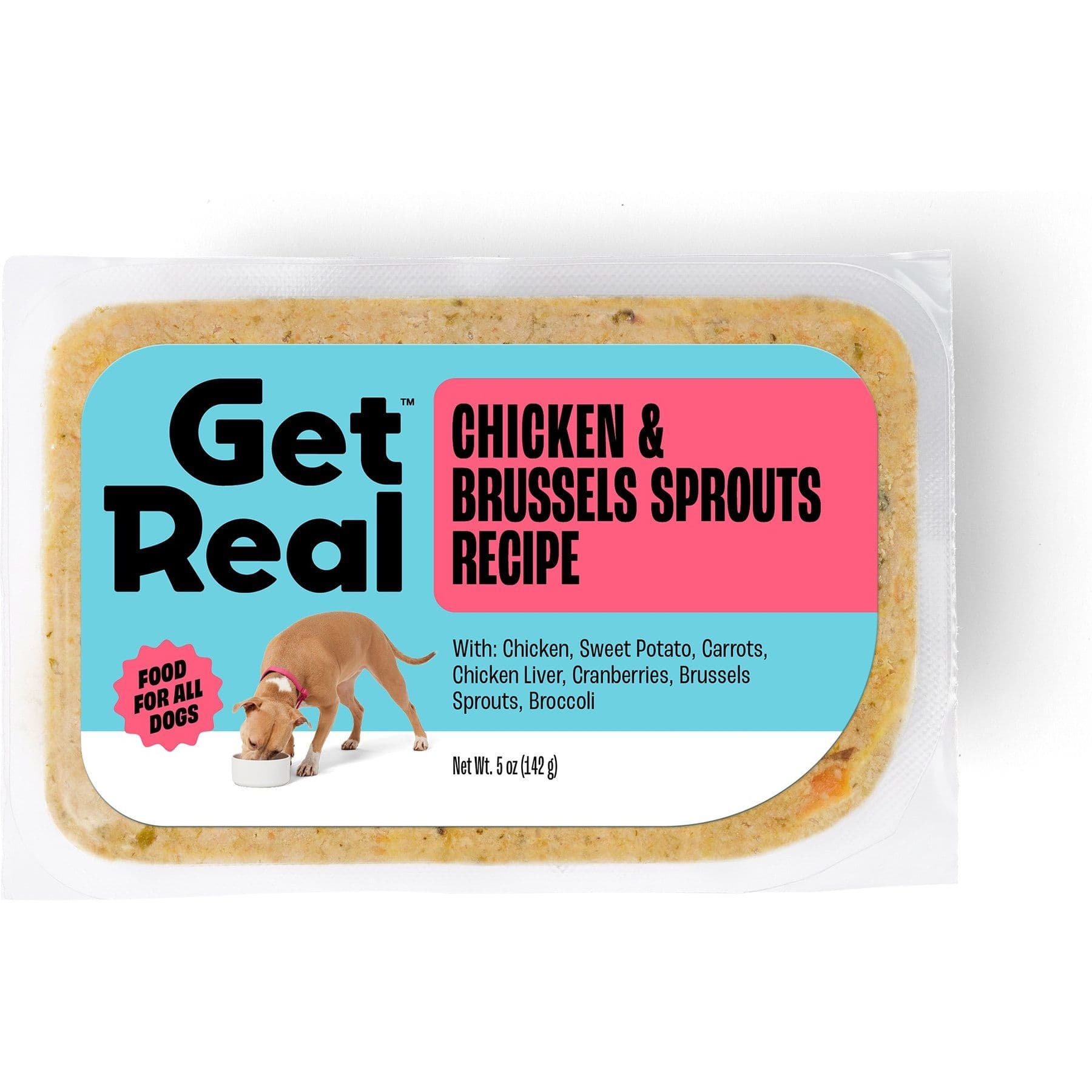
If chicken suits your dog, this gently cooked chicken recipe makes it the everyday protein in a food formulated to meet AAFCO nutrient profiles for all life stages.
Webvet may earn a commission when you click through to Chewy, at no extra cost to you.
How to Cook Chicken for Your Dog
How do I cook chicken for my dog? Boiling is the simplest method. Place boneless, skinless chicken breasts or thighs in a pot, cover with water, bring to a boil, then simmer for about 12 to 15 minutes until the meat reaches 165°F inside, the poultry safety temperature set by the USDA Food Safety and Inspection Service. Let it cool, then shred it.

Boiled chicken is good for dogs, and so is baked, steamed, grilled, or roasted chicken, provided it is plain. Plain cooked ground chicken works well too; drain off the fat after browning it without oil. Dark meat and chicken thighs are fine with the skin removed, while white meat is the leanest choice, which is why cooked chicken breast is the classic pick.
- Start with fresh or fully thawed plain chicken and add no salt, butter, oil, onion, garlic, or spice rubs.
- Cook chicken breast, thighs, or ground chicken until the juices run clear and the center reaches 165°F.
- Remove all skin and every bone before serving, including small rib pieces.
- Shred or dice the cooked chicken meat into bite-size pieces for your dog's size.
- Store cooled boiled chicken in the fridge and use it within 3 to 4 days, or freeze portions.
Shredded chicken from a roast dinner is only suitable if it was cooked plain. Roast chicken, baked chicken, or grilled chicken cooked for people usually carries salt, oil, and seasoning, so set a few plain pieces aside before seasoning the rest. If weekly batch cooking is not practical, a Get Real by Chewy sampler offers gently cooked, pre-portioned fresh meals in its chicken, beef, and turkey recipes.
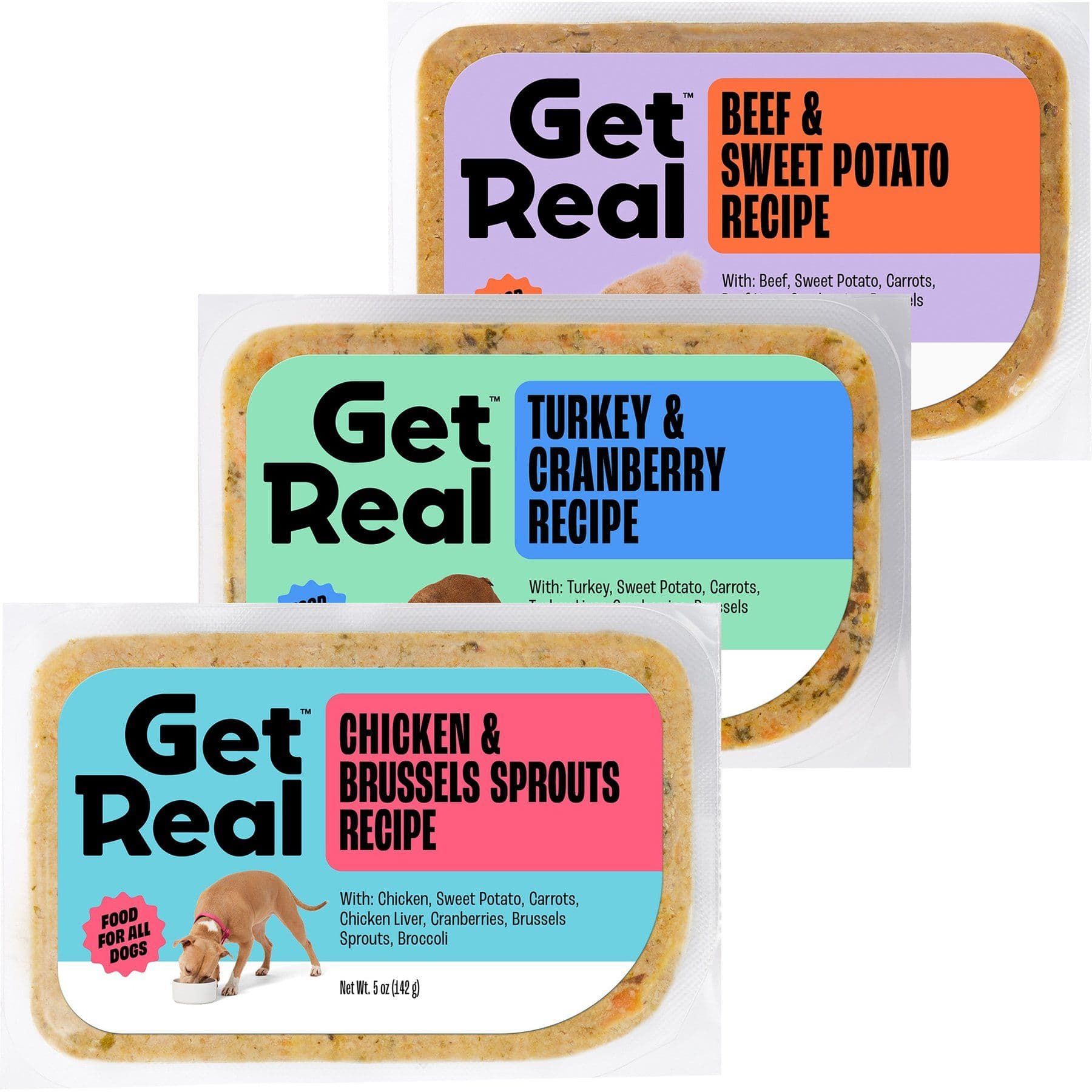
If cooking chicken every few days is not realistic, a sampler lets you try gently cooked chicken, beef, and turkey recipes side by side before committing to one.
Webvet may earn a commission when you click through to Chewy, at no extra cost to you.
How Much Chicken Can a Dog Eat?
How much chicken a dog can eat depends on whether chicken is a treat or the main protein. As a treat or topper, keep it within about 10 percent of daily calories, the guidance used in the WSAVA nutrition guidelines. Cooked skinless chicken breast has roughly 45 calories per ounce, or about 165 kcal per 100 g.
Applying the 10 percent treat rule by weight in kg, using about 165 kcal per 100 g of plain cooked chicken breast, for healthy adult dogs:
- A 5 kg (11 lb) dog eats about 380 kcal a day, so its treat share is about 38 kcal, or 23 g of chicken.
- A 10 kg (22 lb) dog eats about 630 kcal a day, so about 63 kcal, or 38 g.
- A 20 kg (44 lb) dog eats about 1,060 kcal a day, so about 106 kcal, or 65 g.
- A 35 kg (77 lb) dog eats about 1,600 kcal a day, so about 160 kcal, or 97 g.
Cooked chicken can be good for dogs every day when chicken is the protein inside a complete and balanced diet. Plain chicken on its own every day, as the whole meal, will lack calcium, essential fats, and several vitamins and minerals over time.
Too much chicken as an extra usually shows up as weight gain or loose stools, and a dog filling up on chicken may start refusing its regular food. The figures above are estimates by weight in kg for a typical neutered adult; a puppy, a working dog, or a dog with a health condition needs a number from your veterinarian.
Chicken and Rice for an Upset Stomach
Boiled chicken and white rice is low in fat and fiber and gentle on an irritated gut, which is why vets often suggest it for mild vomiting or diarrhea. For a short, mild bout of diarrhea in an otherwise bright dog, chicken and rice is a good choice. Boiled chicken on its own also helps an upset stomach, but the rice adds easily digested carbohydrate that firms stool.

- Mix about 1 part plain boiled chicken to 2 parts plain white rice.
- Offer small meals 3 to 4 times a day rather than one large one.
- Start with a few spoonfuls and work up to roughly the volume of a normal meal.
- Once stools are firm, blend the mix back into the usual food over 3 to 5 days.
There is no single formula for how much chicken and rice to feed by weight in kg; a practical start is about the same volume as the usual meal, split into small portions, and your vet can tailor it. Brown rice is fine for healthy dogs, but white rice is easier to digest during an upset. Chicken with sweet potato or pumpkin can also work; plain pumpkin adds fiber some dogs tolerate well, and chicken, rice, and carrots or peas is fine once the stomach settles. Rotisserie chicken, canned chicken, and ground chicken are best skipped during diarrhea because of added salt or fat. Rice with low-sodium chicken broth poured over it can tempt a dog that is reluctant to eat.
How long can a dog eat just chicken and rice? Usually 3 to 5 days. A sensible stop rule: if a bland diet has not firmed up stools within 2 to 3 days, or signs return when you go back to normal food, book a vet visit rather than extending the bland diet. Feeding chicken and rice every day beyond that is not advisable: a chicken and rice diet is not complete and balanced, so long-term feeding leads to deficiencies. Commercial chicken and rice dog food that is labelled complete is a different product and can be fed long term. For dogs with pancreatitis or kidney disease, chicken and rice is suitable only in the form your vet prescribes.
Chicken Allergy in Dogs: Signs and What to Feed Instead
For dogs with allergies, chicken is a problem only if chicken is the trigger. In a review of published food allergy cases, chicken was among the most frequently reported food allergens in dogs, along with beef, dairy, and wheat. Our guide to common dog food allergens explains the others. Food allergy is an immune reaction to a protein, so it often appears in a dog that has eaten chicken for months or years without trouble.
In dogs with a chicken allergy, symptoms usually show up in the skin and gut:
- Itchy skin, especially the paws, face, ears, armpits, and rear end
- Recurrent ear infections or skin infections, including yeast infections
- Licking and chewing the feet
- Soft stool, gas, or diarrhea that keeps coming back
Yeast infections matter here too: yeast overgrowth in the ears or skin is often secondary to an underlying allergy, so if chicken is the trigger, removing it helps. Treatment for a chicken allergy starts with an elimination diet: your veterinarian picks a protein your dog has not eaten before, or a hydrolyzed diet, and you feed it strictly for at least 8 weeks, then reintroduce chicken to confirm. Chicken meal and chicken liver still contain chicken protein, so they are not suitable for dogs with allergies to chicken either.
| Route | When to choose chicken (or not) | How long | Example |
|---|---|---|---|
| Everyday chicken | Healthy dog with no signs of allergy | Ongoing | Complete and balanced food with chicken as the protein |
| Short bland diet reset | Mild, short-lived upset stomach | About 3 to 5 days | Plain boiled chicken and white rice |
| Non-chicken protein | Suspected or confirmed chicken allergy | 8 weeks or more under vet guidance | A diet your vet selects, such as a beef-based food if beef is tolerated |
A dog with a chicken allergy needs a non-chicken protein that it tolerates. If a dog is allergic to chicken, turkey is sometimes ok, but chicken and turkey share related proteins, so many vets choose a protein outside the poultry family for the trial.
 Sponsored
Vet care that's always there
Unlimited video calls and messaging with licensed vets for less than a typical vet visit. One membership covers up to five pets.
Use code Pets60
Plans start at $12/month · covers up to 5 pets
- Licensed vets in most states
- Rx for 150+ conditions
- 4.7 on Trustpilot
Why Chicken Is the Most Common Fresh-Food Protein
Why is chicken the most common fresh-food protein? Because it is the most widely produced and eaten meat in the United States, according to the USDA Economic Research Service, which makes human-grade chicken the easiest protein to source consistently. On top of that supply advantage, chicken is lean, highly digestible, and palatable to most dogs, and its amino acid profile meets canine needs well. That is why so many chicken dog food formulas exist, from chicken kibble to fresh and frozen recipes. Chicken dog food is good for dogs that tolerate chicken, when it is labelled complete and balanced under AAFCO nutrient profiles.
For households that want a second protein besides chicken, the Get Real Beef & Sweet Potato Recipe is built on beef, with no chicken in its ingredient list, and is made to the same all-life-stages AAFCO profile.
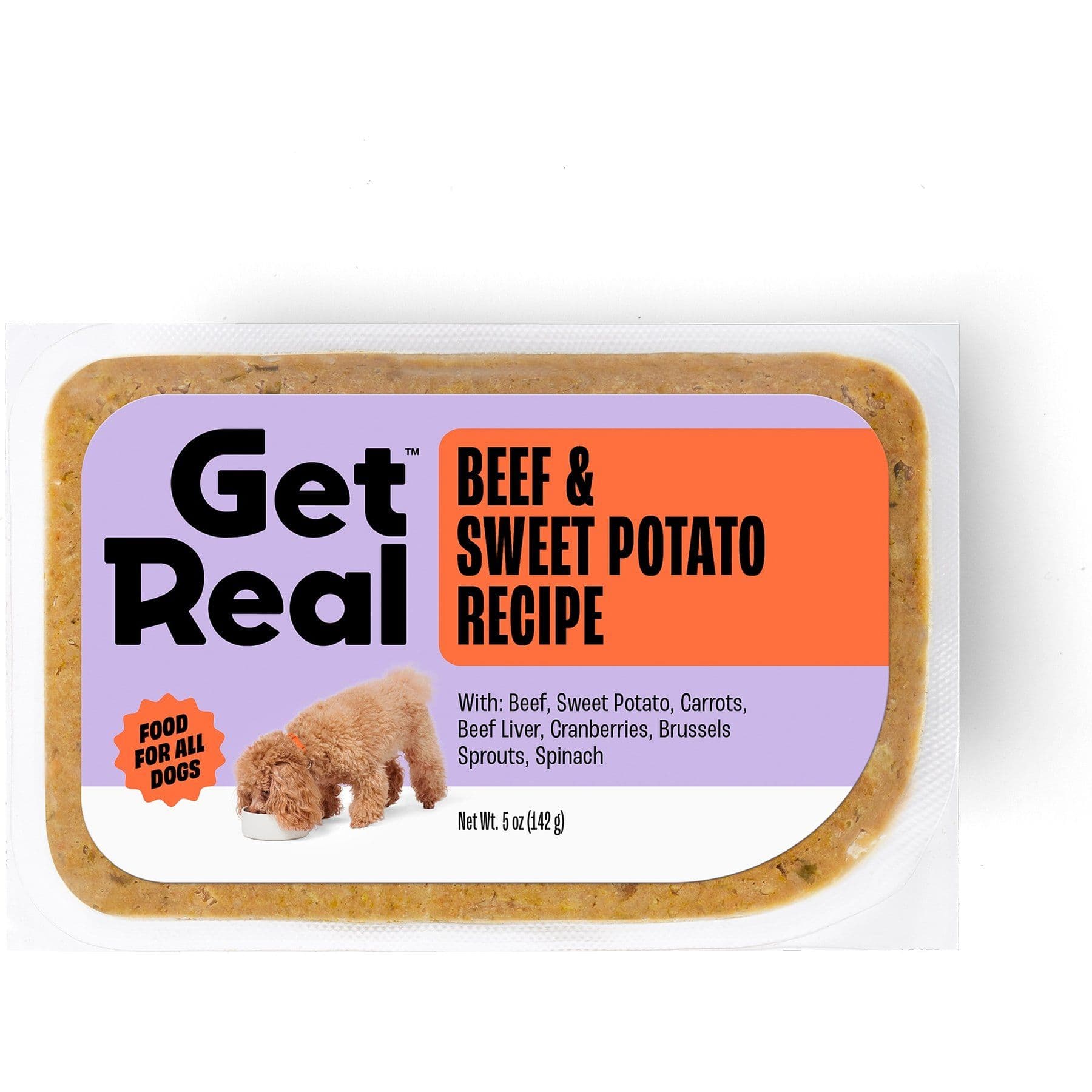
For a dog that does well on beef, this gently cooked beef recipe adds a non-chicken protein to the rotation, with no chicken in its ingredient list.
Webvet may earn a commission when you click through to Chewy, at no extra cost to you.
Chicken in dog food is not bad for dogs in itself. Owners often worry about ingredient names, so here is what they mean:
- Chicken: clean flesh and skin, with or without bone, as AAFCO defines it; fresh chicken is about 70 percent water.
- Chicken meal: chicken that has been rendered to remove water and fat, leaving a concentrated protein powder.
- Chicken by-product meal: rendered clean parts other than meat, such as organs, which can be nutritious.
- Real chicken on a label usually means whole chicken flesh rather than a meal.

Chicken by-product can be good for dogs; quality depends on the manufacturer. Fresh food takes a different approach, using whole chicken that is gently cooked rather than rendered. The Get Real Chicken & Brussels Sprouts Recipe from Chewy is made with human-grade ingredients, gently cooked then frozen, with a guaranteed analysis of at least 10 percent protein and 8.5 percent fat and 1,260 kcal per kilogram. Each recipe has 10 ingredients or fewer plus vitamins and minerals.
Learn more about protein for dogs and how much they need. Dogs that do well on poultry sometimes benefit from rotating proteins, and our guide on can dogs eat turkey covers turkey as a second poultry option.
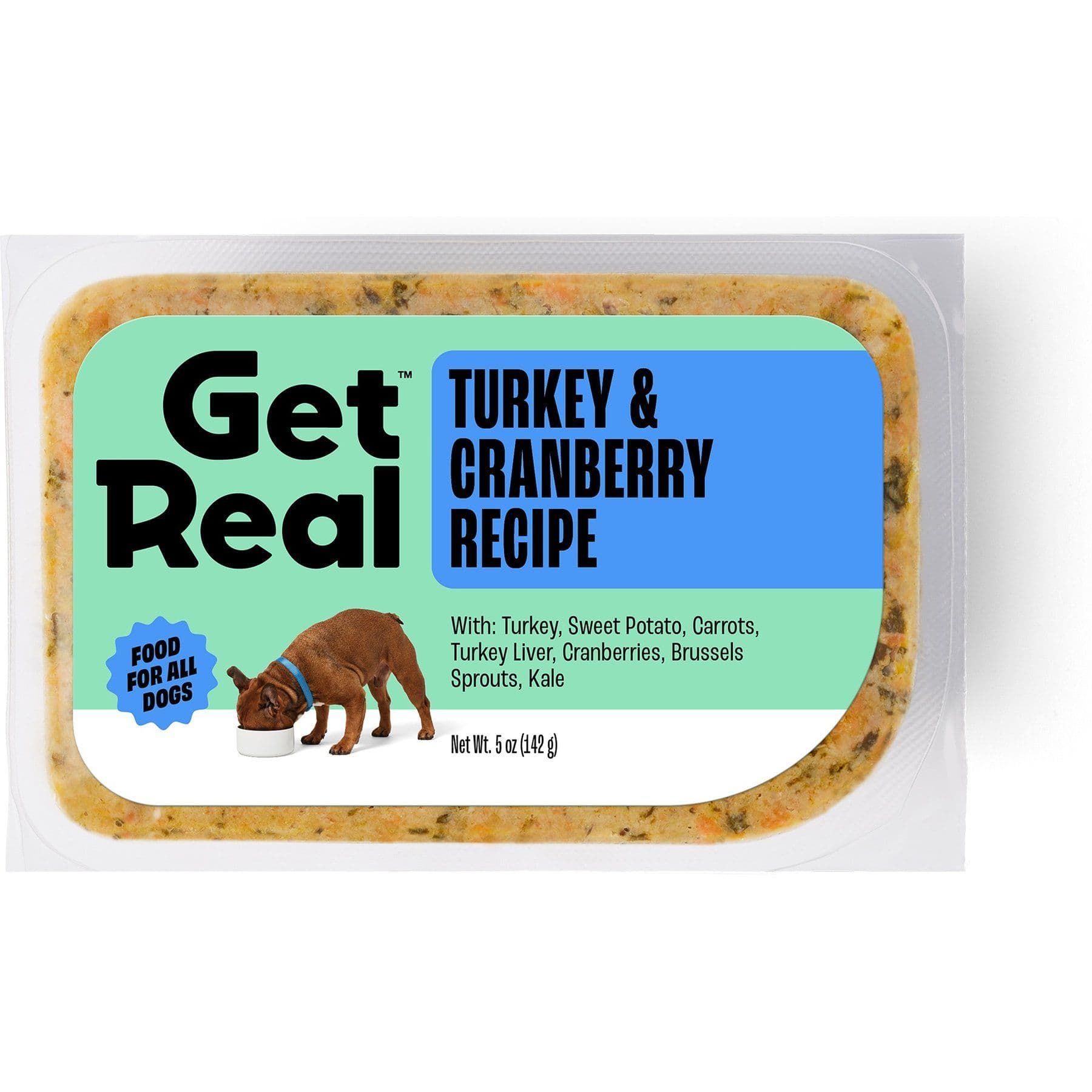
For dogs that thrive on poultry and enjoy variety, a gently cooked turkey recipe is another lean protein to rotate with chicken, made to the same all-life-stages profile.
Webvet may earn a commission when you click through to Chewy, at no extra cost to you.
Chicken Broth and Soup for Dogs
Is chicken broth good for dogs? Plain, homemade chicken broth or stock with no salt, onion, or garlic is safe and can encourage a dog to eat or drink. The problem is store-bought chicken broth: most canned chicken broth and chicken bouillon cubes contain high sodium, and many include onion or garlic, which damage a dog's red blood cells.
- Homemade chicken broth or stock: simmer plain chicken in water, skim the fat, and add nothing else.
- Unsalted or low sodium chicken broth: check the label for onion, garlic, and yeast extract before use.
- Chicken bone broth and chicken feet broth: fine if plain; strain out every bone fragment. Chicken collagen from bone broth is a bonus, not a medicine.
- Chicken noodle soup, cream of chicken soup, and chicken gravy: not recommended due to salt, fat, onion, and dairy.
The water from plain boiled chicken is essentially a mild broth. A spoonful of broth over food every day is fine, but keep larger amounts occasional. For sick dogs, such as dogs with parvo, treatment comes first: parvo needs veterinary treatment, and broth is only a small supportive step a vet may suggest once vomiting is controlled. Chicken or beef broth are both good for dogs if plain.
For dogs with pancreatitis, skim all fat from the broth; and for kidney disease use only an unsalted broth your vet approves. Whatever type of chicken broth you choose, organic or reduced sodium, the label matters more than the brand name.
Chicken for Dogs With Pancreatitis, Kidney Disease, or Other Conditions
Is chicken safe for dogs with pancreatitis? Lean, skinless boiled chicken breast is one of the proteins vets often use in low-fat diets for dogs recovering from pancreatitis, because fat is the main dietary trigger. Skin, dark meat, chicken liver, and fried chicken are higher in fat and should be avoided. Follow the fat level your veterinarian sets, as the Merck Veterinary Manual notes dietary fat management is central to care.
Dogs with kidney disease or kidney failure usually need controlled protein and phosphorus, so a renal diet comes first. Boiled chicken breast can sometimes be used in small, measured amounts within that plan, but not as an add-on. Chicken liver is high in phosphorus and is best avoided for kidney problems.
- Liver disease: some dogs need moderate, high-quality protein; chicken may fit, and chicken liver is often avoided for copper-related liver problems.
- Heart disease: plain chicken is low in sodium, but processed or seasoned chicken is not.
- Bladder stones: the right protein depends on the stone type; organ meats like chicken liver are high in purines, which matters for urate stones.
- Diabetes: plain lean chicken fits most diabetic plans when the amount stays consistent.
- Pregnant and nursing dogs: energy needs rise sharply; boiled chicken can be a treat, but the main diet should be complete for growth and reproduction.
For pregnant dogs, small amounts of chicken liver are fine, but too much adds excess vitamin A. In every case, plain chicken is a supporting ingredient and your vet's plan sets the amount.
Chicken Bones, Necks, and Feet
Chicken bones are not good for dogs. Cooked chicken bones, whether roasted, boiled, or fried, become brittle and splinter into sharp pieces that can cut the mouth, lodge in the throat, or pierce or block the gut. Chicken wings, leg bones, drumsticks, and the carcass from a roast are common culprits. Read more about the dangers of bones for dogs.

Raw chicken bones are softer, which is why raw feeders use raw chicken necks, raw chicken wings, and raw chicken legs. They still carry choking and obstruction risks, plus Salmonella. A 2018 University of Melbourne study also linked eating raw chicken, especially necks, to a higher risk of a paralysing nerve condition called acute polyradiculoneuritis in small dogs.
How many chicken necks can a dog have? For most dogs, veterinary guidance is none. If you and your vet decide to include them, give one raw neck sized for your dog, supervised, no more than a few times a week, and count it in daily calories. Cooked or boiled chicken necks should never be fed.
- Chicken feet and chicken paws: dried or freeze-dried chicken feet are popular chews and soften as the dog chews; raw, frozen, cooked, or boiled feet carry more risk.
- Chicken cartilage and gristle: small amounts of cooked cartilage are low risk but can cause choking in gulpers.
- Chicken bone marrow and chicken heads: rich and bony; not recommended.
- Deboned chicken and chicken leg meat: cooked and plain, these are fine.
If your dog ate raw chicken with bones, watch closely and call your vet if you see gagging, vomiting, or a painful belly.
Chicken Liver, Hearts, and Gizzards
Chicken liver is good for dogs in small amounts. Chicken livers are rich in vitamin A, iron, copper, and B vitamins, and dogs love them. Because liver is so concentrated, limit it to about 5 percent of the diet; too much over time can cause vitamin A excess. A small piece as an occasional treat is fine, but not a daily serving.
Chicken hearts and gizzards are muscle meat, lean and rich in protein, and chicken hearts provide taurine. They can be fed a little more freely than liver. Chicken giblets, chicken kidney, and mixed chicken organ meat are fine cooked and in moderation.
- Boiled chicken liver and cooked chicken hearts and gizzards are the safest forms.
- Freeze-dried chicken liver is a convenient training treat; count it within treat calories.
- Raw chicken liver, raw chicken hearts, and raw chicken gizzards carry bacterial risk.
- Chicken intestine, cooked chicken blood, and chicken blood products are not toxic but offer little and can upset digestion.
Skip chicken liver for dogs with diarrhea, because rich liver can make loose stools worse.
Raw Chicken: Bacteria and Bone Risks
Some raw feeders give dogs chicken raw, but raw chicken carries some of the highest food safety risks of any protein. Raw chicken meat, raw chicken breast, raw ground chicken, and raw chicken mince commonly carry Salmonella and Campylobacter. Dogs can get sick and can shed these bacteria in saliva and stool without looking unwell, putting children, older adults, and immunocompromised people in the home at risk, a concern the FDA has raised about raw pet diets.
Freezing raw chicken does not reliably kill Salmonella, and very fresh uncooked chicken still carries bacteria. Raw chicken skin and raw chicken fat add a heavy fat load on top of the bacterial risk. Chicken mince is good for dogs once cooked.
Owners who choose to feed raw chicken should work with your veterinarian on a complete recipe, use strict kitchen hygiene, wash bowls after every meal, and wash your hands. If a dog eats raw chicken breasts from the counter, most healthy adult dogs are fine; the FAQ below covers what to watch for.
Chicken Skin, Fried Chicken, and Seasoned Dishes
What three meats should dogs avoid? Veterinary guidance commonly points to three groups: processed and cured meats such as sausage, hot dogs, and deli slices; fatty skin and trimmings; and raw or undercooked meat. Chicken shows up in all three: chicken sausage and chicken hot dogs, chicken skin, and raw chicken.
Chicken skin and fried chicken are not good for dogs. The fat is the problem, and it can trigger vomiting, diarrhea, or pancreatitis:
- Cooked chicken skin, boiled chicken skin, and fried chicken skin
- Chicken fat, chicken grease, and chicken oil from the pan
- Fried chicken breading, oil, salt, and spices
- Rotisserie chicken: salty and often seasoned with garlic and onion; plain breast meat with skin removed is acceptable as a small taste.
- Orange chicken, teriyaki chicken, BBQ chicken, chicken curry, and chicken adobo: sauces with sugar, soy, garlic, onion, and spice.
- Spicy chicken and smoked chicken: chili causes stomach upset, and smoked chicken is usually brined.
- Chicken alfredo, cream of chicken dishes, and chicken pot pie: dairy, fat, onion, and garlic.
- Chicken sausage, chicken vienna sausage, and chicken hot dogs: high sodium and preservatives.
Plain boiled chicken, including boiled chicken breast and thighs, is the safe version of every dish above, and unseasoned chicken is the rule. Boiled chicken can be fed every day as a topper within the treat share. To store boiled chicken for dogs, refrigerate it in a sealed container and use it within 3 to 4 days, or freeze portions for up to a few months.
Canned, Dried, and Freeze-Dried Chicken
Canned chicken breast packed in water is cooked and convenient, but it is often salted. Choose a no-salt-added can, drain and rinse it, and use it in small amounts. For dogs with a sensitive stomach, plain rinsed canned chicken is fine in most cases.
Freeze-dried chicken and dehydrated chicken are single-ingredient treats that keep the meat's protein without additives. They are calorie-dense because the water is removed, so a few pieces go a long way.
- Chicken jerky: choose jerky made in a facility that follows food safety standards, and stop feeding it if your dog becomes unwell; the FDA has investigated illnesses linked to some jerky treats.
- Dried chicken treats: count them toward the 10 percent treat share.
- Dehydrated chicken: soak in warm water for older dogs or small mouths.
Dried chicken is good for dogs as a daily treat in small amounts.
Questions readers ask
Frequently Asked Questions
Is chicken good for dogs every day?
Yes, when chicken every day is the protein in a complete and balanced food. Plain chicken as the whole meal every day lacks calcium, fats, vitamins, and minerals, so as an extra keep it in the 10 percent treat share.
Is rotisserie chicken good for dogs?
A little plain breast meat is fine, but rotisserie chicken salt and seasoning levels are high. Remove skin and bones, avoid pieces with visible seasoning, and keep it to a small taste.
Is chicken meal good for dogs?
Yes, for dogs without a chicken allergy. Chicken meal rendered from clean chicken is a concentrated protein source; check that it sits early in the ingredient list of a complete and balanced food.
Is dark meat chicken good for dogs?
Yes, without the skin. Dark meat fat content is higher than breast, so for weight-prone dogs or those with a history of pancreatitis, white meat lean cuts are the better pick.
Is chicken broth good for dogs with diarrhea?
A low sodium broth with no onion or garlic can help a dog with mild diarrhea stay hydrated and interested in food. Skim off the fat, offer small amounts, and see your vet if diarrhea lasts beyond a day or two.
What should I do if my dog ate raw chicken?
Most healthy adult dogs are fine. Watch for vomiting, diarrhea, lethargy, or loss of appetite over the next 72 hours, and call your veterinarian if signs appear or if bones were eaten. Clean up carefully and wash your hands.
Veterinarian · BVMS MRCVS
Dr. Pippa Elliott, BVMS, MRCVS, is a veterinarian with nearly 30 years of experience in companion animal practice. Dr. Elliott earned her Bachelor of Veterinary Medicine and Surgery from the University of Glasgow. She was also designated a Member of the Royal College of Veterinary Surgeons. Married with 2 grown-up kids, Dr. Elliott has a naughty Puggle named Poggle, 3 cats and a bearded dragon.
Related reading

Easily Digestible Dog Food: What Makes a Meal Gentle on Your Dog's Gut

Fresh Dog Food for Underweight Dogs: Safe Weight Gain, Step by Step

How to Tell if a Dog Food Is Right for Your Dog: 8 Signs Vets Check
