Can Dogs Eat Turkey? Safe Portions, Preparation, and Benefits
Can dogs eat turkey? Plain cooked turkey is safe for most dogs. A vet's part-by-part guide to bones, skin, giblets, deli meat, and raw turkey, with portions by size and how turkey works as an everyday protein.

BVMS MRCVS
Medically reviewed by Dr. Pippa Elliott, BVMS MRCVS · Last reviewed

This article contains affiliate links. Webvet may earn a commission when you buy through them, at no extra cost to you.
Can dogs eat turkey? Yes. Plain turkey meat, cooked through with no skin, bones, or seasoning, is a lean and easily digested protein that most healthy dogs handle well. The trouble usually comes from everything that travels with it: brittle cooked bones, fatty skin, salty gravy, and heavily processed deli slices.
Turkey questions spike every November, and most turkey-related emergencies in dogs are preventable. Below is a part-by-part guide to what is safe, how to prepare it, and how much a dog can eat, plus how turkey works as the main protein in a complete fresh diet.

 Sponsored
Have a health question about your dog?
Talk to a licensed vet at Dutch over video or message, including nights and weekends.
Use code Pets60
Plans start at $12/month · covers up to 5 pets
- Licensed vets in most states
- Rx for 150+ conditions
- 4.7 on Trustpilot
Can Dogs Eat Turkey?
Yes, dogs can eat turkey when it is plain cooked turkey: skinless boneless white or dark meat, cooked to a safe internal temperature, with no salt, butter, onion, garlic, or seasoning. Served that way, it is a lean protein that suits most healthy adult dogs as a treat or as the main protein in a complete diet.
- 1Plain cooked turkey with no skin, bones, or seasoning is safe for most healthy dogs.
- 2Cooked turkey bones splinter and can injure the mouth, throat, or gut, so never feed them.
- 3Skin, fat, gravy, and stuffing are the parts most likely to upset a dog's stomach or trigger pancreatitis.
- 4Deli turkey, turkey bacon, and turkey hot dogs carry too much sodium and seasoning for regular use.
- 5Treats, including turkey, should stay within about 10 percent of a dog's daily calories.
Turkey is not toxic to dogs, and it is not bad for them when it is prepared the right way. The benefits of turkey for dogs are real: it supplies high-quality protein, B vitamins such as niacin, and minerals like zinc and selenium, with relatively little fat in the breast meat. Turkey thighs and other dark meat are safe too once the skin is removed, though they carry a little more fat.
What parts of turkey can dogs eat? The meat, cooked and plain, is the safe part. Organs can work in small amounts. Bones, skin, and seasoned or processed products are where the risk sits, and each gets its own verdict below.
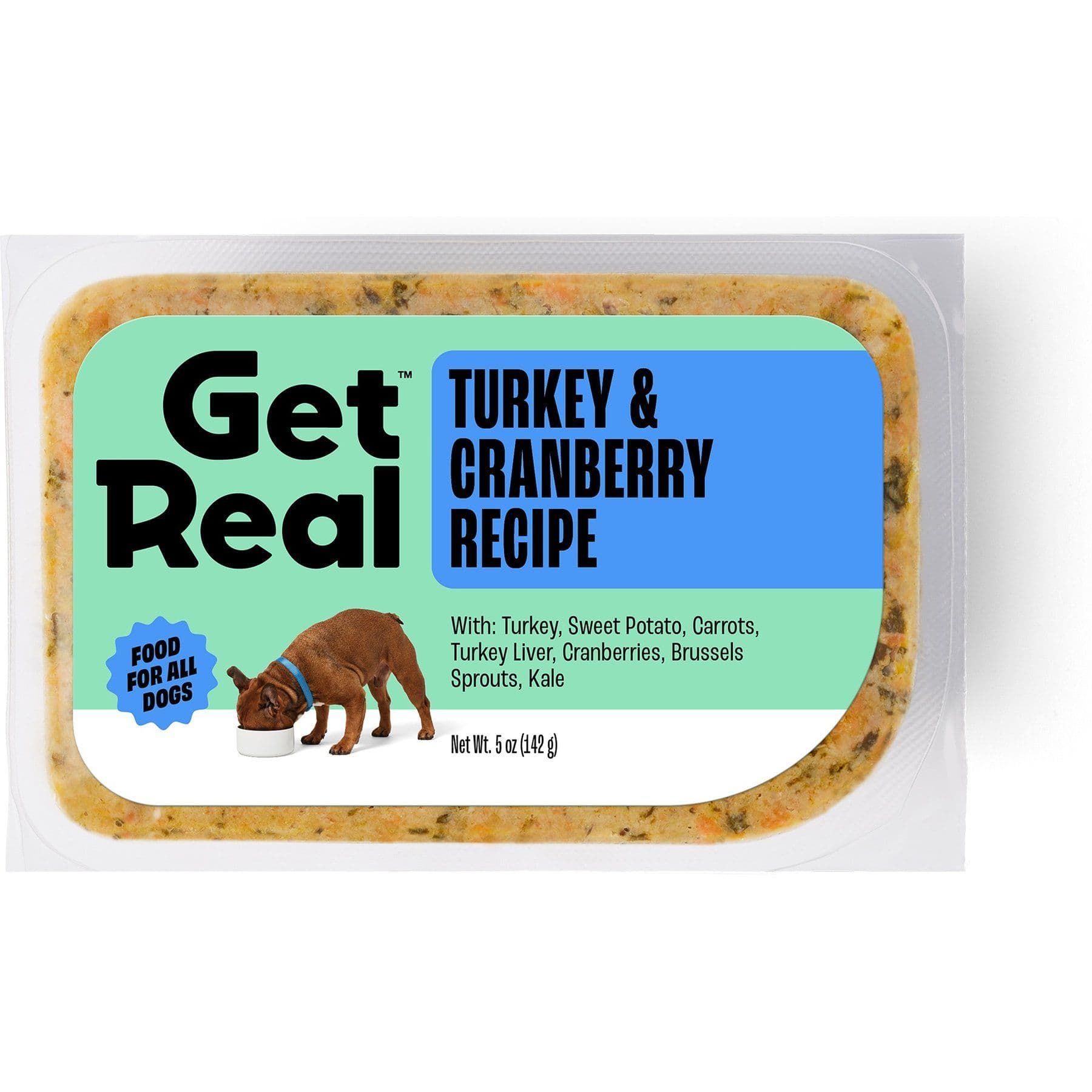
If you want turkey as your dog's everyday protein rather than an occasional extra, this gently cooked turkey recipe is made to meet AAFCO nutrient profiles for all life stages.
Webvet may earn a commission when you click through to Chewy, at no extra cost to you.
How to Prepare Turkey for Your Dog
Is cooked turkey ok for dogs? Yes, as long as it is fully cooked and completely plain. Cooking kills Salmonella and other bacteria, and keeping it plain avoids the seasonings and fat that cause most turkey-related upsets. Plain preparations that work well:
- Boiled turkey or roast turkey
- Baked or oven roasted turkey breast and cooked turkey breast meat
- White meat turkey, and dark turkey meat once the skin is off

Plain ground turkey is a safe, convenient option, and cooked ground turkey breast is the leanest form. Check the label: packs range from about 85 to 99 percent lean, and the fattier blends are better avoided for dogs with sensitive stomachs. Ground turkey with rosemary extract listed as a preservative is generally fine in that tiny amount, but skip any pack that is pre-seasoned. A turkey and ground beef mix can be fed if both are plain and well drained.
To cook turkey safely at home, follow these steps:
- Cook fresh turkey to an internal temperature of 165°F, the poultry safety point set by the USDA Food Safety and Inspection Service.
- Remove all skin and pick out every bone, including small rib and wishbone fragments.
- Use no butter, oil, salt, onion, garlic, or seasoning blends.
- Shred or dice the cooked turkey meat into pieces sized for your dog's mouth.
- Refrigerate leftovers and use them within 3 to 4 days.
Turkey part verdict: plain turkey cooked at home is the safest way to share it, and the safer swap for anything seasoned is a few plain pieces set aside before the rest of the meal is prepared. If cooking separately each week is not realistic, a Get Real by Chewy sampler lets you try gently cooked, pre-portioned fresh meals in its beef, chicken, and turkey recipes.
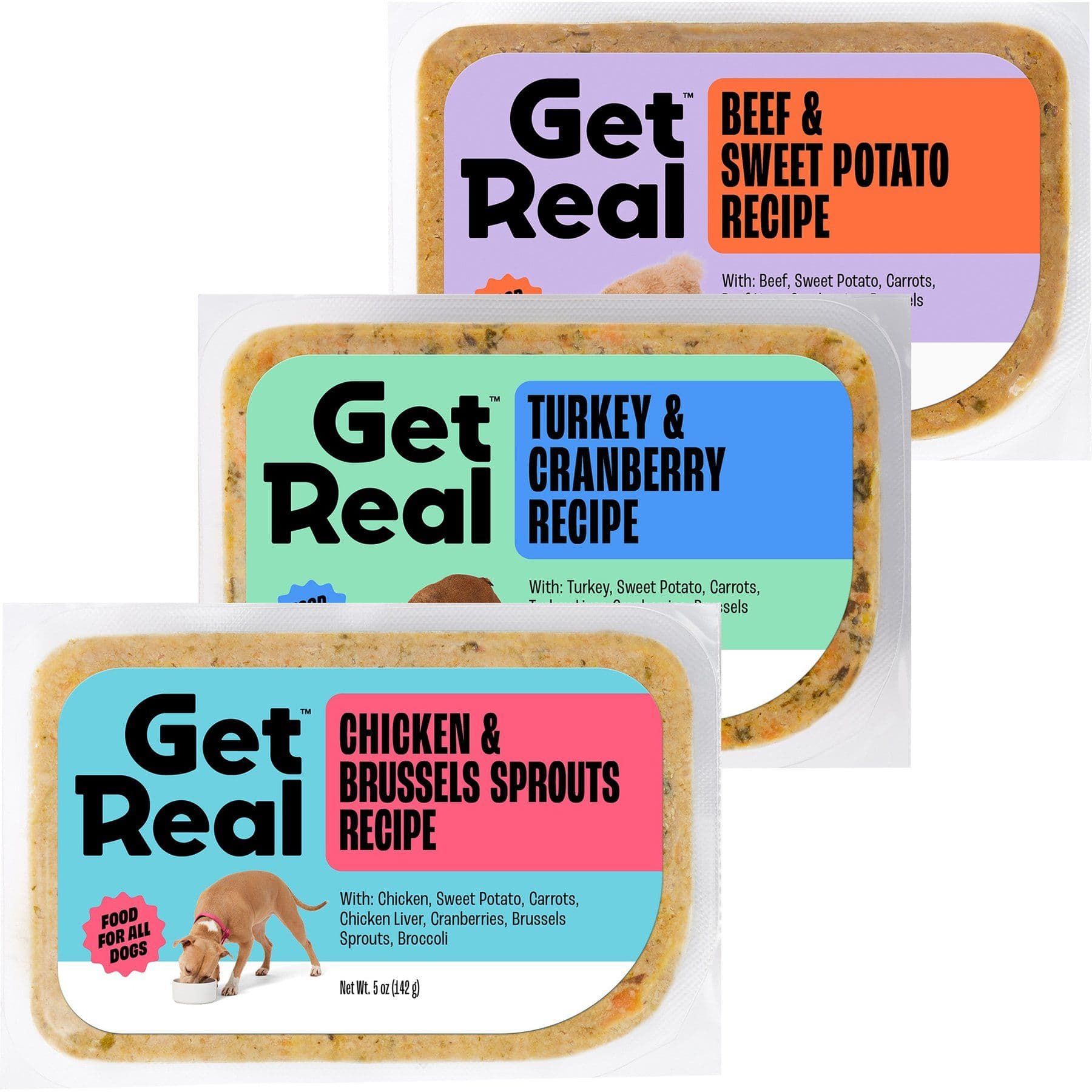
Not sure turkey is the right everyday protein for your dog? A sampler lets you compare gently cooked turkey, chicken, and beef recipes before choosing one.
Webvet may earn a commission when you click through to Chewy, at no extra cost to you.
How Much Turkey Can a Dog Eat?
How much turkey can dogs eat? When turkey is a treat or topper, keep it within roughly 10 percent of the day's calories, the treat guidance used in the WSAVA nutrition guidelines. Cooked skinless turkey breast has roughly 40 calories per ounce, so the share is small for small dogs.
Calorie-based portion guidance is more useful than a general call for moderation. Applied to healthy adult dogs, the 10 percent treat rule works out like this, at about 40 kcal per ounce of plain cooked turkey breast:
- A 10 lb dog eats about 350 kcal a day, so its treat share is about 35 kcal: under 1 oz of turkey.
- A 20 lb dog eats about 590 kcal a day, so about 60 kcal, or roughly 1.5 oz.
- A 50 lb dog eats about 1,170 kcal a day, so about 115 kcal, or 2.5 to 3 oz.
- An 80 lb dog eats about 1,650 kcal a day, so about 165 kcal, or about 4 oz.
Small dogs can eat turkey safely, but the portion is tiny: a 10 pound dog only needs a few small cubes. Dogs can also eat too much turkey. A large portion of rich, fatty turkey can cause vomiting and diarrhea, and a heavy holiday meal is a classic pancreatitis trigger.
Plain turkey, including ground turkey, can be part of the everyday diet, but turkey alone is not complete. Feeding it daily works when it is the protein inside a complete and balanced food, not a bowl of plain meat. The calorie figures above are estimates for a typical adult; your veterinarian can give a precise number for your dog's weight, age, and activity.
 Sponsored
Vet care that's always there
Unlimited video calls and messaging with licensed vets for less than a typical vet visit. One membership covers up to five pets.
Use code Pets60
Plans start at $12/month · covers up to 5 pets
- Licensed vets in most states
- Rx for 150+ conditions
- 4.7 on Trustpilot
Turkey as the Main Protein in Fresh Dog Food
Turkey dog food has become common because turkey is lean, palatable, and a useful change from chicken or beef. The catch with homemade dog food made from ground turkey is balance. Ground turkey and rice makes a gentle short-term meal, but over weeks that combination falls short on calcium, essential fatty acids, and several vitamins and minerals. Our guide to how much protein dogs need explains why protein alone is not the whole picture.
A complete turkey diet needs the right additions in the right amounts, which is why AAFCO nutrient profiles matter: a food labelled complete and balanced for a life stage has been formulated to meet those profiles. Turkey and sweet potato dog food is a popular pairing, and turkey dog treats are fine as long as they count toward the treat share above.

Gently cooked fresh food solves the homemade balancing problem and makes turkey an easy everyday protein. The Get Real Turkey & Cranberry Recipe from Chewy is made with human-grade ingredients, 10 ingredients or less plus vitamins and minerals, and is formulated to meet AAFCO nutrient profiles for all life stages, including growth of large-breed puppies, with a guaranteed analysis of at least 8 percent protein and 10 percent fat and 1,394 kcal per kilogram. It arrives frozen and pre-portioned and can be served as a full meal, a topper, or mixed with kibble.
- Switch gradually over 7 to 10 days, or 10 to 14 days for a sensitive dog.
- Thaw in the fridge for 12 to 24 hours (35 to 48 hours for a 24 oz pack).
- Use thawed food within 3 to 5 days.
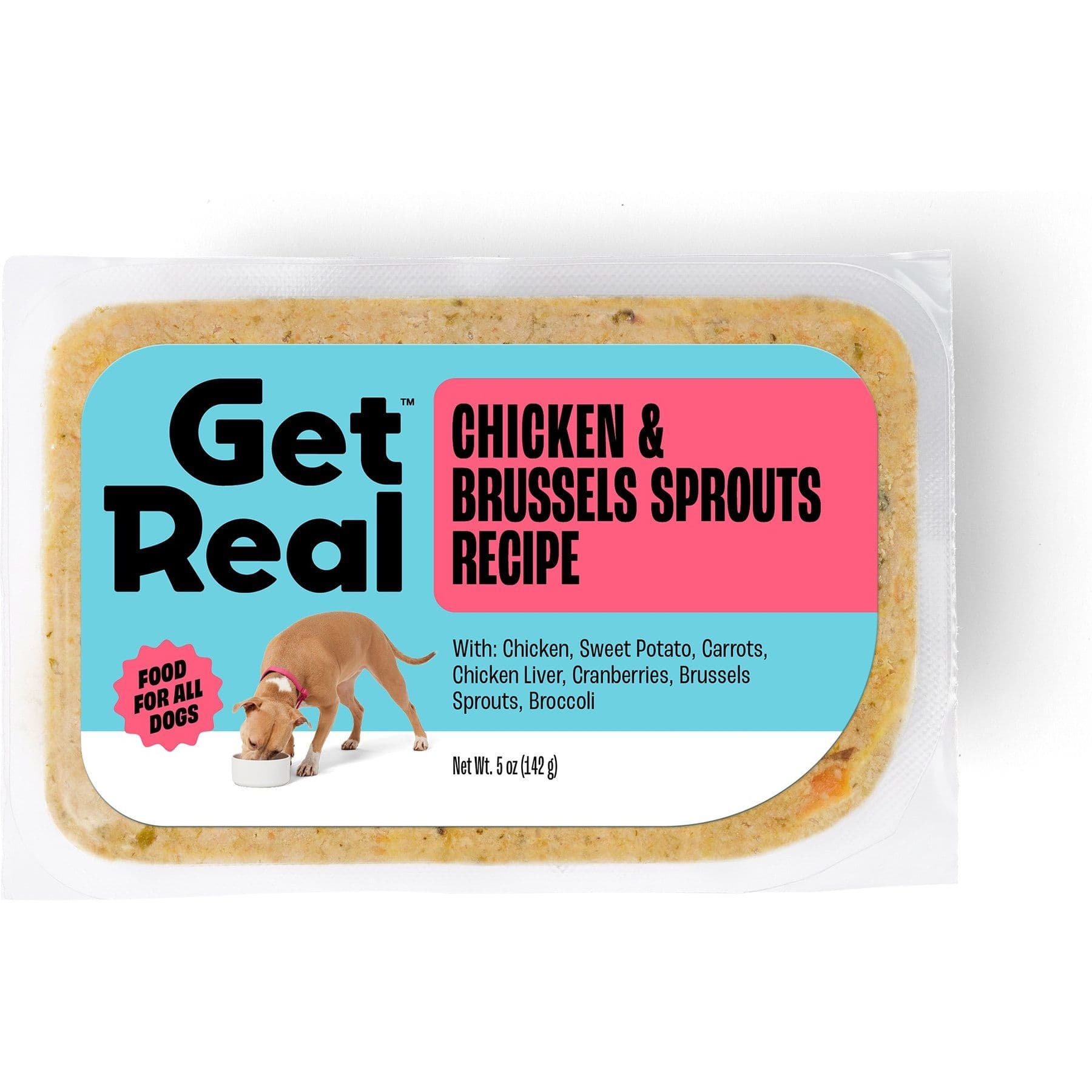
For dogs that do well on poultry, a gently cooked chicken recipe gives you a second lean protein to rotate with turkey, made to the same all-life-stages AAFCO profile.
Webvet may earn a commission when you click through to Chewy, at no extra cost to you.
Turkey vs. Chicken for Dogs With Food Allergies
Is turkey better for dogs than chicken? Nutritionally they are close: both are lean poultry proteins, and turkey breast is slightly leaner than chicken breast. Neither is better for every dog. The real difference shows up in dogs with food allergies, because chicken is one of the proteins most often reported in dogs with food allergy, along with beef and dairy. Our guide to common dog food allergens covers the full list, and our answer to is chicken good for dogs looks at chicken in detail.
Can dogs with chicken allergies eat turkey? Sometimes. Chicken and turkey share related proteins, so some dogs that react to chicken also react to turkey. Others tolerate turkey well, and a dog can be allergic to turkey and not chicken. The reliable way to know is an elimination diet trial guided by your veterinarian.
Two other conditions come up often:
- Can dogs with pancreatitis eat ground turkey? Very lean ground turkey breast is often used in low-fat diets, but only at the fat level your veterinarian sets.
- Can diabetic dogs eat turkey? Plain lean turkey fits most diabetic plans if the amount stays consistent day to day, so insulin dosing stays predictable.
Turkey part verdict: turkey can be a good alternative protein, but it is not automatically safe for a chicken-allergic dog. For owners who want to take chicken out of the bowl entirely, the Get Real Beef & Sweet Potato Recipe is built on beef, with no chicken in its ingredient list, and is gently cooked then frozen.
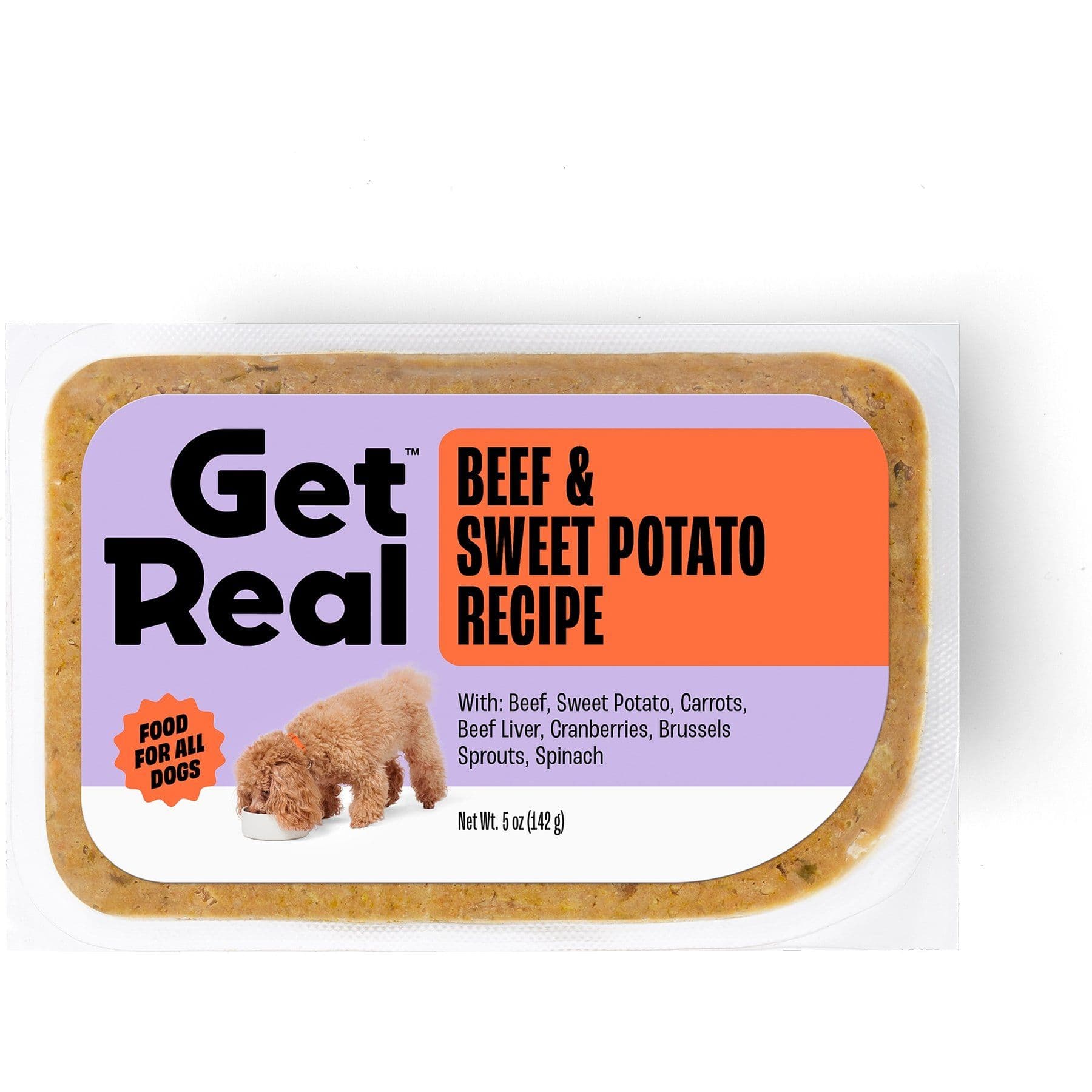
When you want a chicken-free option to talk through with your vet, this gently cooked beef recipe uses beef as its protein and lists no chicken among its ingredients.
Webvet may earn a commission when you click through to Chewy, at no extra cost to you.
Turkey Bones, Necks, and Legs
Can dogs eat turkey bones? No. Cooked turkey bones are brittle and splinter into sharp shards that can cut the mouth, lodge in the throat, or block or perforate the stomach and intestines. That applies to turkey leg bones, drumstick bones, turkey wing bones, the spine, and smoked, fried, or boiled turkey bones alike. Can turkey bones kill dogs? In the worst cases, yes; the FDA has warned about injuries and deaths linked to bone treats. Read more about the dangers of bones for dogs.

Raw turkey necks, backs, feet, and wings are sold for raw feeding because uncooked bones are softer. They still carry choking and obstruction risks, especially for dogs that gulp, and raw poultry can carry Salmonella. Veterinary guidance generally advises against feeding turkey necks to most dogs, raw or cooked, and small dogs face the highest choking risk with a whole neck.
Meat stripped from turkey legs, wings, and drumsticks is fine when it is cooked and plain, including smoked turkey leg meat if it is not heavily salted. The fatty or tough pieces are another matter:
- Turkey tendons and cartilage can cause choking in dogs that gulp.
- Turkey tails are mostly fat and skin.
Turkey part verdict: bones and necks, raw or cooked, are a no; the safer swap is plain leg meat pulled off the bone. Cooked turkey bones splinter and need a vet call, not a wait-and-see approach, because the damage is internal and not always visible at first.
Turkey Giblets, Liver, and Other Organs
Can dogs eat turkey giblets? Yes, in small amounts once cooked. Cooked turkey liver, turkey heart, and turkey gizzards are nutrient-dense organ meat, and turkey liver for dogs is rich in vitamin A and iron. The giblets bag usually holds:
- The turkey liver, heart, and gizzard, which are fine cooked
- The neck, which is a bone hazard and should be removed
Because liver is so concentrated, too much over time can lead to excess vitamin A. Keep organs to a small share of treats, roughly a teaspoon or two of chopped cooked liver for a medium dog, not a daily side dish. Heart and gizzards are leaner muscle and can be fed a little more freely.
- Boil or bake turkey giblets, liver, heart, gizzards, and kidney plain until fully cooked.
- Skip raw giblets and other raw organs, which carry the same bacterial risk as raw meat.
- Turkey lungs and other innards are not toxic but are rarely worth the digestive upset.
Turkey part verdict: cooked organ meat is fine in small amounts; raw organs and the neck are the parts to skip. The safer swap is a few pieces of cooked gizzard or heart chopped into the regular meal.
Turkey Skin, Gravy, and Thanksgiving Leftovers
Plain meat from a Thanksgiving turkey is fine for dogs as leftovers. The rest of the holiday plate is where the problems are. Turkey skin and turkey fat, cooked or raw, are very high in fat, and a sudden fatty meal is one of the classic triggers for pancreatitis in dogs, a painful inflammation that can need hospital care, as the Merck Veterinary Manual describes.

- Turkey gravy, turkey broth, and turkey soup are often made with salt, butter, onion, and garlic; onion and garlic damage a dog's red blood cells.
- Stuffing and turkey dressing typically contain onion, garlic, herbs, and sometimes raisins, which are toxic to dogs.
- Honey roasted or honey baked turkey breast, seasoned turkey, and fried turkey add sugar, salt, spice, and oil.
- Smoked turkey, including smoked turkey breast and smoked turkey meat, is usually brined, so it is high in salt.
The same applies to Christmas turkey or any turkey dinner. Turkey part verdict: skin, gravy, and stuffing are a no; smoked or honey turkey is a tiny taste at most. The safer swap is a few pieces of plain breast set aside before seasoning, and the AVMA recommends keeping holiday plates and trash out of reach.
Raw Turkey: Why Cooked Is Safer
Raw turkey, whether whole cuts, ground turkey, or mince, can carry Salmonella and Campylobacter, which can make dogs sick and spread to people in the home, a risk the FDA has highlighted for raw pet diets. Dogs sometimes shed these bacteria without looking unwell, which matters in homes with young children, older adults, or anyone immunocompromised.
For ground turkey, cooked is the safer choice over raw. Raw wild turkey adds a parasite risk on top of bacteria. Plain cooked turkey mince is fine and is the same thing as cooked ground turkey.
Turkey part verdict: raw turkey in any form is a risk worth avoiding. The safer swap is turkey cooked through to 165°F, or a gently cooked commercial food that has already been cooked for you.
Deli Turkey, Turkey Bacon, and Other Processed Turkey
What three meats should dogs avoid? Veterinary guidance commonly points to three groups: processed and cured meats like bacon, ham, sausage, and deli slices; fatty trimmings and skin; and raw or undercooked meat. Processed turkey falls into the first group: deli turkey, turkey lunch meat, turkey bacon, and turkey hot dogs carry a lot of sodium, preservatives, and sometimes onion or garlic powder.
A single slice of plain deli turkey or sandwich meat is unlikely to harm a healthy adult dog, but it is not a good regular treat. Turkey bacon, cooked or raw and uncured or not, is salty and fatty, and turkey hot dogs are not a healthy habit either. The same sodium problem applies to:
- Turkey sausage links, sausage patties, and turkey kielbasa
- Turkey ham, turkey bologna, and turkey pepperoni slices
- Turkey franks and turkey weenies
| Turkey part or preparation | Turkey part verdict | Why | Safer swap |
|---|---|---|---|
| Plain cooked meat, white or dark | Yes | Lean, digestible protein | None needed |
| Skin and fat | No | High fat, pancreatitis risk | Skinless breast |
| Cooked bones, neck, legs, wings | No | Splinters, choking, blockage | Meat pulled off the bone |
| Raw meat or raw neck | No | Salmonella, choking | Fully cooked plain turkey |
| Giblets, liver, heart | Small amounts, cooked | Rich; liver is high in vitamin A | Cooked gizzard or heart pieces |
| Gravy and stuffing | No | Salt, fat, onion, garlic | Plain meat with no sauce |
| Deli slices, bacon, sausage, hot dogs | No | Sodium, seasoning, preservatives | Home-cooked plain breast |
| Smoked or honey turkey | No | Brine, sugar, spice | Plain roast breast |
| Turkey jerky and turkey sticks | Dog treats only | Human versions are seasoned | Single-ingredient dog treats |
Turkey jerky, turkey sticks, meatballs, and seasoned turkey burgers made for people fall into the same group. Dog-specific turkey jerky treats are fine within the treat share.
Questions readers ask
Frequently Asked Questions
Can dogs eat turkey every day?
Yes, if turkey every day comes as the protein in a complete and balanced food. Plain turkey on its own every day would leave gaps in calcium, fats, vitamins, and minerals, so as an extra it belongs in the 10 percent treat share.
Can puppies eat turkey lunch meat?
It is best avoided. A puppy sodium allowance is small and young stomachs are sensitive, so a salty, seasoned slice is a poor choice. A few pieces of plain cooked turkey make a better training treat.
Can dogs eat smoked turkey?
Only a taste. The smoked turkey salt content from brining is high, so offer at most a small plain portion of the meat with no skin, and skip it for dogs with heart or kidney disease.
Why can’t dogs eat turkey skin?
Turkey skin fat is the issue. Skin holds much of the bird's fat plus butter and seasoning from roasting, and that fat load raises pancreatitis risk, especially in small breeds and dogs that have had pancreatitis before.
Can dogs with pancreatitis eat ground turkey?
Sometimes. Extra lean ground turkey (look for 99 percent lean breast) can fit a low-fat diet, but the right fat level depends on your dog's case, so follow your veterinarian's plan.
What should I do if my dog ate cooked turkey bones?
Stay calm, do not induce vomiting, and call your veterinarian for advice. They may suggest monitoring at home or an exam and X-rays; go in right away for gagging, repeated vomiting, a tender belly, lethargy, or bloody stool.
Veterinarian · BVMS MRCVS
Dr. Pippa Elliott, BVMS, MRCVS, is a veterinarian with nearly 30 years of experience in companion animal practice. Dr. Elliott earned her Bachelor of Veterinary Medicine and Surgery from the University of Glasgow. She was also designated a Member of the Royal College of Veterinary Surgeons. Married with 2 grown-up kids, Dr. Elliott has a naughty Puggle named Poggle, 3 cats and a bearded dragon.
Related reading

Easily Digestible Dog Food: What Makes a Meal Gentle on Your Dog's Gut

Fresh Dog Food for Underweight Dogs: Safe Weight Gain, Step by Step

How to Tell if a Dog Food Is Right for Your Dog: 8 Signs Vets Check
