Dog Intestinal Blockage Surgery Cost: What Affects the Bill
An intestinal blockage estimate depends on the dog's condition and the procedure needed. Understand the published cost benchmark, possible additions, consent questions, and recovery planning.

BVMS MRCVS
Medically reviewed by Dr. Pippa Elliott, BVMS MRCVS · Last reviewed

This article contains affiliate links. Webvet may earn a commission when you buy through them, at no extra cost to you.
Dog intestinal blockage surgery cost can reach several thousand dollars, but the immediate priority is urgent veterinary assessment. A suspected obstruction can damage the bowel, and a dog may still eat or pass some stool. Tell the hospital about your budget while the team evaluates your dog, rather than delaying care to compare online prices.
 Sponsored
Have a health question about your dog?
Talk to a licensed vet at Dutch over video or message, including nights and weekends.
Use code Pets60
Plans start at $12/month · covers up to 5 pets
- Licensed vets in most states
- Rx for 150+ conditions
- 4.7 on Trustpilot
Dog intestinal blockage surgery cost and the urgent first step
- 1Suspected intestinal obstruction needs urgent assessment; appetite or stool passage cannot rule it out.
- 2Request an itemized estimate for evaluation, stabilization, the likely procedure, and hospital care.
- 3The final operation depends partly on the object's location and whether the bowel remains healthy enough to preserve.
In its April 24, 2026 cost article, CareCredit reports a US average of $4,383 and a range of $3,471–$7,976 for canine intestinal blockage surgery. The figures come from commissioned 2025 research across the United States. They are procedural benchmarks, not an all-in quote: the source notes that visit fees may be additional. Your dog's examination and findings determine the actual estimate.

Signs of stomach or intestinal obstruction include vomiting, abdominal pain, reduced appetite, and lethargy. A partial blockage may still allow eating, stool, or diarrhea; a dog that can poop is not necessarily clear of obstruction. Do not wait for complete constipation. Tell the clinic about the symptoms and any swallowed object.
Do not induce vomiting or try to push an object through with food, oil, or laxatives unless a veterinarian specifically directs treatment.
Once treatment is arranged, ask what incision protection will be provided for home recovery. A correctly fitted Dogswell rigid E-collar is one possible option if the team recommends it. The listed small size will not fit every dog. Check whether a collar is already included before buying another, and have the clinic confirm fit and reach.
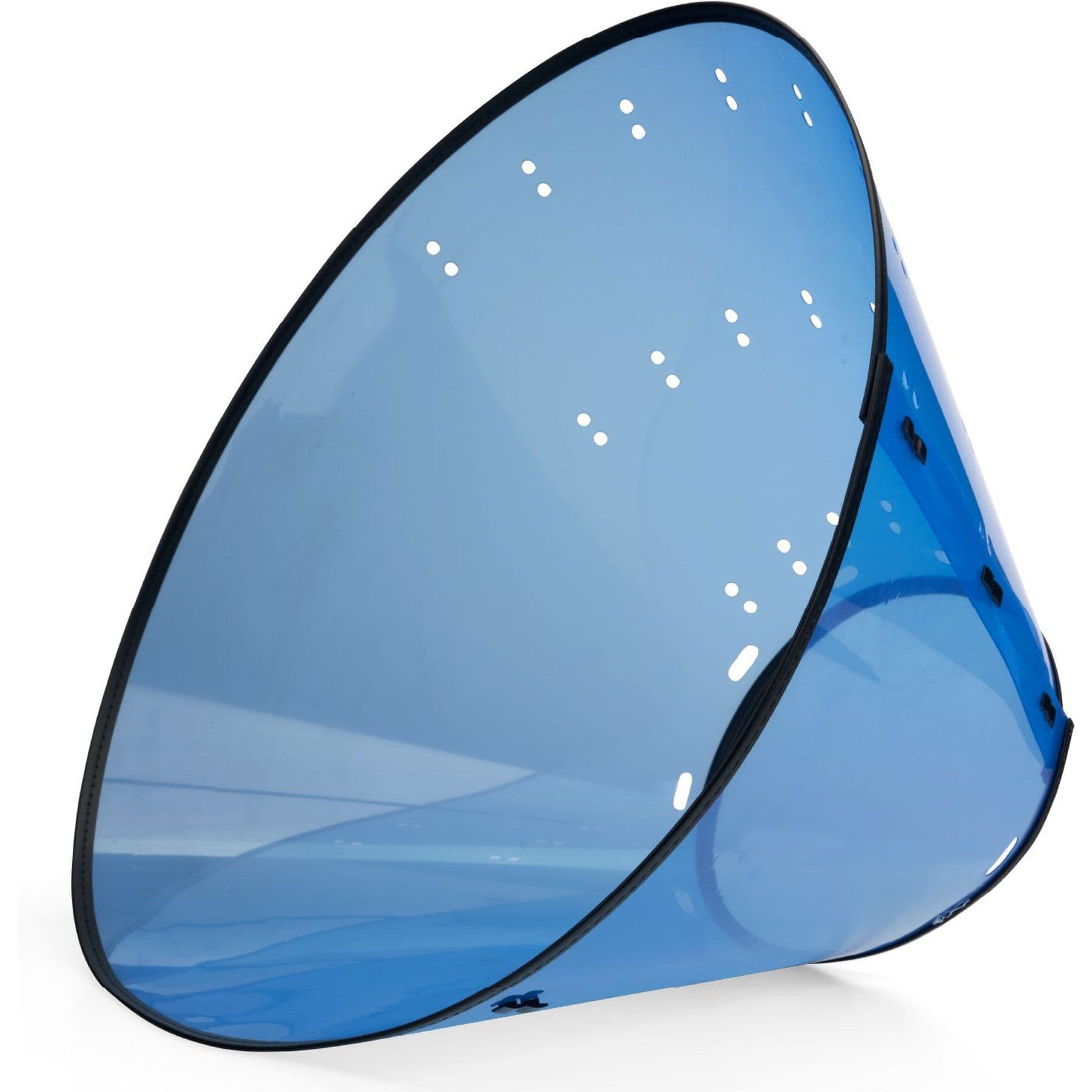
Ask whether incision protection is included; a rigid collar needs a size and reach check by the veterinary team.
Webvet may earn a commission when you click through to Chewy, at no extra cost to you.
What the estimate should include
Ask for the bill in two stages: what is needed to assess and stabilize your dog now, and what the likely intervention and recovery will cost.
- Initial workup: examination, abdominal radiographs or ultrasound, laboratory tests, intravenous access, fluids, and pain relief as needed.
- Surgical estimate: anesthesia, monitoring, the procedure, medicines, hospital care, and rechecks.
Abdominal X-rays can reveal some objects or suspicious bowel changes, but they do not show every stomach or intestinal blockage. Ultrasound or additional imaging may be needed. Blood work assesses the dog's condition and helps plan stabilization; it cannot locate an obstruction by itself. Ask which diagnostic question each proposed charge answers.
The emergency vet cost guide explains why an emergency examination is only one component of the visit. Compare included services, not just totals. Ask whether the estimate covers a simple removal, a possible bowel resection, or both scenarios.
For the planned recovery area, a properly installed KidCo Safeway mounted gate can help limit access to stairs or other rooms. Confirm the opening and installation requirements, and choose an arrangement your dog will not jump or climb. Setting up a quiet area can wait until the clinical team has established the urgent care plan.
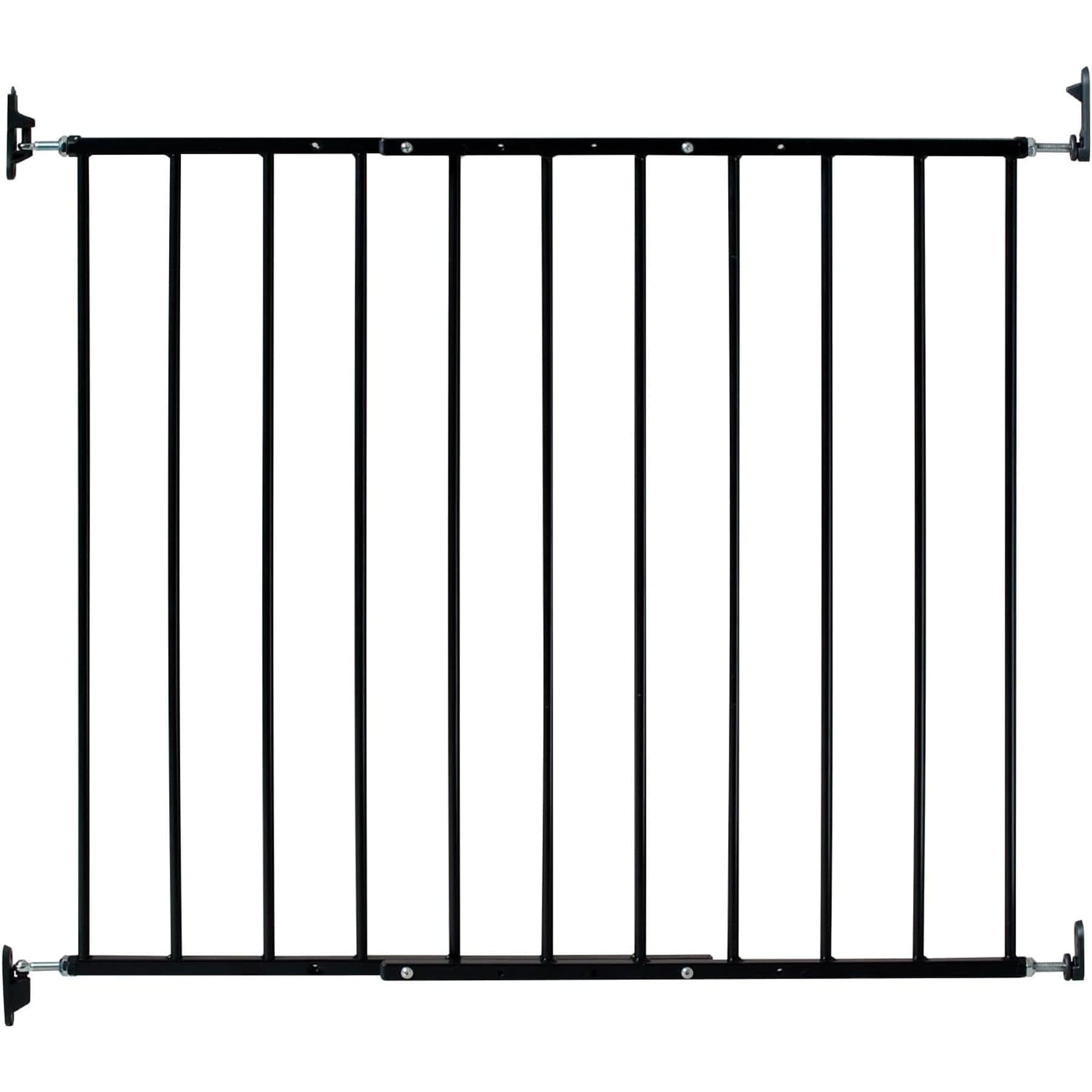
A correctly installed gate can help create the quiet recovery area recommended by the surgeon.
Webvet may earn a commission when you click through to Chewy, at no extra cost to you.
Agree on consent and contact arrangements
State a financial approval limit and ask how the team will contact you if surgery reveals more extensive damage. Provide a working phone number and a backup contact. Clarify which additional procedures are already authorized, what requires another conversation, and how the hospital handles a time-sensitive change when it cannot reach you.
This is also the time to ask about a deposit and when the balance is due. An estimate is a forecast based on available information; it should still make the likely services and possible additions understandable. Request an updated estimate when the treatment plan changes, rather than waiting until discharge to learn what happened.
 Sponsored
Vet care that's always there
Unlimited video calls and messaging with licensed vets for less than a typical vet visit. One membership covers up to five pets.
Use code Pets60
Plans start at $12/month · covers up to 5 pets
- Licensed vets in most states
- Rx for 150+ conditions
- 4.7 on Trustpilot
Why the type of obstruction changes the operation and bill
Object location and bowel viability determine the appropriate procedure. Endoscopy may retrieve an accessible object in the upper digestive tract. Enterotomy surgery opens the intestine to remove an object, then closes the opening. Intestinal resection and anastomosis means removing badly damaged bowel and joining healthy ends. These procedures involve different work and risks, so they are not interchangeable prices.
| Stage or procedure | Why it may be needed | Question for the estimate |
|---|---|---|
| Assessment and stabilization | Establish the problem and support an ill or dehydrated dog | Which tests and immediate treatments are included? |
| Endoscopic retrieval | Remove an accessible upper-digestive-tract object when appropriate | What happens if retrieval fails or surgery is needed? |
| Enterotomy surgery | Remove an intestinal object when bowel viability allows preservation | Does the quote cover the expected removal and monitoring? |
| Bowel resection | Remove damaged bowel and join healthy ends | How will this change prognosis, hospital care, and the approval limit? |
| Additional hospitalization | Monitor recovery or manage a complication | What would extend the stay, and how are estimates updated? |
The American College of Veterinary Surgeons' foreign-body guide explains that the surgeon may only establish the extent of bowel damage during exploration. A stomach operation, an intestinal incision, and removal of damaged bowel are different findings, even if all began with “my dog swallowed something.” Ask the surgeon to explain what was found and what was done.
Some selected objects may be monitored in hospital when the veterinarian judges passage safe, with reassessment and repeat imaging. That is not permission to wait at home with a suspected blockage. VCA's canine foreign-body guidance emphasizes the importance of timely care because obstruction can compromise blood supply and damage tissue.
While discharge planning is underway, consider whether you already have washable bedding. A Pet Parents Pawtect blanket is one option for a clean resting surface if your dog does not chew or swallow fabric. For a dog that eats cloth, ask the team for a different recovery setup. Bedding is practical support, not protection against an intestinal complication.
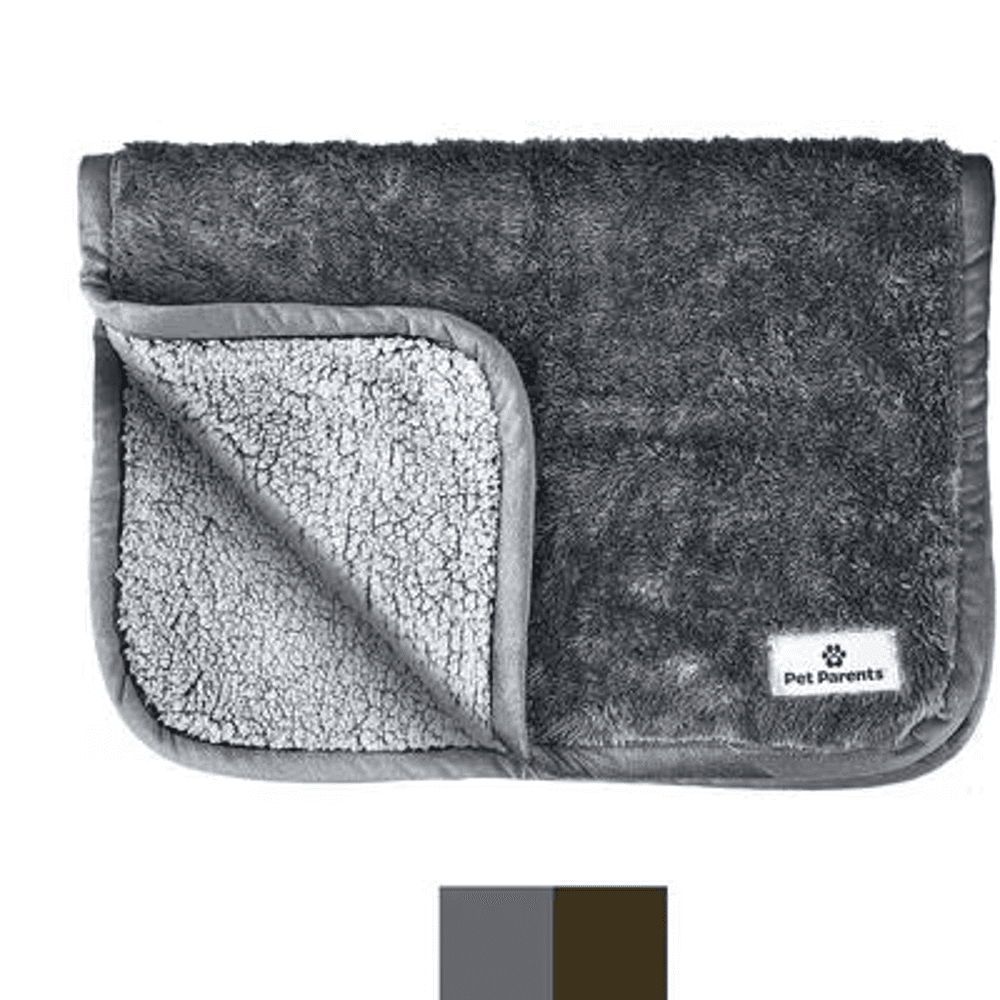
A washable blanket may support clean bedding, but dogs that swallow fabric need a different clinician-approved setup.
Webvet may earn a commission when you click through to Chewy, at no extra cost to you.
Avoid buying the wrong diagnostic comparison
Ask which test answers the immediate clinical question. An expensive scan is not automatically necessary, and a lower-cost image may not provide enough information. If advanced imaging is proposed, have the clinician explain the reason and whether it changes the plan. The separate dog MRI cost guide covers that different estimate; MRI should not be assumed to be a routine obstruction charge.
Stomach-outlet and bile-duct obstruction need their own estimates
Gastric outflow obstruction affects the stomach's exit, including the pylorus. A swallowed object is one possible cause; pyloric narrowing is another. Radiographs, ultrasound, and blood work help the veterinarian investigate the cause and its effects. The MSD Veterinary Manual explains these different mechanisms. Ask which structure is blocked before comparing a quote with an intestinal foreign-body price.
Extrahepatic bile-duct obstruction blocks bile flow from the liver toward the intestine. Causes include pancreatitis, gallbladder disease, and masses. Jaundice, vomiting, or appetite changes can occur; ultrasound and blood tests help investigate it. Elevated liver enzymes alone do not establish the cause. MSD's bile-duct guidance describes treatment according to the underlying problem, sometimes including biliary surgery. Pancreatitis-associated obstruction may improve with medical treatment, but that requires veterinary monitoring. Do not apply an intestinal-removal estimate or prognosis to a blocked bile duct.
Hospitalization, complications, and additional costs
A dog can recover from intestinal blockage, and prognosis after foreign-body surgery is often favorable when the problem is treated appropriately. There is no single success percentage that applies to every obstruction. Duration, location, bowel damage, leakage or infection, and the dog's underlying health influence the surgical prognosis and hospital needs.
Monitoring may continue until your dog can eat and take needed medicines by mouth and the team is satisfied with recovery. Complications such as intestinal leakage can require another operation and a longer stay. Ask the hospital what is improving, what remains uncertain, and which findings could increase the current estimate. Request a case-specific outlook rather than comparing an internet survival rate.
Useful questions during an update include:
- Was the bowel healthy, or did a section need removal?
- Is the team concerned about leakage, infection, or delayed intestinal movement?
- What needs to happen before discharge?
- Which treatments are included through the next update?
- Who should receive consent questions if the primary owner becomes unavailable?
For surgeon-cleared toilet outings, a fixed-length Leash Boss standard leash can help keep movement controlled. Use the handling equipment and assistance recommended for your dog. Do not leave a leash within reach of a dog that chews or swallows objects, and do not extend walks simply because your dog seems eager.
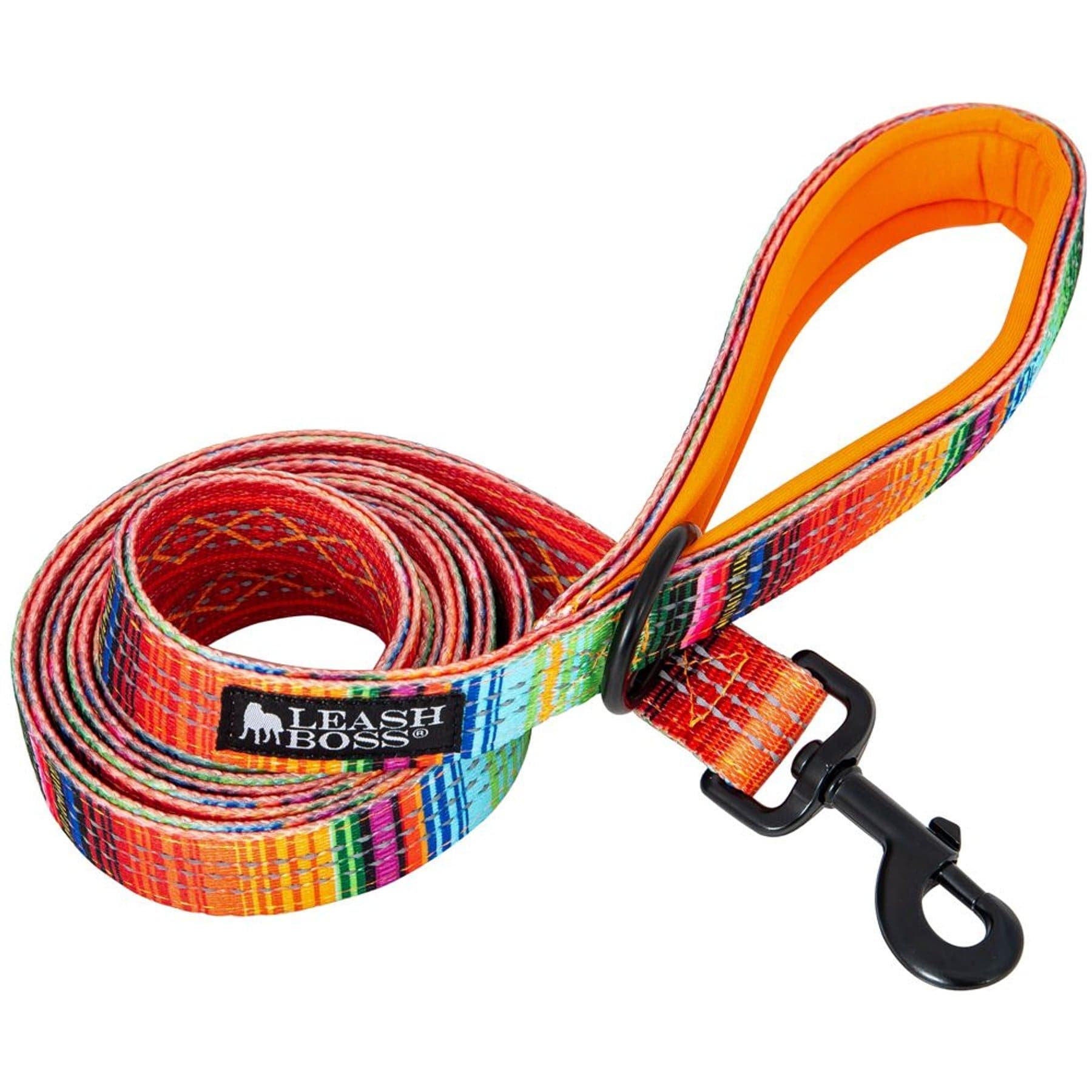
A standard leash supports surgeon-cleared toilet outings; store it away from dogs that chew or swallow objects.
Webvet may earn a commission when you click through to Chewy, at no extra cost to you.
Insurance and financial questions to raise immediately
If you cannot afford the estimate, say so at the start. Ask about a medically appropriate referral or transfer, available assistance, payment arrangements, and the minimum immediate stabilization plan. The veterinarian should explain the risks of any alternative. Do not assume that declining a particular quote means the dog can safely wait without treatment.
Existing accident or illness insurance may contribute when the event meets the policy terms. Ask about exclusions, deductibles, reimbursement limits, claim documents, and whether you must pay the hospital before reimbursement. A new policy should not be assumed to cover symptoms that have already begun. Wellness plans and pet insurance serve different purposes.
Discuss the full care plan within the available budget
If financing is offered, ask about total repayment, interest, fees, and approval requirements. Assistance and credit approval are not guaranteed. Have the clinical team explain which choices change prognosis and which merely change logistics. The goal is an informed decision about this dog's care, with cost constraints stated clearly and compassionately.
Recovery costs and the discharge plan

Before leaving, request written instructions for food, water, medicines, activity, incision protection, and the next examination. Recovery after enterotomy is different from uncomplicated endoscopic retrieval, and bowel resection may need a more involved plan. Ask which services are already paid for and which follow-up charges to expect.
Feeding and monitoring at home
Use the surgeon's exact feeding schedule and diet. If your dog will not eat after obstruction surgery or vomits a meal, contact the hospital for instructions rather than forcing food. Do not add treats or introduce a calorie-dense food without approval. The guide to recovery nutrition provides broader context, but the bowel procedure determines what is appropriate now.
Contact the hospital promptly about vomiting, increasing lethargy, worsening abdominal discomfort or swelling, loss of appetite, or incision drainage or opening. These signs deserve reassessment rather than an assumption that they are normal recovery. Ask where to go after hours and keep that number beside the discharge instructions.
Make sure every caregiver knows the medication times, permitted outings, and next review. Record intake and any new symptoms so the team receives a useful description. Do not replace a scheduled recheck with a photograph unless the hospital specifically agrees; an incision can look acceptable while another problem needs examination.
Preventing another swallowed-object emergency
Prevention starts with the object involved in this episode. Close laundry storage, secure rubbish and food waste, inspect play areas, and remove damaged toys or fabric your dog tries to swallow. Supervise access to new objects. No toy should be described as indestructible or assumed safe solely because it is marketed for strong chewers.
Food-related obstruction risks include swallowed bones and corn cobs, as well as wrappers taken with food. Ordinary digestible foods are not usefully ranked as the “most likely” causes for every dog. Size, shape, digestibility, and the individual dog matter. Keep food waste inaccessible; repeated eating of nonfood objects warrants a veterinary discussion about underlying contributors and prevention.
Keep recovery supplies out of reach when not in use. A collar, gate, blanket, or leash has a specific purpose; none makes an unsupervised room automatically safe for a dog that swallows objects. Ask the team to help adapt the environment if the usual bedding or confinement setup creates another ingestion risk.
Blockage surgery cost questions
Frequently Asked Questions
Will a dog still eat with a bowel obstruction?
Yes, a dog with a partial obstruction may still eat, and appetite can vary. Eating does not prove that an object has passed or that the bowel is undamaged. A suspected swallowed object, vomiting, abdominal pain, or other concerning signs require urgent assessment rather than offering food to test appetite.
Will a dog poop with an obstruction?
Stool passage does not rule out a partial blockage. Material already beyond an obstruction may still pass, and some dogs produce small amounts of stool or diarrhea. Tell the veterinarian what you have observed, but do not wait for constipation before seeking care for a suspected obstruction.
How long does it take for a dog to recover from an enterotomy?
Recovery after enterotomy surgery has separate hospital and home phases. Cuyamaca Animal Hospital describes hospitalization of roughly one to three days for less severe cases, but bowel damage or complications can extend it. Going home does not mean internal healing is complete. Follow the discharge instructions and obtain specific dates for incision review, feeding progression, and return to activity from the surgeon.
Should I put my 13 year old dog through surgery?
A 13-year-old dog's overall health and surgical prognosis matter more than age alone. Ask about the likely outcome with and without the operation, anesthetic risk, bowel damage, other illnesses, and expected comfort after recovery. When the prognosis is poor or treatment cannot maintain comfort, discuss humane alternatives with the veterinarian using the whole clinical picture.
Veterinarian · BVMS MRCVS
Dr. Pippa Elliott, BVMS, MRCVS, is a veterinarian with nearly 30 years of experience in companion animal practice. Dr. Elliott earned her Bachelor of Veterinary Medicine and Surgery from the University of Glasgow. She was also designated a Member of the Royal College of Veterinary Surgeons. Married with 2 grown-up kids, Dr. Elliott has a naughty Puggle named Poggle, 3 cats and a bearded dragon.
Related reading

Cat Cremation Cost: Private, Communal, and Additional Charges

Cat Euthanasia Cost: Clinic, At-Home Care, and Aftercare

Dog Microchip Cost: Implantation, Registration, and Ongoing Fees
