High-Calorie Dog Food for Recovery After Surgery or Illness
Learn when calorie-dense food may help a recovering dog, what veterinarians assess first, and which warning signs need prompt care.

BVMS MRCVS
Medically reviewed by Dr. Pippa Elliott, BVMS MRCVS · Last reviewed

This article contains affiliate links. Webvet may earn a commission when you buy through them, at no extra cost to you.
This article is sponsored by JustFoodForDogs. WebVet maintains editorial control over its medical content and may earn a commission from qualifying purchases, at no extra cost to you.
High-calorie dog food can help some dogs meet increased energy needs during recovery, but “more calories” is not always the first or safest answer. A dog who will not eat after surgery may be in pain, nauseated, dehydrated, constipated, or experiencing a complication. A dog losing weight during illness may also need a different nutrient balance, feeding route, or treatment, not just a richer bowl.
The veterinary team should decide whether calorie density is appropriate, set the daily target, and explain how quickly intake should increase. This is especially important after gastrointestinal surgery, with pancreatitis or fat intolerance, and when heart, kidney, or liver disease affects diet choice.
Treat poor appetite as a medical sign first. Once the veterinarian says oral feeding is appropriate, choose a complete-and-balanced, well-tolerated food that supplies the prescribed calories in a volume the dog can comfortably manage.


 Sponsored
Have a health question about your pet?
Talk to a licensed vet at Dutch over video or message, including nights and weekends.
Use code Pets30
Plans start at $11/month · covers up to 5 pets
- Licensed vets in most states
- Rx for 150+ conditions
- 4.7 on Trustpilot
When high-calorie dog food may support recovery
Calorie needs can rise with fever, wound healing, severe inflammation, or recovery from a period of inadequate intake. At the same time, appetite and digestive tolerance may be reduced. A calorie-dense food can put more energy into a smaller serving, but only if the dog can digest and safely eat it.
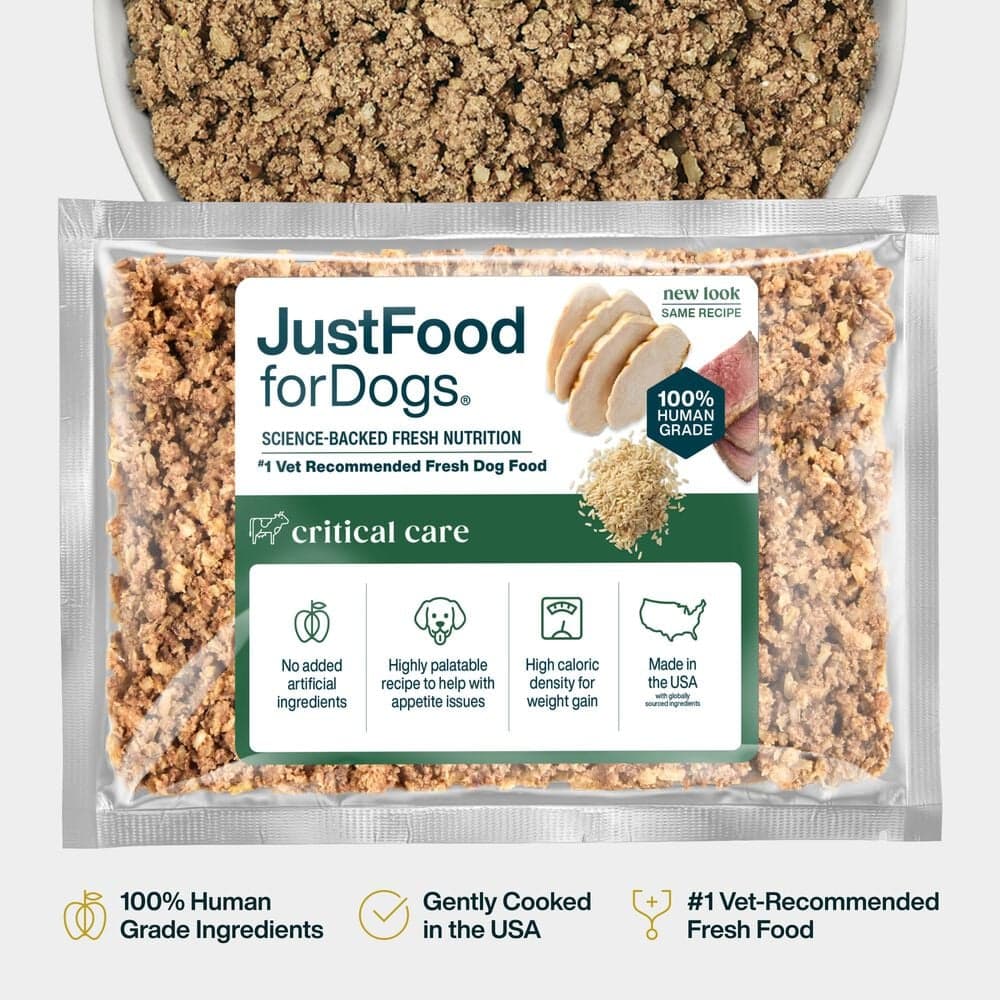
Recovery feeding is a veterinary decision; use these calorie-dense options as talking points with your vet.
- 63 kcal per ounce for recovery and weight gain
- Beef and chicken thigh recipe, restricted simple carbs
- Fed only under veterinary direction
Vet Support diet: requires your veterinarian’s information to ship.
Webvet may earn a commission when you click through to JustFoodForDogs, at no extra cost to you.
The vet will consider:
- the diagnosis and procedure;
- current and recent body weight;
- body- and muscle-condition scores;
- how much the dog ate before and after treatment;
- nausea, vomiting, diarrhea, constipation, and abdominal pain;
- hydration and laboratory findings;
- medications that alter appetite or digestion;
- whether oral feeding is safe.
Use those factors as a recovery feeding readiness checklist. High calorie dog food may support recovery when the dog is medically stable enough to eat, the cause of poor intake is being treated, oral feeding is safe, and a calorie-dense complete formula fits the diagnosis. What can I feed my dog that is high in calories? Start with the food and amount the veterinary team approves, because fat, texture, mineral levels, and serving volume can change clinical fit.
Those are the veterinary decision points that determine whether calorie density is useful or risky. They prevent a high-calorie label from overriding swallowing safety, pain and nausea control, diagnosis-specific nutrient limits, and the need to measure actual intake.
Why the cause of poor intake matters
Low intake can result from pain, nausea, fever, sedation, dental or swallowing difficulty, stress, gastrointestinal disease, medication effects, or the underlying illness. Calorie density does not correct those problems. In some cases, making a meal richer can worsen nausea or be inappropriate for the diagnosis.
The veterinary team separates three questions:
- Can the dog eat safely? Alertness, swallowing, breathing, and aspiration risk come first.
- Why is intake low? Pain control, nausea management, hydration, constipation, and complications may need attention before food changes.
- What nutrition plan fits now? The answer may involve the regular diet, a more calorie-dense complete food, a therapeutic formula, assisted feeding, or another route chosen by the veterinarian.
This sequence prevents food preference from being mistaken for medical recovery. A dog who eats a few rich bites may still be far below the prescribed calorie target or may still need reassessment.
When not eating after surgery needs veterinary care
Follow the discharge instructions for when appetite should return. Call sooner if the dog cannot keep water down, seems painful, repeatedly vomits, has a swollen abdomen, struggles to breathe or swallow, appears very weak, has pale gums, passes black or bloody stool, or shows a change at the surgical site.
Do not wait for visible weight loss. Small dogs, puppies, seniors, dogs with diabetes, and medically fragile patients may have less margin for prolonged poor intake. The clinic may need to review medication timing, pain control, nausea, hydration, laboratory results, or the procedure itself.
Before calling, note the last normal meal, every amount offered and eaten, water intake, vomiting, stool, urination, medications, and behavior. That timeline helps the team decide how urgently the dog needs to be seen.
What vets look for in a recovery food
| Feature | Why it matters during recovery | Veterinary question |
|---|---|---|
| Calorie density | More energy can fit into a smaller volume | How many calories should the dog receive today? |
| Complete-and-balanced nutrition | Long-term feeding must meet essential nutrient needs | Is this a complete diet or a short-term supplemental food? |
| Protein and amino acids | Support maintenance and repair of lean tissue | Does the diagnosis change the appropriate amount or source? |
| Fat level | Raises calorie density but may not suit every patient | Is there pancreatitis, fat intolerance, or another reason to restrict fat? |
| Digestibility and texture | Can affect comfort and willingness to eat | Is this formulation appropriate after this specific illness or procedure? |
| Palatability | Helps only when it does not encourage unsafe add-ons | Is nausea or pain being treated first? |
A high calorie count does not make a product a recovery diet. The full formula, intended use, and patient’s diagnosis matter. Likewise, broth, meat, or a favorite topper may encourage a few bites but may not be complete and balanced.
What is the best dog food to gain weight?
The best food is the one that addresses the reason for weight loss, delivers the prescribed calories in a tolerated amount, and fits any medical nutrient limits. A healthy but underfed dog, a dog recovering from surgery, and a dog losing weight despite a good appetite need different evaluations.
For more general life-stage context, WebVet’s senior dog food guide explains why weight and muscle loss in an older dog should not automatically be treated as a normal part of aging.
What can I feed my dog that is high in calories?
Use a complete food approved by the veterinarian rather than assembling fatty human foods. Calorie density can come from the full formulation, but the dog may also need a particular fat level, protein profile, texture, mineral content, or digestibility.
Cheese, butter, oils, fatty meat, and large amounts of peanut butter can add calories without providing a balanced recovery diet. They may also cause gastrointestinal upset or be inappropriate for pancreatitis and other conditions.
What can I feed my dog that is high in calories? Use the exact complete diet, daily target, and serving progression supplied by the veterinary team. Do not choose by calorie count alone or use rich human food to compensate for a dog who remains nauseated, painful, or unable to eat safely.
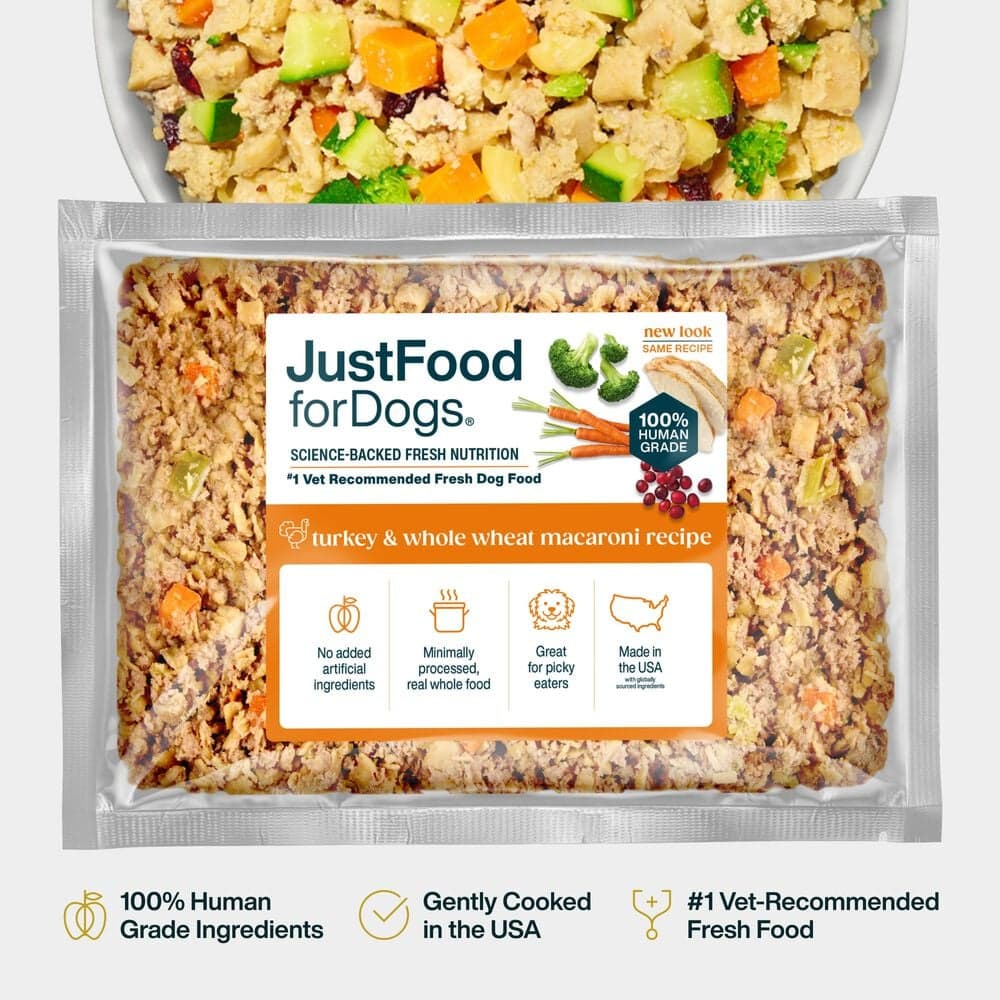
Recovery feeding is a veterinary decision; use these calorie-dense options as talking points with your vet.
- 49 kcal per ounce, the densest everyday recipe
- Fresh ground turkey with whole-food ingredients
- AAFCO feeding-trial substantiated
Webvet may earn a commission when you click through to JustFoodForDogs, at no extra cost to you.
What foods can I feed my dog to gain weight?
Start with the exact veterinary plan. The team may recommend the regular complete diet in a larger measured amount, a calorie-dense complete food, a therapeutic recovery product, or a temporary feeding method. Do not combine several rich foods and supplements without calculating the full intake.
What foods can I feed my dog to gain weight? Appropriate options are those the veterinarian has screened for diagnosis, fat tolerance, swallowing ability, nutritional completeness, and calorie target. One consistent complete food often makes tolerance and intake easier to measure than a changing buffet.
What dog food has the highest calories?
The highest number is not automatically the best clinical match. Compare calories per ounce, gram, cup, or container, then ask whether the formula is complete, digestible, medically appropriate, and usable at the required portion. A less calorie-dense food may be preferred when fat or another nutrient needs tighter control.
Ask what dog food has the highest calories only after feeding safety and medical fit are established. The useful comparison is calories in the portion the dog can safely tolerate, not the largest number on a package. Record the exact product and current calorie statement so intake can be calculated accurately.
 Sponsored
Vet care that's always there
Unlimited video calls and messaging with licensed vets for less than a typical vet visit. One membership covers up to five pets.
Use code Pets30
Plans start at $11/month · covers up to 5 pets
- Licensed vets in most states
- Rx for 150+ conditions
- 4.7 on Trustpilot
How veterinarians calculate a starting target
A common starting estimate is resting energy requirement:
RER = 70 × body weight in kilograms^0.75
That number is then adjusted for the individual patient and clinical goal. A dog who has eaten very little for several days may need calories introduced progressively rather than receiving the full target in one large meal. The veterinarian determines the schedule and watches electrolytes, hydration, gastrointestinal tolerance, and the underlying disease.
Recovery feeding is a veterinary decision; use these calorie-dense options as talking points with your vet.
- 63 kcal per ounce for recovery and weight gain
- Beef and chicken thigh recipe, restricted simple carbs
- Fed only under veterinary direction
Vet Support diet: requires your veterinarian’s information to ship.
Webvet may earn a commission when you click through to JustFoodForDogs, at no extra cost to you.
Calculate calories actually eaten
Record both the amount offered and the amount left. If a food contains 40 calories per ounce and 3 ounces were offered but 1 ounce remained, the dog ate about 80 calories, not 120.
When several foods or toppers are used, calculate each separately and add the total. This prevents a spoonful here and a few bites there from being described as “a full meal” when the calorie intake remains low.
The veterinarian may set a daily target and a minimum intake that triggers a call. Write those numbers into the discharge log with the calorie density of the approved food. Recalculate if the product or recipe changes.
How vets build and monitor a recovery diet
Recovery feeding is a sequence of clinical decisions rather than a single product choice.
| Decision | What the veterinary team evaluates | Home evidence that helps |
|---|---|---|
| Feeding safety | Alertness, swallowing, aspiration risk, surgery type | Coughing, gagging, drooling, ability to keep water down |
| Calorie target | Weight, recent intake, diagnosis, healing demands | Exact amounts offered and eaten |
| Formula | Calorie density, completeness, protein, fat, minerals, texture | Product label, tolerance, food preferences |
| Meal progression | Time without adequate food and digestive tolerance | Vomiting, stool, abdominal comfort, interest in food |
| Reassessment | Weight, muscle, hydration, labs, wound and disease status | Daily log and medication timing |
The plan may change as the dog stabilizes. An early small-meal schedule can progress toward the full daily target, then later transition toward maintenance. Each stage should have a defined monitoring point and instructions for what to do if intake falls.
What is the best dog food to gain weight during recovery? It is the medically appropriate complete food that delivers the prescribed calories in a tolerated portion. What dog food has the highest calories is a separate label question; the highest number may come with fat, texture, or nutrient characteristics that do not suit the patient. Veterinary decision points connect calorie density to diagnosis, feeding safety, and monitored intake.
A practical recovery feeding readiness checklist should be documented before the food is offered: the dog is alert enough to eat, swallowing is normal for the patient, pain and nausea are addressed, the approved product and calorie density are known, the first portion is specified, and the caregiver knows which sign or intake threshold requires a call.
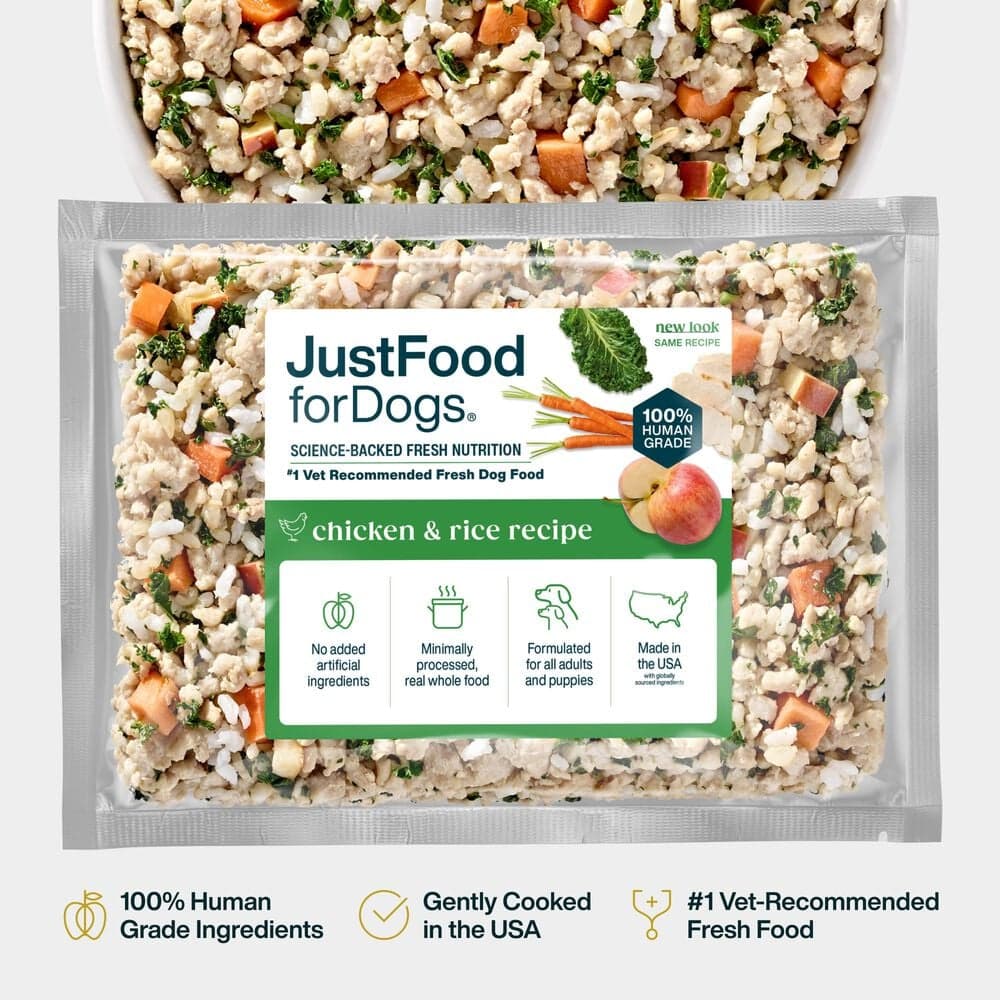
Recovery feeding is a veterinary decision; use these calorie-dense options as talking points with your vet.
- Enter your dog’s weight and activity
- Compare fresh-food feeding options
- Use your vet’s calorie target for medical needs
Webvet may earn a commission when you click through to JustFoodForDogs, at no extra cost to you.
A staged recovery-feeding plan
| Stage | What to monitor | When to call |
|---|---|---|
| Before feeding | Alertness, swallowing, nausea, pain, hydration | Dog is very weak, repeatedly vomits, or cannot swallow normally |
| First small meals | Interest in food, nausea, abdominal comfort | Food refusal continues or discomfort increases |
| Increasing intake | Calories eaten, stool, vomiting, body weight | Intake falls, diarrhea persists, or weight continues to drop |
| Return to maintenance | Body and muscle condition, activity, medication changes | Recovery stalls or normal diet cannot be resumed |
Small, frequent meals are often easier to tolerate than one large serving, but the exact schedule depends on the condition. Follow discharge instructions over general internet advice.
Make each stage measurable
“A few bites” is difficult to interpret. Weigh or measure the food before and after the meal when practical. Record the calorie density from the current label and calculate the intake.
Increase only according to the veterinary plan. Larger meals can overwhelm a nauseated or recently operated gastrointestinal tract, while staying at tiny amounts for too long may fail to meet the recovery target. The right pace depends on the diagnosis and the length and severity of underfeeding.
Keep water, medications, and feeding separate in the log. A dog may drink but remain far below calorie needs, or eat while still becoming dehydrated through vomiting or diarrhea.
Choosing texture and serving method
Soft, smooth, or moist foods may be easier for some dogs to eat, but texture should fit the procedure and swallowing ability. Oral, dental, jaw, esophageal, stomach, and intestinal problems can require different instructions.
Warming an approved food slightly may improve aroma. Stir thoroughly and test the temperature before serving. Do not leave perishable food at room temperature, and discard portions according to the product and discharge instructions.
Hand-feeding can be useful when it is calm and voluntary. Stop if the dog turns away, coughs, gags, struggles, or becomes distressed. Do not place food at the back of the mouth or syringe liquid food without specific veterinary training.
Medical conditions that change the food choice
High-calorie does not mean universally appropriate. The veterinary team may need to account for:
- pancreatitis or a history of fat intolerance;
- diabetes and meal-medication coordination;
- kidney, liver, or heart disease;
- gastrointestinal surgery or impaired digestion;
- food allergy or adverse reaction history;
- difficulty chewing or swallowing;
- fluid, sodium, mineral, or protein targets;
- medications that affect appetite, nausea, stool, or hydration.
Do not assume a product used after one surgery should be reused after another illness. The diagnosis, current medications, and feeding safety may be different.

Where Critical Care Support fits
JustFoodForDogs Critical Care Support gives veterinarians a fresh-food option designed for recovery or other high-calorie needs. Its place in the Vet Support line also keeps product selection connected to the veterinary team managing the dog's surgery, illness, appetite, and nutrient requirements.
The prescribing team should confirm the current product details, calorie density, serving amount, indications, and contraindications before feeding. That product-specific review is especially useful during recovery, when a richer food can help only if it also fits the dog's diagnosis, gastrointestinal function, medications, and feeding tolerance.
Critical Care Support should not be presented as suitable for every recovering dog or as a treatment for the underlying illness. Its role is determined by the veterinarian managing the case.
Keep a calorie and tolerance log
Record each meal while the dog is recovering:
| Time | Food and amount offered | Amount eaten | Water | Medication | Vomiting/stool/pain notes |
|---|---|---|---|---|---|
| Morning | |||||
| Midday | |||||
| Evening |
Bring the log to follow-up appointments. It helps the veterinarian distinguish a food-preference problem from nausea, pain, inadequate calorie delivery, or poor tolerance.
Weigh the dog as directed and use the same scale when possible. Watch muscle over the spine, hips, shoulders, and head as well as total weight. Fluid shifts can hide tissue loss on the scale.
Add a daily total beneath the meal rows. Compare calories eaten with the veterinary target and note the percentage reached. Record whether the dog ate voluntarily, needed coaxing, or refused despite prescribed nausea or pain management.
Transition back to the regular diet
Once the dog is eating reliably and the veterinarian says recovery feeding can end, transition gradually. The pace depends on the illness, stool quality, and duration of the recovery diet. Do not keep a highly calorie-dense plan indefinitely without reassessing portions; energy needs can fall quickly as activity and health normalize.
Use a written transition when two diets are being mixed. Calculate the calories from both foods so the dog does not unintentionally receive a large increase or decrease. This safe transition and monitoring plan tracks stool, vomiting, appetite, weight, and medication changes so the veterinary team can separate normal adjustment from a setback that needs reassessment.
Return for the scheduled recheck even when appetite improves. Eating is one recovery sign, but the veterinarian may also need to evaluate hydration, muscle, wound healing, laboratory values, pain, and the underlying disease.

Frequently Asked Questions
What is the best high-calorie dog food for weight gain?
The best option depends on why the dog is underweight, whether oral feeding is safe, and what fat, protein, mineral, or texture limits apply. Ask the veterinarian for a calorie target and an appropriate complete-and-balanced formula.
What can I feed my dog after surgery?
Follow the discharge plan. Some dogs return to their regular food, while others need a temporary easily tolerated or higher-calorie option. Call before improvising if the dog is nauseated, painful, or not eating.
How can I get a skinny dog to gain weight quickly?
Do not pursue rapid gain without a diagnosis. Parasites, dental disease, digestive disease, cancer, endocrine disorders, and inadequate intake can all cause weight loss. Safe gain is monitored and addresses the cause.
How long can a dog go without eating after surgery?
Use the timeframe in the discharge instructions and call sooner for vomiting, pain, weakness, poor water intake, difficulty swallowing, or another concerning sign. The safe response depends on the dog’s size, age, diagnosis, medications, and procedure.
Are eggs, cheese, or peanut butter good recovery foods?
They may be palatable, but they are not a complete recovery plan and can be high in fat or calories. Ask the veterinarian what foods and amounts are safe for the diagnosis before using human-food add-ons.
Should I force-feed a dog that will not eat?
No, unless the veterinary team has assessed swallowing safety and specifically trained the caregiver in an approved method. Force-feeding can cause stress, food aversion, or aspiration and can delay treatment of pain, nausea, or complications.
How do I know whether my dog is eating enough during recovery?
Compare the calculated calories actually eaten with the target and call threshold in the veterinary plan. Also track water, vomiting, stool, comfort, weight, muscle, and behavior. A few voluntary bites may still be inadequate.

Editor
The Webvet Editorial Team is the in-house group of pet-care editors and writers behind Webvet, operated by Smart Pet Collective. The team researches, writes, and maintains Webvet's pet health, behavior, and medication content. Every article follows a defined editorial process: research from reputable veterinary and scientific sources, careful drafting, mandatory review of medical content by a credentialed veterinarian, and dated publication. Health and medication articles are medically reviewed by a licensed veterinary professional before they go live and are kept current over time.
Veterinarian · BVMS MRCVS
Dr. Pippa Elliott, BVMS, MRCVS, is a veterinarian with nearly 30 years of experience in companion animal practice. Dr. Elliott earned her Bachelor of Veterinary Medicine and Surgery from the University of Glasgow. She was also designated a Member of the Royal College of Veterinary Surgeons. Married with 2 grown-up kids, Dr. Elliott has a naughty Puggle named Poggle, 3 cats and a bearded dragon.
Related reading

Cat Cremation Cost: Private, Communal, and Additional Charges

Cat Euthanasia Cost: Clinic, At-Home Care, and Aftercare

Dog Microchip Cost: Implantation, Registration, and Ongoing Fees
